

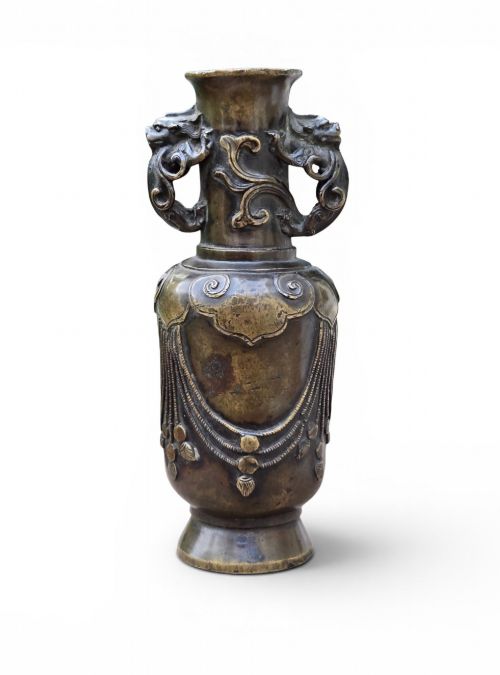


Cast Bronze Vase
A cast bronze vase brings weighty presence to a room, grounding an interior with centuries of sculptural metalwork.
Cast Bronze Vase
A cast bronze vase encompasses heavy sculptural vessels shaped by historical foundries, ranging from nineteenth-century European neoclassical urns to intricate Japanese Meiji period examples. When searching for a cast bronze vase, buyers most frequently encounter nineteenth-century Japanese Meiji period vessels and Victorian decorative ewers or table lamps.
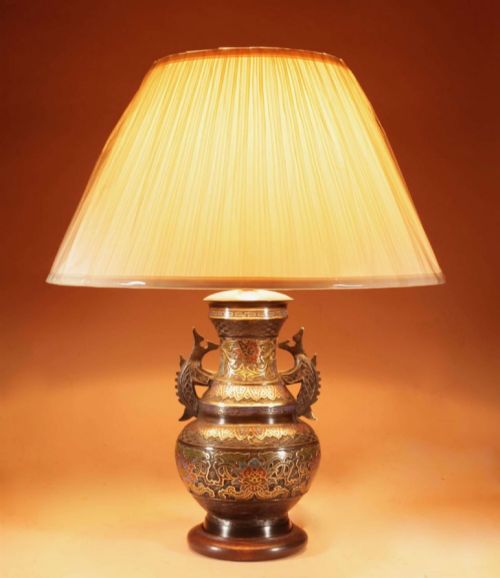
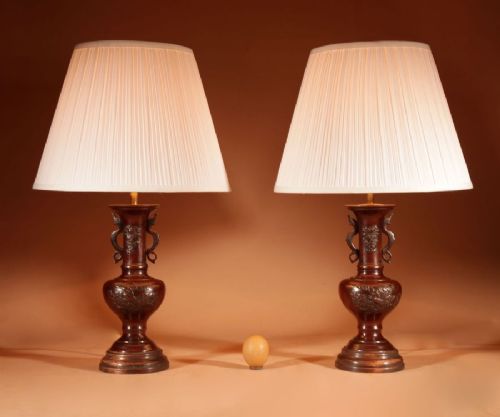
The forms vary widely from slender baluster bodies and ritual vessel shapes to monumental garden urns and campana profiles. Many of these pieces were adapted later into table lamps, incorporating fabric shades while retaining their original cast metal bodies.
Origins span European workshops producing Grand Tour souvenirs alongside Asian foundries exporting detailed bronze work to Western markets. The shared characteristic across all these objects is the rigid, durable metal structure achieved through traditional casting methods.
How they were made
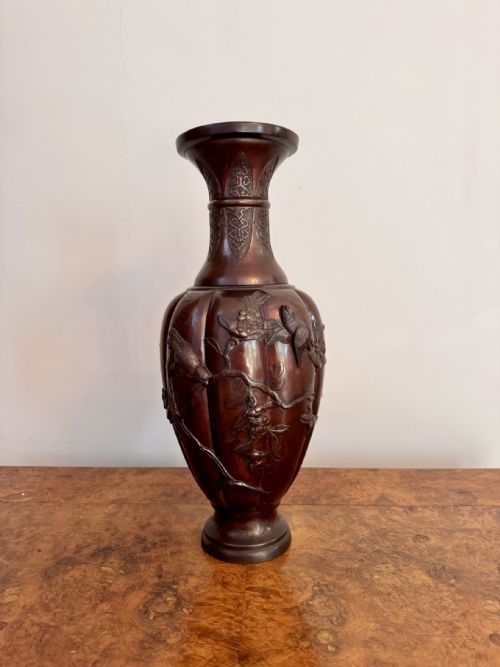
Foundries utilised traditional casting techniques, pouring molten copper alloys into moulds to create thick, rigid vessel walls that could take sharp surface details. Artisans then refined the raw castings through chasing, relief carving, and the application of chemical patination or gilt finishes.
Many Japanese and Chinese pieces incorporate complex applied elements such as dragon handles and intricate champlevé enamel work set directly into the bronze ground. European neoclassical works frequently feature applied marble bases, such as giallo di siena, contrasting with the dark patinated metal.
Cast Bronze Vase Retail Price Guide 2026
Typical asking prices for cast bronze vase among the pieces listed under this phrase on Sellingantiques today, from the lower quarter to the upper quarter. They describe what is for sale here now, not the wider market.
The inventory records diverse forms including table lamps, ewers, and garden temple urns alongside traditional vessel shapes.
What varies in quality
The refinement of the casting and subsequent hand-chasing separate simpler production pieces from exceptional foundry work. Crispness in relief decoration, such as articulated scales on dragon motifs or sharp foliate borders, indicates superior craftsmanship.
Surface finish and patination depth dictate visual richness, where evenly aged patinas or complex multi-coloured patination outperform flat, uniform coatings. The weight and stability of the piece, particularly in large campana shapes or heavy pairs, reflect the density of the bronze utilised.
Jean Dunand·Bardedienne
The Cast Bronze Vase Glossary
- Patinated bronze
- Bronze that has been treated with chemicals, heat, or acids to produce a specific surface colour and aged appearance. This finish protects the metal and defines its visual character.
- Champlevé
- An enamelling technique where troughs are dug into the bronze surface and filled with vitreous enamel paste before firing. It creates colourful patterns flush with the metal body.
- Campana-shaped
- A vase profile resembling an inverted bell, widely used in classical European and Grand Tour decorative arts. These vessels often sit on square marble or bronze plinths.
- Archaistic
- A stylistic choice where later makers deliberately emulate the forms, motifs, and patination of ancient ritual bronzes. It reflects historical reverence for early dynasties.
- Baluster
- A vertical vase form featuring a rounded lower body that tapers into a narrow neck and flaring rim. This balanced proportion appears frequently in both Asian and European metalwork.
Cast Bronze Vase: Frequently Asked Questions
How do I clean a cast bronze vase?
Dust the surface regularly with a soft, dry cloth to prevent grime accumulation. Avoid harsh chemical cleaners or abrasive polishes that can strip away historical patination.
Apply a very thin coat of microcrystalline wax periodically if the metal requires protection against moisture. Buff gently with a clean cloth to maintain a stable, satin finish.
Are these vases suitable for holding water?
Most antique metal vessels are not watertight due to age, minor casting flaws, or converted drainage holes from lamp fittings. Using a discreet internal glass or plastic liner is recommended if displaying fresh cut stems.
Placing water directly inside unlined antique metal can accelerate internal corrosion and damage delicate patinas. Dry arrangements or empty display preserve the structural integrity of the piece.
How do I distinguish Japanese Meiji period bronzes?
Meiji period bronzes often feature distinct wildlife motifs such as dragons, birds, and flora rendered with extreme naturalistic precision. The casting work frequently demonstrates exceptional technical skill developed during the opening of Japanese trade.
Many pieces from this era bear foundry signatures or artist marks cast into the base or body. The patination ranges from deep chocolate browns to nuanced multi-tone metallic finishes.
What is a Grand Tour bronze?
Grand Tour bronzes are miniature or reduced-scale souvenirs purchased by wealthy travellers touring classical European sites during the nineteenth century. They replicate famous ancient monuments, statues, and archaeological finds like the Warwick Vase.
These pieces served as markers of education and cultured travel in European homes. They are typically mounted on decorative stone bases such as marble.