



Patinated Bronze Vase
These patinated bronze vase examples bring together centuries of metalwork traditions, offering sculptural presence and rich surface patinas for any room.
Patinated Bronze Vase
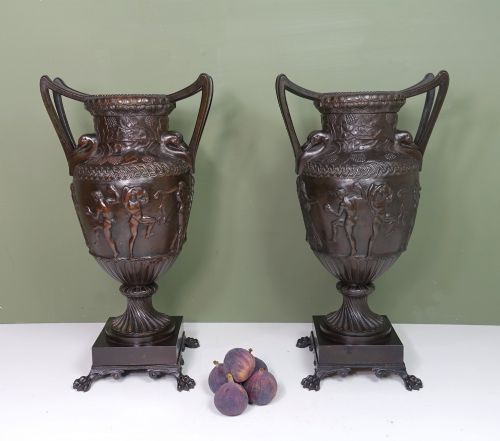
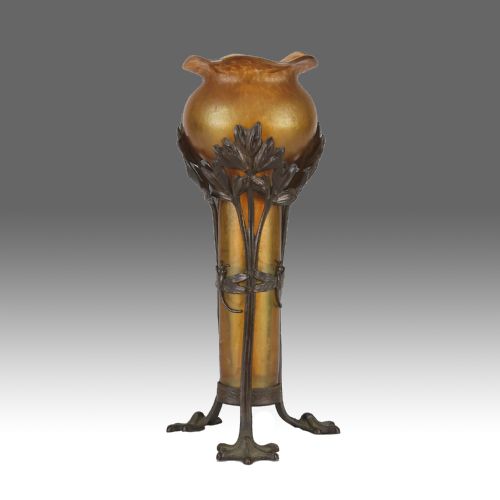
When you search for a patinated bronze vase, you are looking at hollow metal vessels designed for display, often taking the form of classical urns, ritual vessels, or slender floral holders. The items on this page span the nineteenth century into the early twentieth century, drawing on French, Italian, and Japanese design traditions.
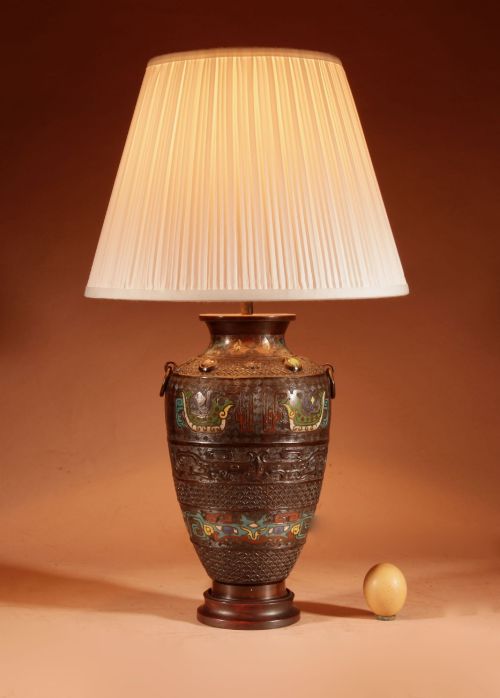
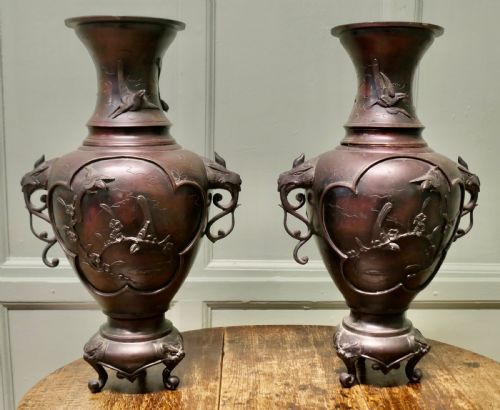
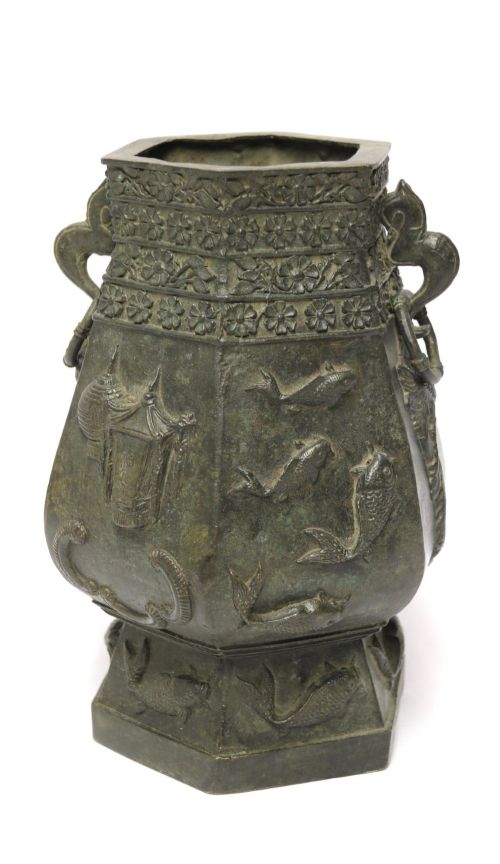
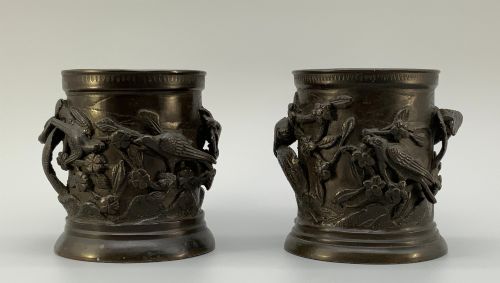
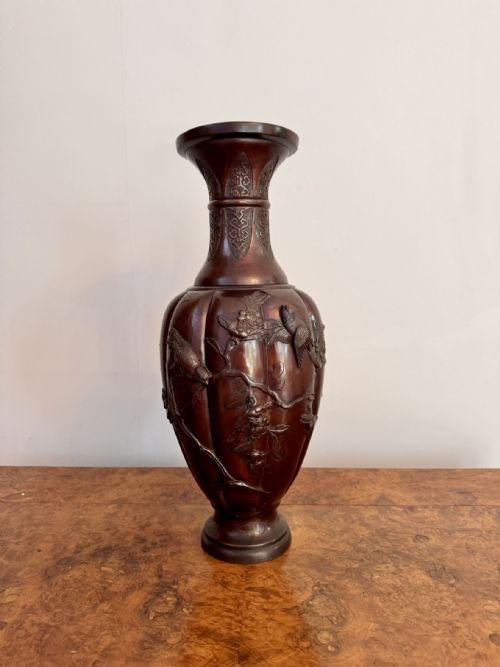
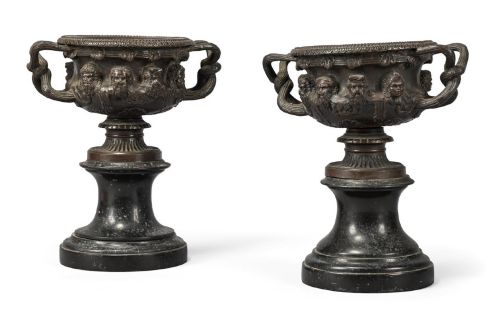
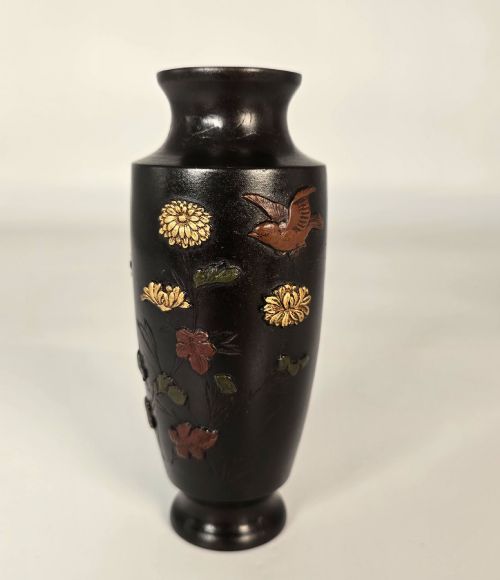
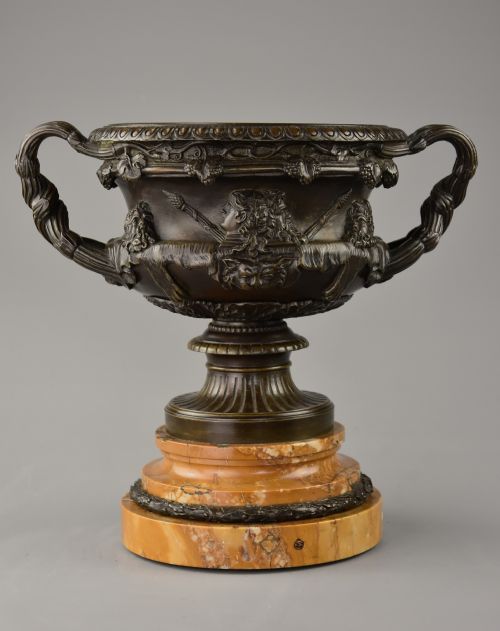
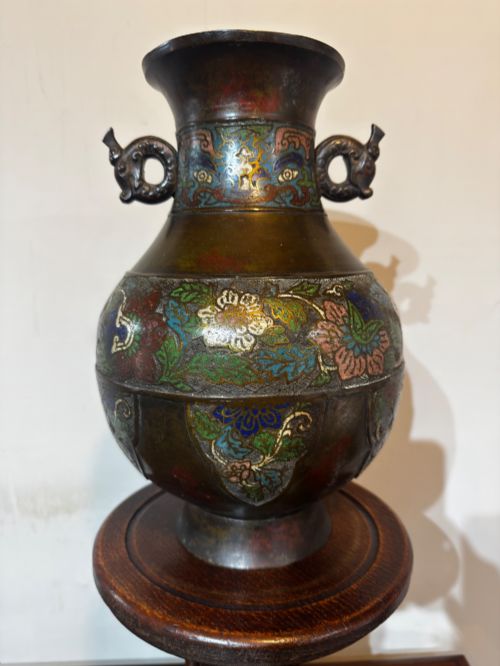
You will encounter pieces ranging from Grand Tour reductions of ancient monuments to Japanese Meiji period bronzes decorated with birds, blossom, and dragons. Forms include campana urns, gu ritual vessels, and multi-patinated display pieces, alongside examples adapted into table lamps.
Many items originate from workshops in Europe and East Asia, reflecting a nineteenth-century fascination with classical antiquity and Meiji craftsmanship. These vessels function equally well as standalone decorative objects or as part of matched pairs and garniture sets.
How they were made
Maker utilise traditional casting methods, often working in bronze, bronzed spelter, or mixed metals with applied or natural patination. Surfaces receive chemical treatments or heat applications to produce deep brown, green, or multi-patinated finishes.
Detailing involves intricate chasing, high-relief casting of figures, birds, and dragons, and occasionally contrasting elements in ormolu, marble, copper, or fabric mounts. Some vessels incorporate champleve enamel or inlaid mixed metals to accentuate the surface design.
Patinated Bronze Vase Retail Price Guide 2026
Typical asking prices for patinated bronze vase among the pieces listed under this phrase on Sellingantiques today, from the lower quarter to the upper quarter. They describe what is for sale here now, not the wider market.
Materials span solid bronze and bronzed spelter, often paired with marble plinths, copper, or fabric elements.
What varies in quality
The distinction between standard production and exceptional work lies in the crispness of the chased detail and the depth of the patination. Master metalworkers achieved subtle tonal variations across the surface, whereas lesser pieces display a flat, uniform colour.
Proportion and structural weight also differentiate the pieces, with superior examples showing balanced casting thickness and carefully finished interiors and bases. Signed works or those attributed to known founders and artists carry additional distinction through documented provenance.
Jules Moigniez·Loetz·Charles Korschann
The Patinated Bronze Vase Glossary
- Patinated bronze
- Bronze that has been treated with chemical solutions or heat to create a coloured oxide layer on the surface. This finish protects the metal and provides deep brown, black, or greenish tones.
- Grand Tour
- A nineteenth-century cultural tradition where travellers collected miniature bronzes and architectural models of classical antiquities. These souvenir pieces often reproduce famous Roman or Greek vessels like the Warwick vase.
- Meiji Period
- The era in Japanese history from 1868 to 1912 marked by the opening of trade with the West. Metalworkers during this time produced highly detailed bronze vases featuring flora, fauna, and mythological creatures.
- Campana urn
- A bell-shaped vessel with a flared rim and footed base, originating in ancient Greece and Rome. European makers frequently reproduced this classical form in bronze and spelter during the nineteenth century.
- Champleve
- An enamelling technique where troughs or cells are carved into the bronze surface and filled with vitreous enamel. The metal walls between the enamel areas remain visible as part of the design.
Patinated Bronze Vase: Frequently Asked Questions
What is a patinated bronze vase?
A patinated bronze vase is a cast metal vessel finished with an artificial or natural chemical surface treatment to create colour and texture. These decorative objects range from classical European urns to Japanese Meiji period creations.
Craftsmen created these pieces primarily for display, utilising techniques that highlight the metallic surface through deep browns, greens, and highlights.
How do I style a bronze vase?
These vessels work well as standalone focal points on mantelpieces, sideboards, or entry tables due to their sculptural weight and dark patinas. Pairs and garniture sets balance symmetry in formal spaces.
While some historical pieces held flowers or water, many are best appreciated empty or fitted for modern use as table lamps.
How can I tell the age of a bronze vase?
Dating relies on stylistic clues, casting methods, and surface wear consistent with specific historical periods like the nineteenth century or the Meiji era. European Grand Tour pieces often reference classical antiquities, while Japanese bronzes reflect Meiji aesthetic motifs.
Signatures, foundry marks, and construction techniques inside the base also help establish when a piece was made.
What is a Grand Tour bronze?
Grand Tour bronzes are miniature reductions of famous ancient statues and architectural artefacts collected by wealthy travellers in the eighteenth and nineteenth centuries. These decorative urns and vases replicated ruins seen in Italy and Greece.
Foundries in France and Italy produced these quality castings to satisfy the demand for portable classical art.