



Meiji Bronze Urn
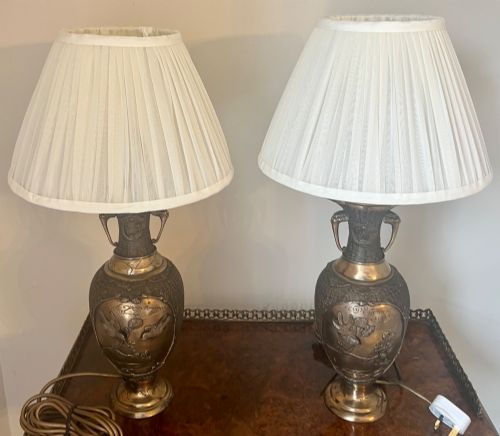
These meiji bronze urn pieces bring remarkable nineteenth-century Japanese metalwork into your home.
What a meiji bronze urn is
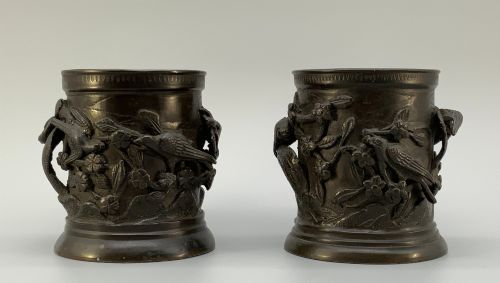
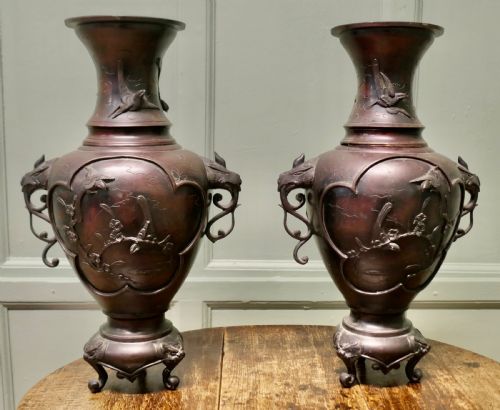
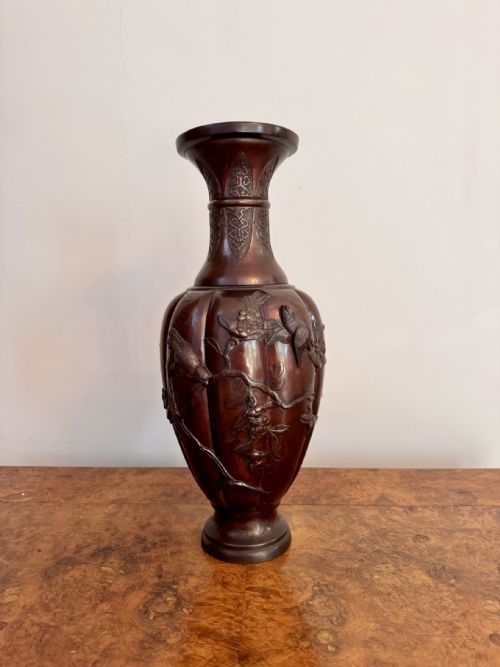
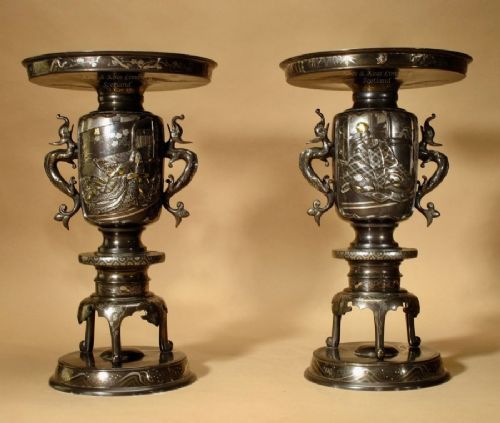
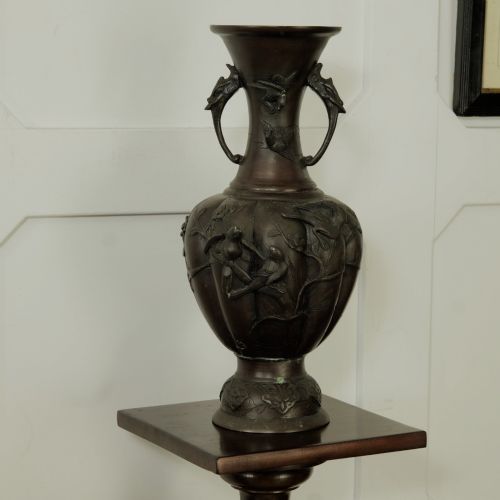
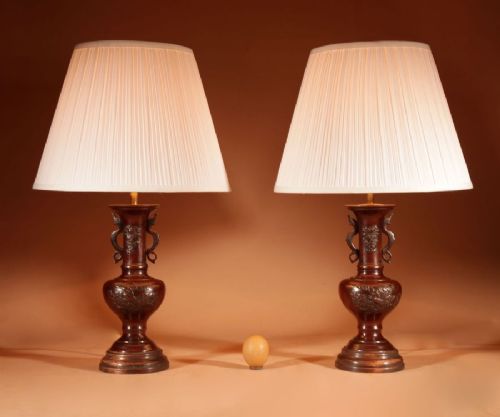
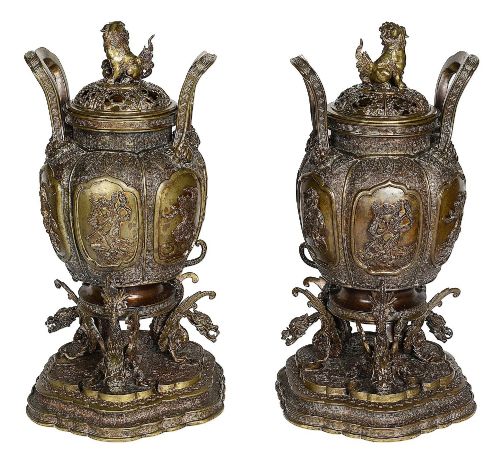
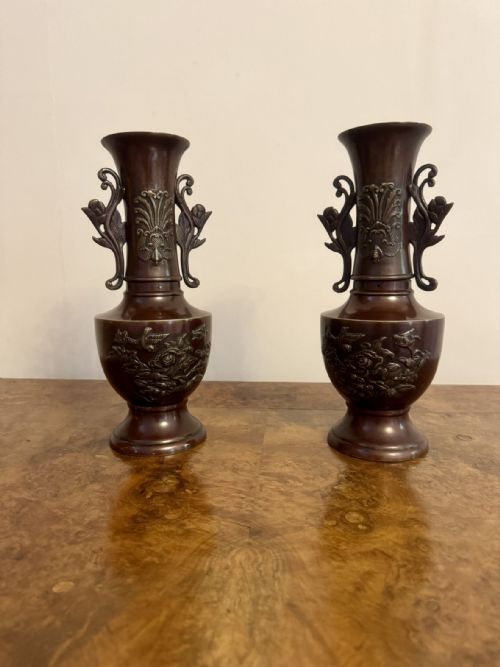
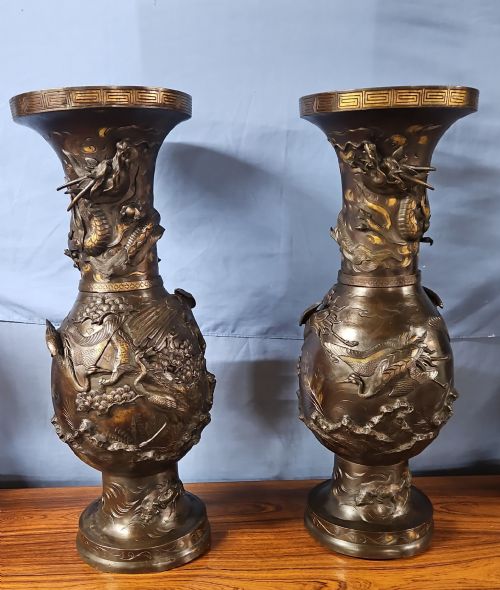
When you search for a meiji bronze urn, you are looking at nineteenth-century Japanese metalwork from the Meiji period, which spans the late nineteenth century up to nineteen hundred. These pieces encompass garden urns, planters, temple vessels, and vases, alongside incense burners known as koro.
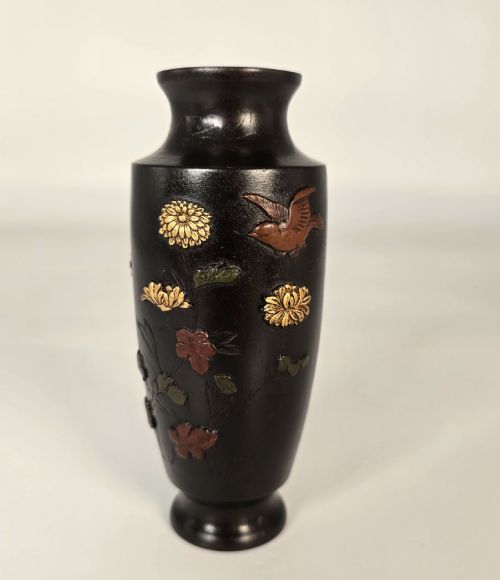
The versions you are most likely to meet on this page date from the late nineteenth century and around nineteen hundred. They range from large garden temple vessels to smaller mixed metal vases and detailed animal incense burners.
The spectrum of quality
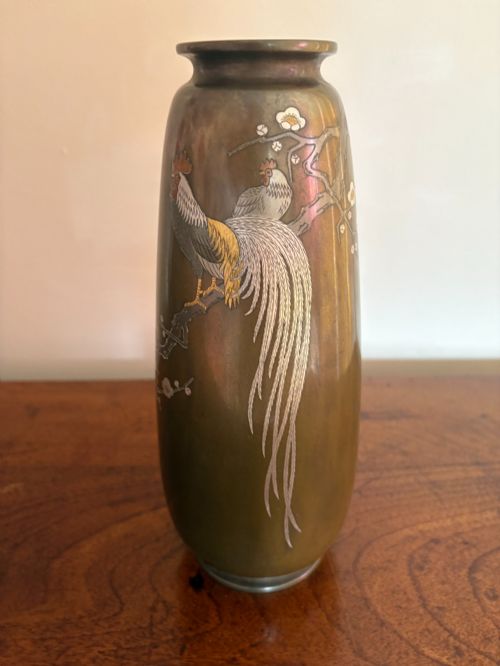
Quality in these items depends on the precision of the casting and the complexity of the surface ornamentation. Finer examples display meticulous mixed metal inlay and carefully controlled patination rather than simple, uniform surfaces.
The standing of the maker and the depth of sculptural detail separate standard production from exceptional works. Monumental scale and the incorporation of multiple precious metals elevate certain pieces significantly.
Retail Price Guide 2026
Typical UK retail prices for meiji bronze urn, calculated from the Sellingantiques database of over a million retail prices indexed since 2003. This retail price guide relies exclusively on Sellingantiques data; no external sources or auction records are used, so the figures do not describe the wider market.
The recorded object forms include vases, garden urns and planters, incense burners, and temple lions.
Genryusai Seiya·Masahiko Katori·Daimei Noritoku
The Meiji Bronze Urn Glossary
- Meiji Period
- The era in Japanese history from eighteen sixty-eight to nineteen twelve, characterised by openness to Western trade and a flourishing of decorative arts. This period produced the vast majority of antique Japanese bronzes found on the market today.
- Koro
- A traditional Japanese incense burner, often featuring a fitted cover and supported by three or more feet. These vessels frequently take the form of mythical beasts or natural subjects.
- Patinated Bronze
- Bronze that has been chemically treated to produce a stable surface colour ranging from deep brown to black or greenish tones. This finish protects the metal and enhances sculptural definition.
- Mixed Metal
- The combination of different metallic elements, such as gold, silver, and copper, applied to a bronze base. This technique creates contrasting colours and highlights specific details in the design.
Frequently Asked Questions
How do I identify a meiji bronze urn?
Look for nineteenth-century Japanese styling, typically featuring bronze or patinated bronze construction with distinct Meiji period characteristics. Many pieces incorporate mixed metal elements, enamel, or intricate cast ornamentation.
Examine the form and surface decoration to determine whether the object functions as a vase, garden planter, or incense burner. The integration of traditional motifs helps confirm the period of origin.
How were mixed metal bronzes made?
Artisans used bronze as the primary structural material, then applied contrasting metals such as gold, silver, and copper to the surface. This involved inlay techniques and chemical patination to create multi-coloured visual effects.
The resulting objects combined structural casting with delicate surface detailing.
How do I care for a bronze urn?
Keep the bronze clean by dusting it gently with a dry, soft cloth to prevent particulate buildup. Avoid using commercial metal polishes, which can strip away the historic patina.
Position the piece away from direct sunlight and excessive moisture to preserve the original surface finish.