
Antique Japanese Bronzes
Antique Japanese bronzes are substantial works of metalwork and sculpture, prized for their exceptional casting and surface patination.
What antique Japanese bronzes are
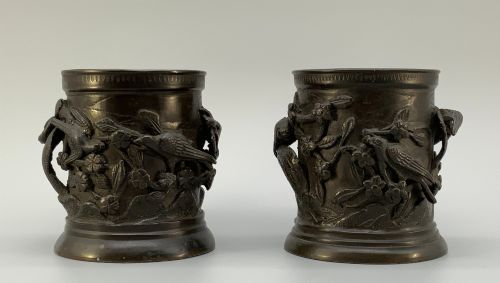
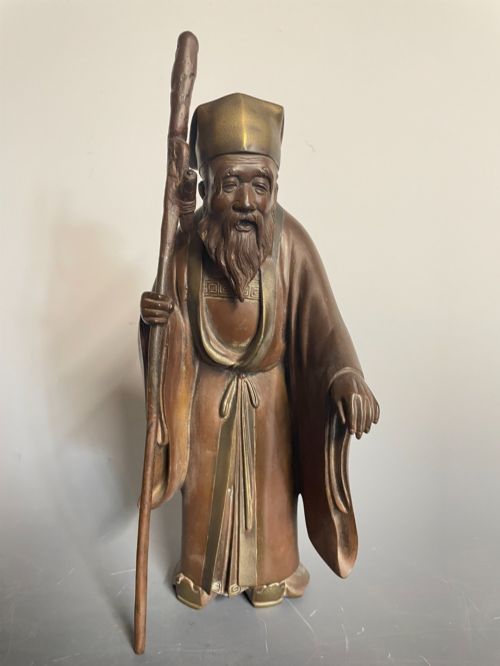
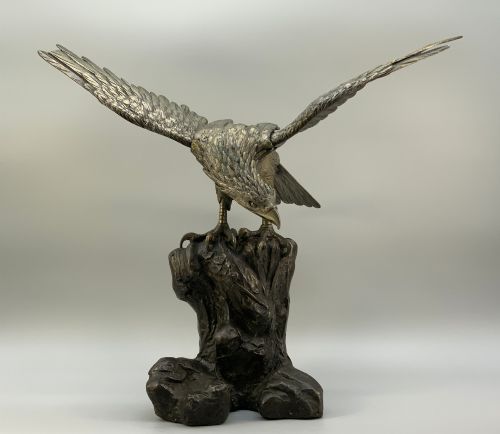
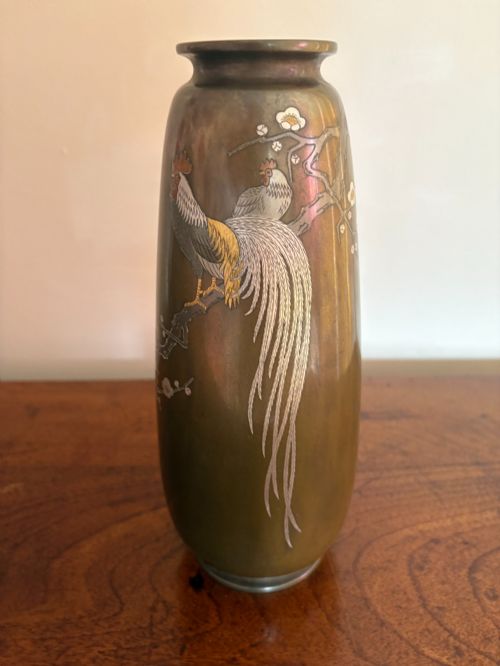
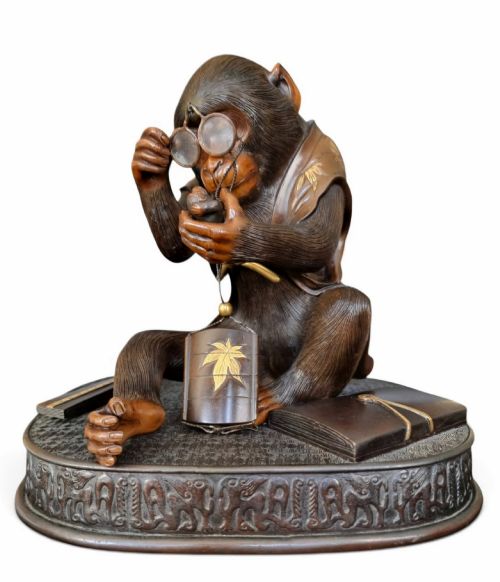
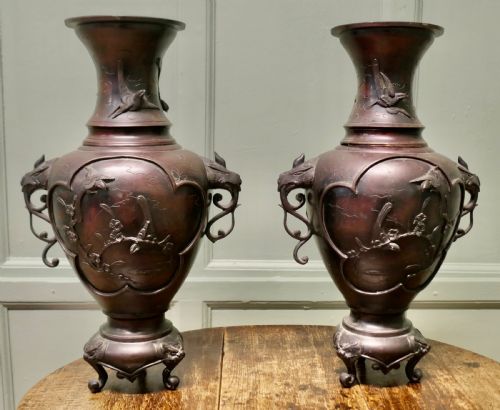
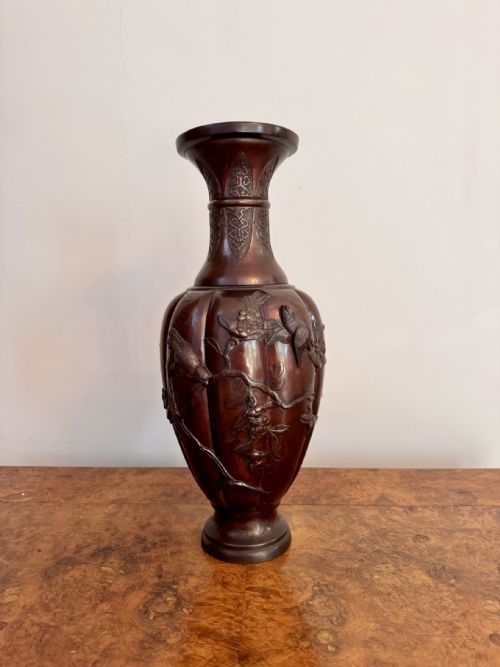
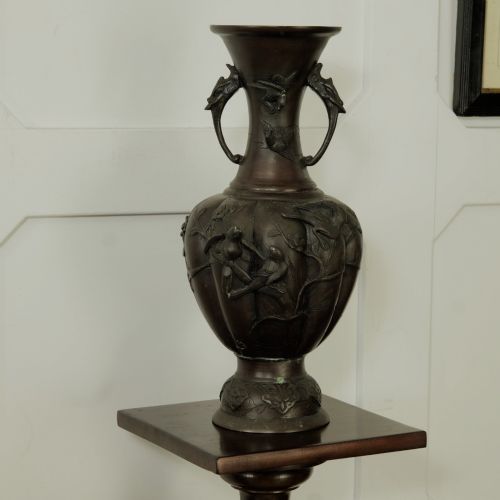
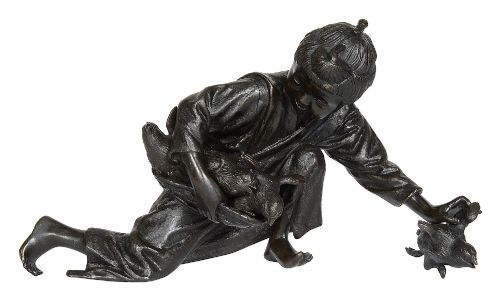
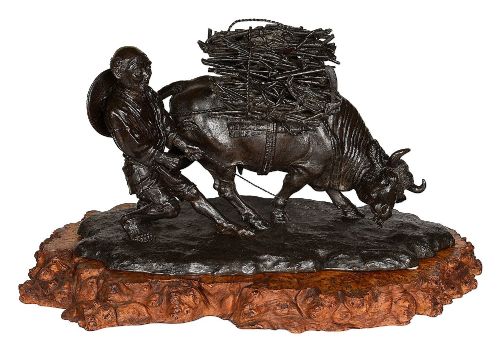
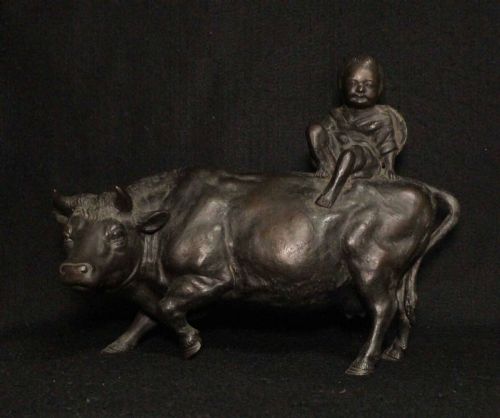
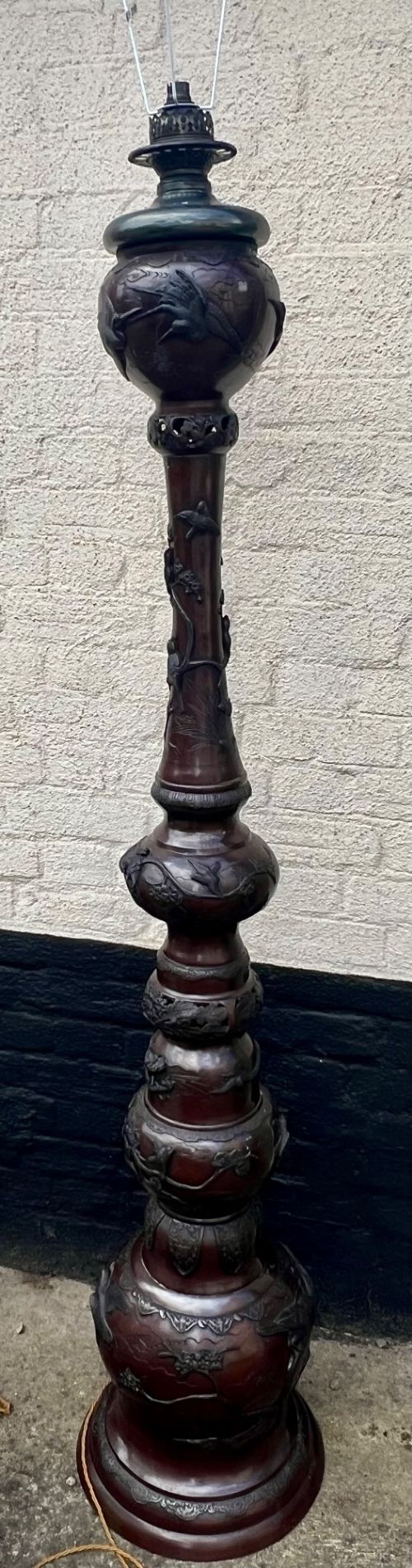
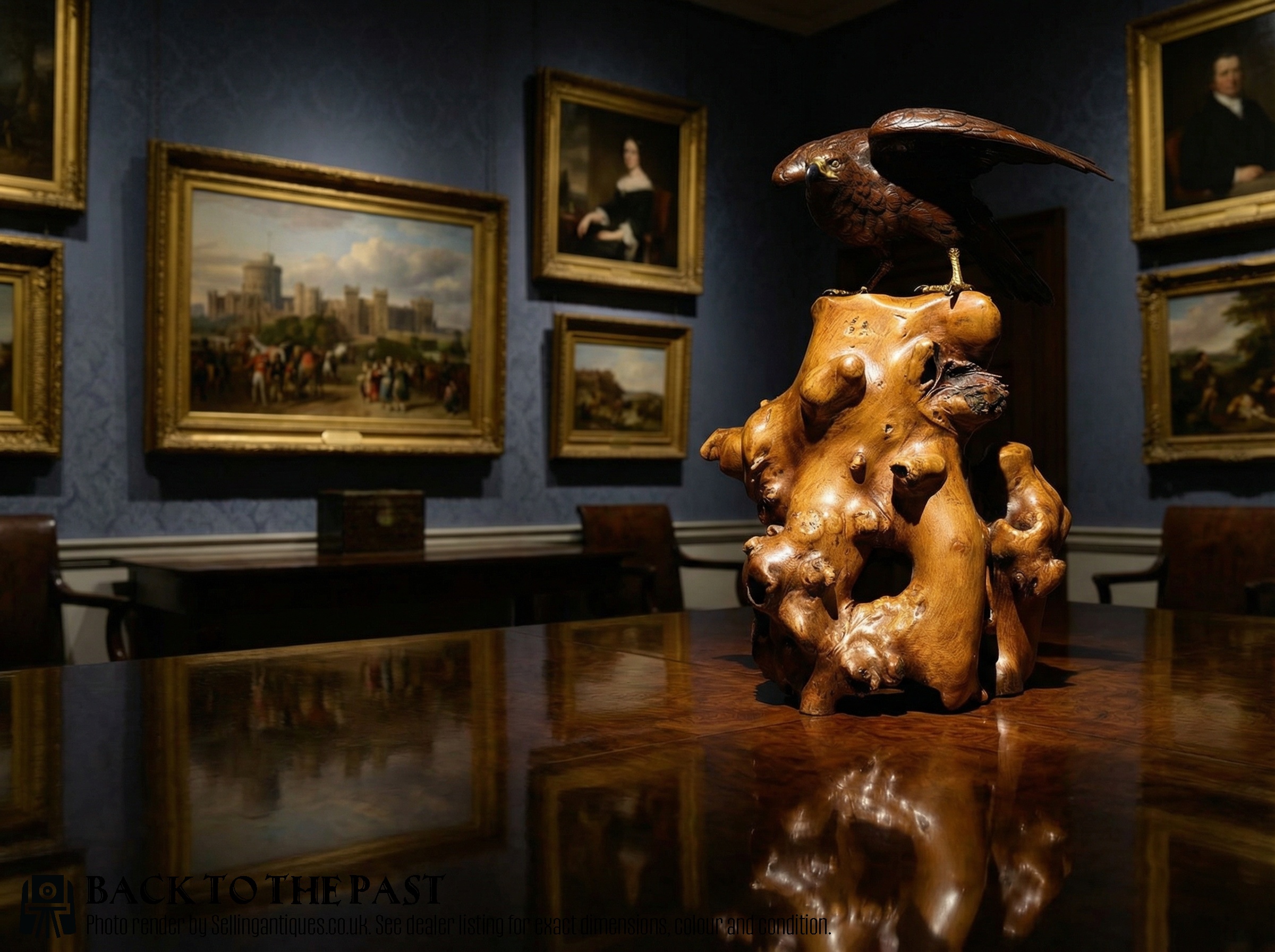
Antique Japanese bronzes encompass sculptural forms such as hawks, eagles, horses, and buffalo, alongside large decorative vases. These pieces predominantly date from the Meiji period, spanning the nineteenth century into the early twentieth century.
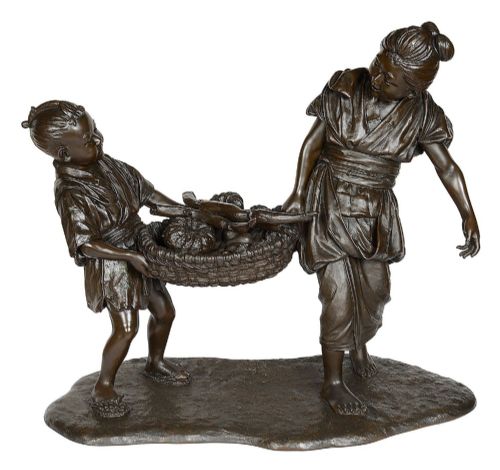
Collectors encounter both figural okimono and functional vessels within this category. The sculptures often depict animals and figures rendered with intense observation of natural detail.
The objects originate from Japanese metalworking traditions that flourished during the late nineteenth century. Master craftsmen utilised sophisticated techniques to capture dynamic poses in bronze.
How they were made
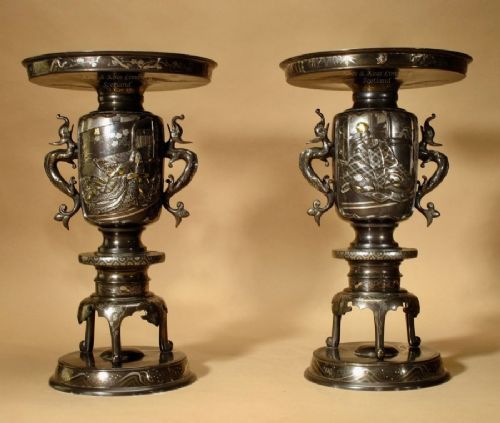
The pieces are cast in bronze, frequently incorporating mixed metal elements, gold inlay, and silver inlay. Artisans also combined the metal with organic materials such as burr wood and rootwood for bases or structural components.
Surface finishes include patinated bronze and applied gilt work to heighten textural contrast. Metalworkers inlaid precious metals into the bronze surface to delineate fine patterns and details.
Retail Price Guide 2026
Typical UK retail prices for japanese bronzes, calculated from the Sellingantiques database of over a million retail prices indexed since 2003. This retail price guide relies exclusively on Sellingantiques data; no external sources or auction records are used, so the figures do not describe the wider market.
What varies in quality
Quality in these bronzes rests upon the precision of the casting and the finesse of the surface detailing. Finer works display meticulous articulation of feathers, musculature, and inlaid patterns.
Pieces bearing the mark of recognised makers demonstrate superior mastery of proportion and patination. The integration of mixed metals and organic materials also distinguishes the finer examples from standard production.
Genryusai Seiya·Kunio Itô·Shosai
The Antique Japanese Bronzes Glossary
- Okimono
- A Japanese ornamental statue or sculpture designed for display on a shelf or in a tokonoma alcove. These independent art objects focus on naturalistic subjects.
- Patinated bronze
- Metal that has been treated chemically or thermally to produce a specific surface colour and tone. This process protects the bronze while enhancing its visual depth.
- Mixed metal
- An alloy composition or combination of distinct metals within a single object, such as bronze paired with silver and gold inlay.
- Meiji period
- The era of Japanese history lasting from eighteen sixty-eight to nineteen twelve, noted for the opening of trade and the export of high-level decorative arts.
Frequently Asked Questions
What is an okimono?
An okimono is a standalone decorative sculpture designed for interior display.
These pieces typically depict animals, figures, or natural motifs.
How do I date these bronzes?
Dating relies on stylistic markers associated with the Meiji period and the nineteenth century.
Makers' signatures and specific casting techniques also help establish the chronology.
What materials are used?
The primary material is bronze, often enhanced with gold and silver inlay.
Some sculptures incorporate mixed metals alongside organic supports like rootwood.
How should I clean bronze?
Bronze surfaces require minimal intervention to preserve the original historic patination.
Dusting gently with a dry, soft cloth is generally sufficient.