

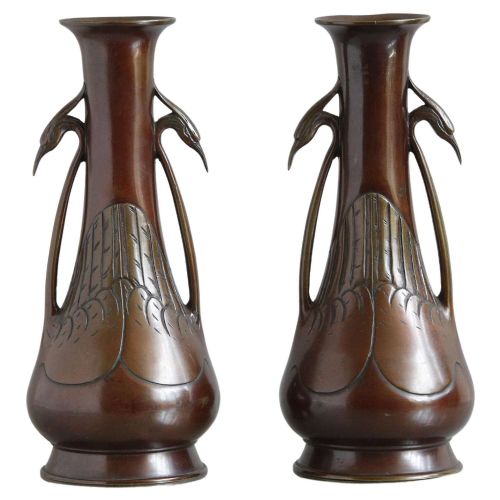


Japanese Metalwork Vase
A Japanese metalwork vase brings intricate Meiji period craftsmanship into a room through bronze, enamel, and mixed metal forms.
Japanese Metalwork Vase
A Japanese metalwork vase typically appears in forms dating from the nineteenth and early twentieth centuries, spanning the Meiji period and related eras.
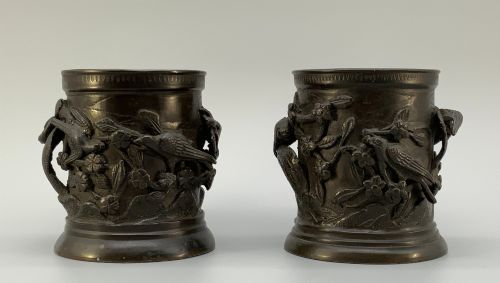
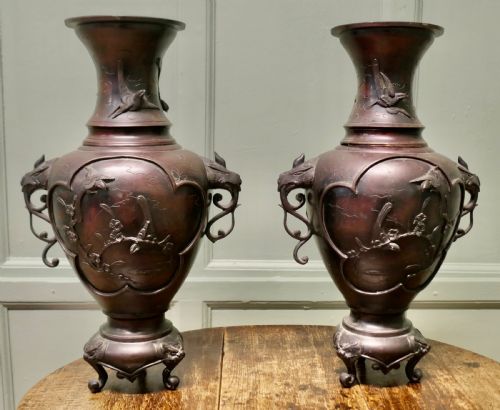
The pieces encountered most frequently on this page are bronze vases and pairs, alongside cloisonne enamel examples and mixed metal creations.
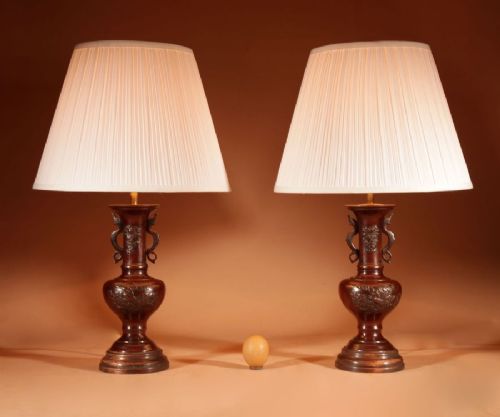
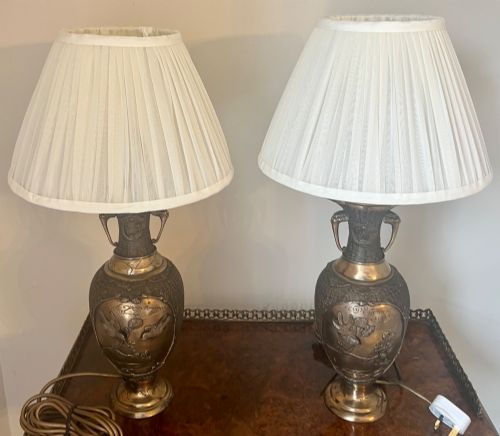
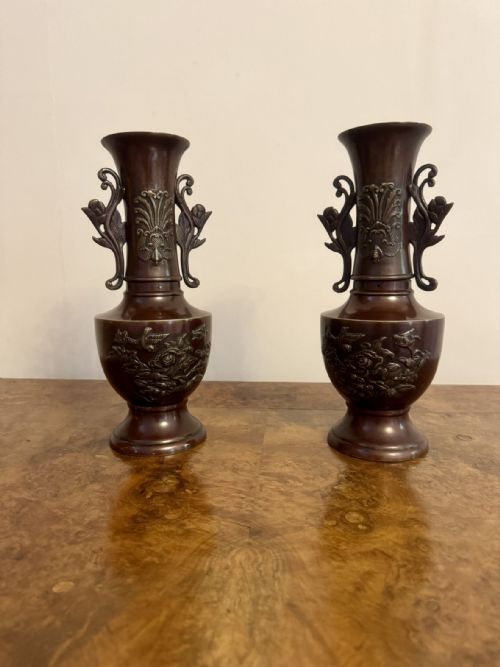
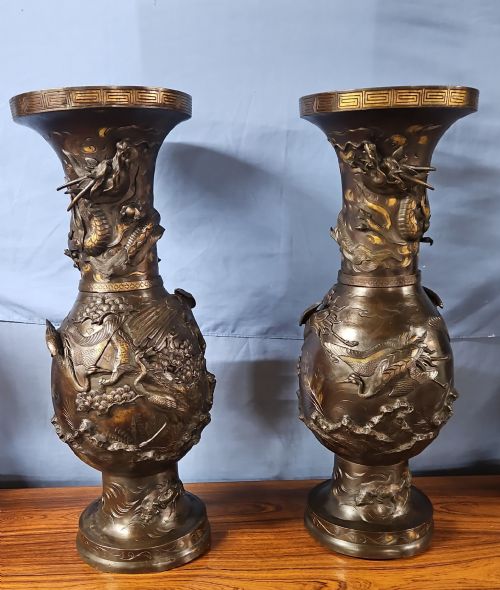
Objects range from small baluster urns and stem vases to large palace vases and table lamps incorporating handles shaped as birds or figures.
Materials and Technique
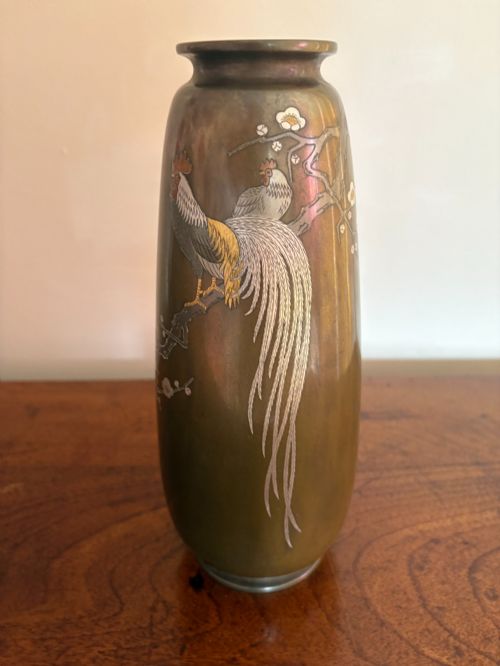
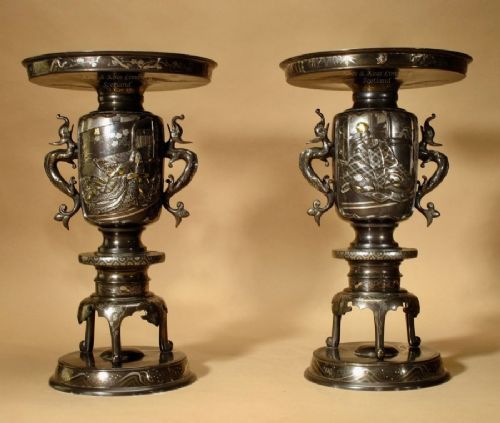
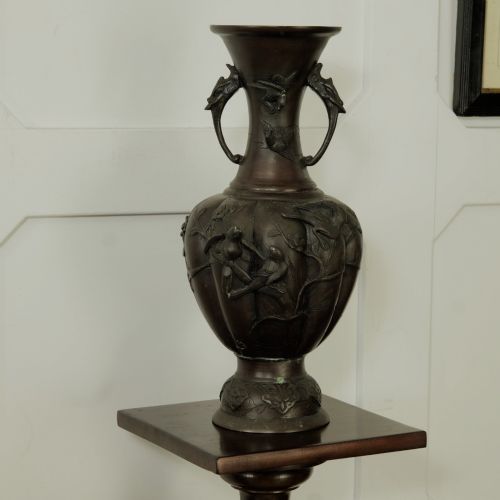
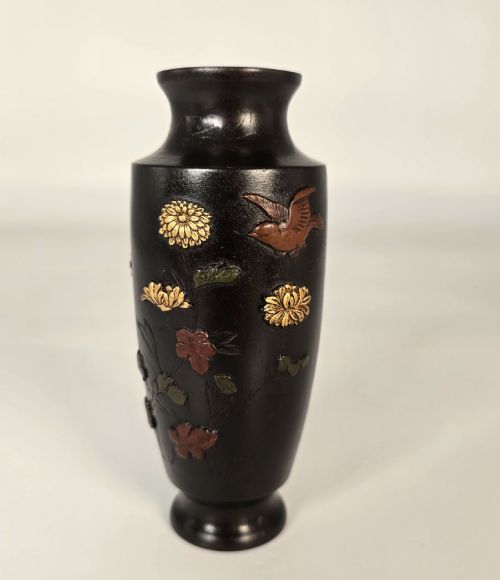
Craftsmen shaped these vessels primarily from bronze, copper, and brass, often applying a patinated finish or incorporating silver, gold, and other metals in mixed metal compositions.
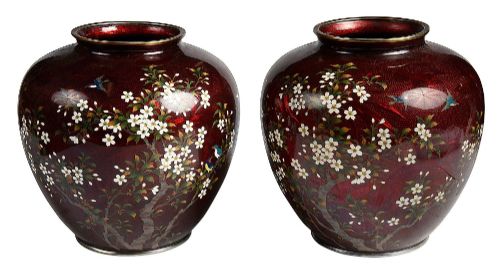
Cloisonne examples utilise silver wire to create cells filled with enamel, including ginbari and basse-taille techniques that reveal patterned foils beneath red enamel.
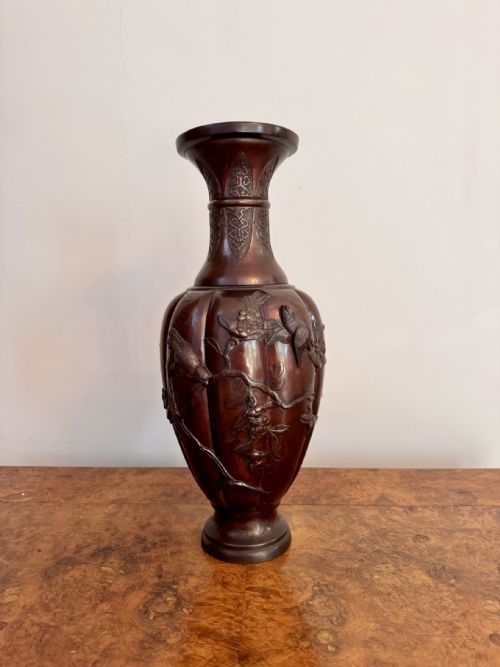
Decoration includes raised floral and bird details, inlaid motifs, and cast elements such as dragons and egrets.
Japanese Metalwork Vase Retail Price Guide 2026
Typical asking prices for japanese metalwork vase among the pieces listed under this phrase on Sellingantiques today, from the lower quarter to the upper quarter. They describe what is for sale here now, not the wider market.
Egrets and koi fish often double as structural handles or guard the rims of these heavy metal vessels.
Craftsmanship and Detail
Distinction across the range rests on the precision of the casting, the complexity of mixed metal inlays, and the fineness of the wirework in enamel pieces.
Mastery is evident in the sharpness of relief decoration, such as birds, blossoms, and carp, and the depth achieved in patination and coloured enamels.
KANASAWA·Ando Jubei
The Japanese Metalwork Vase Glossary
- Meiji Period
- The era spanning 1868 to 1912 in Japan, known for opening trade with the West and producing highly detailed metalwork and cloisonne. Much of the decorative bronze available originates from these decades.
- Cloisonne
- A technique where metal wire is soldered to a base to form cells, which are then filled with enamel paste and fired. This method creates intricate patterned designs across the surface of the vessel.
- Mixed Metal
- An approach combining bronze, copper, brass, silver, and gold on a single body to create contrasting tones and pictorial details. Craftsmen used various alloys to render natural subjects like birds and flora.
- Patinated Bronze
- Bronze treated with chemicals or heat to alter its surface colour and finish. This process creates rich dark tones or aged patinas that highlight the underlying metal.
- Ginbari
- A Japanese enamelling technique featuring a textured metal foil applied beneath translucent coloured enamel. It produces a shimmering, patterned background behind floral or avian motifs.
Japanese Metalwork Vase: Frequently Asked Questions
How do I identify a Meiji period vase?
Meiji period vessels are typically characterised by heavy bronze casting, intricate mixed metal inlay, or detailed cloisonne work. Many pieces from this era incorporate naturalistic motifs such as birds, flowers, dragons, and carp.
Signatures or marks found on the base can sometimes provide further context regarding the maker or workshop, though unsigned examples remain common.
What is the difference between bronze and mixed metal vases?
A standard bronze vase relies on a single cast metal body with surface patination or relief carving for its visual texture. Mixed metal examples incorporate distinct inserts of copper, silver, gold, and brass directly into the bronze.
This secondary technique creates multicoloured pictorial scenes depicting flora and fauna without relying solely on paint or enamel.
How should I clean an antique bronze vase?
Antique bronze requires gentle dusting with a soft, dry cloth to preserve the original patination. Avoid using water, polishes, or chemical cleaners, as these can strip away historic finishes and damage the metal.
For cloisonne or enamel sections, a dry microfiber cloth is sufficient to remove surface debris safely.