
Asian Metalwork Vessel
An asian metalwork vessel brings centuries of master craftsmanship into a room, offering tactile connection to ancient rituals and decorative arts.
Asian Metalwork Vessel
When you search for an asian metalwork vessel, you encounter a diverse range of objects designed for utility, ritual, or display. These pieces span centuries of production across Chinese and Japanese workshops, encompassing various utilitarian and ceremonial forms.
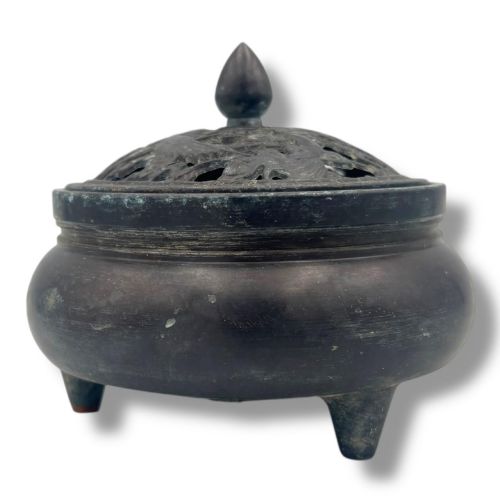
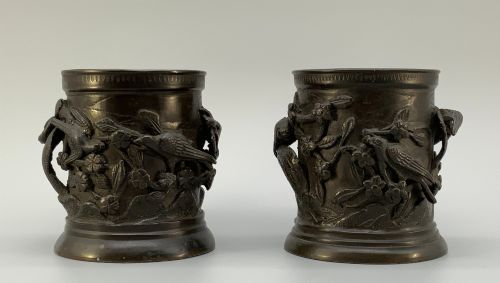
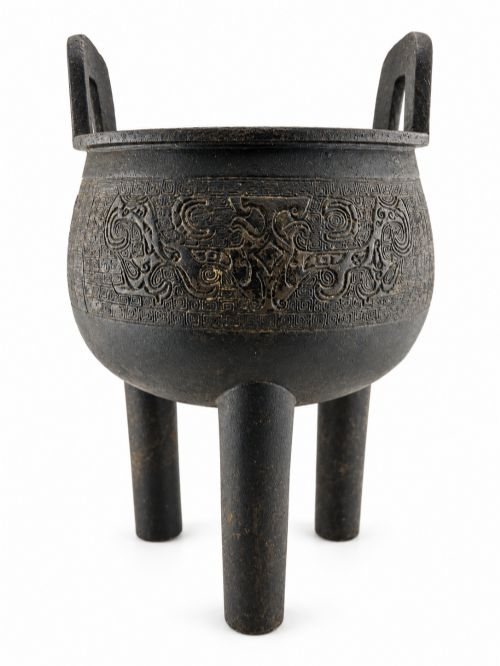
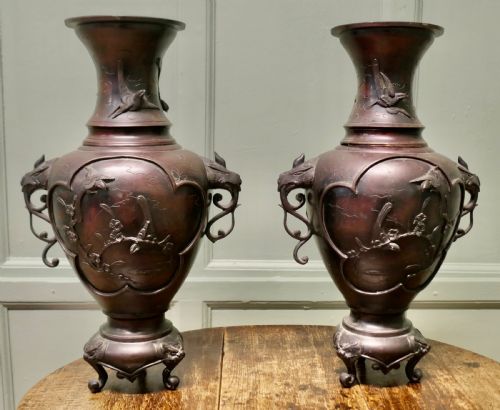
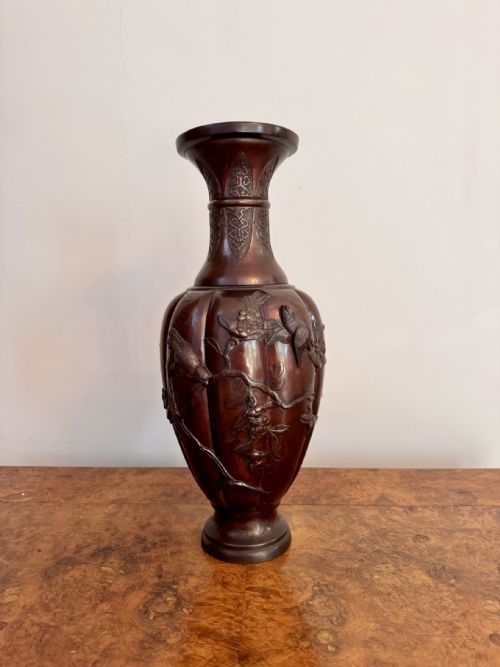
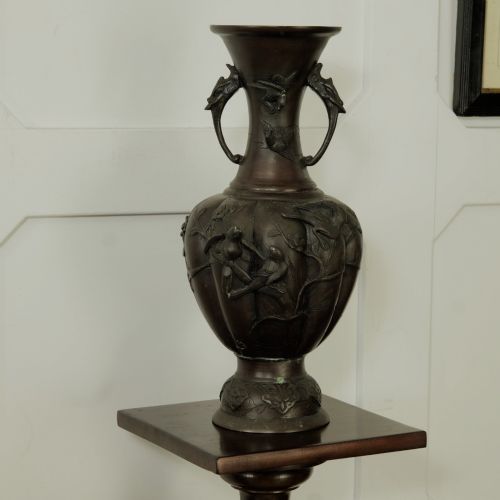
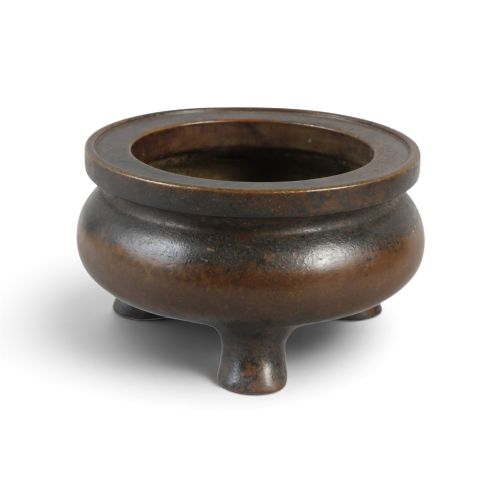
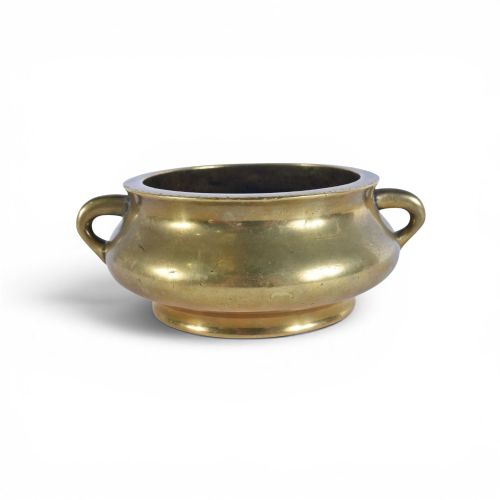
The versions most frequently met on this page are Chinese bronze tripod censers from the Qing dynasty and Japanese bronze vases from the Meiji period. Scholars' items, ritual wine vessels, and decorative bowls also appear alongside these primary forms.
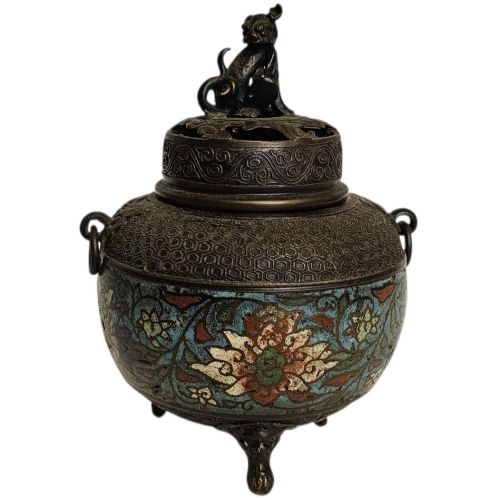
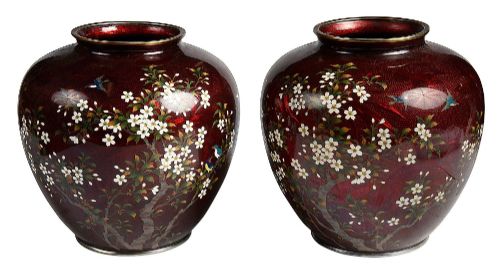
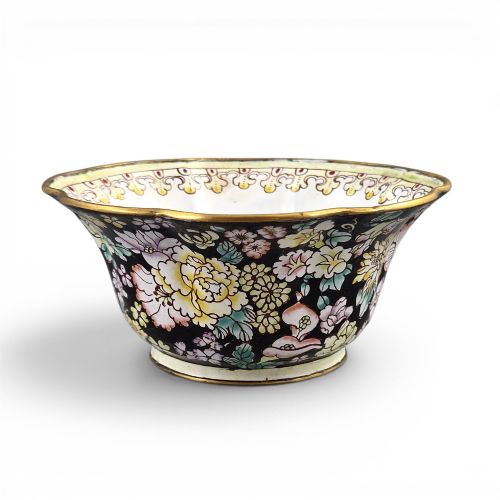
Objects range from heavily cast archaistic pieces bearing archaic motifs to delicate cloisonne enamel vessels and patinated copper bowls. Each item reflects the distinct aesthetic priorities of its period of origin, from Ming dynasty restraint to Meiji era naturalism.
Materials and methods of manufacture
Makers utilised bronze, brass, and copper as the primary metallic substrates, often shaping them through lost-wax casting or hammering. Heavy casting resulted in substantial pieces designed for ritual use, whilst thinner vessels allowed for intricate surface manipulation.
Surface decoration frequently involved cloisonne and champleve enamel work, where metal wires or recesses held vitreous pastes fired to brilliant colours. Patination techniques achieved rich, dark tones on bronze surfaces through chemical treatments and controlled oxidation.
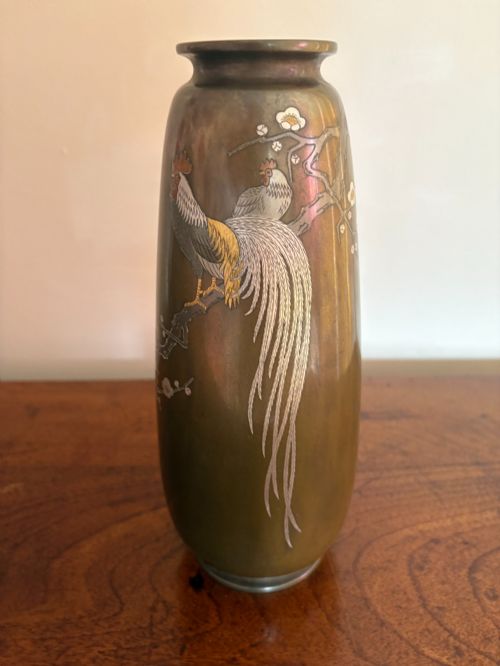
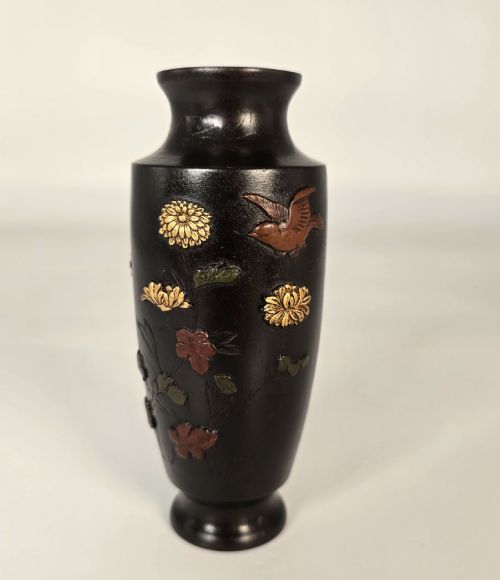
Inlay work incorporated silver and other contrasting metals into the bronze matrix, creating detailed depictions of birds, blossoms, and geometric patterns. Artisans also applied gilt finishes to highlight specific design elements on ritual vessels and scholar's desk items.
Asian Metalwork Vessel Retail Price Guide 2026
Typical asking prices for asian metalwork vessel among the pieces listed under this phrase on Sellingantiques today, from the lower quarter to the upper quarter. They describe what is for sale here now, not the wider market.
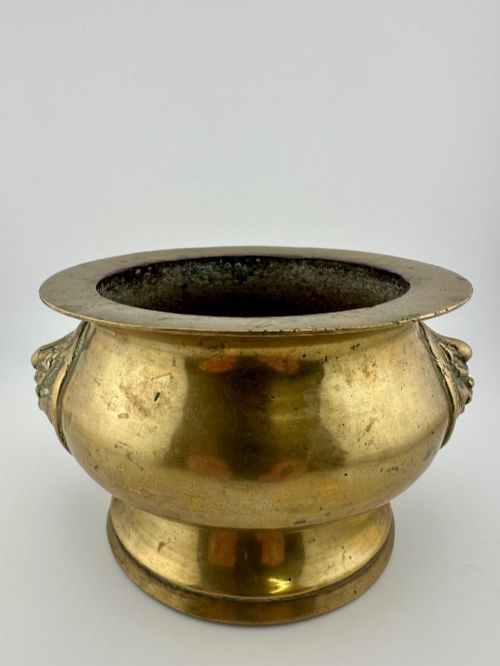
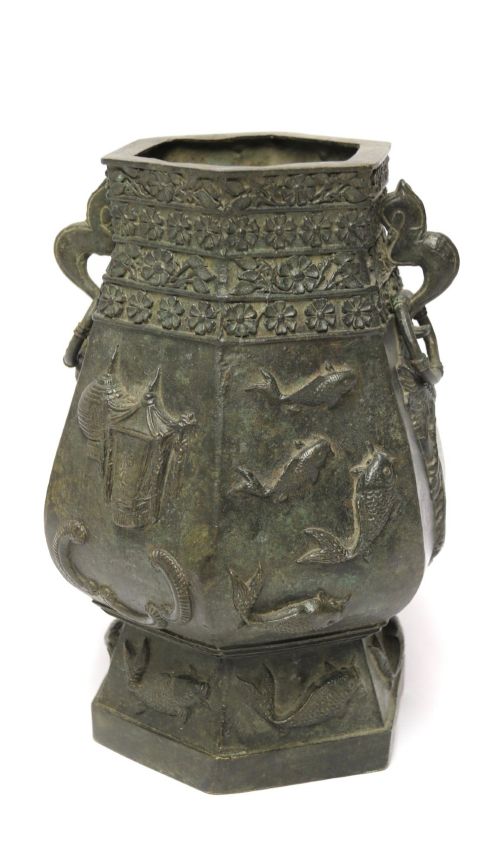
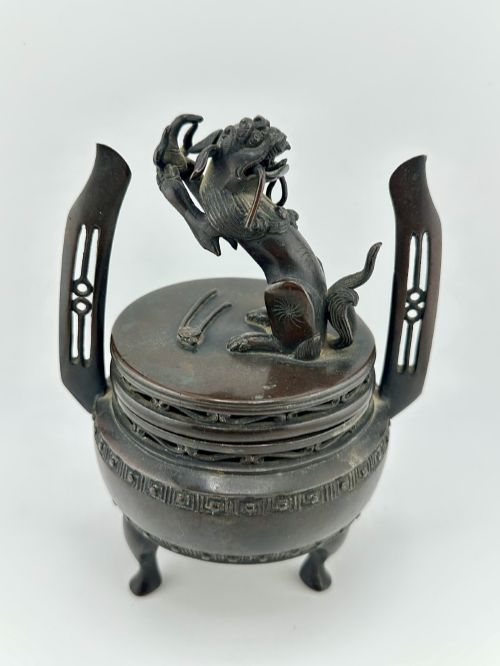
Form variations include tripod censers with dragon handles, hexagonal vessels, baluster urns, and open jardiniere dishes.
Distinctions in quality and execution
The integrity of the casting marks the boundary between standard production and superior work. Finely cast vessels display crisp relief on taotie masks and dragon handles without surface pitting or structural weakness.
The precision of surface ornamentation dictates the standing of a piece. In cloisonne and inlaid vessels, exact wire placement and smooth enamel polishing separate master craftsmanship from commercial output.
Weight and balance indicate the material substance employed by the workshop. Heavier scholar's censers and ritual vessels demonstrate a commitment to substantial metal gauge rather than hollow economy.
KANASAWA·Wu Bangzuo
The Asian Metalwork Vessel Glossary
- Censer
- A vessel designed for burning incense during ritual or scholarly pursuits. These pieces often feature tripod supports and pierced lids.
- Archaistic
- A style that consciously emulates the forms, motifs, and patination of ancient bronzes from earlier dynasties. Makers used this aesthetic to link their work to historical antiquity.
- Cloisonne
- A decorative technique where flat metal wires are soldered to a metal base to create compartments filled with enamel paste. These are subsequently fired and polished flat.
- Patination
- The chemical or natural coloration developed on the surface of bronze and copper over time or through intentional treatment. This finish protects the metal and enhances visual depth.
Asian Metalwork Vessel: Frequently Asked Questions
How do I identify a Chinese bronze censer?
Chinese bronze censers typically feature three legs, twin handles shaped as lion masks or dragons, and often a pierced cover with a fu lion or qilin finial. Many carry Xuande or other studio marks on the base.
Examining the weight, patination, and casting quality helps determine the period and origin of the piece.
What distinguishes Meiji period Japanese bronze?
Meiji period Japanese bronze vessels frequently showcase naturalistic motifs such as birds, blossoms, and botanical scenes rendered with high precision. These pieces often incorporate mixed metal inlays and signature panels.
The dynamic surface decoration reflects the opening of Japanese craft to international exhibitions during the late nineteenth century.
How should I clean antique metal vessels?
Antique metal vessels require minimal intervention to preserve their historic patination and surface integrity. Dusting with a soft, dry cloth is usually sufficient.
Avoid commercial polishes or abrasive cleaners, as these strip away original patinas and damage delicate enamel or inlay work.
What is an archaistic bronze vessel?
Archaistic bronze vessels are later pieces created in deliberate imitation of ancient ritual forms, such as Shang and Zhou dynasty vessels. Makers utilised these archaic shapes and taotie motifs to honour historical Chinese metalwork traditions.
These objects combine older aesthetic vocabularies with the metallurgical techniques of the Qing dynasty or later periods.