
Bronze Decorative Vase
A bronze decorative vase brings weight and classical silhouette to a room, drawing the eye through rich patination and fine casting.
Bronze Decorative Vase
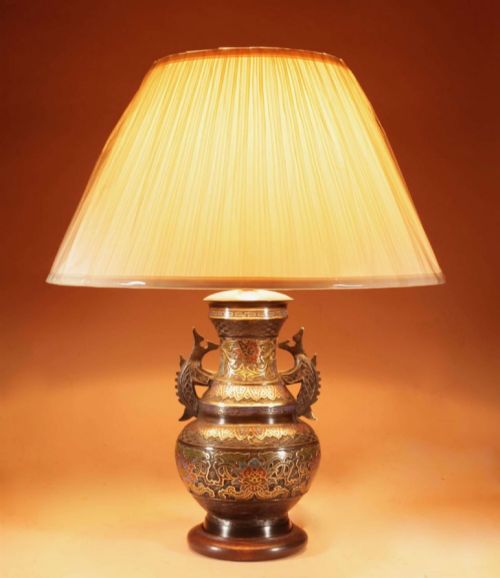
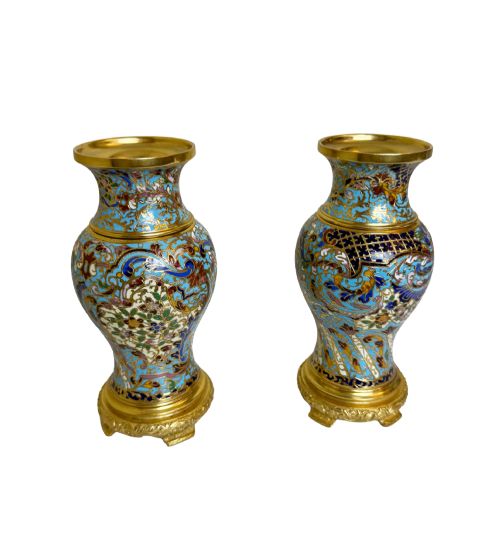
A bronze decorative vase encompasses cast metal vessels intended for display rather than utility, appearing frequently in nineteenth-century European and Japanese Meiji forms. Buyers searching for a bronze decorative vase encounter everything from Grand Tour classical reductions to elaborate champlevé and cloisonné mantel ornaments.
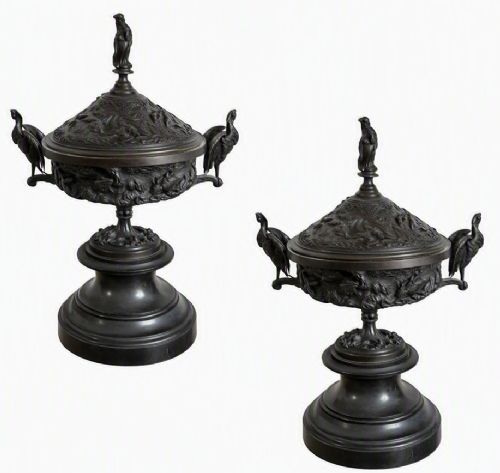
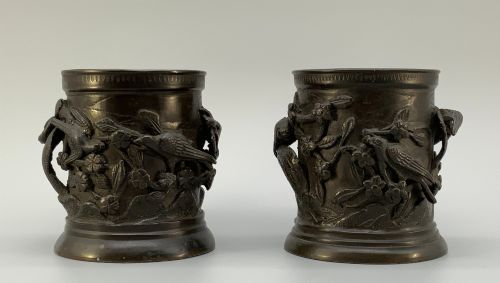
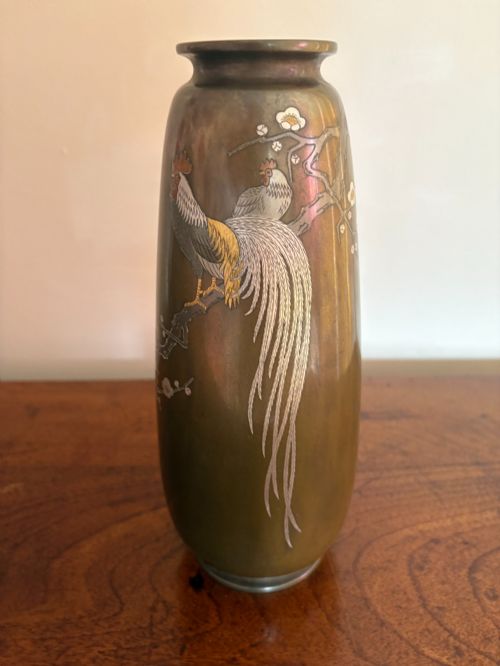
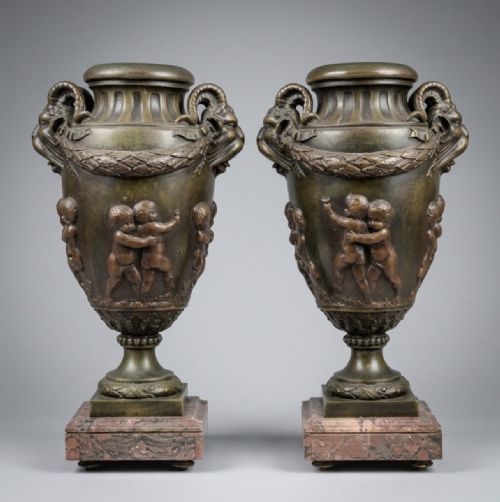
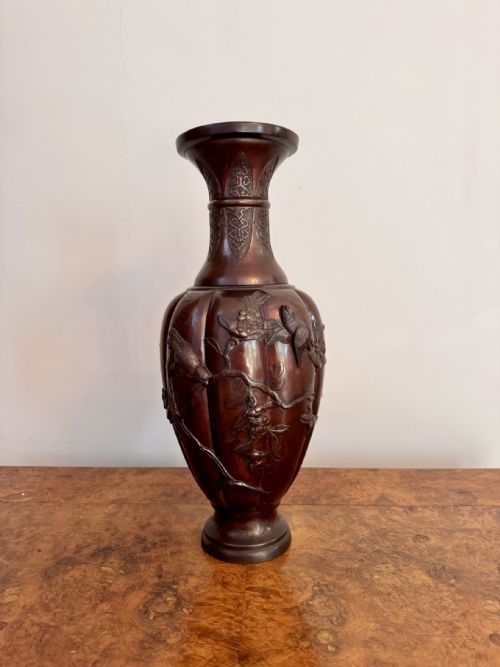
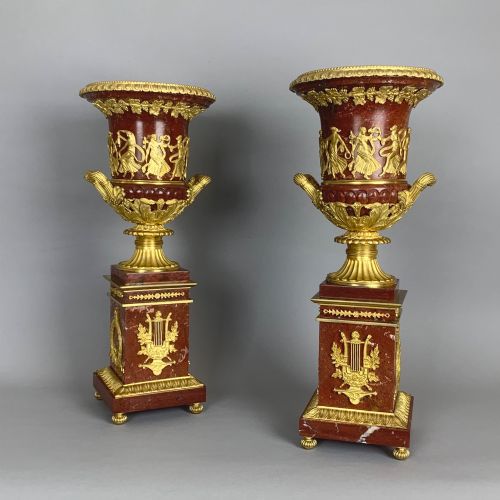
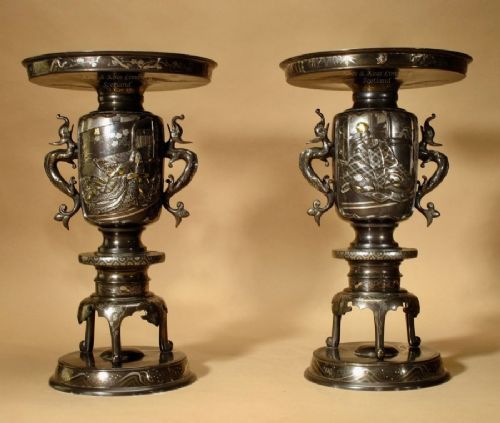
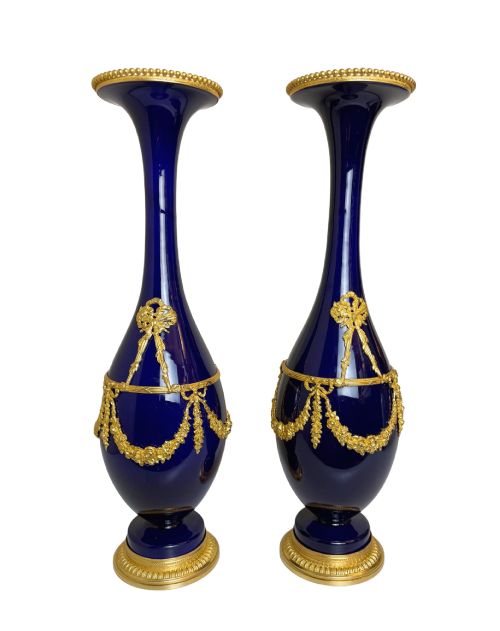
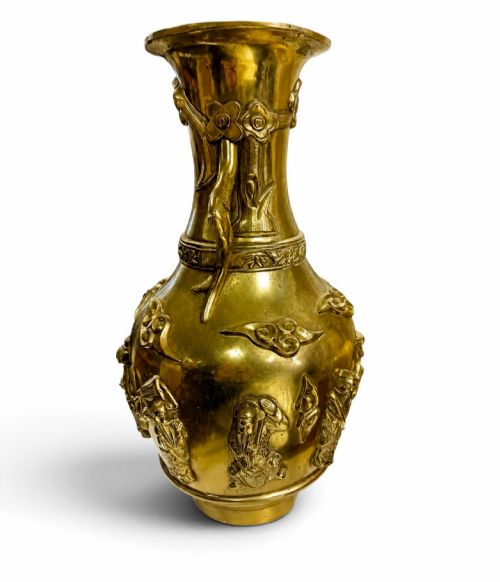
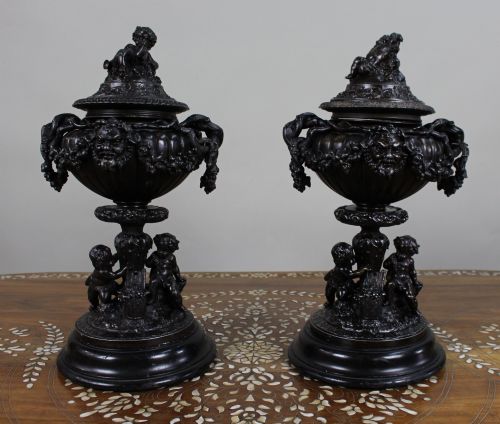
The selection ranges from French Empire and Rococo Revival ewers mounted on marble bases to Japanese bronze and mixed-metal vases decorated with high-relief birds and blossoms. French ateliers and Japanese workshops dominate the output, producing pairs of urns and baluster shapes intended for prominent placement in domestic interiors.
Materials and construction methods
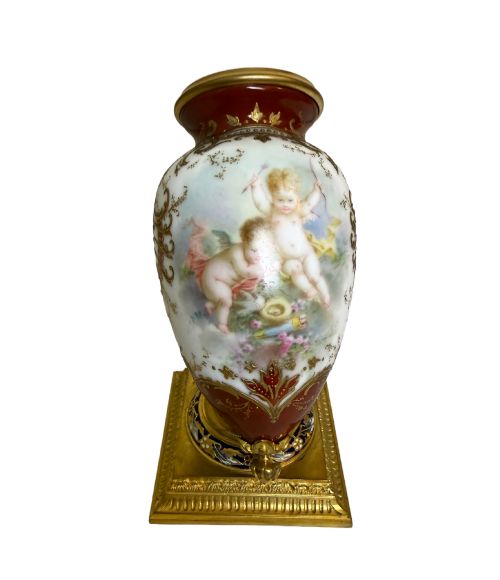
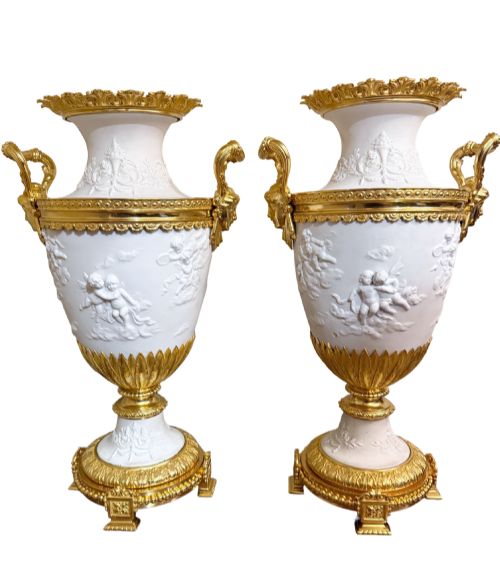
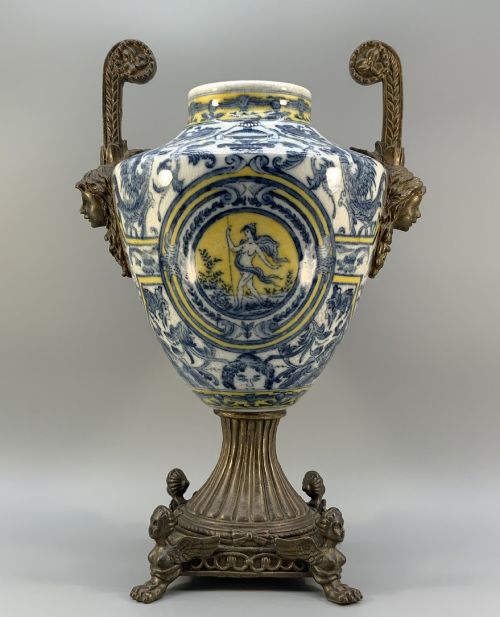
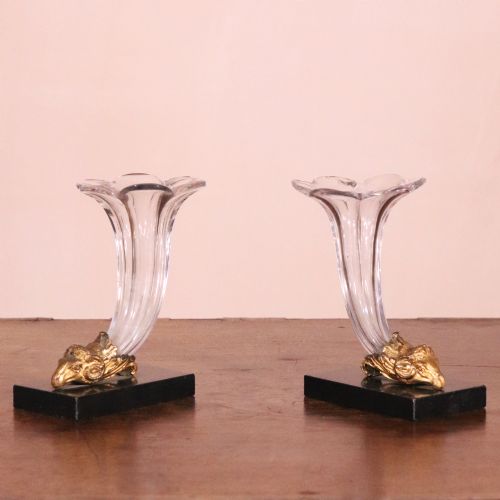
Foundries utilised traditional lost-wax casting and sand-casting techniques to shape copper alloys, finishing the metal with chemical patination, cold-chasing, or fire-gilding known as ormolu. Artisans combined bronze with contrasting elements such as Sevres porcelain, white onyx, marble bases, and coloured glass.
Japanese pieces often incorporate mixed metals, laying down silver and gold alloys in high-relief decoration depicting flora and fauna. European works frequently layer gilt bronze mounts onto ceramic bodies or carve detailed figural handles featuring classical motifs.
Bronze Decorative Vase Retail Price Guide 2026
Typical asking prices for bronze decorative vase among the pieces listed under this phrase on Sellingantiques today, from the lower quarter to the upper quarter. They describe what is for sale here now, not the wider market.
Listings feature nineteenth-century materials including patinated bronze, ormolu, champleve enamel, and Sevres porcelain.
Factors determining quality
The sharpness of the chased detail distinguishes superior castings from softer production, particularly in the rendering of feathers, foliage, and human figures. Crisp undercutting and intentional hand-finishing separate workshop pieces from mass-produced items.
The harmony of mixed materials also dictates merit, where marble plinths, enamel inlay, and porcelain bodies integrate seamlessly with the bronze structure rather than appearing disjointed. Weight, stability, and the depth of the chemical patina reflect the original maker's investment in materials.
Jules Moigniez·KANASAWA·NOGAWA
The Bronze Decorative Vase Glossary
- Ormolu
- Gilt bronze produced by applying a mercury and gold amalgam to a bronze base and heating it. This technique creates a durable, golden surface finish seen on French decorative pieces.
- Champlevé
- An enamelling technique where troughs are dug into the bronze surface and filled with vitreous enamel before firing. It creates vibrant coloured patterns across Japanese and European vessels.
- Patination
- The chemical or natural alteration of the bronze surface over time. A rich patina adds depth and character to the metal.
- Campana urn
- A bell-shaped vessel with a flared rim and footed base, modelled after ancient Roman pottery. These forms were frequently cast in bronze during the nineteenth century.
- Ewer
- A large jug with a wide spout and elaborate handle, designed originally for pouring water but utilised in the nineteenth century purely for display.
Bronze Decorative Vase: Frequently Asked Questions
How do I clean an antique bronze vase?
Dust the surface gently with a soft dry cloth to remove particle accumulation without disturbing the stable metal skin. Avoid liquid polishes, abrasive pads, or chemical cleaners that strip historical patination.
Allow the natural ageing of the alloy to remain intact, as aggressive cleaning diminishes the character of nineteenth-century metalwork.
Are these vases watertight for flowers?
Most historical decorative vessels feature construction methods or fitted interior components intended for display rather than holding water. Placing moisture directly inside risks damaging internal joins, enamel work, or accompanying ceramic bodies.
Utilise a concealed glass insert if fresh stems are required, protecting the antique structure from dampness.
What is a Grand Tour vase?
Grand Tour vases are miniature or reduced-scale bronze copies of famous antiquities visited by travellers on European educational journeys during the nineteenth century. Foundries in Italy and France produced these replicas for domestic display.
Popular subjects include the Warwick vase and the Albani vase, cast in patinated bronze or ormolu.
How do I distinguish Japanese Meiji bronze?
Japanese Meiji pieces often display distinct signature panels, mixed-metal inlay, and motifs featuring nature such as cockerels, carp, and chrysanthemums. The casting techniques reflect the transition of traditional samurai sword-fittings workshops into decorative art production.
Compare the high-relief detailing and copper-alloy colouration with European works of the same era.