




Art Nouveau Bronze Vase
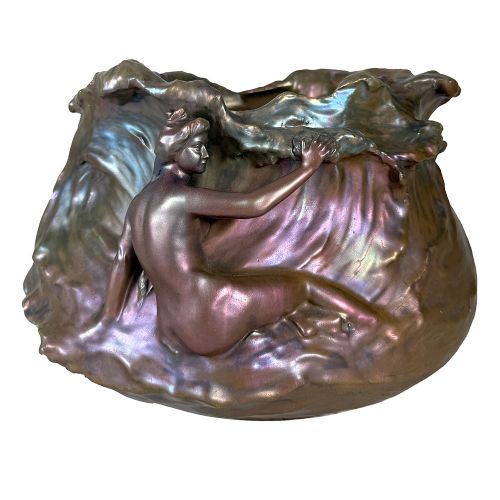
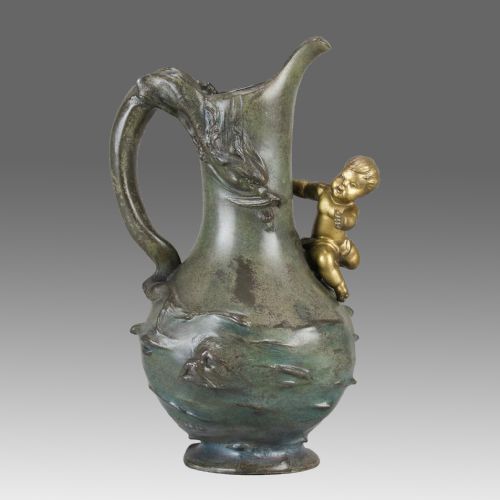
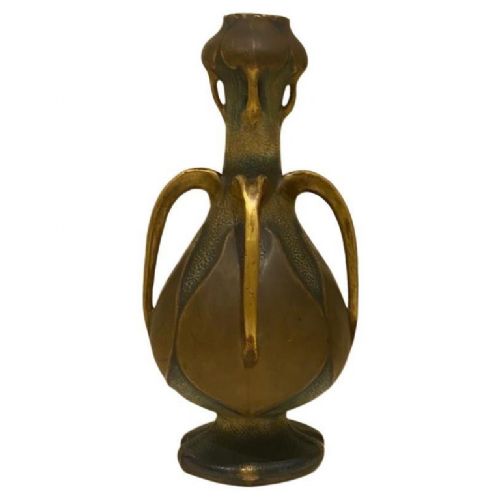
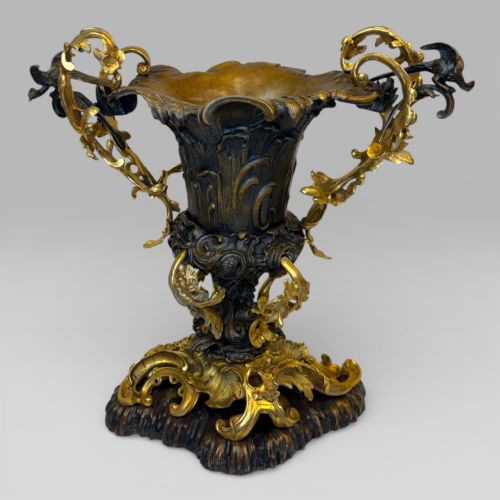
These art nouveau bronze vase pieces bring fluid organic lines and sculptural presence to a room, uniting metalwork with natural forms.
Art Nouveau Bronze Vase
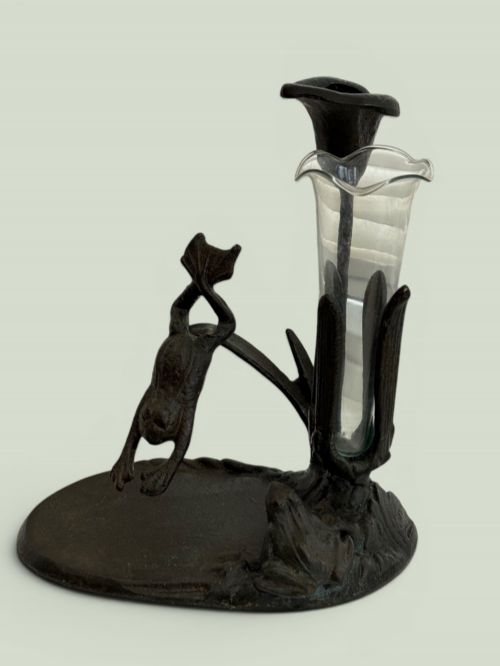
An art nouveau bronze vase combines organic motifs like water lilies, nymphs, and frogs with cast metal, often taking the form of baluster vases, flower holders, and figural vessels. When exploring this selection, buyers encounter pieces stretching from the nineteenth century into the twentieth century, alongside later reproductions and international influences.
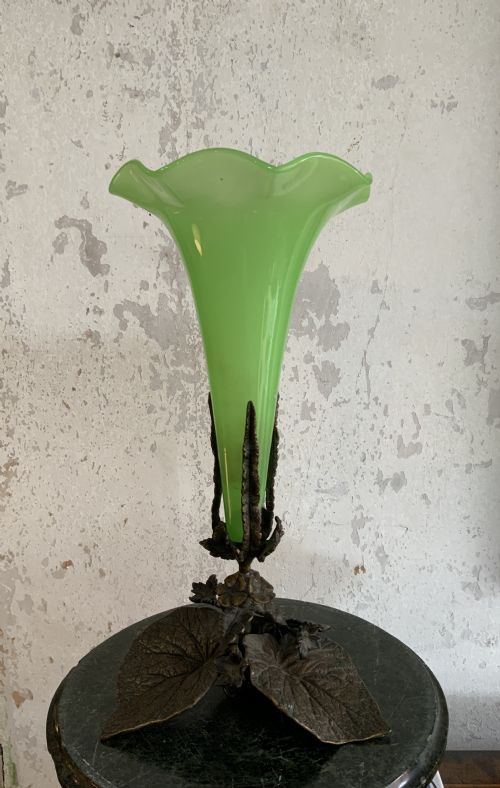
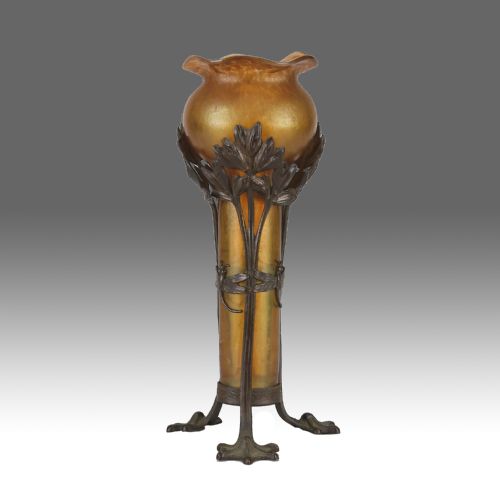
The objects span pure bronze castings, gilt bronze, and patinated finishes, frequently incorporating glass inserts such as uranium or iridescent glass. Alongside European makers, Japanese Meiji period mixed metal pieces appear, showing how distant craft traditions intersected with the continental style.
Materials and construction methods
Cast bronze forms the foundation of these vessels, utilising patination or gilding to alter the surface colour and tone. Artisans often combined the metal with blown glass components, creating dual-material epergnes and mounted vases.
Mixed metal techniques appear in Japanese Meiji examples, integrating contrasting metallic alloys into the body. Casting methods allowed for high relief modelling, capturing intricate details such as floral stems, water lilies, and figural mounts.
Art Nouveau Bronze Vase Retail Price Guide 2026
Typical asking prices for art nouveau bronze vase among the pieces listed under this phrase on Sellingantiques today, from the lower quarter to the upper quarter. They describe what is for sale here now, not the wider market.
Frog figures occasionally inhabit these bronze vessels, peering out from cast lily pads and floral mounts.
Distinctions in quality
The refinement of the casting and the depth of the chased surface details separate standard production from exceptional work. Sculptural elements like figural mounts and applied animal or human forms reveal the sculptor's hand more clearly in superior examples.
Integration between different materials, such as bronze mounts fitted to glass bodies, indicates the maker's precision. Signed works by documented sculptors and makers carry distinct artistic authority over unsigned utilitarian items.
Loetz·Charles Korschann·Jean Dunand·Georges Van De Voorde·Paul Dachsel·Henry Dasson
The Art Nouveau Bronze Vase Glossary
- Patinated bronze
- Bronze that has been chemically treated to alter its surface colour and finish. This process creates brown, green, or dark tones that highlight the sculptural relief.
- Epergne
- A tabletop centrepiece vessel designed with multiple branching holders for fruit or flowers. These often combine bronze frames with glass trumpets or bowls.
- Meiji period
- The era of Japanese history spanning from eighteen sixty-eight to nineteen twelve, noted for exceptional mixed metalwork and decorative arts. Objects from this period frequently crossed stylistic influences with European tastes.
- Baluster vase
- A vessel featuring a rounded body that tapers toward the base and swells near the lower centre. This traditional architectural profile provides stability for floral arrangements.
- Uranium glass
- Glass infused with uranium oxide to produce a vibrant yellow-green colour that glows under ultraviolet light. It appears in combination with bronze mounts in nineteenth-century decorative pieces.
Art Nouveau Bronze Vase: Frequently Asked Questions
How do I clean an art nouveau bronze vase?
Dust the surface gently with a soft, dry brush to prevent dirt buildup in the recessed cast details. Avoid harsh polishes and liquid cleaners that can strip the historic patina.
For pieces incorporating glass inserts, remove the glass component if possible before cleaning it separately with mild soapy water. Ensure the metal remains completely dry after any maintenance.
Where should I display an art nouveau bronze vase?
Place these sculptural vessels in spaces with stable humidity and away from direct, harsh sunlight to protect patinated surfaces. Freestanding tables, mantelpieces, and display cabinets offer safe elevations where the organic silhouettes can be viewed from multiple angles.
Consider the background wall colour to let dark patinated bronze or mixed metal tones stand out. Ensure the chosen surface is sturdy enough to support heavy cast metal objects.
Are these vases watertight for fresh flowers?
Many historical bronze vessels contain removable glass liners or inner containers designed to hold water safely. Placing water directly into unlined cast metal can damage the interior surface and affect the exterior patina over time.
Check the inner construction of the piece before adding liquid or fresh stems. If no liner is present, dry decorative grasses or artificial stems serve as a safer alternative.
How do I identify a Meiji period piece?
Look for distinct mixed metal alloys and intricate surface textures characteristic of Japanese craftsmanship from the late nineteenth or early twentieth century. These items often merge traditional Eastern metallurgy with European Art Nouveau floral motifs.
Examine the base and body for signature marks or specific patination techniques unique to Japanese workshops of the era. The weight and construction style differ noticeably from contemporary continental European foundry work.