

Pair Bronze Vases
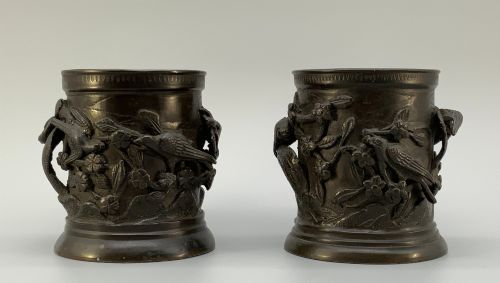
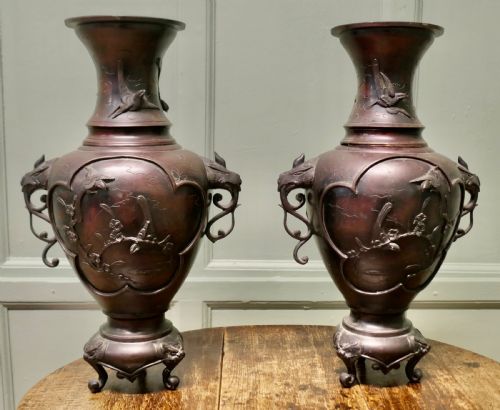
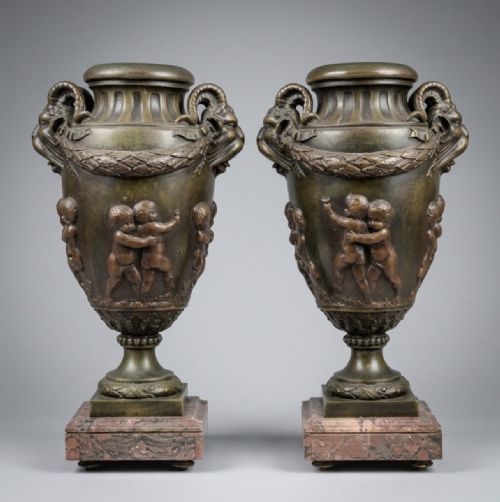
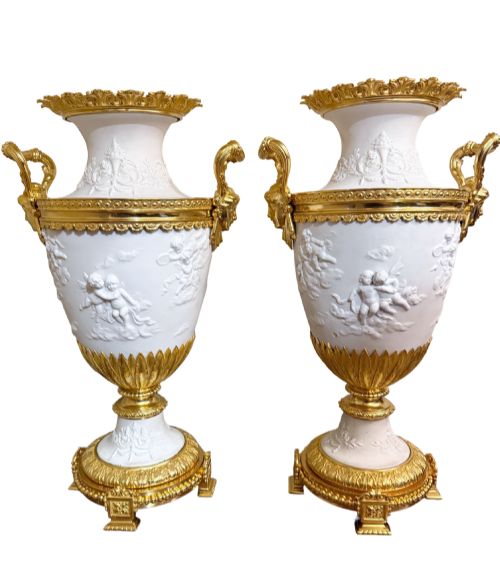
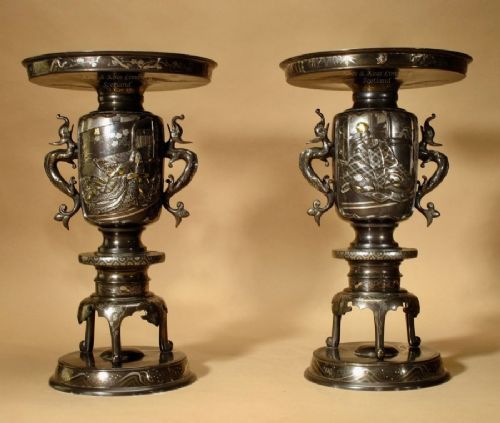
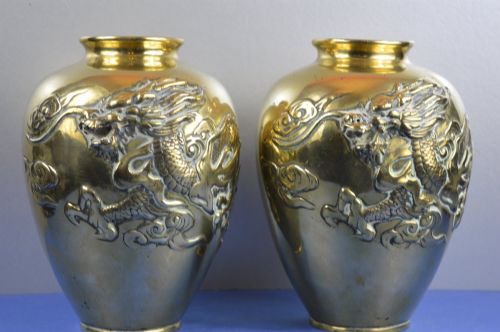
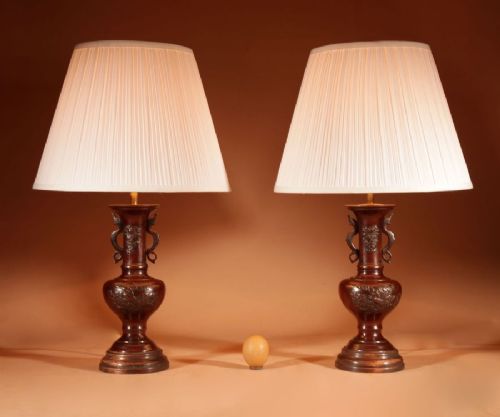
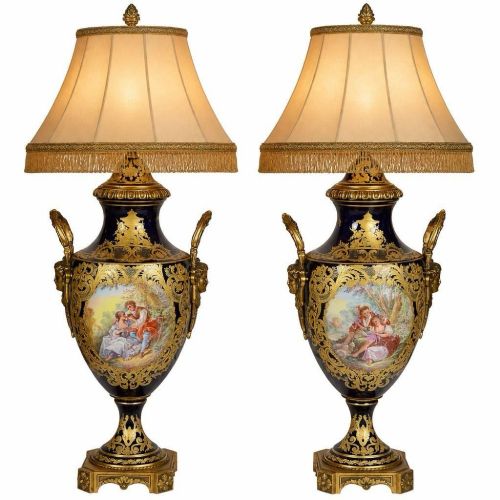
Pair bronze vases bring symmetrical weight and rich metallic tone to a room, spanning nineteenth-century classical revivals and Japanese Meiji craftsmanship.
What pair bronze vases are
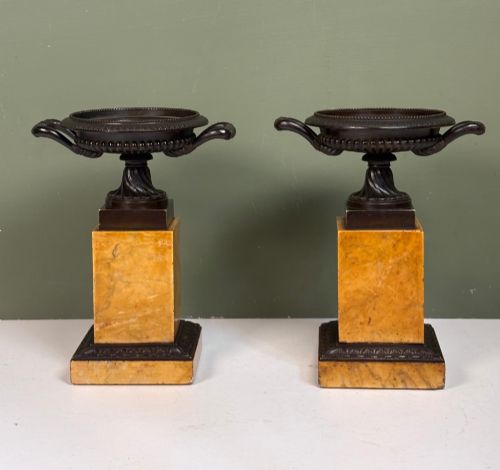
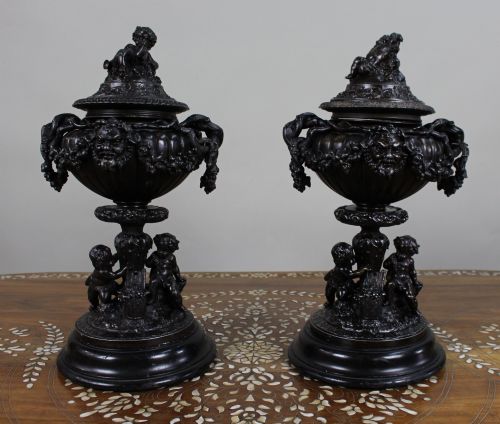
When you search for pair bronze vases, you encounter matched sets designed for display on mantels, sideboards and pedestals. These objects range from classical European urn forms to finely decorated Japanese vessels created during the Meiji period.
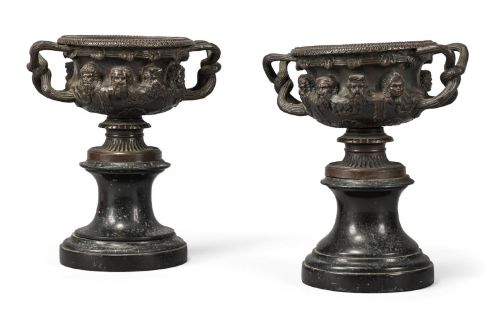
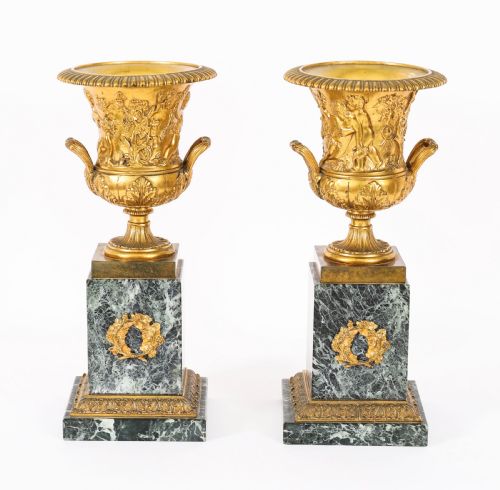
The selection here leans heavily towards nineteenth-century examples, incorporating Victorian pieces alongside continental Grand Tour souvenirs and imported Eastern works. You meet forms such as campana urns, twin-handled vessels and lidded jars.
European makers drew inspiration from Roman and Greek antiquity, producing pieces in styles like Gothic Revival and Neo Classical. Japanese works bring distinct metalworking traditions, utilising patinated surfaces and mixed metal inlays.
What varies in quality
The distinction between standard decorative items and exceptional examples lies in the crispness of the casting and the depth of the chasing. Superior pieces show sharp relief in classical figures or floral motifs, with hand-finishing that removes all trace of mould seams.
Materials also dictate standing, with top-tier examples mounted on bases of genuine giallo di siena or antico verde marble rather than simpler wooden or plain metal plinths. The integration of mixed metal elements and signed artist signatures further elevates an object.
Retail Price Guide 2026
Typical UK retail prices for pair bronze vases, calculated from the Sellingantiques database of over a million retail prices indexed since 2003. This retail price guide relies exclusively on Sellingantiques data; no external sources or auction records are used, so the figures do not describe the wider market.
Listings demonstrate a strong presence of Japanese Meiji period bronze vessels alongside nineteenth-century European classical urns.
Antonio Pandiani
The Pair Bronze Vases Glossary
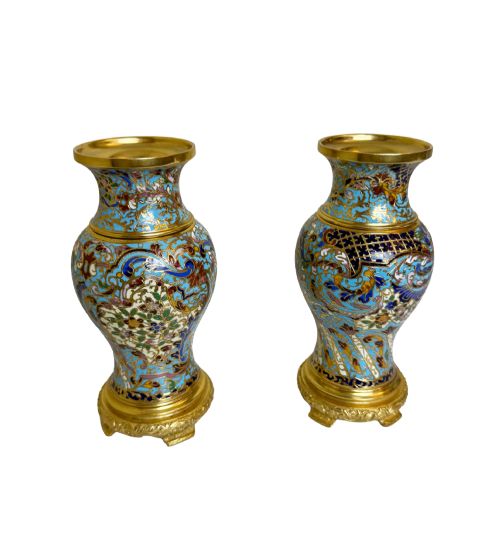
- Champlevé
- An enamelling technique where troughs or cells are hollowed out of the metal surface and filled with vitreous enamel before firing. It frequently appears on French decorative vases.
- Grand Tour
- A cultural journey undertaken by wealthy young Europeans in the eighteenth and nineteenth centuries, collecting bronze souvenirs and miniature antiquities in Italy. These items typically replicate Roman urns and architectural models.
- Meiji Period
- The era in Japanese history spanning from 1868 to 1912, marked by the opening of trade with the West. Bronzes from this time gained renown for intricate patination and mixed metal inlay.
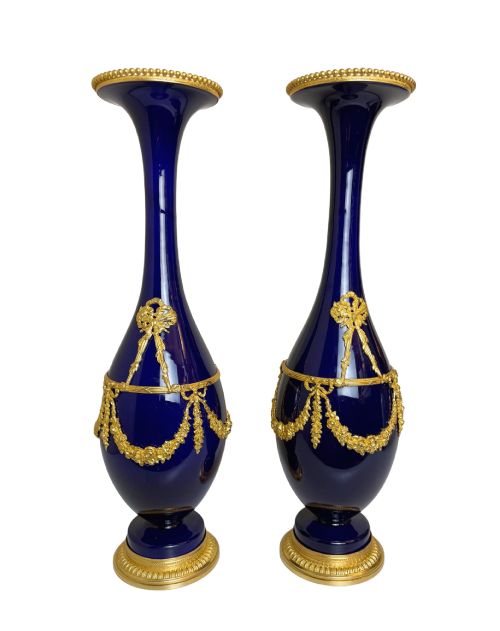
- Ormolu
- Finely ground high-carat gold applied to a bronze base through a mercury amalgamation process, producing a rich golden finish. It is common on French decorative mounts and handles.
Frequently Asked Questions
What is the difference between bronze and spelter?
Bronze is a durable copper alloy containing tin, offering weight, resonance, and the ability to hold sharp casting details. It develops a stable, historic patina over time.
Spelter is a softer, zinc-based white metal alloy used as a cheaper substitute during the nineteenth century. It is lighter than bronze and often requires a bronze-coloured paint or electroplated finish to mimic true metal.
How do I date a nineteenth-century vase?
Examine the underside, mounting screws, and casting seams for clues to manufacturing methods. Hand-filed surfaces and patination irregularities usually point towards earlier production periods.
Look for stylistic markers such as Meiji period signatures, Grand Tour marble bases, or specific Victorian design revivals. Comparing the weight and construction style with documented pieces helps narrow the decade.
Where should I display these vases?
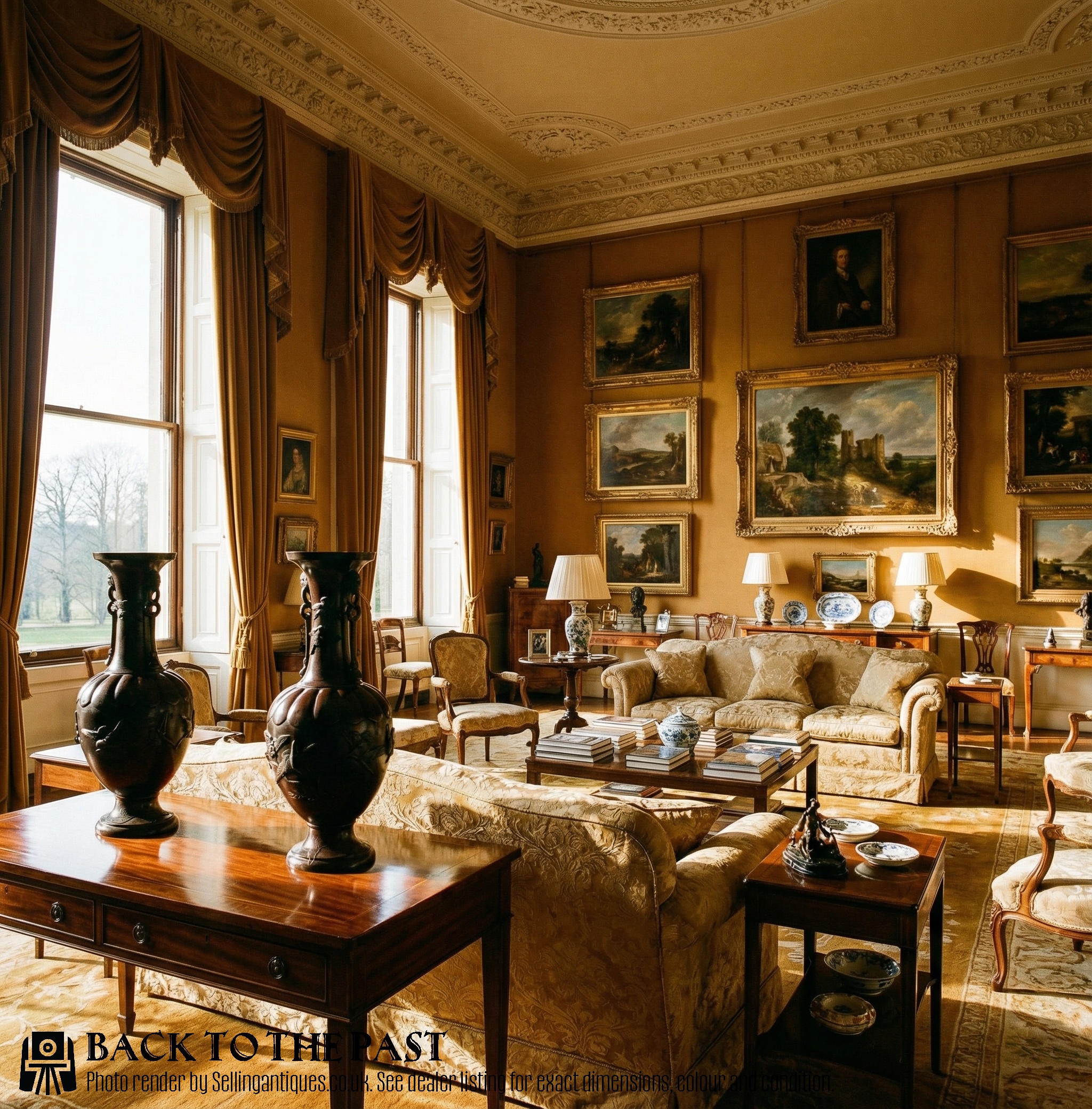
Place them on stable, level surfaces away from direct sunlight and fluctuating heat sources. Heavy marble-based pairs require sturdy sideboards, mantels, or dedicated pedestals.
Keep them clear of high-traffic areas where accidental knocks could damage handles or patinated finishes. Adequate spacing allows the symmetrical forms and metallic textures to stand out properly.