

Antique Oriental Metalwork
Antique oriental metalwork brings substantial bronze and intricate enamel into the home, offering centuries of skilled craftsmanship from China and Japan.
What antique oriental metalwork is
Antique oriental metalwork comprises objects produced in East Asia during the nineteenth and early twentieth centuries, principally in China and Japan. Buyers exploring this category encounter pieces that reflect distinct regional aesthetics and historical periods, ranging from Qing Dynasty productions to Japanese Meiji period examples.
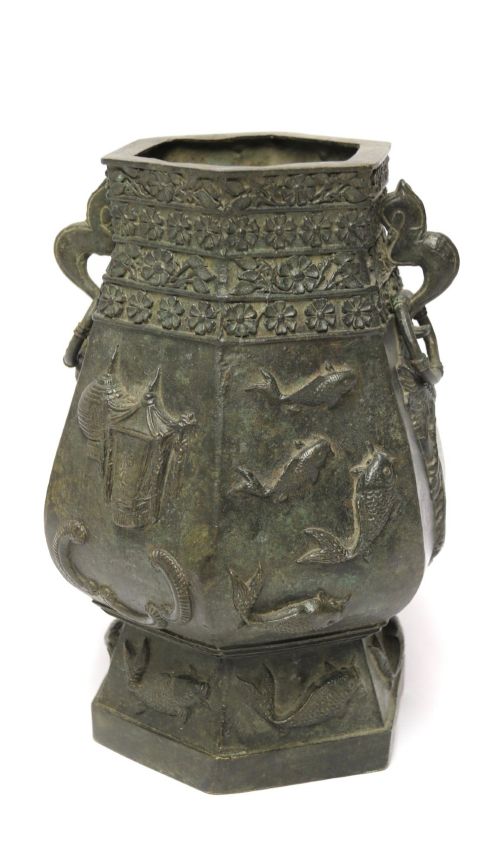
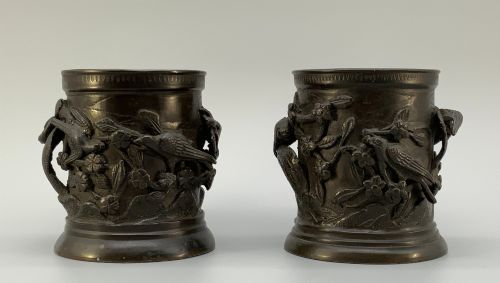
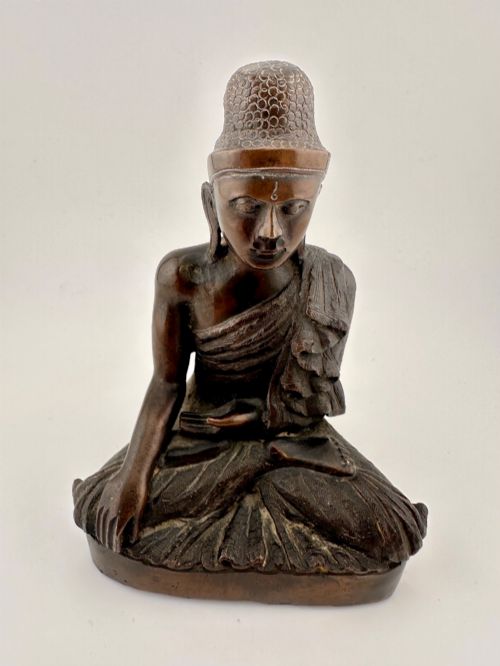
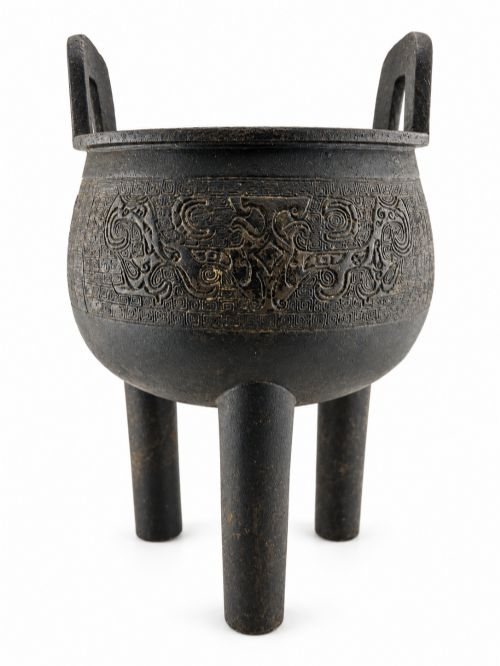
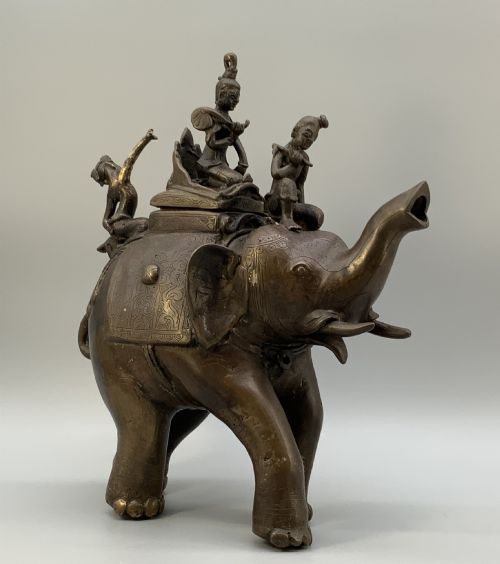
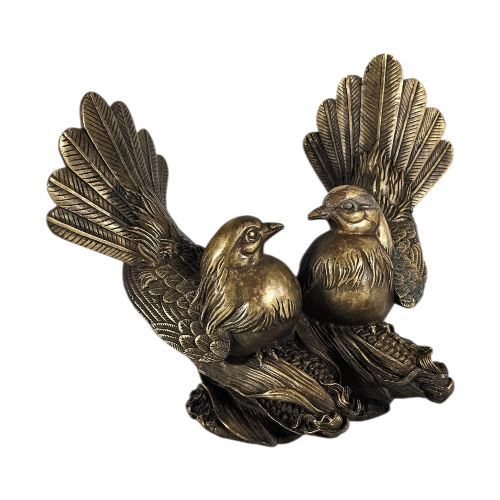
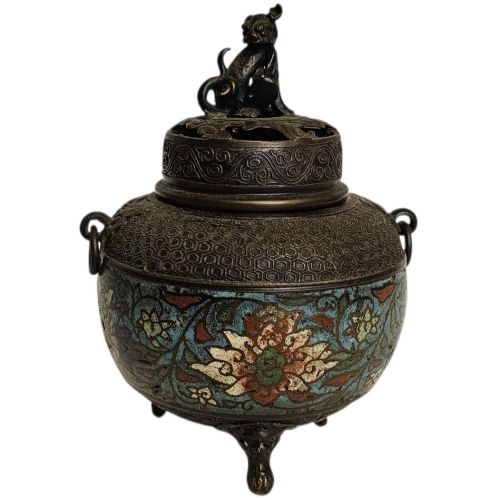
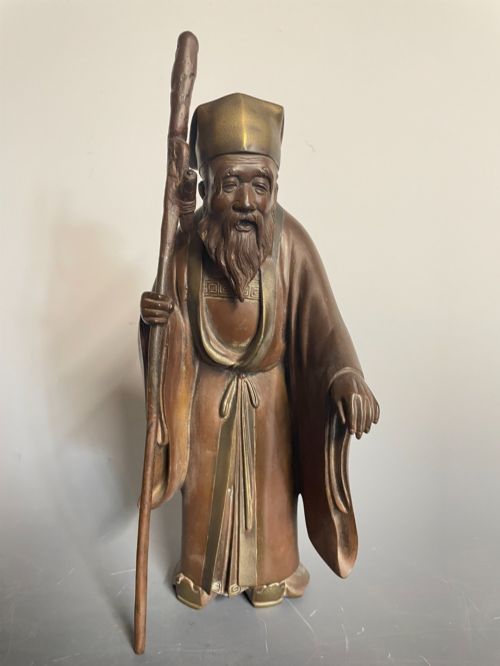
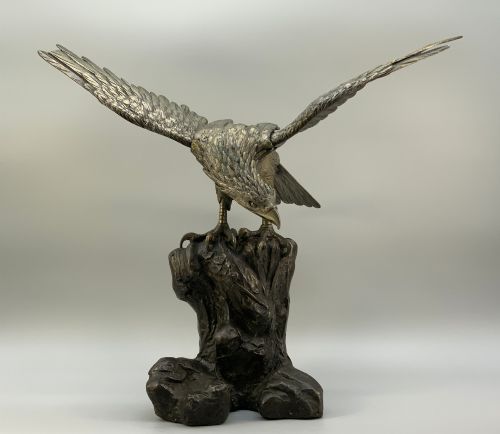
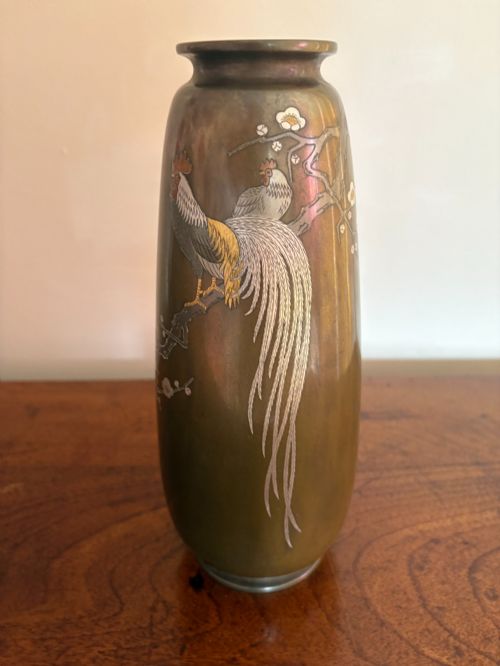
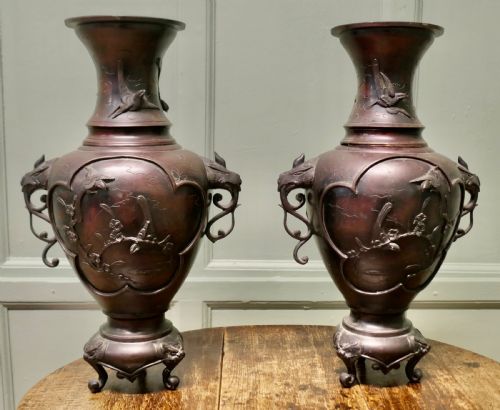
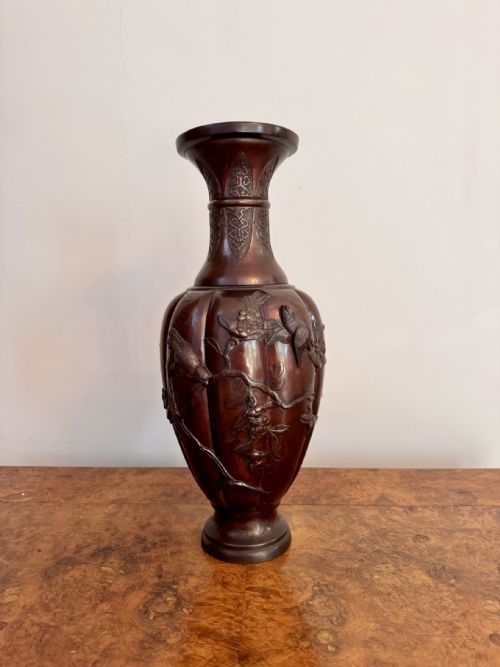
The selections available here focus heavily on three-dimensional forms and vessels in bronze and enamel. Vases, decorative bowls, sculptures, and scholarly items like brush washers represent the primary formats found in this metalwork grouping.
How antique oriental metalwork was made
The physical construction relies on durable materials such as bronze and copper alloy, often combined with enamel work. Artisans utilised techniques like lost-wax casting for figural sculptures and vessel bodies, achieving stable and weighty structures.
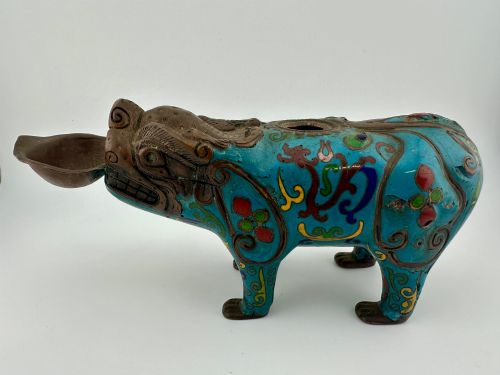
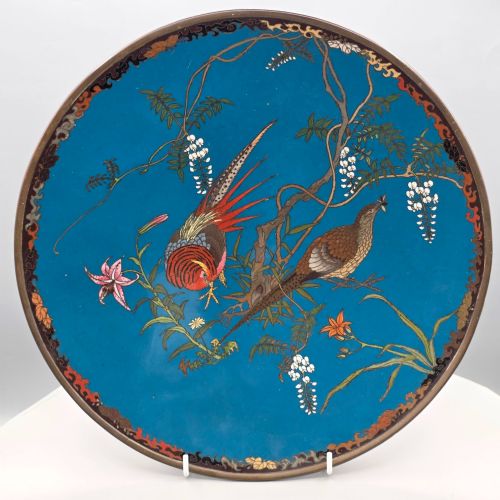
Cloisonné enamel pieces incorporate fine metal wires soldered to a metal base to create cells, which are then filled with coloured enamel pastes before firing and polishing.
Retail Price Guide 2026
Typical UK retail prices for oriental metalwork, calculated from the Sellingantiques database of over a million retail prices indexed since 2003. This retail price guide relies exclusively on Sellingantiques data; no external sources or auction records are used, so the figures do not describe the wider market.
Listings feature items exclusively from the nineteenth century and the early twentieth century, up to 1910.
What varies in quality
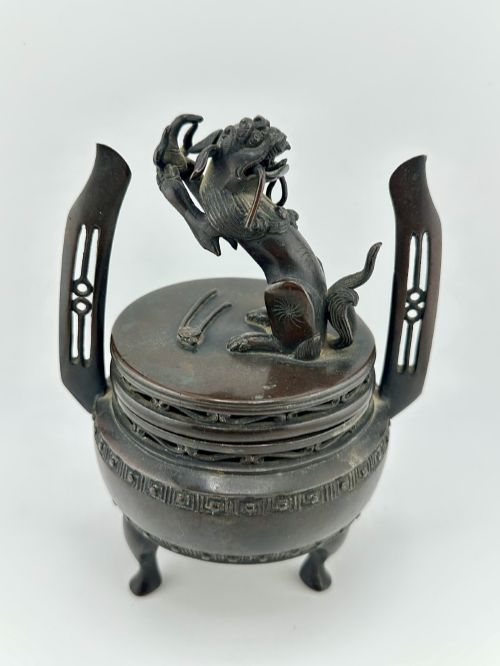
Quality differences emerge in the precision of the casting and the crispness of surface detail, particularly on figural sculptures and vase reliefs. Superior pieces display finely rendered facial expressions, sharply defined robes, and well-finished bases.
In enamel works, the refinement of the wirework and the evenness of the vitreous filling distinguish standard production from exceptional examples. The depth of the bronze patina and the balance of the overall form further separate the top tier of pieces.
The Antique Oriental Metalwork Glossary
- Bronze
- An alloy consisting primarily of copper, traditionally used for durable vessels and figural sculptures. It develops a natural patina over time.
- Cloisonné
- An enamelling technique where metal wire is applied to a surface to form compartments that hold enamel paste. This method creates intricate patterns across vessels and scholar's objects.
- Meiji period
- The era of Japanese history lasting from 1868 to 1912, known for sophisticated metalwork exported internationally.
- Qing Dynasty
- The final imperial dynasty of China, spanning from 1644 to 1912, noted for diverse decorative arts in bronze and enamel.
Frequently Asked Questions
What is antique oriental metalwork?
Antique oriental metalwork encompasses objects made from bronze, copper alloy, and enamel in East Asia. These pieces date primarily from the nineteenth and early twentieth centuries.
The category includes vessels like vases and bowls alongside figural sculptures and scholar's items.
How do I date these metal objects?
Dating relies on stylistic markers associated with specific eras such as the Qing Dynasty or the Japanese Meiji period. Material composition and manufacturing techniques also provide clues to the age of a piece.
Comparing forms to documented examples helps narrow down the period of production.
Where were these pieces made?
These items originated primarily in workshops and urban centres across China and Japan. Production centres specialised in either bronze casting or detailed enamel work.
Regional techniques and artistic conventions distinguish Chinese output from Japanese craftsmanship.
How should I care for bronze?
Bronze objects require minimal intervention to preserve their historic surfaces and natural patinas. Regular dusting with a soft, dry cloth prevents the buildup of particulate matter.
Avoid using abrasive cleaners or polishes that can strip away the aged metal finish.