
Chinese Bronze Vessel
A Chinese bronze vessel brings ancient ritual forms and scholar's studio weight directly into a modern interior through cast metal and detailed patination.
Chinese Bronze Vessel
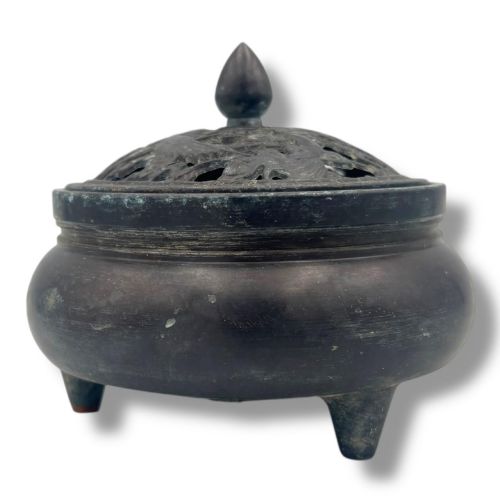
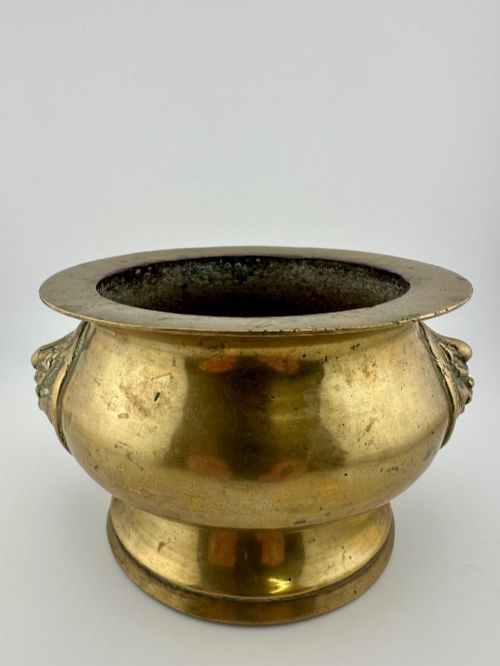
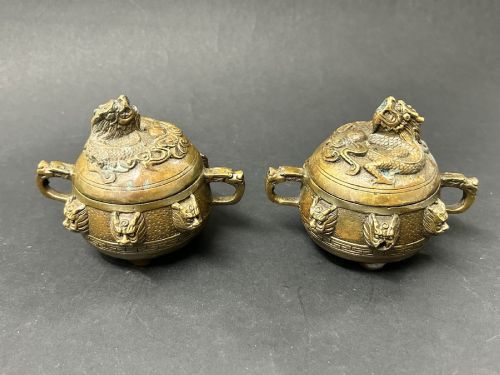
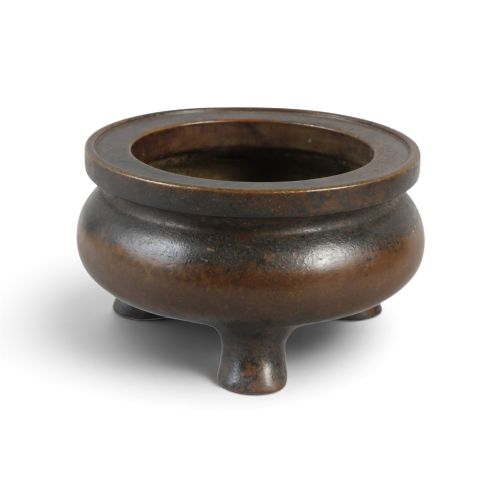
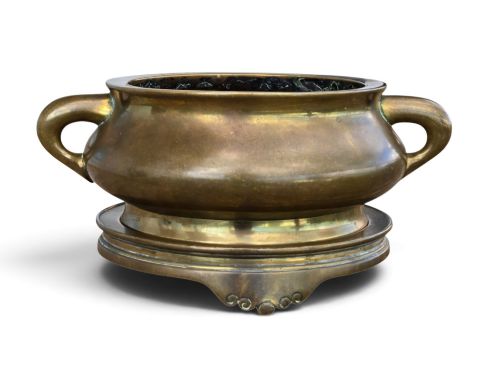
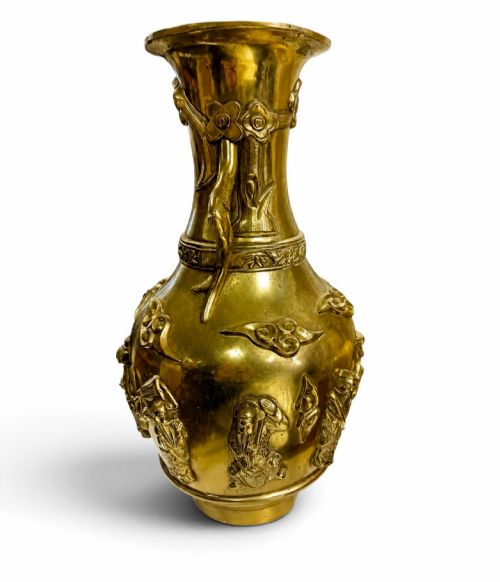
A Chinese bronze vessel encompasses ritual objects, incense burners, and vases originating from periods spanning the Ming and Qing dynasties up to the early twentieth century. Buyers encounter tripod censers featuring lion-mask handles, cylindrical scholars' pieces, and baluster vases decorated with archaic motifs.
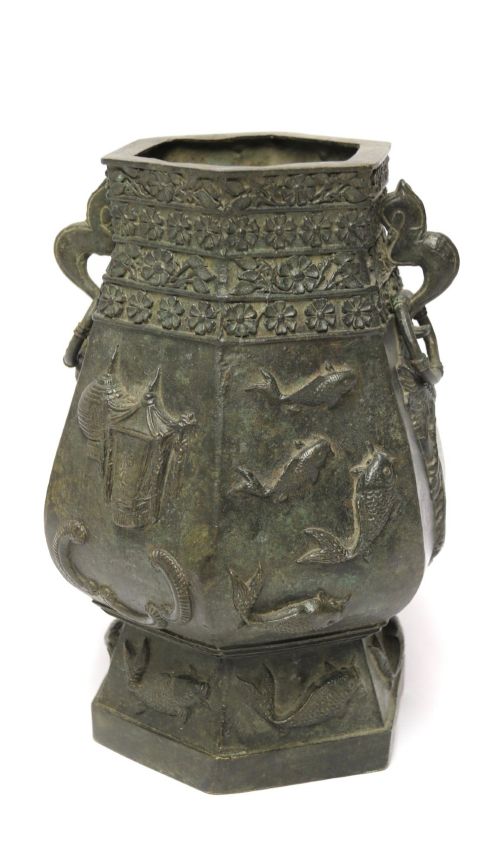
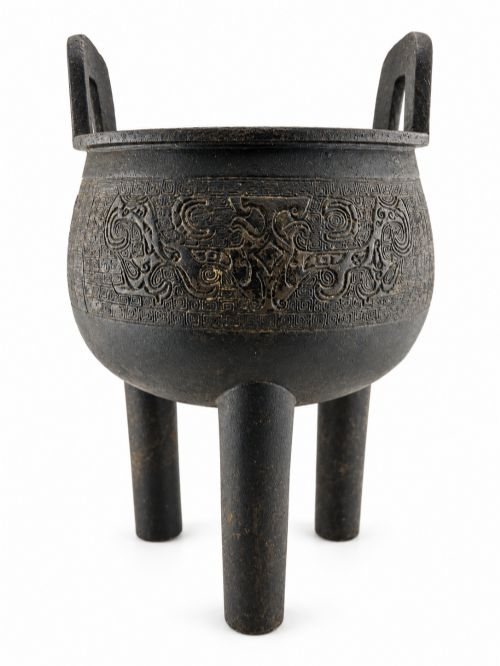
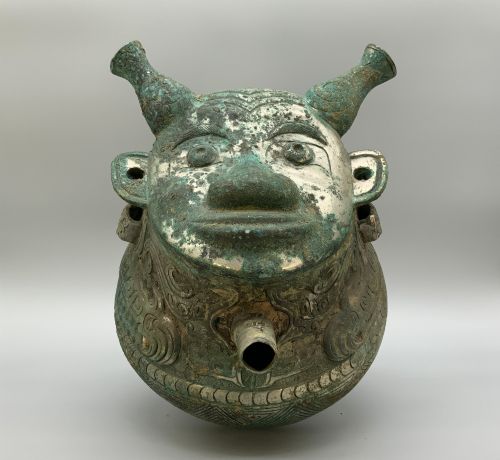
The primary forms on this page include censers with tripod legs, vessels with taotie mask decoration, and ritual wine vessels created in styles referencing ancient dynasties. Many pieces retain specific imperial marks or studio inscriptions relating to past reigns.
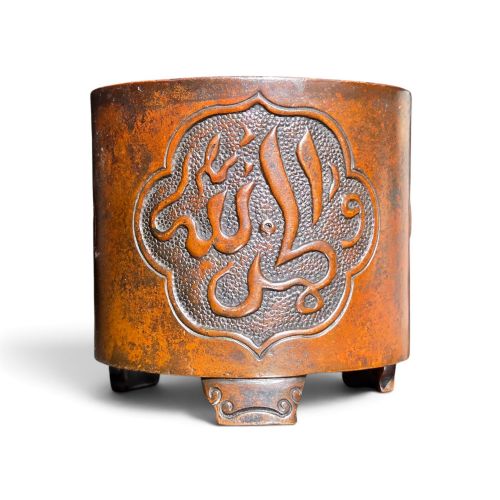
Scholar's studio items dominate the selection, ranging from heavy bronze vessels designed for burning incense to small brush washers and decorative bowls. These objects reflect centuries of traditional casting practices adapted for domestic display and scholarly contemplation.
Materials and Technique
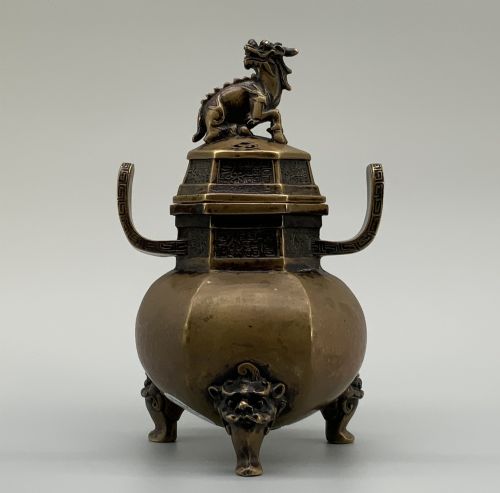
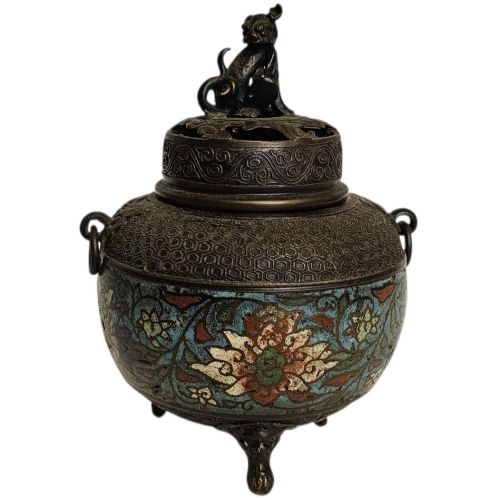
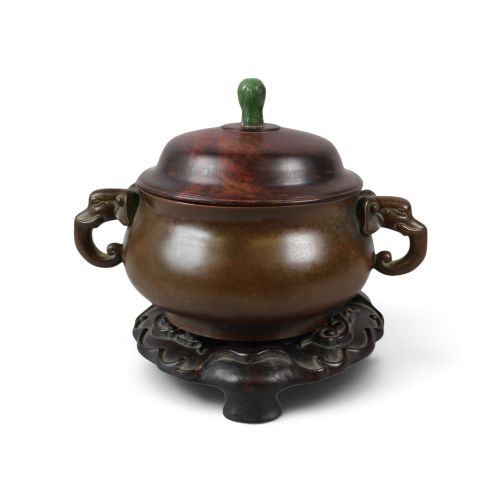
Casting forms rely heavily on bronze, copper alloy, and brass, often worked through lost-wax or sectional mould techniques that produce substantial weight and thick walls. Artisans integrate cast details such as elephant-head handles, qilin finials, and high-relief panels depicting Daoist immortals.
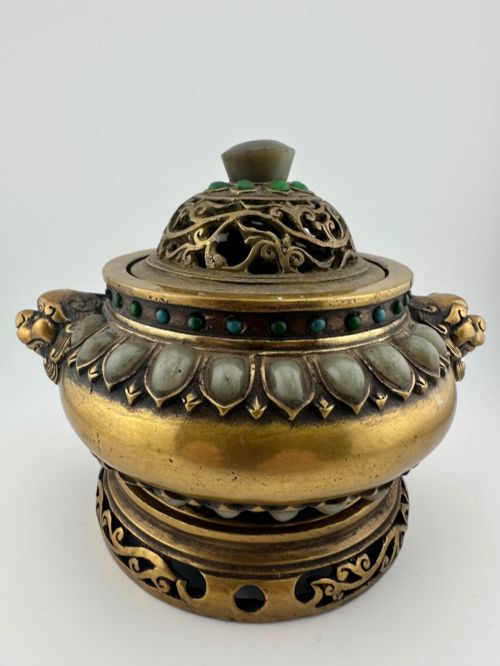
Surface treatment frequently incorporates cloisonné enamel, champlevé enamel, and gilt splash applications to enhance the metallic texture. Selected examples combine the cast bronze body with hardstone inlays, jade finials, or custom hardwood stands like zitan.
Patination plays a central role in the finishing process, developing deep, organic tones across the exterior of the metal. Artisans polish and treat the bronze surfaces to highlight high-relief motifs and simulated archaic patinas.
Chinese Bronze Vessel Retail Price Guide 2026
Typical asking prices for chinese bronze vessel among the pieces listed under this phrase on Sellingantiques today, from the lower quarter to the upper quarter. They describe what is for sale here now, not the wider market.
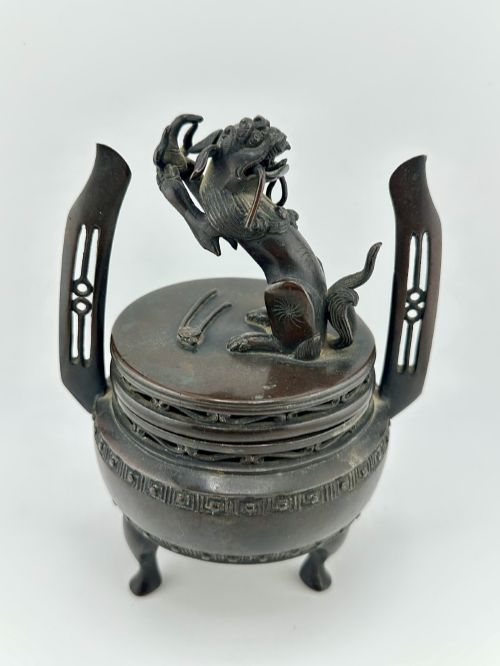
Several heavy censers incorporate tiny qilin finials and elephant-head handles, guarding the scholar's studio against stray currents.
Evaluating the Metalwork
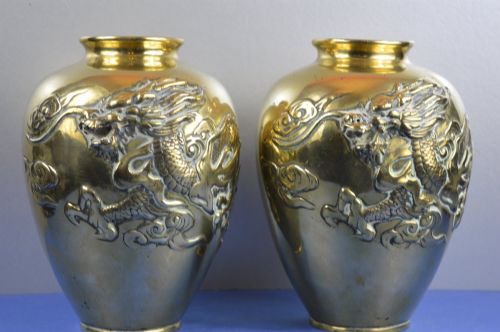
Substantial weight relative to size distinguishes masterworks from lighter production, as seen in heavily cast scholars' pieces and large ritual vessels. Wall thickness and the crispness of relief decoration, such as taotie masks and dragon motifs, dictate the fidelity of the casting.
The precision of applied details, including tightly set enamel cells, secure hardstone inlays, and the integration of custom wooden stands, marks the distinction in tier. Furthermore, the subtlety of the patination and the legibility of reign marks or studio seals contribute to the standing of the piece.
The Chinese Bronze Vessel Glossary
- Archaistic
- A style that deliberately imitates the forms, decorations, and patination of ancient bronzes from early dynasties. This aesthetic was particularly favoured by craftsmen during the Ming and Qing periods.
- Censer
- A vessel specifically designed for burning incense during rituals or within a scholar's studio. These containers frequently stand on three legs and feature secure lids with figural finials.
- Cloisonne
- An enamelwork technique where metal wires are soldered to a bronze body to create compartments that are then filled with coloured paste and fired. The surface is subsequently ground smooth and polished.
- Xuande Mark
- An inscription referencing the Xuande emperor of the Ming dynasty, often cast or stamped onto the base of later bronze vessels as a mark of respect for historic quality.
Chinese Bronze Vessel: Frequently Asked Questions
What is an archaistic bronze vessel?
An archaistic bronze vessel is a later piece created in imitation of ancient ritual forms, such as those from the Shang or Zhou dynasties. Craftsmen during the Ming and Qing periods revived these antique shapes to honour historical bronze casting traditions.
These pieces often display motifs like taotie masks and surface patinations designed to mimic ancient burial artefacts while serving as decorative or scholarly objects.
How were these bronze vessels used?
Many of these vessels functioned as censers for burning incense within scholar's studios, temples, or domestic rooms. Other forms served as vases for floral arrangements or specialised containers for wine and scholar's tools.
Their presence in a room indicated high status, refined taste, and an engagement with traditional Chinese philosophy and ritual practices.
What do reign marks on the base mean?
Reign marks, such as those from the Xuande or Qianlong periods, name a specific imperial era on the base of the metalwork. These inscriptions indicate the stylistic benchmark that the maker sought to emulate.
While some marks correspond directly to the period of manufacture, many function as honorific tributes applied during later centuries to acknowledge historic excellence.
How do I care for an antique bronze?
Antique bronzes require stable indoor environments away from direct moisture and extreme temperature fluctuations to protect the metal and underlying patina. Gentle dusting with a soft, dry cloth preserves the surface without stripping away historic finishes.
Harsh chemical cleaners or metal polishes should be avoided entirely, as they damage the natural patination built up over centuries.