
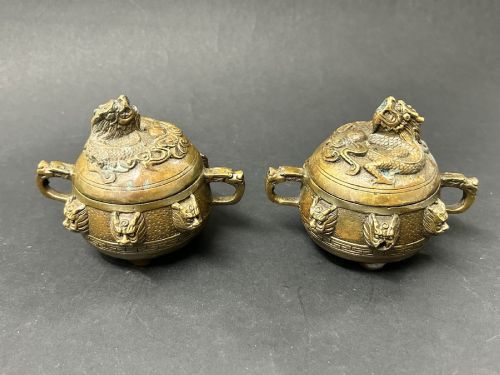
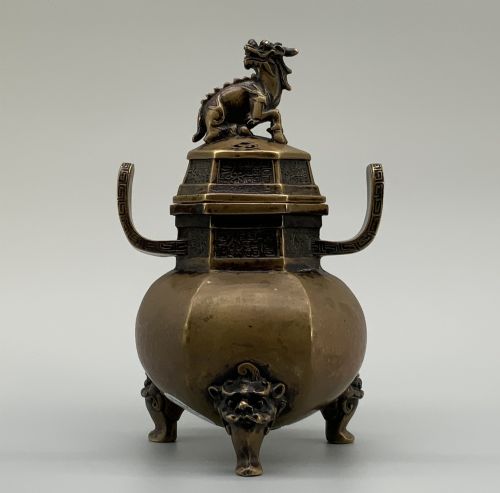
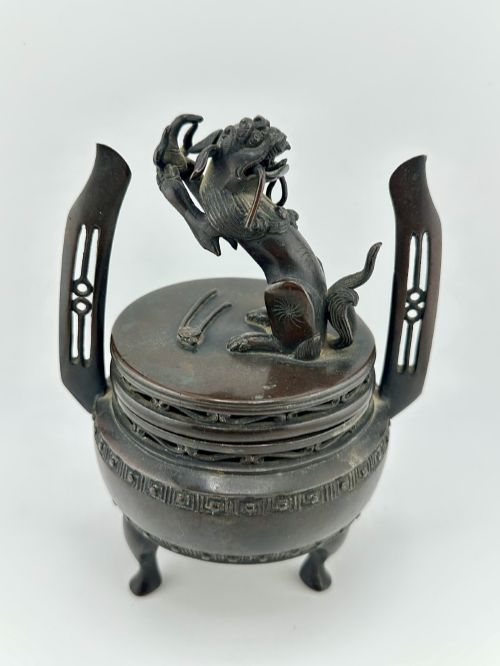
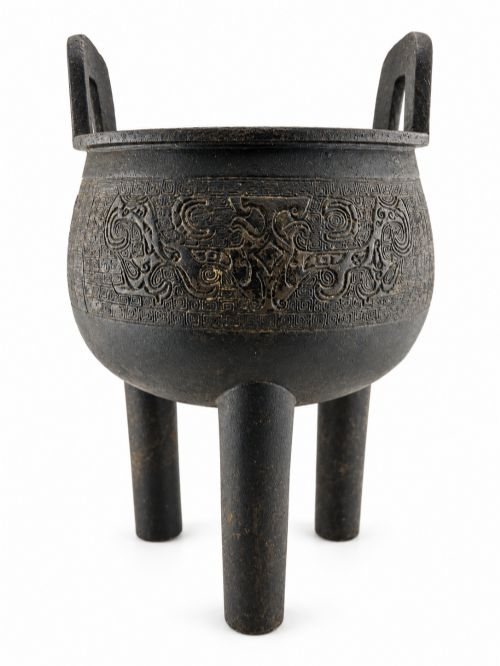
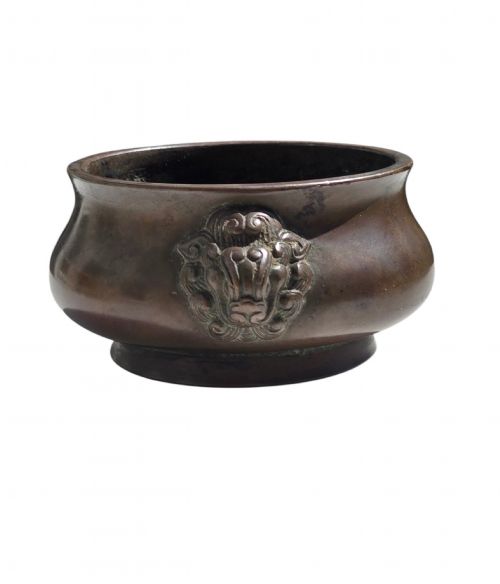
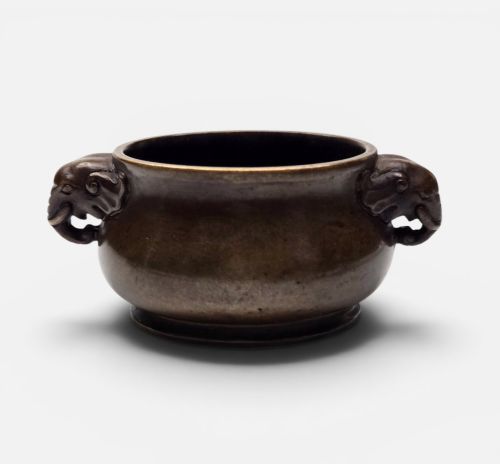


Patinated Bronze Censer
These patinated bronze censer examples bring centuries of ritual vessel tradition into modern spaces through deep metal tones and cast forms.
Form and Period
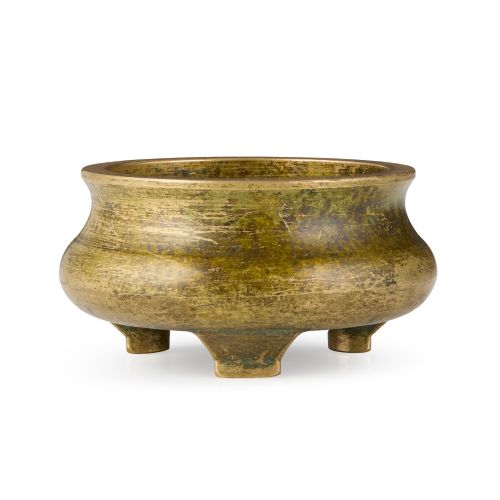
A patinated bronze censer embodies centuries of metalwork traditions, ranging from ritual vessels to decorative bowls designed for burning incense.
Most pieces seen here belong to the 18th century and 19th century, drawing upon Qing Dynasty, Meiji period, and Edo period aesthetic frameworks.
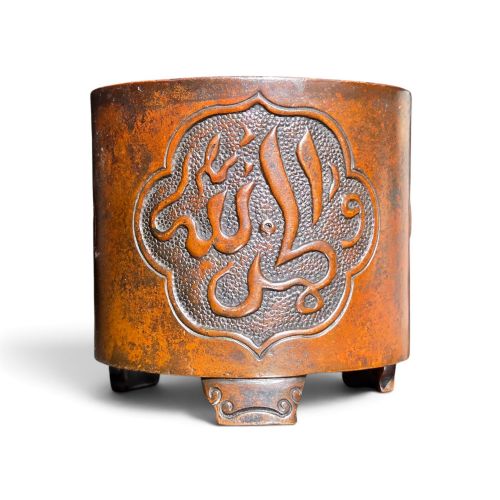
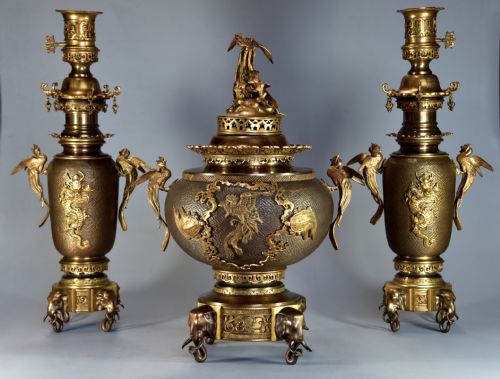
Forms include tripod censers with covers, cylindrical tripod bodies, hexagonal shapes, and figural models featuring kylin or fu lion finials.
Materials and Casting
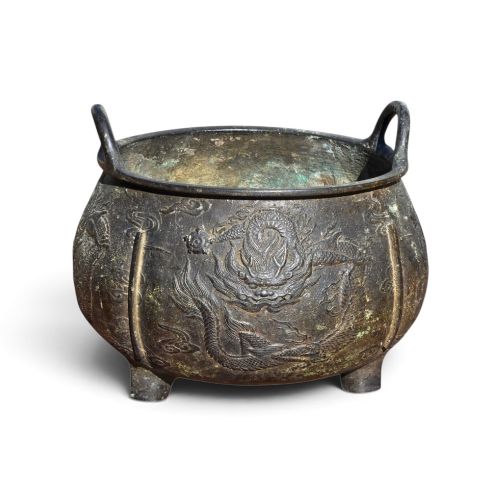
Makers utilised bronze and copper alloy to cast these vessels, often incorporating intricate details such as dragon motifs or archaistic designs.
Surfaces developed aged patination over time, whilst distinct marks from periods like the Qing Dynasty or studio marks were cast or engraved into the metal.
Retail Price Guide 2026
Typical UK retail prices for patinated bronze censer, calculated from the Sellingantiques database of over a million retail prices indexed since 2003. This retail price guide relies exclusively on Sellingantiques data; no external sources or auction records are used, so the figures do not describe the wider market.
Current listings feature pieces spanning the 17th century through to 1900, incorporating both Chinese and Japanese origins.
Casting and Finish
Quality rests in the precision of the cast, distinguishing sharp details on figural finials and dragon bodies from softer, less defined surfaces.
The depth and character of the patination differentiate superior examples, alongside the presence of legible reign or studio marks that anchor the vessel's lineage.
The Patinated Bronze Censer Glossary
- Patinated
- Aged surface coloration developed naturally or through chemical treatment on metal. This finish enhances the visual depth of bronze and copper alloy objects.
- Tripod
- A vessel supported by three feet. This construction provides stability for ceremonial and decorative burners.
- Finial
- An ornamental crowning feature attached to the cover of a censer. Figures such as the fu lion often serve this purpose.
- Archaistic
- A style that revokes earlier historic motifs and forms. This approach connects later Qing Dynasty pieces with ancient ritual vessels.
Frequently Asked Questions
What is a patinated bronze censer used for?
These vessels served primarily as burners for aromatic incense within scholar's studios and domestic interiors.
Over time, many transitioned into purely decorative objects valued for their sculptural qualities and rich metal surfaces.
How do I date a bronze censer?
Dating relies upon examining the cast form, surface patination, and any reign or studio marks present on the base.
Stylistic cues such as archaic motifs or specific period influences help place pieces within the 17th, 18th, or 19th centuries.
Where were these censers made?
The pieces originate primarily from Chinese and Japanese workshops spanning multiple dynastic and imperial periods.
Maker traditions from the Qing Dynasty and the Edo or Meiji periods dominate the known origins.
How do I care for a bronze censer?
Maintenance requires gentle dusting with a soft cloth to preserve the historical surface and patination.
Aggressive cleaning agents or polishes must be avoided to protect the aged metal finish.