
Chinese Bronze Incense Burner
A chinese bronze incense burner brings centuries of ritual history and sculptural metalwork directly into the modern interior.
Chinese Bronze Incense Burner
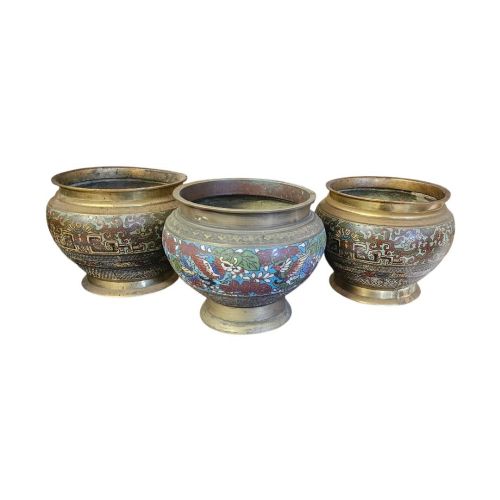
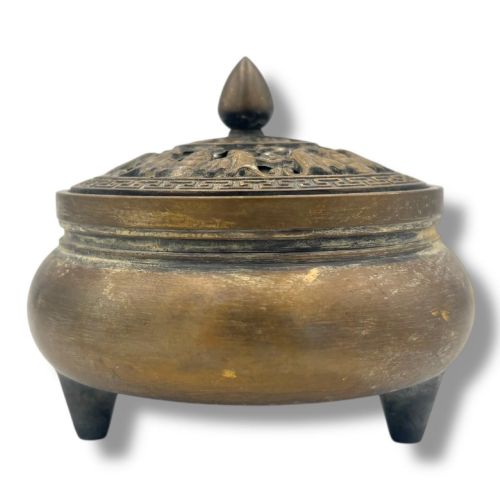
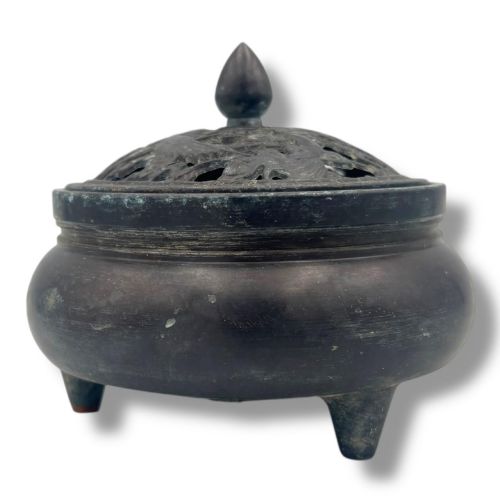
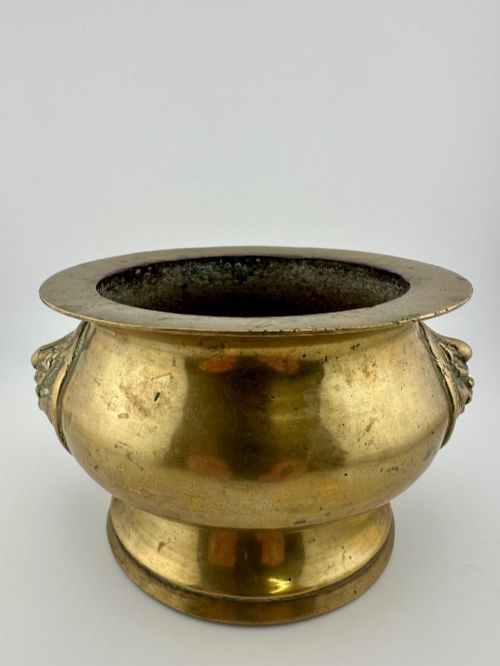
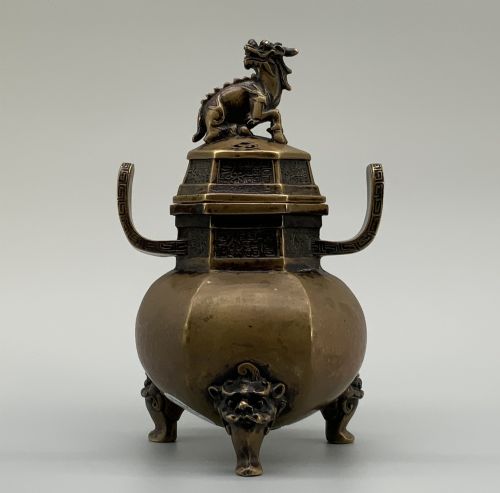
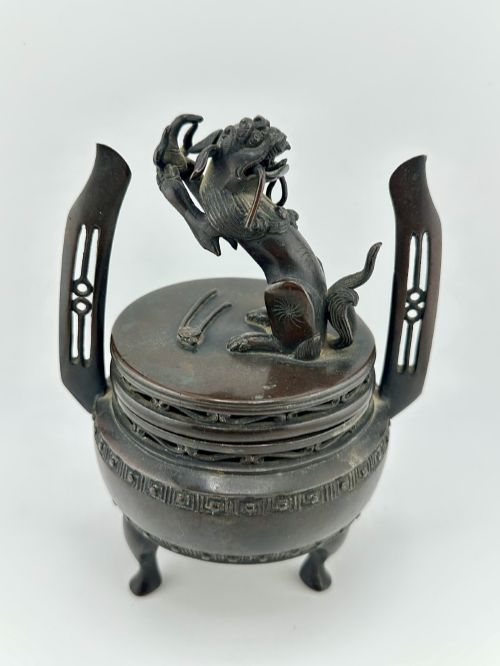
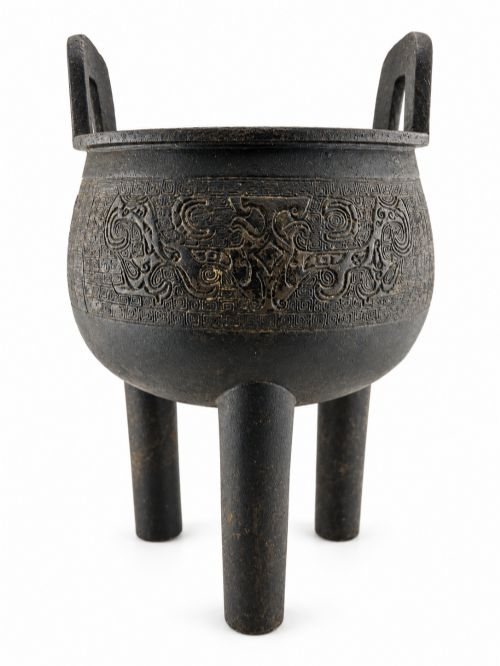
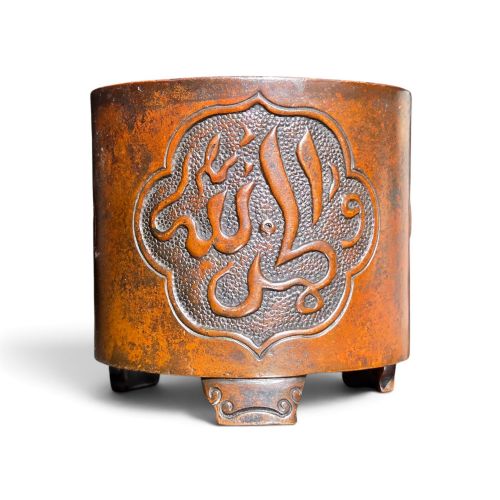
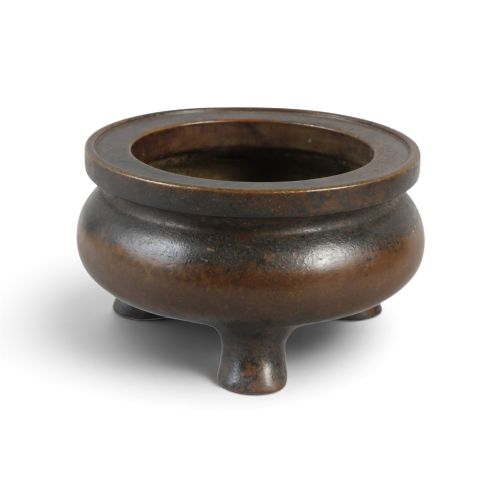
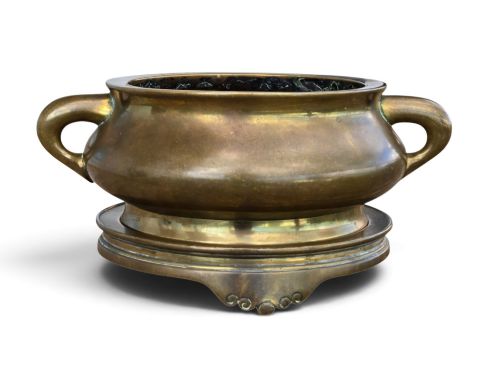
A chinese bronze incense burner takes many shapes, ranging from heavy tripod vessels with taotie decoration to cylindrical scholar's censers and handled bowls. Most examples encountered here belong to the Ming and Qing dynasties or the nineteenth and early twentieth centuries.
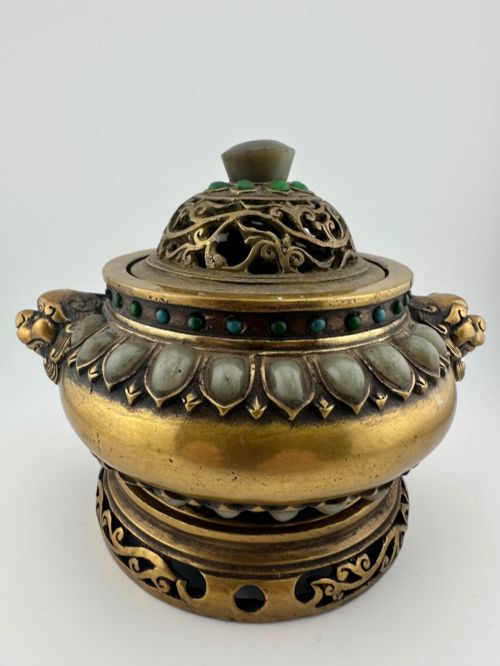
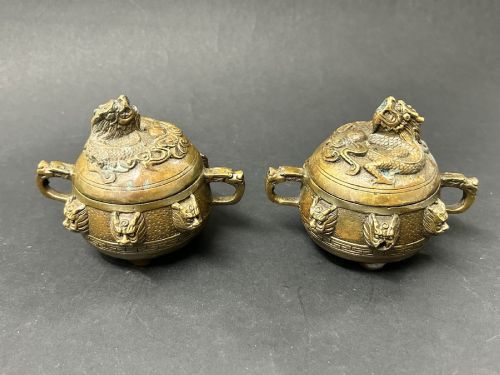
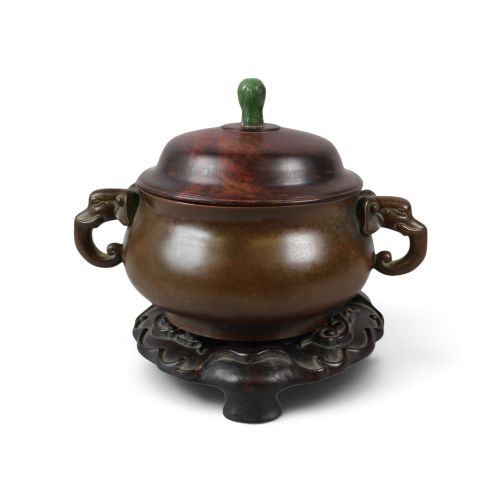
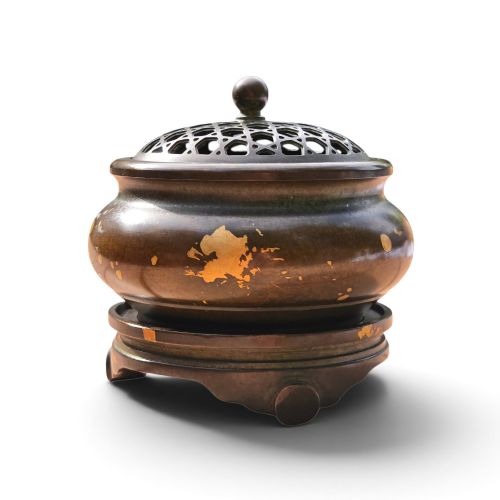
Pieces often feature specialised additions such as pierced lids, qilin finials, or custom hardwood stands. Certain forms adopt archaistic motifs or dragon and lion mask handles rooted in earlier ritual traditions.
Materials and Casting
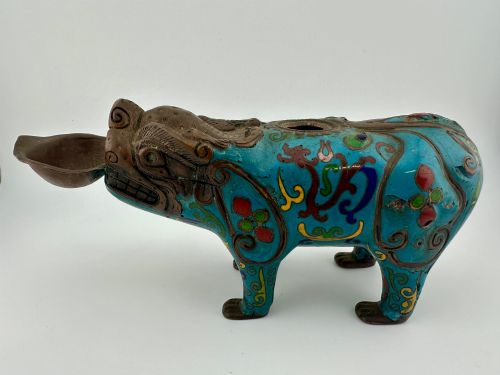
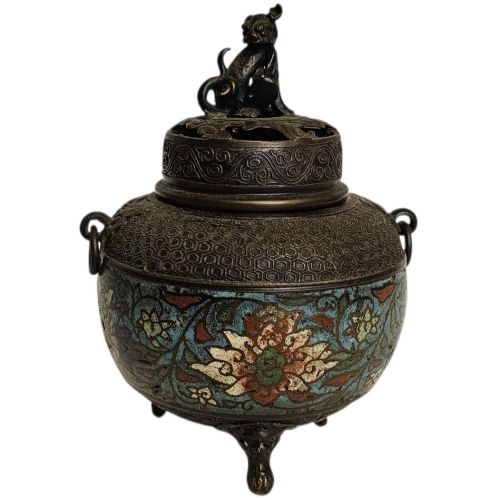
Makers utilised cast bronze, brass, and copper alloy, sometimes applying gold splash or incorporating jade and hardstone inlays. Cloisonné enamel also appears on specific lidded vessels.
Heavily cast bodies demonstrate sophisticated foundry techniques designed to achieve substantial weight and lasting structural integrity.
Materials documented across the inventory include bronze, brass, cloisonné enamel, jade, and hardstone.
Casting and Finish
Quality rests in the crispness of the cast ornamentation, the depth of the metal patina, and the overall balance of the vessel. Superior examples display precise relief work on handles and motifs without surface blurring.
Weight and metal density further differentiate standard decorative output from master-cast scholar's pieces intended for scholarly appreciation.
The Chinese Bronze Incense Burner Glossary
- Censer
- A vessel used for burning incense. These forms range from simple tripod bowls to elaborate ritual containers with covers.
- Archaistic
- A style that consciously emulates ancient forms and decorative motifs. This approach often references early ritual bronze vessels from earlier dynasties.
- Xuande Mark
- An inscription referencing the Xuande emperor of the Ming dynasty. Such marks frequently appear as later commemorative or studio stamps rather than contemporary signatures.
- Cloisonné
- An enamelling technique where metal wires form raised compartments filled with coloured paste. These areas are subsequently fired and polished smooth.
Chinese Bronze Incense Burner: Frequently Asked Questions
How were incense burners used?
These vessels functioned primarily within scholarly studios, temples, and domestic spaces for burning fragrant wood resins and incense sticks. Their presence created an atmosphere conducive to meditation and study.
Larger ceremonial examples also served ritual purposes in ancestral halls, where smoke carried offerings upward during traditional observances.
What is an archaistic bronze?
An archaistic bronze is a later piece designed deliberately to evoke the appearance and motifs of ancient ritual vessels. Makers utilised these historical designs to connect modern metalwork with classical antiquity.
These objects reinterpreted ancient shapes, such as square ding vessels or mythical mask decorations, for contemporary collectors.
How do I date a bronze censer?
Dating relies upon evaluating the casting style, surface patina, metal composition, and any inscribed reign marks. Stylistic shifts between Ming and Qing periods provide clear structural clues.
Associated wooden stands and overall wear patterns further help establish the approximate production era of each piece.
Why do some burners have marks?
Inscriptions and reign marks indicate imperial periods, specific workshops, or studio names intended to honour earlier craftsmanship. Many marks act as marks of respect rather than literal manufacturing dates.
Identifying these characters helps collectors understand the intended status and cultural context of the metalwork.