
Tripod Incense Burner
A tripod incense burner brings centuries of craftsmanship into a room, offering tactile metalwork and ceramic forms designed to hold fragrant smoke.
Tripod Incense Burner
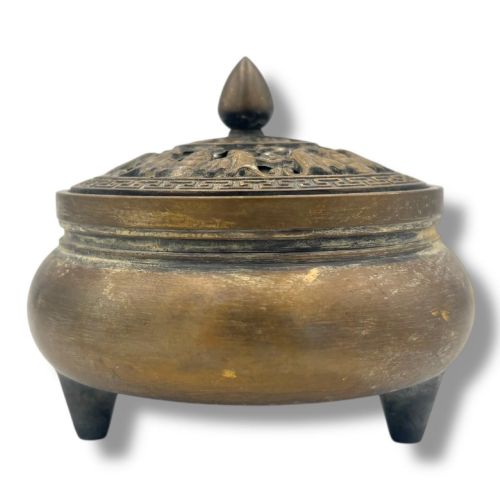
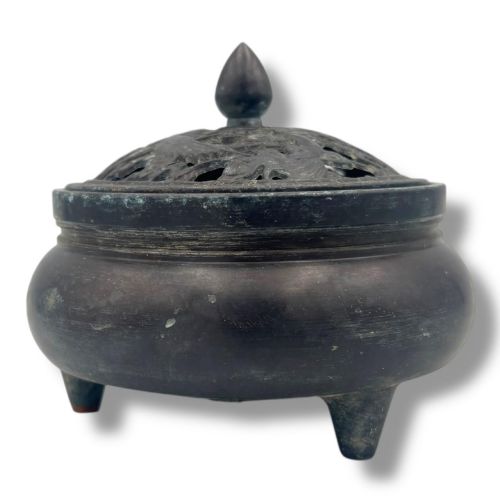
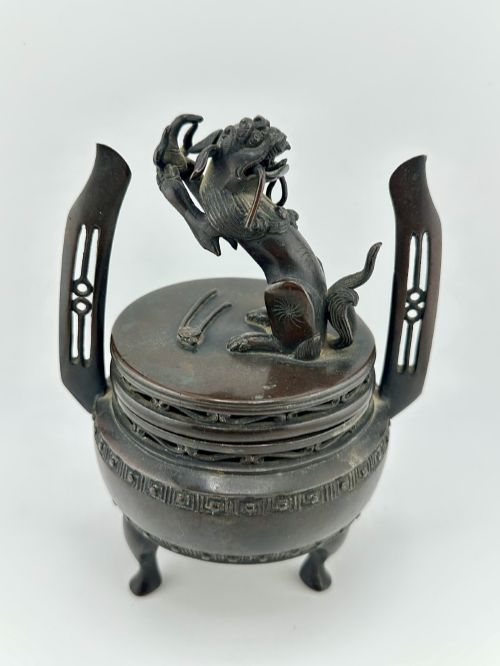
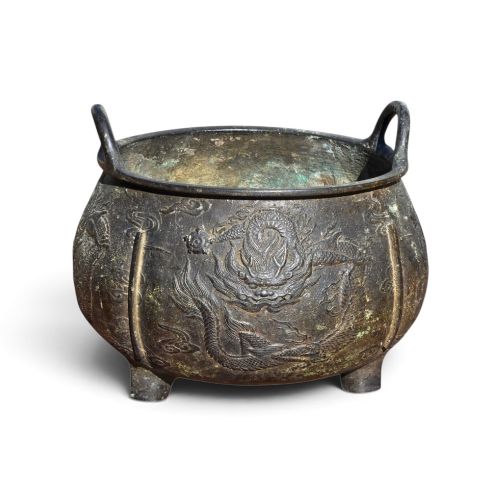
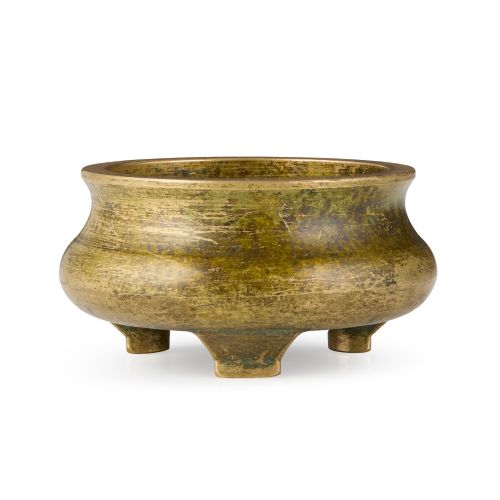
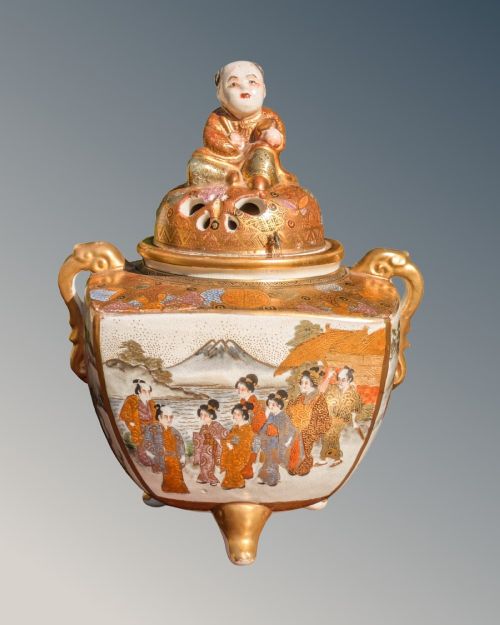
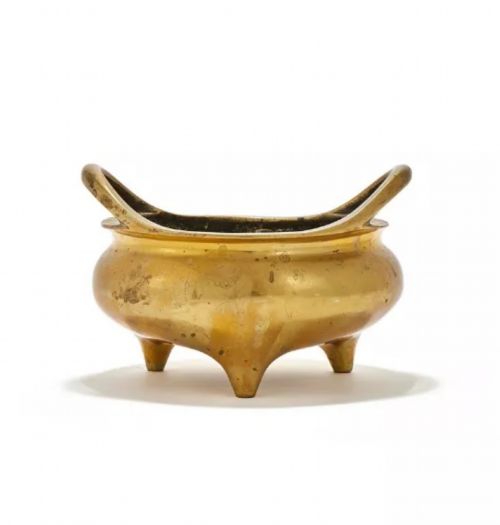
A tripod incense burner manifests primarily in heavy bronze vessels from Chinese dynasties, alongside Japanese Satsuma and Imari ceramic koro from the Meiji period.
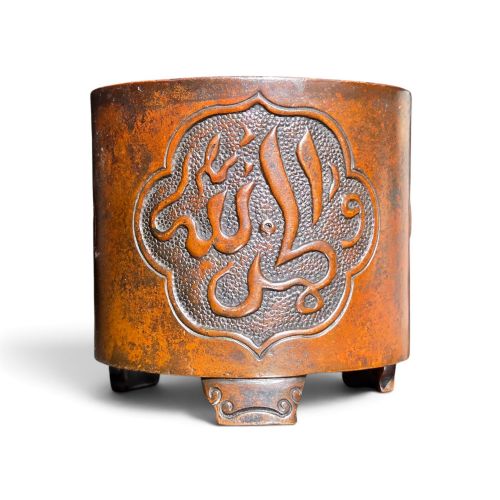
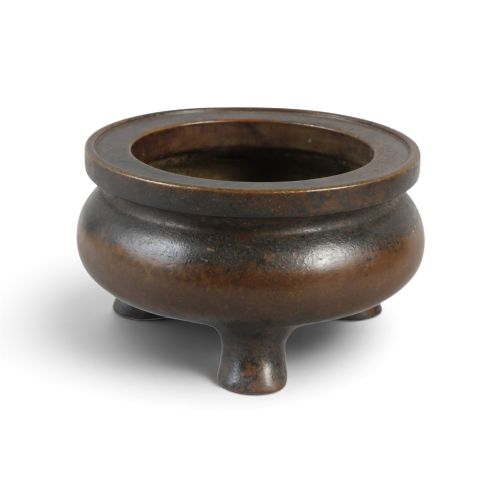
The selections span small scholar pieces weighing a fraction of a kilogram to massive ritual containers exceeding several kilograms, often raised upon three distinct feet.
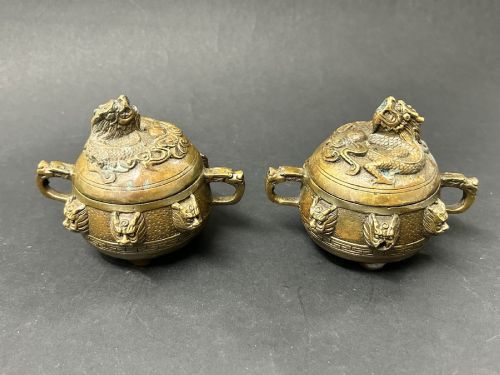
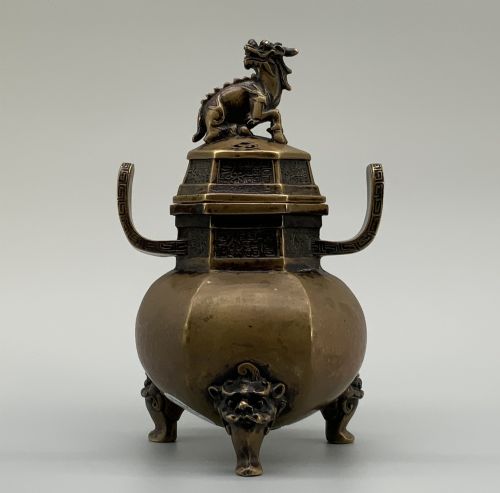
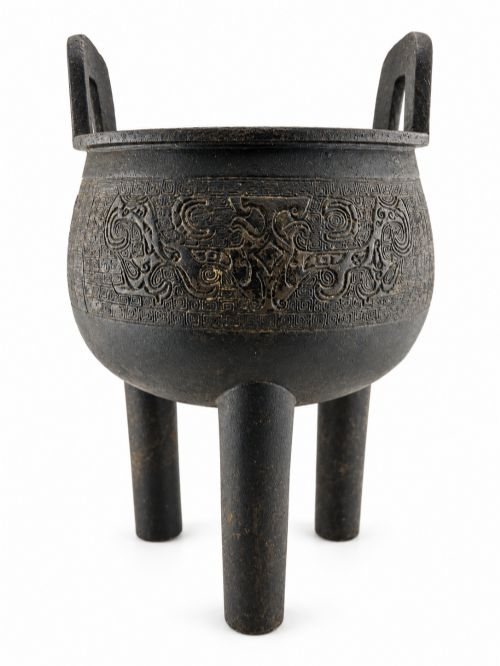
Buyers frequently encounter late Qing dynasty bronzes featuring archaistic taotie decoration, alongside pierced lotus lids and mythical creature finials.
Materials and construction
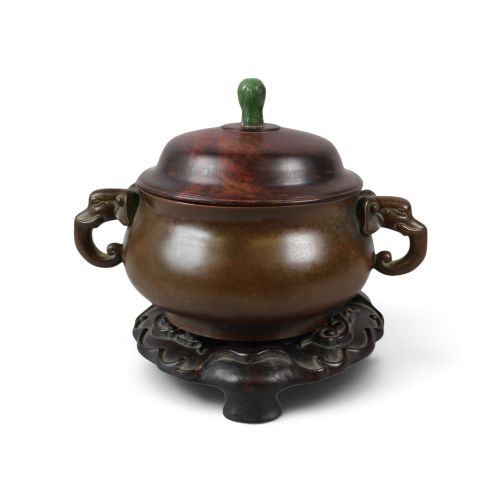
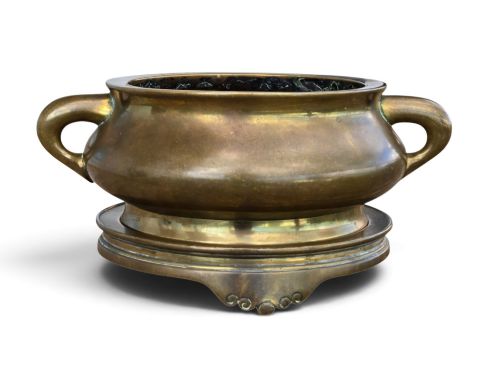
Bronze forms depend on complex lost-wax casting techniques, producing dense, heavy walls with deep bell-ring resonance and rich patination.
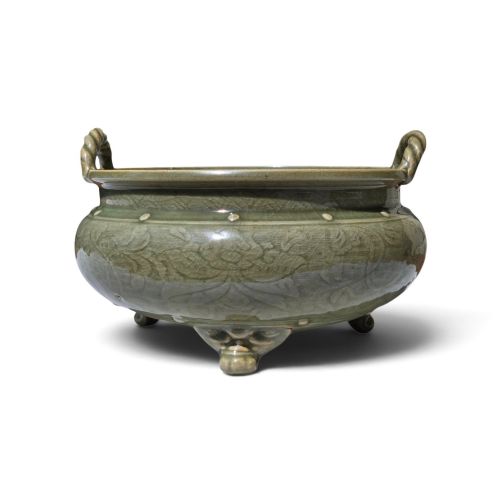
Ceramic equivalents employ porcelain, earthenware, and celadon glazes, sometimes enhanced with gold leaf and intricate enamel work.
Applied elements such as zitan wood stands, coral covers, and jade finials demonstrate multi-material assembly practiced by skilled workshops.
Tripod Incense Burner Retail Price Guide 2026
Typical asking prices for tripod incense burner among the pieces listed under this phrase on Sellingantiques today, from the lower quarter to the upper quarter. They describe what is for sale here now, not the wider market.
Listings feature bronze, brass, jade, enamel, and porcelain materials spanning the 16th century through the Edwardian era.
Distinctions in execution
Quality rests upon the crispness of the chased or cast detail, distinguishing sharply rendered dragon masks and floral motifs from soft, blurred casting.
Heft and proportional balance separate utilitarian vessels from master-cast scholar pieces possessing substantial weight and deliberate harmonic resonance.
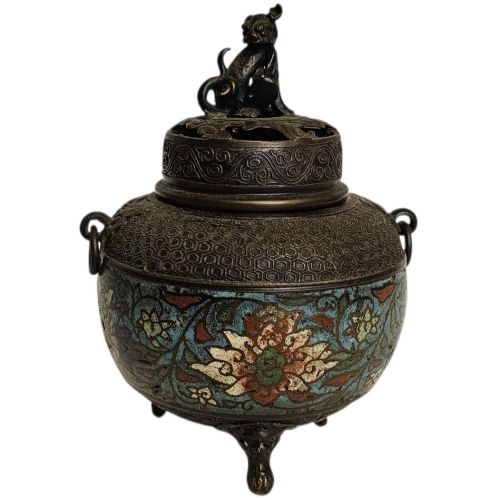
The integrity of surface finishes - whether deep bronze patinas, vibrant cloisonné enamel, or controlled celadon glazes - dictates the standing of the work.
Walker and Hall·Wu Bangzuo·Ippo
The Tripod Incense Burner Glossary
- Censer
- A vessel designed for burning incense. These containers often feature ventilated covers to release fragrant smoke steadily.
- Koro
- A Japanese incense burner. They frequently appear in porcelain or earthenware with three feet and a matching lid.
- Archaistic
- A style deliberately mimicking ancient ritual bronzes from earlier dynasties. Makers utilise this aesthetic to evoke venerable antiquity.
- Cloisonne
- Enamelling technique where metal wire forms compartments on a metal body. These cells are filled with coloured paste and fired.
- Celadon
- A pale green jade-like ceramic glaze originating in China. It is prized for its subtle tone and thick, translucent finish.
Tripod Incense Burner: Frequently Asked Questions
What is a koro?
A koro is a traditional Japanese incense burner typically supported on three legs with a pierced cover.
These pieces are made from ceramic or bronze and often feature detailed painted designs or sculpted guardian lions on the lid.
How do I date a bronze censer?
Dating relies on examining the casting quality, the composition of the metal, and any imperial or studio marks present on the base.
Stylistic cues like archaistic taotie motifs or specific patination also help specialists place a piece within dynasties such as the Ming or Qing.
Were these vessels used daily?
Many heavy bronze examples were created for scholar studios to burn aromatic woods during writing and contemplation.
Ceramic variants often served ritual functions in temples or decorative roles within traditional domestic interiors.
What does archaistic mean?
Archaistic describes later pieces that consciously imitate the shapes and decorative motifs of ancient ritual bronzes.
Craftsmen revived these archaic forms during later dynasties to pay homage to early Chinese artistry.