


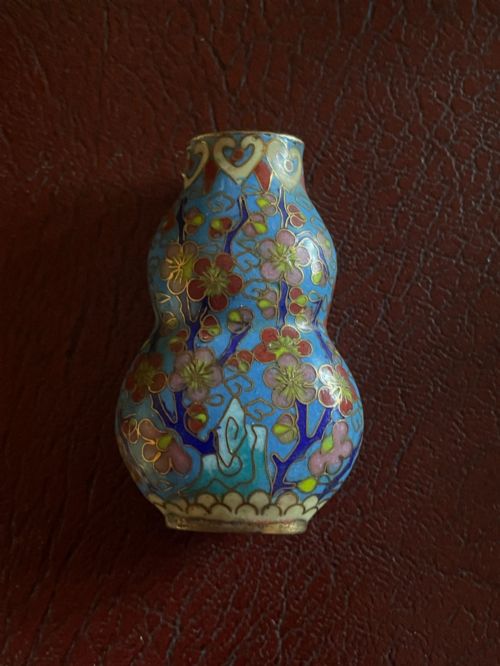
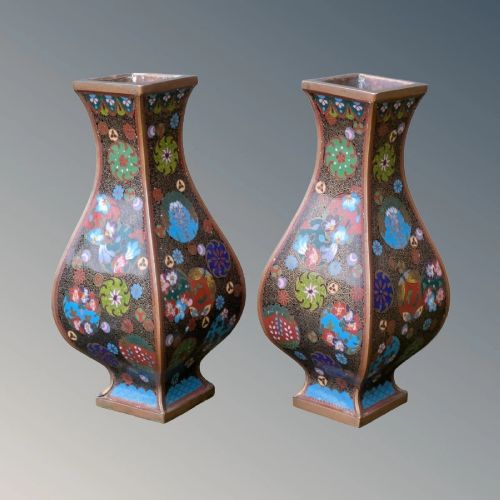


Brass Cloisonne Vessel
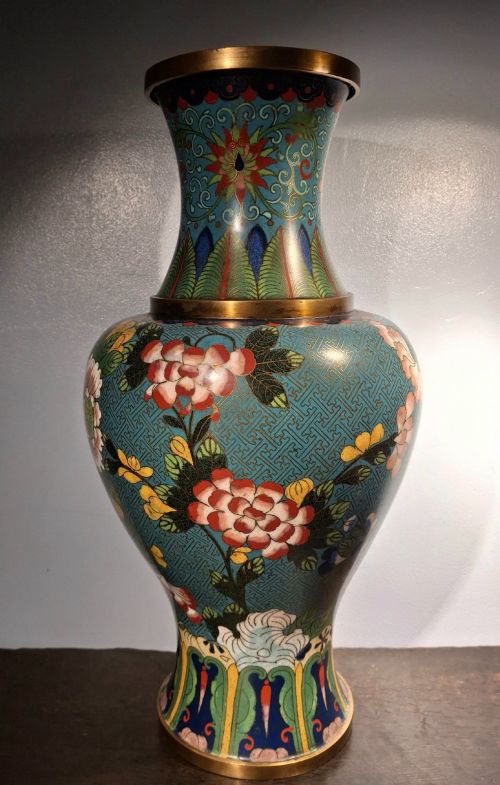
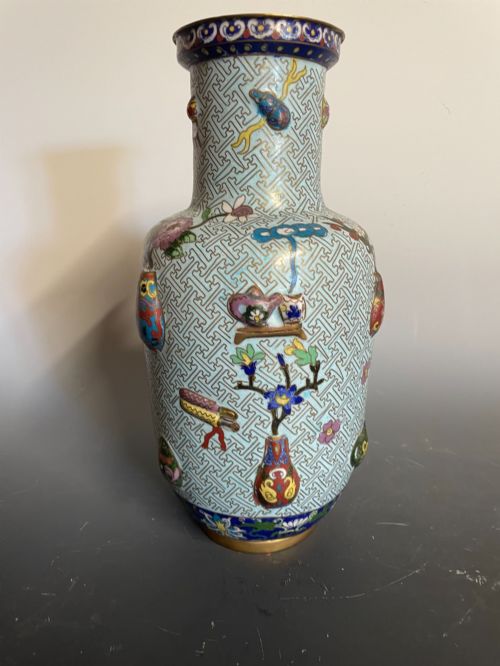
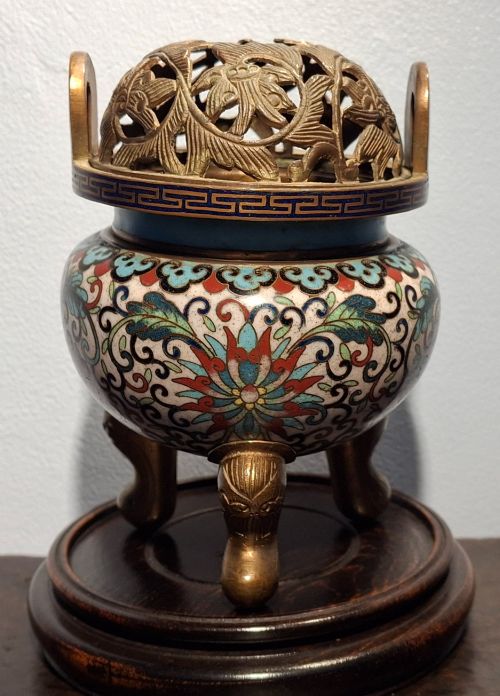
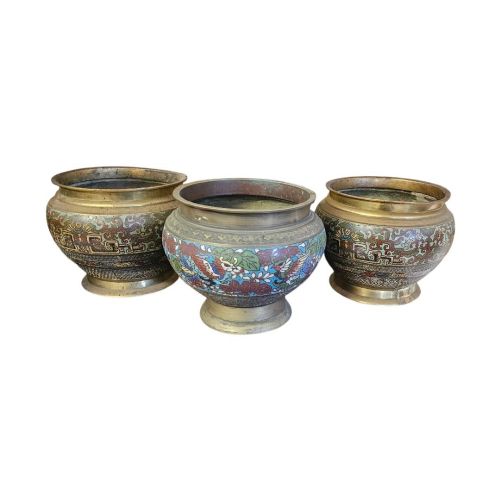
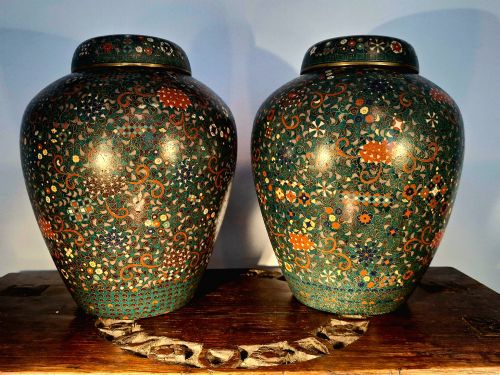
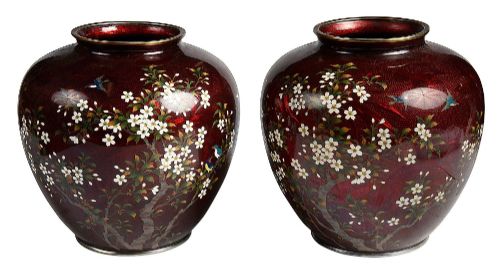
A brass cloisonne vessel brings tactile weight and vibrant enamel work into a room, joining centuries of Asian decorative art traditions.
Brass Cloisonne Vessel
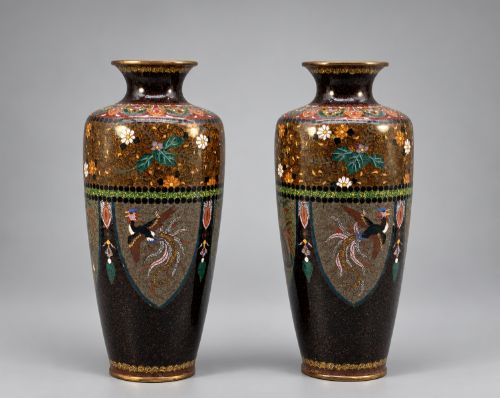
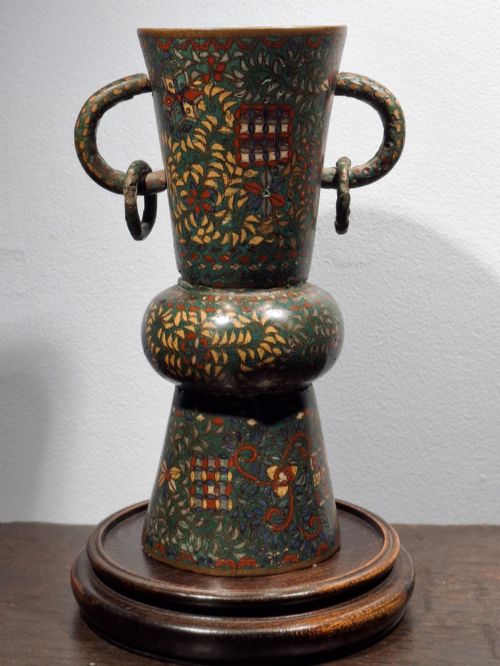
A brass cloisonne vessel encompasses decorative vases, ginger jars, bowls, jardinieres, and incense burners formed from metal and intricate enamel work. The brass cloisonne vessel you meet on this page most commonly originates from the nineteenth century or the early twentieth century, spanning Qing Dynasty China and the Meiji and Edo periods of Japan.
Forms range from miniature ritual vases and lidded bowls to large floor-standing jardinieres and table lamps. Chinese examples often display rich floral motifs and geometric patterns, whilst Japanese counterparts frequently showcase birds, mosaics, and phoenix designs.
Buyers encounter these objects functioning as standalone decorative centrepieces or converted for domestic lighting. Each piece bridges utility and display, carrying the distinct aesthetic of Chinese export decorative art and Chinoiserie.
Materials and construction
The foundation of these pieces relies on metalwork using brass, copper, bronze, and gilded brass, shaped into vessels before the application of surface decoration. Artisans solder thin wire partitions, known as cloisons, onto the metal body to map out intricate patterns and cellular compartments.
Coloured enamel paste fills these tiny wire cells before the object undergoes firing and polishing to create a smooth, continuous surface. Gilt bronze and bronze variations appear alongside brass structures, often paired with champlevé techniques where troughs are gouged directly into the metal rather than relying solely on soldered wires.
Brass Cloisonne Vessel Retail Price Guide 2026
Typical asking prices for brass cloisonne vessel among the pieces listed under this phrase on Sellingantiques today, from the lower quarter to the upper quarter. They describe what is for sale here now, not the wider market.
Some nineteenth-century artisans hid tiny metallic beetles within floral enamel mosaics just to surprise careful observers.
Assessing quality and execution
Quality reveals itself in the precision of the wirework and the density of the enamel filling. Finer examples display microscopic regularity in the cellular partitions and a smooth, unblemished polish across the entire metal and glass surface.
The depth of colour, complexity of pictorial motifs such as birds and mosaics, and the weight of the underlying bronze or brass body distinguish superior items from simpler commercial output. Well-preserved gilding and crisp junction points between the vessel body and its decorative elements indicate superior workshop production.
The Brass Cloisonne Vessel Glossary
- Cloisonne
- Enamelwork in which coloured pastes are separated by thin metal wires soldered to a metal base. This technique creates a stained-glass effect upon a metallic structure.
- Champleve
- An enamelling technique where depressions are carved into a bronze or brass base to hold enamel paste. The surrounding metal acts as the visible border between coloured sections.
- Meiji Period
- A Japanese historical era lasting from 1868 to 1912 noted for detailed decorative arts exported globally. Vases and bowls from this timeframe frequently exhibit naturalistic bird and floral subjects.
- Qing Dynasty
- The final imperial dynasty of China, spanning from 1644 to 1912, famous for rich polychrome enamel vessels. Pieces from this era often feature symmetrical floral designs and deep blue grounds.
- Jardinere
- A large ornamental pot or bowl designed to hold plants or flowers. These heavy vessels often sit upon stands and incorporate bronze or brass frames.
Brass Cloisonne Vessel: Frequently Asked Questions
What is a brass cloisonne vessel?
A brass cloisonne vessel is a decorative metal object decorated with soldered wire compartments filled with coloured enamel. These pieces include vases, jars, and bowls created in Asian workshops.
Craftsmen fused glass pastes to metal bases through repeated firing and polishing. The resulting items combine metallic structure with vibrant surface patterns.
How do I clean a cloisonne vase?
Dust these vessels gently with a soft, dry cloth to prevent accumulation in the wire recesses. Avoid harsh chemical cleaners or abrasive pads that can scratch the delicate enamel surface.
Moisture can seep beneath poorly sealed wires, so keep liquid cleaning to an absolute minimum. A soft brush helps clear debris from intricate cloison boundaries safely.
Where were these vessels made?
These pieces originate primarily from China and Japan during the nineteenth and early twentieth centuries. Chinese Qing workshops and Japanese Meiji period studios produced the majority of surviving examples.
Export markets drove the creation of these decorative items for Western homes. They range from small ritual jars to large jardinieres.
How do I date a cloisonne piece?
Dating relies on examining the metal composition, the style of the enamel colours, and the manufacturing precision. Nineteenth-century examples often utilise heavier bronze or brass bases with hand-beaten elements.
Later pieces from the twentieth century show different wire thicknesses and synthetic enamel tones. Historical motifs also align with specific imperial reigns or Japanese artistic eras.
Can I use a cloisonne bowl for food?
These vessels are intended for decorative display rather than culinary use. The enamel compounds and underlying base metals are unsuited for storing or serving consumables.
Acids in food can damage the polished enamel surface and corrode the metal wire partitions. Display them safely on surfaces away from moisture and direct heat.