
Qing Dynasty Incense Burner
When you explore a qing dynasty incense burner, you encounter vessels designed for ritual and scholarly spaces that combine metalwork and ceramic forms.
Qing Dynasty Incense Burner
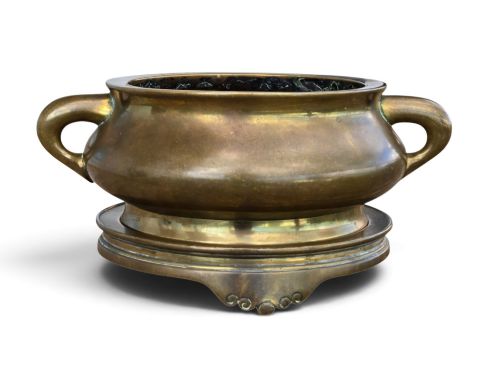
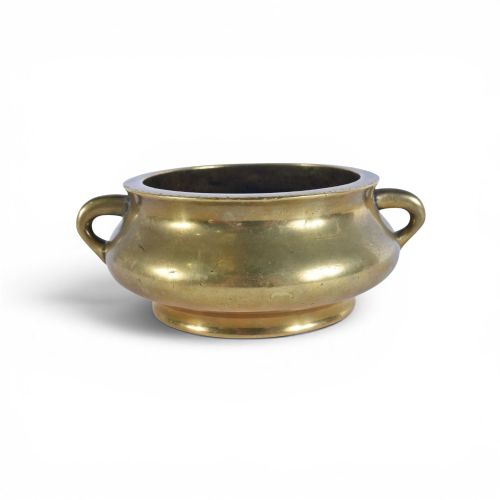
A qing dynasty incense burner serves as a vessel for burning aromatic materials in traditional settings, taking the form of tripod censers, bowls, and jardinieres. These pieces originate primarily from the eighteenth and nineteenth centuries, spanning both imperial workshops and export markets.
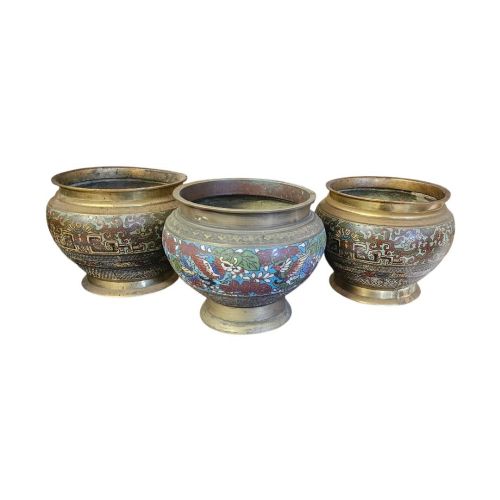
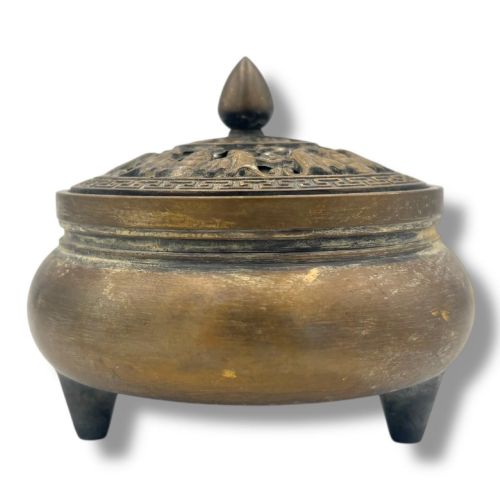
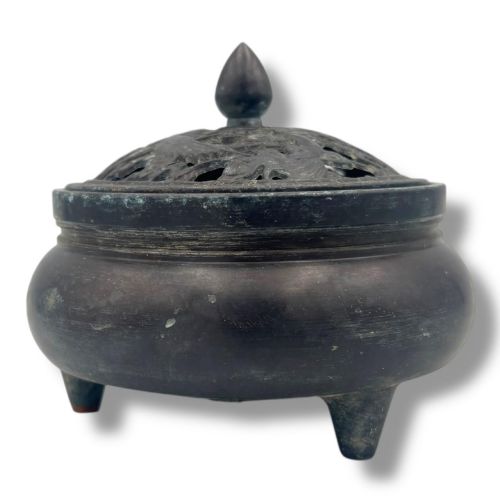
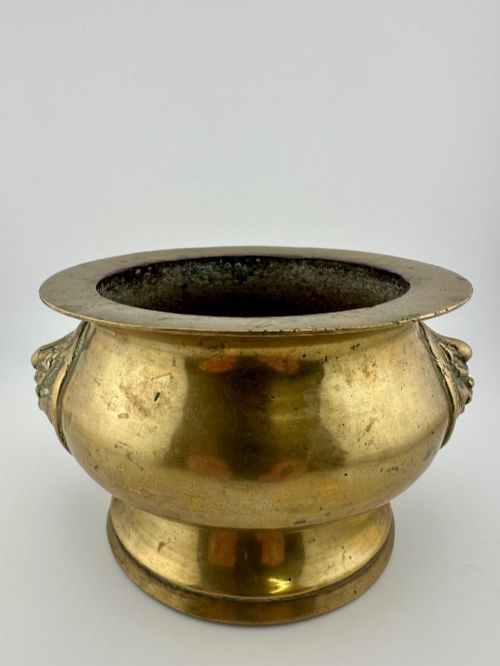
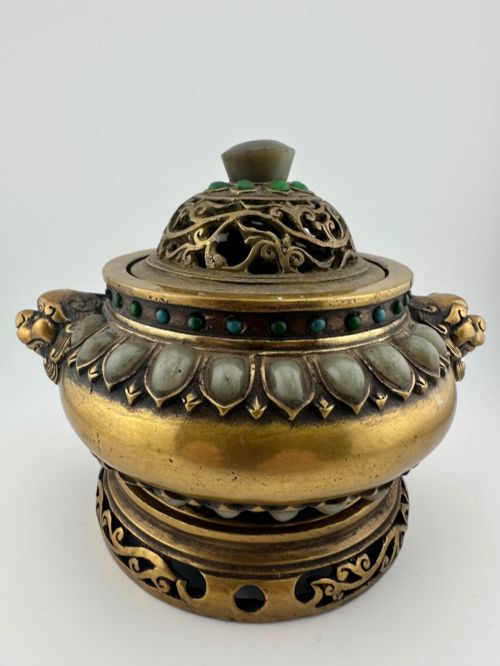
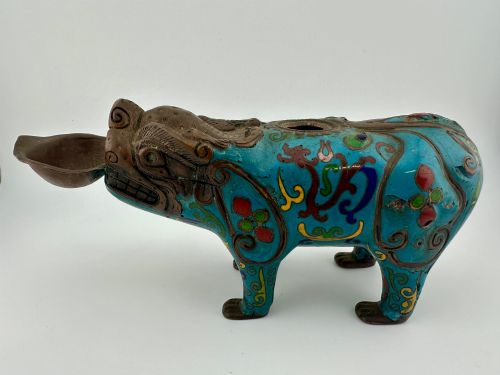
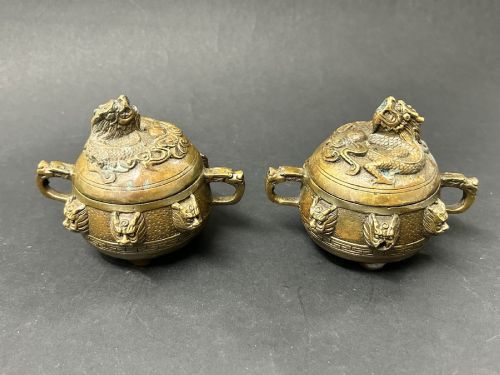
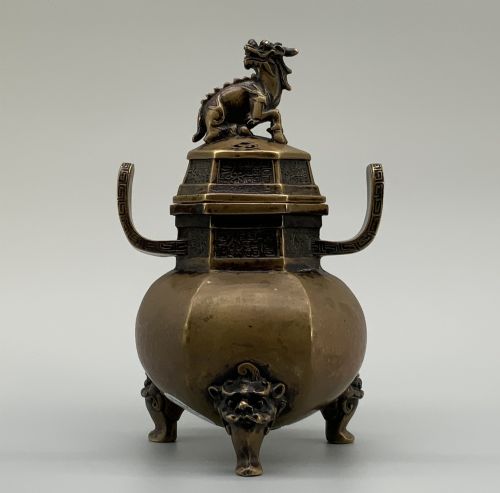
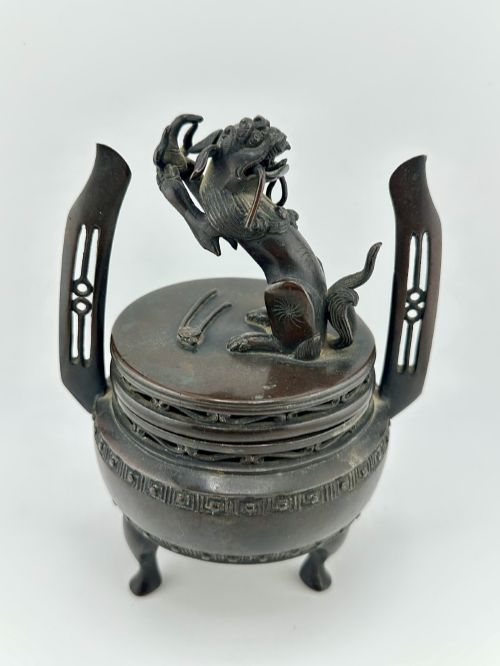
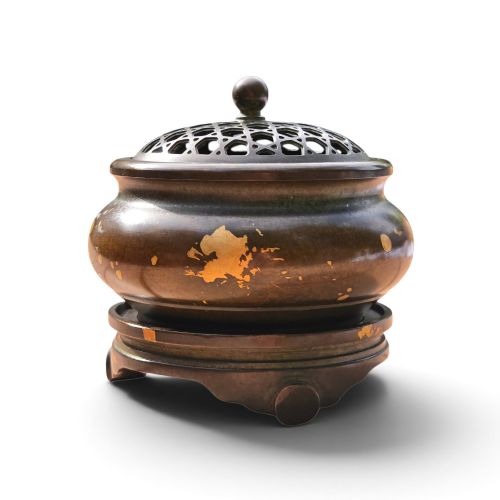
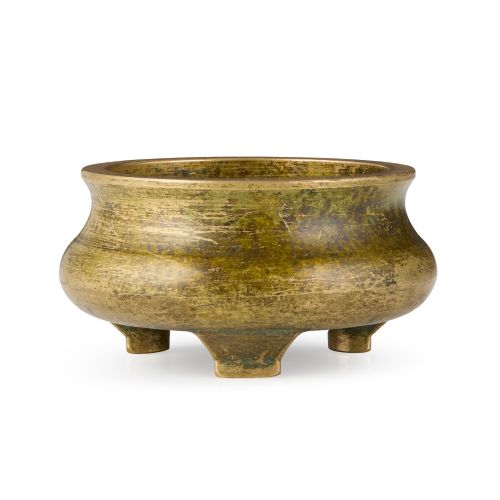
The most common examples on this page are bronze and brass tripod censers featuring handled designs, pierced lids, and animal motifs such as foo dogs, dragons, and qilin. Alongside metal vessels, collectors find porcelain and jade interpretations reflecting the aesthetic standards of the period.
Materials and Construction
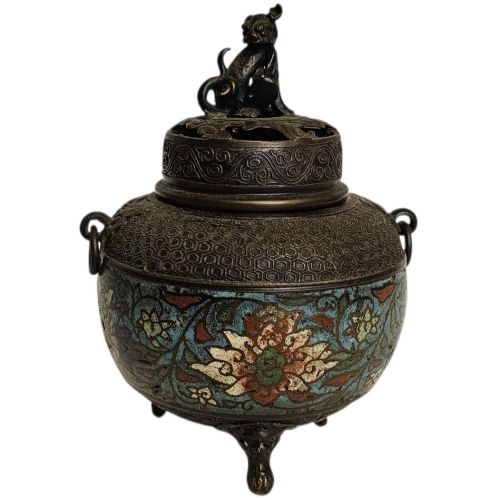
Makers utilised cast bronze, brass, and cloisonné enamel to construct durable vessels, frequently applying surface treatments such as gold-splashing or champlevé detailing. Metal pieces often incorporate cast tripod supports and fitted hardwood stands.
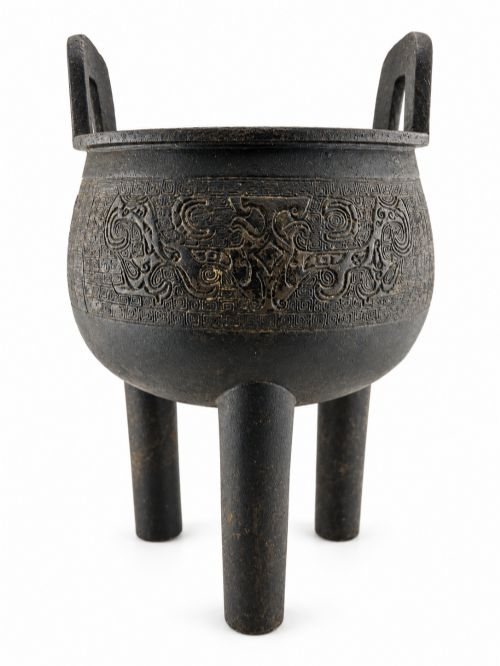
Ceramic examples employ porcelain and earthenware bodies finished with glazes like blanc de Chine or famille rose decoration. Artisans shaped these materials into bamboo forms, archaic ding shapes, and bulbous bombé profiles.
Qing Dynasty Incense Burner Retail Price Guide 2026
Typical asking prices for qing dynasty incense burner among the pieces listed under this phrase on Sellingantiques today, from the lower quarter to the upper quarter. They describe what is for sale here now, not the wider market.
One miniature bronze censer weighs just over one hundred grams, proving that monumental scholarly gravity comes in pocket-sized editions.
Gradation of Quality
Quality rests in the weight of the casting and the crispness of decorative details such as taotie masks, dragon reliefs, and lion mask handles. Heavier bronzes with bell-ring resonance and meticulous patination stand apart from lighter commercial productions.
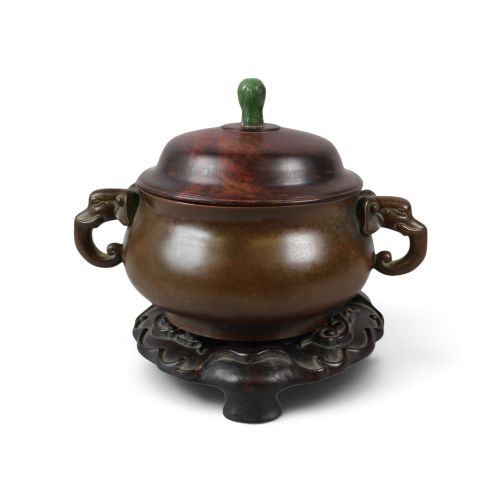
Refinement in the secondary elements dictates overall merit, including the precision of pierced lotus lids, the integration of hardstone or jade finials, and the inclusion of bespoke zitan or hardwood stands.
The Qing Dynasty Incense Burner Glossary
- Censer
- A vessel designed specifically for burning incense during ceremonies or scholarly contemplation. These containers often feature pierced covers to allow smoke to disperse evenly.
- Tripod
- A vessel supported by three feet, frequently seen in archaic ritual bronzes and later scholar's studio pieces. This configuration provides stability on wooden stands and tables.
- Cloisonné
- An enamelwork technique where metal wire is soldered to a metal base to create compartments, which are then filled with coloured paste and fired. This method produces vibrant surface patterns across the body of the burner.
- Ding
- An ancient Chinese ritual vessel form featuring a round or square bowl raised on legs. Qing period makers frequently revived this shape for scholar's desk accessories.
- Blanc de Chine
- A white porcelain produced at Dehua in Fujian province, valued for its creamy glaze and delicate moulded details. Pieces in this medium often replicate natural textures like bamboo.
Qing Dynasty Incense Burner: Frequently Asked Questions
What were incense burners used for?
These vessels held aromatic incense during religious rituals, ancestral rites, and meditative practices in scholarly studios. Burning fragrant woods and resins created a serene atmosphere for writing and contemplation.
Over time, they evolved into decorative art objects displayed on bespoke hardwood stands within elite interiors. Their presence signalled refinement, scholarly taste, and connection to ancient traditions.
How do I care for a bronze censer?
Bronze vessels require minimal intervention to preserve their historic patina and surface character. Dust them gently with a soft, dry cloth without applying polishes or chemical cleaners.
Keep them away from excessive moisture and direct sunlight to protect any associated hardwood stands or inlay work. Handling them with clean hands prevents oils from altering the metal finish.
How are periods identified?
Dating relies on stylistic markers, casting techniques, material composition, and inscribed reign or studio marks. Objects referencing earlier dynasties often emulate archaic forms while retaining manufacturing methods characteristic of their actual period of production.
Comparison with documented examples helps distinguish pieces made during imperial reigns from later nineteenth-century revivals. Subtle variations in patination and weight provide additional clues to age.
What is an archaic style?
Archaic style refers to the deliberate adoption of decorative motifs and vessel shapes from much earlier dynasties, particularly the Shang and Zhou periods. Makers revived forms like the ding and applied taotie mask reliefs to project antiquity and scholarly gravity.
These revival pieces reinterpreted ancient ritual bronzes through the refined craftsmanship of the Qing era. They formed an essential component of the antiquarian aesthetic cultivated by scholars.