


18th Century Chinese Bronze
These 18th century chinese bronze pieces are scholarly vessels and ritual bronzes built to anchor a room with serious weight and quiet authority.
18th Century Chinese Bronze
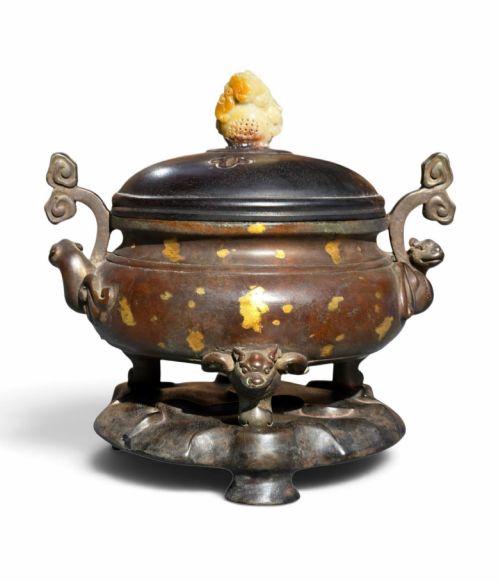
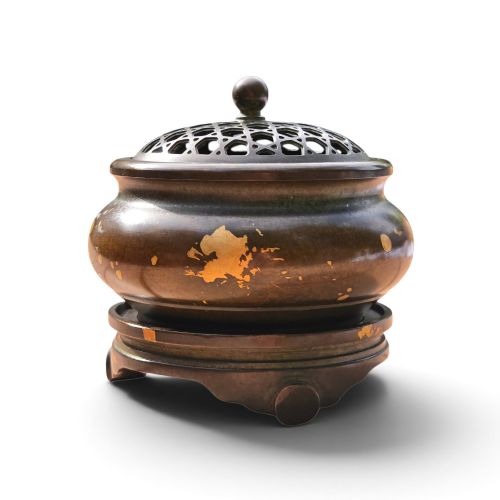
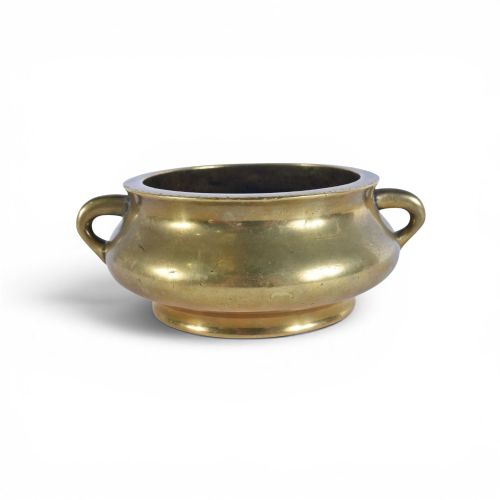
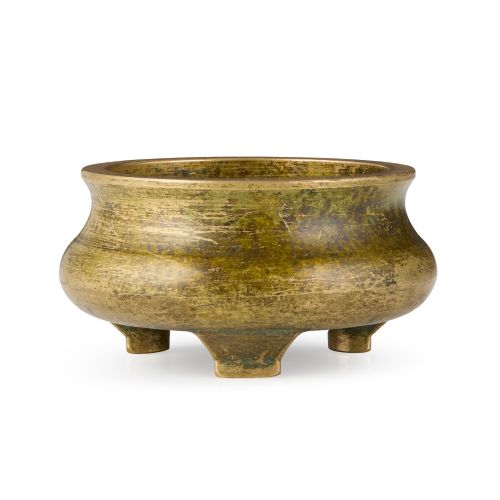
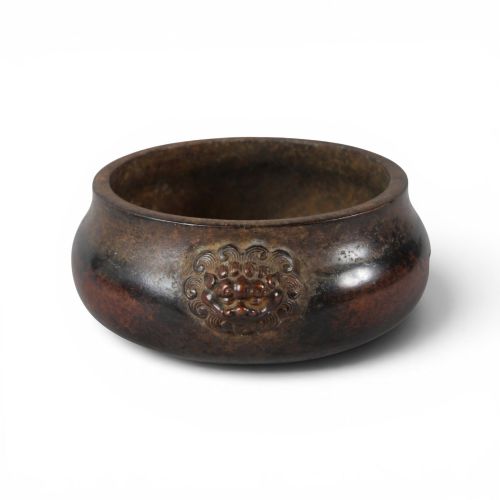
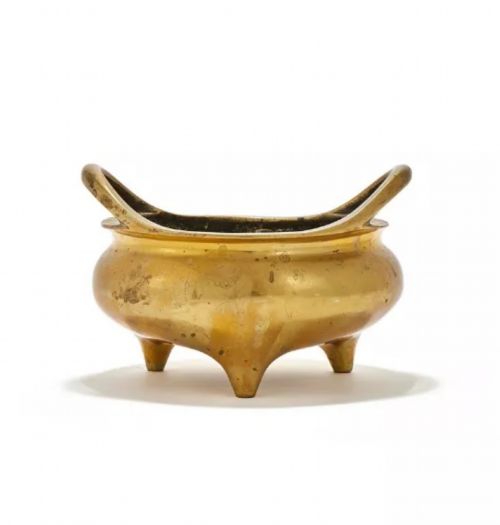
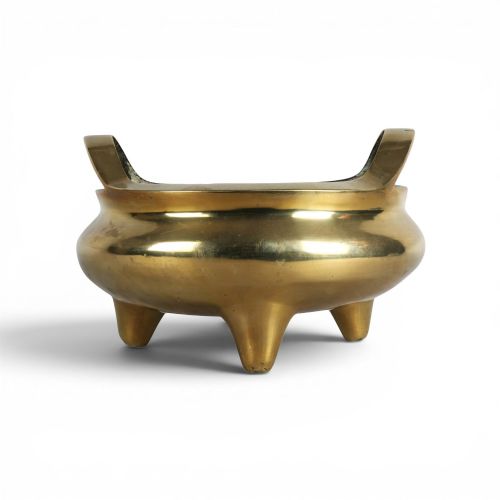
When you search for 18th century chinese bronze, you find heavy ritual vessels, tripod censers, scholar's desk items, and figural burners meant for the studio or shrine. The version you are most likely to meet on this page is the heavy bronze tripod censer, often bearing a Xuande or Wu Bangzuo mark from the Qing Dynasty.
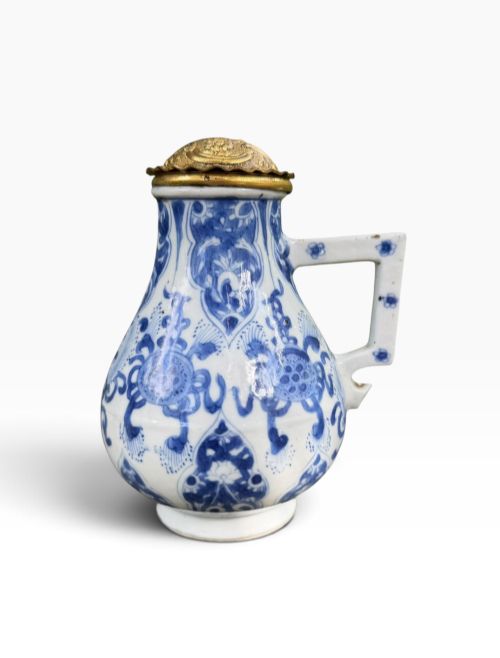
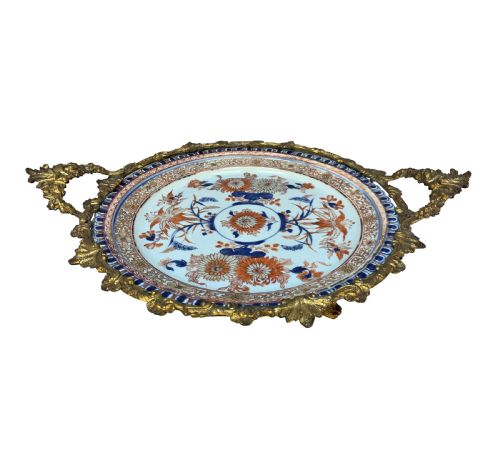
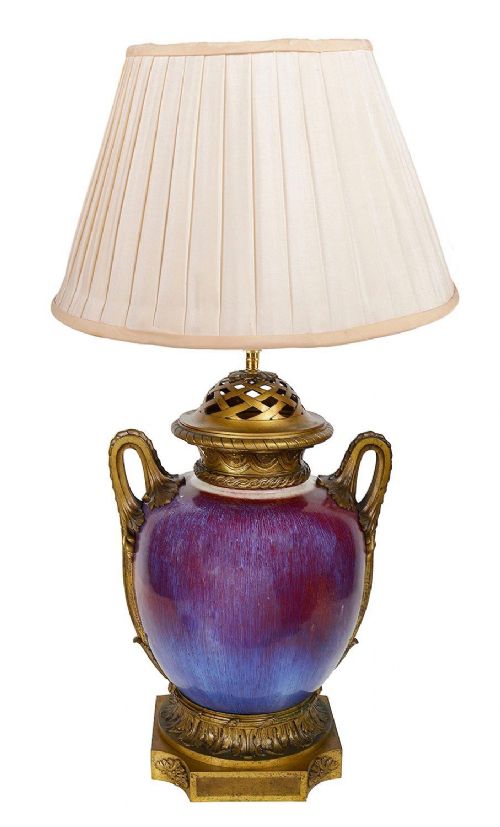
The material record spans the 17th, 18th, and 19th centuries, capturing both Qing Dynasty productions and later Chinoiserie or French Rococo ormolu mounts added to porcelain. Alongside solid bronze and brass, you encounter pieces paired with porcelain like Chinese Imari and Sang de Boeuf.
These items served practical and ritual functions, from burning incense on a scholar's desk to holding food in archaic ritualistic bowls or supporting lamps in later European interiors. The forms range from Gu vases and kylin figural burners to lidded pots raised on bear feet with ring handles.
How They Were Made
The makers of 18th century chinese bronze utilised lost-wax casting and allied techniques to achieve substantial weights, with individual censers scaling from over a kilogram to several kilograms of solid bronze or brass. This metalwork was frequently enhanced with gold gilding or gold-splashed surfaces that caught the light in a scholar's studio.
Beyond metal casting, European hands later combined these objects with ormolu mounts, pairing Chinese porcelain plates, Mandarin vases, and lidded vase lamps with French Rococo gilt-metal frames. Fabric elements also appear where these vessels found new life as table lamps in subsequent centuries.
18th Century Chinese Bronze Retail Price Guide 2026
Typical asking prices for 18th century chinese bronze among the pieces listed under this phrase on Sellingantiques today, from the lower quarter to the upper quarter. They describe what is for sale here now, not the wider market.
Materials recorded across the site include bronze, brass, gold gilding, porcelain, and ormolu.
What Varies in Quality
The distinction between ordinary and exceptional 18th century chinese bronze rests in the heft of the metal, the crispness of the cast marks, and the integrity of the surface patination. Heavier examples with well-defined Xuande or Wu Bangzuo marks demonstrate a deliberate commitment to traditional scholarly standards.
Quality also shows in the harmony of secondary materials, whether it is the secure integration of ormolu mounts on porcelain or the subtlety of gold-splashed details across a bronze surface. The presence of matching covers and original stands elevates an object from a lone fragment to a complete studio ensemble.
The 18th Century Chinese Bronze Glossary
- Censer
- A vessel designed for burning incense during meditation or scholarly study. These frequently take tripod forms with handles.
- Ormolu
- Gilt-bronze decorative mounts applied to ceramics or furniture, common in French Rococo and Chinoiserie interiors.
- Archaistic
- A style that consciously emulates the forms and decorative motifs of much older ancient Chinese ritual bronzes.
- Xuande
- A dynastic reign mark often placed on later bronzes to honour the high standards of early Ming metalwork.
- Gu
- An ancient form of ritual bronze beaker vase with a flared trumpet mouth, central bulb, and wide foot.
18th Century Chinese Bronze: Frequently Asked Questions
What is a bronze tripod censer?
A tripod censer is a three-legged metal bowl used primarily for burning aromatic incense in traditional Chinese studies and temples.
They were cast in heavy bronze or brass to sit steadily on a desk, often featuring handles and fitted covers to manage smoke.
Why do some bronzes have marks?
Marks stamped or cast into the base record the reign period, a specific maker, or a tribute to historical craftsmanship like the Xuande era.
Collectors look to these studio and dynastic marks to understand the intended heritage and authority of the piece.
What are ormolu mounts?
Ormolu refers to cast, gilded bronze mounts that European craftsmen attached to Chinese porcelain plates and vases.
This practice blended Asian ceramics into Western decorative schemes, particularly during the popularity of French Rococo and Chinoiserie styles.
How do I live with these bronzes?
These pieces require very little maintenance beyond dusting and should be placed on stable surfaces capable of supporting substantial weight.
Their dark patinas and metallic finishes pair naturally with timber furniture, books, and neutral interiors.