


Dark Bronze Chinese Vase
A dark bronze chinese vase brings a rich, deep metallic tone and centuries of craftsmanship into a room.
Dark Bronze Chinese Vase
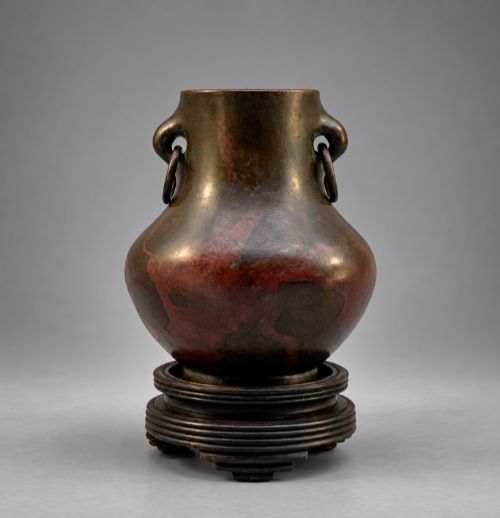
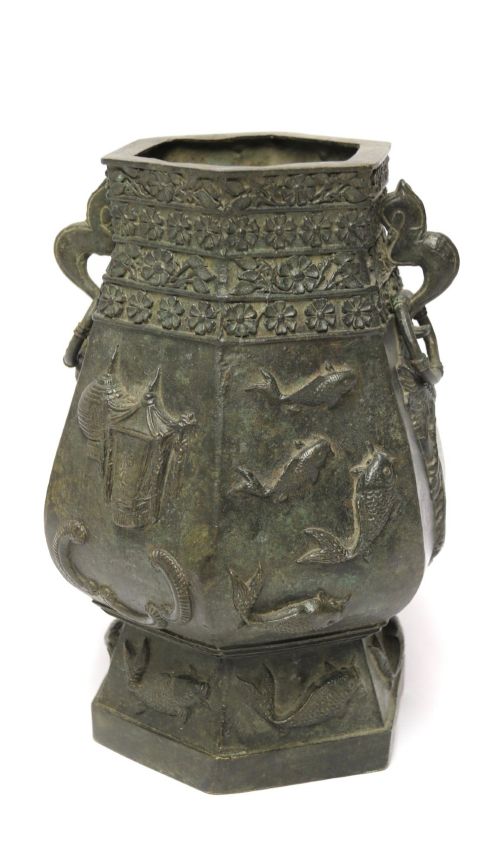
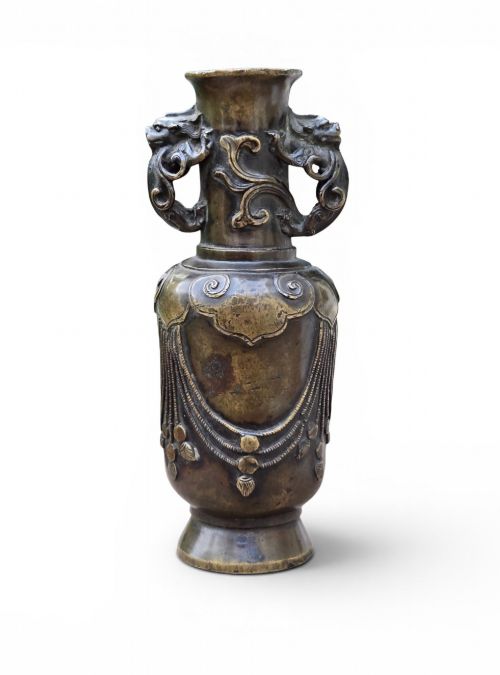
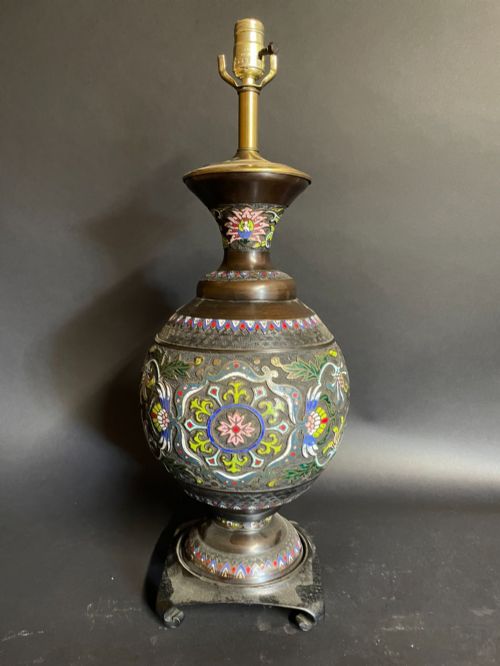
When you search for a dark bronze chinese vase, you encounter items shaped by ancient aesthetics, ritual forms, and later decorative traditions. The selection spans structural hu vessels, hexagonal vessels, altar vases, and gu forms alongside pieces adapted into table lamps.
The material surface carries varied history, ranging from patinated bronze and cast bronze to deep dark patinas developed over time. Many examples date from the nineteenth century, including pieces from the Qing Dynasty, alongside earlier works stretching back to the seventeenth century and pre-sixteenth century eras.
You also notice stylistic crossovers such as Victorian Chinoiserie and Japanese Meiji elements sitting alongside traditional Chinese designs. These objects function equally well as standalone display urns, flower pots, or functional vessels.
How they were made
The construction relies heavily on cast bronze and solid bronze, often shaped into intricate geometric or ritual forms such as hexagonal bodies and archaistic hu vessels. Artisans utilised skilled metalworking techniques to form dragon handles and complex ritual vessels like 'yingluo' pieces.
Surface finish is central to the character of each piece, achieved through patinated bronze and applied patina treatments that darken the metal over time. Accents of wood and enamel occasionally complement the heavy bronze structure, particularly in altar sets and decorative urns.
Several heavy pairs refuse to go unnoticed, weighing in at over three kilograms of solid cast bronze per vessel.
What varies in quality
The distinction between ordinary and exceptional pieces lies in the crispness of the casting and the depth of the patination. Heavier metal weights, such as multi-kilogram pairs of altar vases, generally indicate substantial craftsmanship and material density.
Historical fidelity also dictates value, particularly in pieces that successfully emulate archaic ritual bronzes from earlier dynasties compared to mass-produced nineteenth-century commercial wares. The presence of published provenance or intricate details like dragon handles elevates certain vessels above plain utilitarian forms.
The Dark Bronze Chinese Vase Glossary
- Hu vase
- A ritual wine vessel form featuring a pear-shaped body and tubular handles, adapted over centuries into decorative display pieces. This shape originates from ancient Chinese bronze rituals.
- Gu vase
- A slender ceremonial beaker with a flared trumpet mouth and a wide base, commonly associated with ancient ritual wine consumption. Later dynasties revived this classic silhouette in bronze.
- Archaistic
- A style that deliberately imitates the forms, motifs, and patination of much older antiquities, particularly ancient ritual bronzes. Makers during the Qing Dynasty frequently utilised this aesthetic.
- Patina
- The deep surface coloration and tactile layer acquired by bronze through age, oxidation, or intentional chemical treatment. A rich dark patina enhances the visual weight of the metal.
- Altar vase
- A heavy ceremonial vessel designed for placement on temple or domestic altars, often cast in balanced pairs. These pieces typically display formal, symmetrical proportions.
Dark Bronze Chinese Vase: Frequently Asked Questions
What is an archaistic bronze vase?
An archaistic bronze vase is a later piece designed to emulate the ritual forms and decorative motifs of ancient dynasties. These objects borrow shapes like the hu or gu to capture a classical aesthetic.
Craftsmen recreated these historical silhouettes using traditional casting methods, combining ancient reverence with nineteenth-century or earlier metalworking skill.
How do I care for dark bronze?
Dark bronze requires minimal intervention to preserve its natural patinated surface and prevent damage. Dust the metal gently with a soft, dry cloth without applying modern chemical polishes.
Keeping the piece away from excessive moisture and direct sunlight protects the historic patina and underlying bronze material from unnecessary wear.
Are these vases solid bronze?
Many examples in this selection consist of solid bronze or heavy cast bronze construction. Weights vary significantly, with larger decorative and altar vessels registering several kilograms.
This substantial metal content ensures stability and durability, distinguishing genuine cast pieces from lighter plated or hollow alternatives.
What period do most pieces date from?
The majority of items encountered in this category date from the nineteenth century, including pieces associated with the Qing Dynasty. You also find Victorian interpretations and occasional earlier works.
This temporal span reflects both the continuous production of ritual forms in China and the later European fascination with Chinoiserie design.
Can these bronze vases hold water?
While many pieces functioned originally as ritual vessels or flower pots, their suitability for holding water depends on the specific interior condition and construction. Older cast vessels may have internal fissures or historical repairs that make modern use risky.
It is generally wiser to treat antique bronze vessels as decorative objects or utilise a discreet inner liner if displaying fresh flowers.