



Qing Dynasty Bronze Vase
A qing dynasty bronze vase brings substantial weight, cast detail and rich patination into a room.
Qing Dynasty Bronze Vase
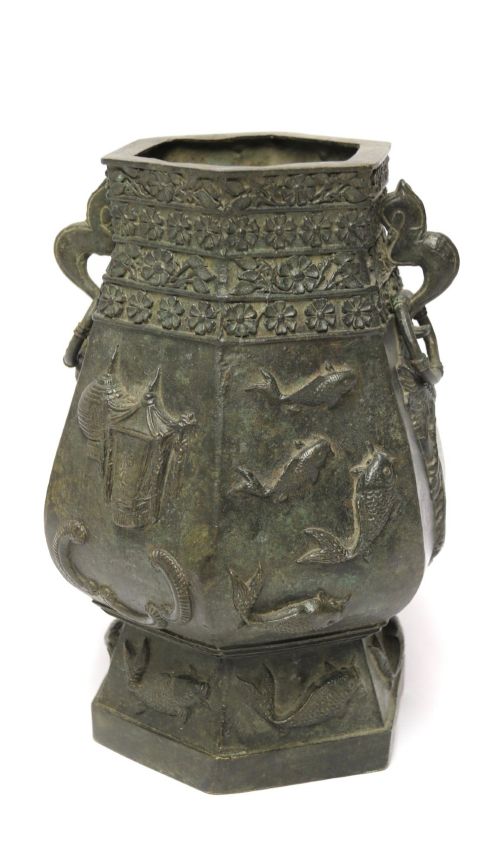
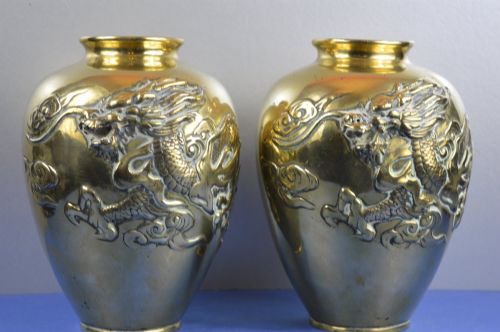
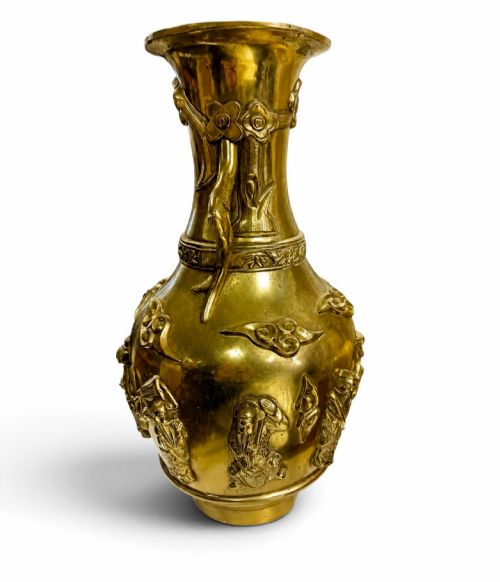
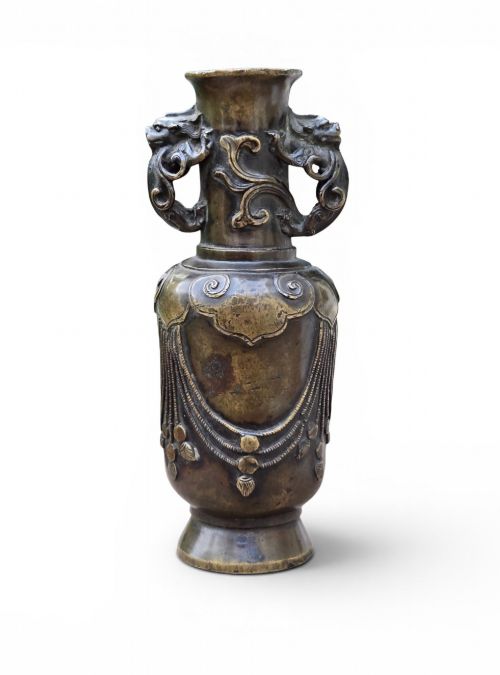
A qing dynasty bronze vase search reveals cast metal vessels from various centuries, alongside related forms in porcelain, cloisonne and copper alloy. Buyers encounter heavy ritual shapes, altar vessels and baluster forms that often carry dragon motifs or relief figures.
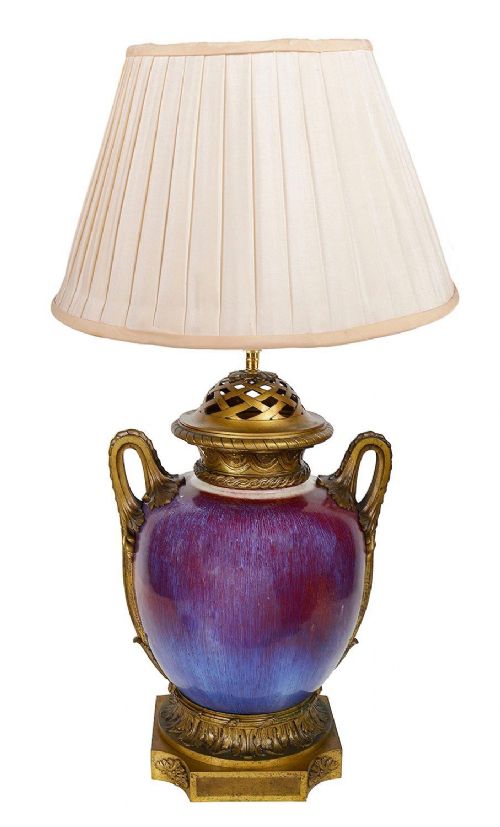
The nineteenth century provides a large share of the available stock, including pieces bearing later reign marks alongside items adapted as lamps with ormolu mounts. Earlier examples stretch back through the seventeenth century and beyond into pre sixteenth century objects.
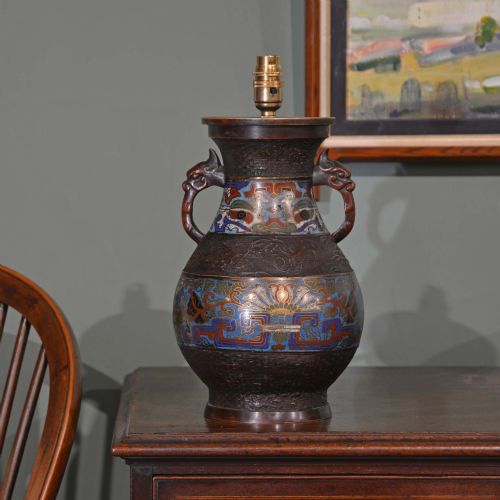
Many items double as lamps or incense burners, showing how these objects transition from traditional display pieces into functional interior lighting.
How they were made
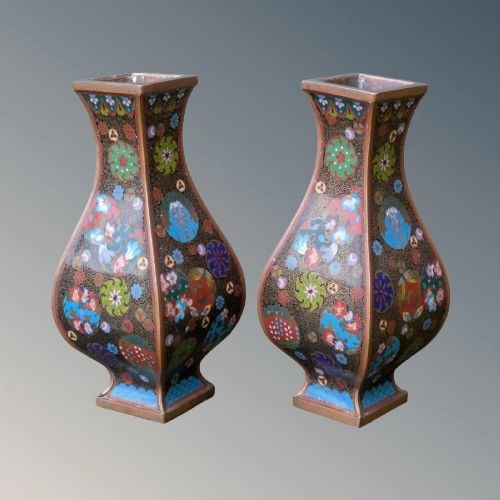
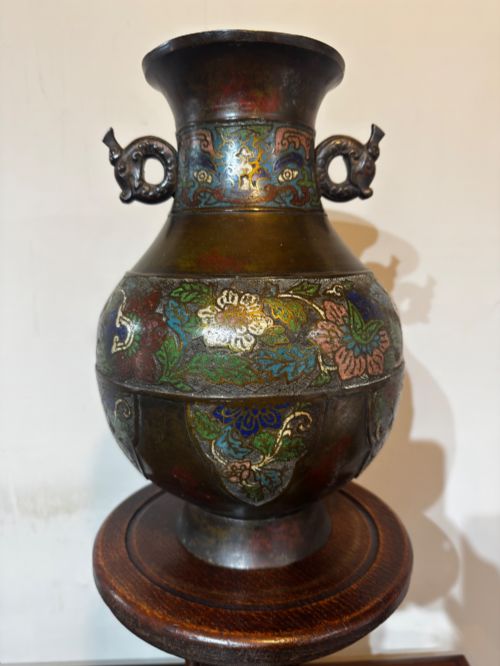
Metalwork relies on casting in bronze, brass or copper alloy, frequently enhanced through cloisonne enamel, champleve or gilt highlights. Artisans built up surface decoration using high relief casting or applied wirework to separate enamel colour cells.
Porcelain and celadon pieces appear alongside metalwork, sometimes fitted later with European ormolu mounts and fabric elements. Heavy altar vases and dragon vessels demonstrate solid casting techniques designed to yield substantial weight.
Object types span table lamps, altar vases, trumpet shapes, incense burners and baluster vessels with twin dragon handles.
What varies in quality
Quality separates simple production pieces from items with crisper relief casting, heavier metal gauge and more intricate surface enamelling. The depth and precision of dragon motifs or Daoist figures indicate the skill of the original workshop.
Condition varies from patinated bronze surfaces retaining original marks to pieces altered by conversion into table lamps with added electrical fittings and mounts.
The Qing Dynasty Bronze Vase Glossary
- Cloisonne
- Enamelwork technique where thin metal wires form raised barriers to hold coloured pastes before firing. This method creates intricate patterns across the surface of the vessel.
- Champleve
- Enamelwork technique where troughs are gouged directly into the metal body to receive coloured paste. The remaining bronze edges form the outlines of the design.
- Gu
- Ancient ritual trumpet shaped beaker form with a flared neck and wide foot. This classical shape appears in later bronze and porcelain reproductions.
- Ormolu
- Gilded bronze mounts applied to decorative objects or lamp bases. This technique gained popularity in European adaptations of Asian ceramics and metalwork.
- Baluster
- Architectural vase shape with a rounded body and a narrow neck. This balanced silhouette supports detailed relief work and dragon handles.
Qing Dynasty Bronze Vase: Frequently Asked Questions
How do I spot a converted lamp?
Converted pieces often feature drilled bases or added metal collars that hold electrical fittings. Ormolu mounts may also be attached to secure the lamp hardware.
These adaptations frequently date to the nineteenth century or later when Asian vessels found new uses in Western interiors.
What is a Gu shaped vase?
A Gu is a trumpet shaped ritual beaker with a flared mouth and a wide spreading foot. This classical form originates from ancient bronze vessels.
Later makers reproduced this silhouette in bronze and porcelain during the Qing period.
What do dragon motifs signify?
Dragon designs on metalwork denote imperial power and traditional symbolism in Chinese art. Artisans cast these creatures in high relief around the neck and body of the vessel.
Their presence usually indicates a piece made for important domestic or ceremonial use.
How heavy are these bronze pieces?
Solid bronze vessels often carry substantial weight, with larger examples weighing several kilograms. Heavy gauge metal ensures stability for tall baluster shapes and altar vases.
Weight serves as a reliable indicator of solid metal construction rather than thin plating.