



19th Century Chinese Bronze
These 19th century chinese bronze pieces bring scholar's objects, ritual vessels and animal figures into the home with heavy cast metal and rich patination.
What 19th century chinese bronze pieces are
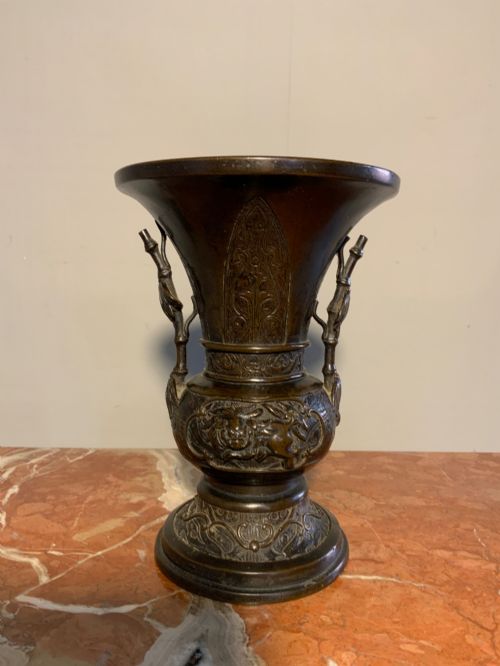
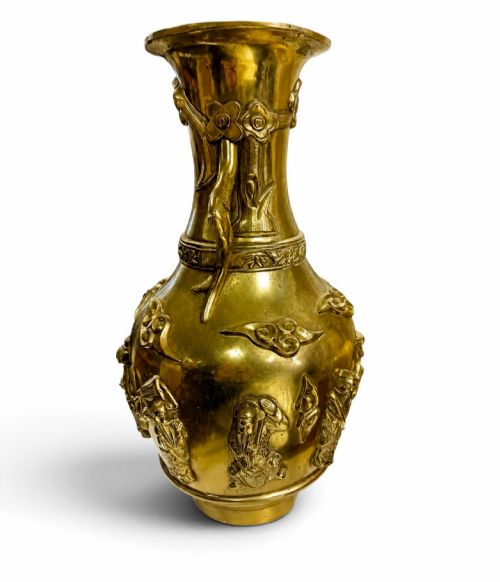
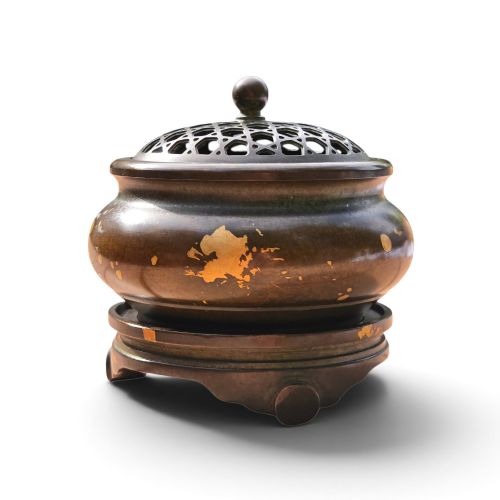
When you search for 19th century chinese bronze, you encounter objects spanning ritual vessels, desk accessories and sculptural forms. The selection includes censers, vases, jardinieres, brush rests and figural subjects representing animals and mythological figures.
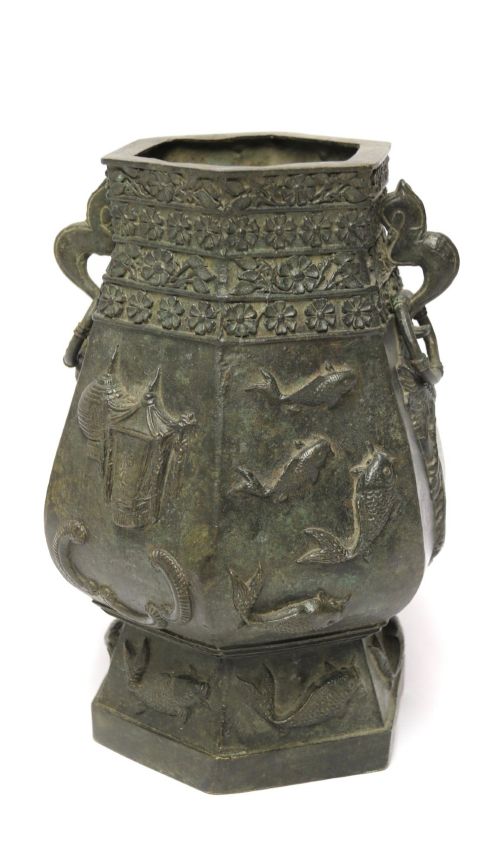
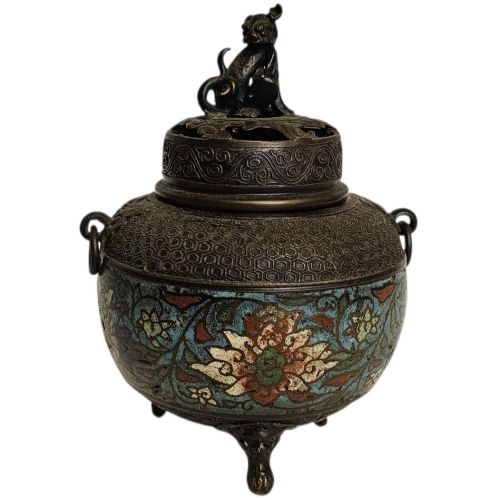
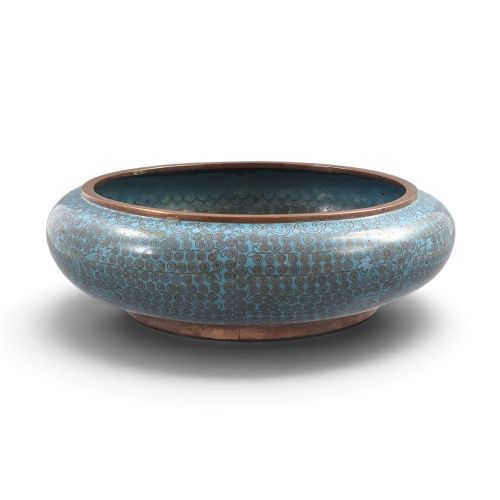
Vessels and containers form a significant portion of the available pieces. You find large bowls, censers with mask handles, and sectional jardinieres designed for plants.
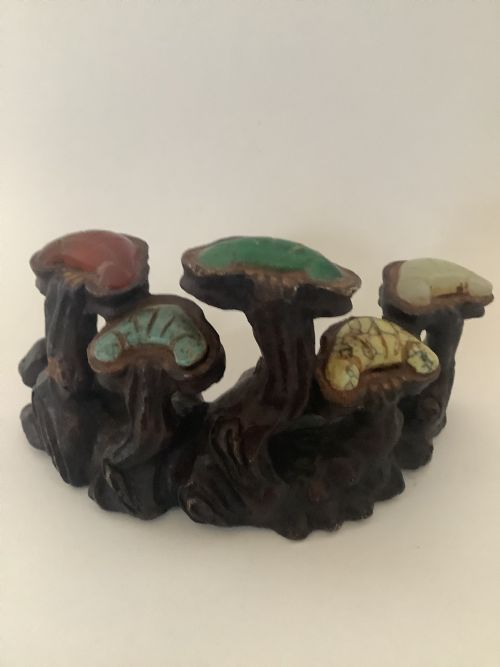
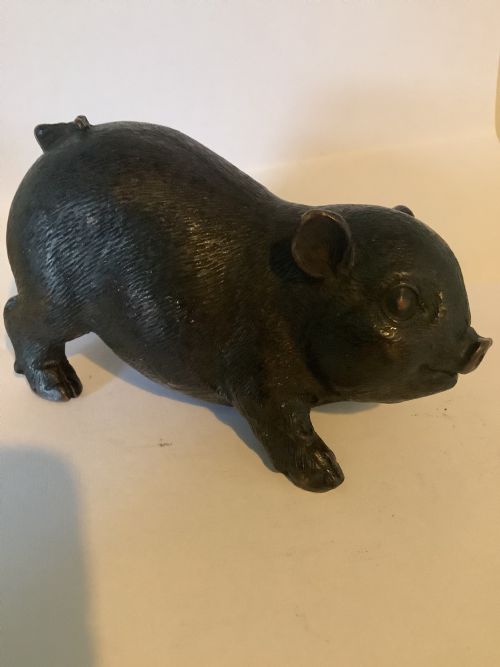
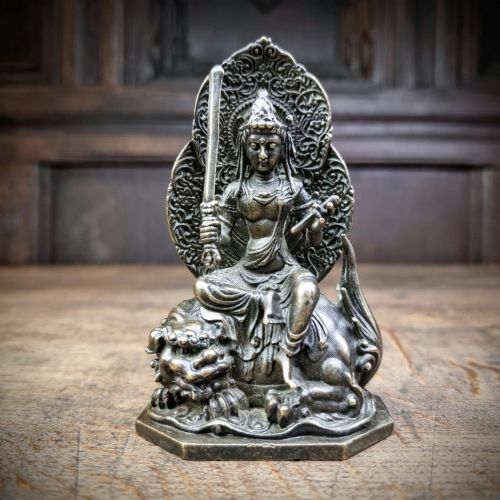
Figurines and statues depict animals such as pigs, tigers, rats, dogs of foo, koi fish and mythical beasts like the kylin or phoenix. Scholar's items such as brush pots and brush rests also appear within the Qing Dynasty aesthetic.
What varies in quality
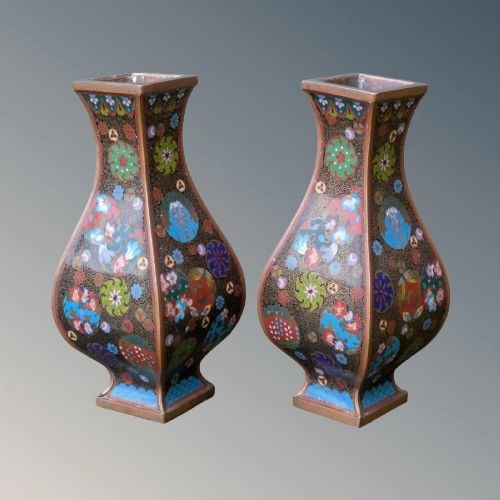
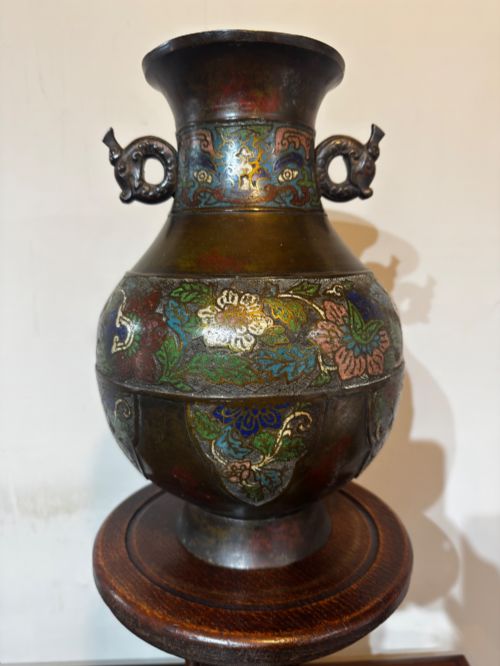
The degree of surface ornamentation separates standard vessels from heavily decorated pieces. Items incorporating detailed champleve, cloisonne enamel or silver inlay demonstrate greater complexity in execution than plain cast forms.
Scale and construction complexity also define the range. Solid hexagonal vessels, sectional jardinieres and large statues require advanced founding skill compared to smaller desk accessories.
Listings feature bronze, brass and hardstone materials formed into Qing Dynasty vases, censers, jardinieres, brush pots and animal figures.
The 19th Century Chinese Bronze Glossary
- Censer
- A vessel used for burning incense during rituals or for domestic fragrance.
- Jardiniere
- A large decorative bowl or pot used to hold growing plants.
- Cloisonne
- An enamelling technique where metal strips form compartments to hold coloured enamel paste before firing.
- Champleve
- An enamelling method where troughs or cells are carved into the bronze surface to receive enamel.
- Kylin
- A mythical hooved Chinese creature symbolising good fortune, often rendered in bronze sculpture.
Frequently Asked Questions
What were bronze censers used for?
Bronze censers served primarily as ritual vessels for burning incense in temples or domestic spaces. Their forms often incorporated mask handles and animal figures on the lids.
Over time, these vessels transitioned into ornamental objects valued for their patination and cast decoration.
How do I identify Qing Dynasty pieces?
Identification relies on stylistic markers associated with the Qing Dynasty and late Qing period. Look for specific forms such as twin-handled vases, dragon seals and scholar's desk accessories.
Material composition including bronze, brass and enamel details also helps determine the period.
Where do animal figures fit in?
Animal sculptures represent both domestic creatures and mythological beasts within Chinese tradition. Common subjects include pigs, tigers, rats, koi fish, dogs of foo and mythical birds.
These figures often functioned as decorative ornaments or architectural elements within scholar's studies.
How do I care for bronze?
Bronze objects require minimal intervention to preserve their natural patination. Dusting with a soft cloth prevents particle accumulation on the metal or enamel surfaces.
Avoid chemical cleaners that might strip the historic finish from the cast bronze body.