

Bronze Vessel with Handles
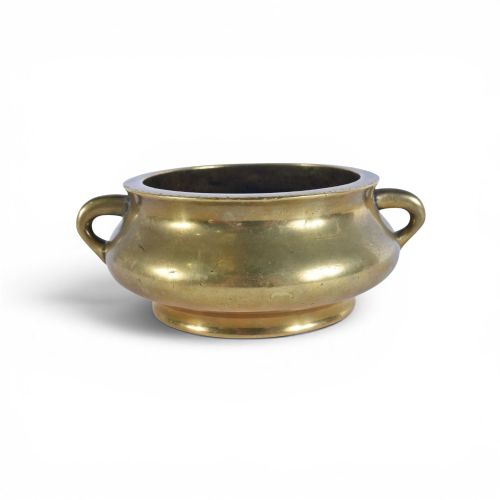
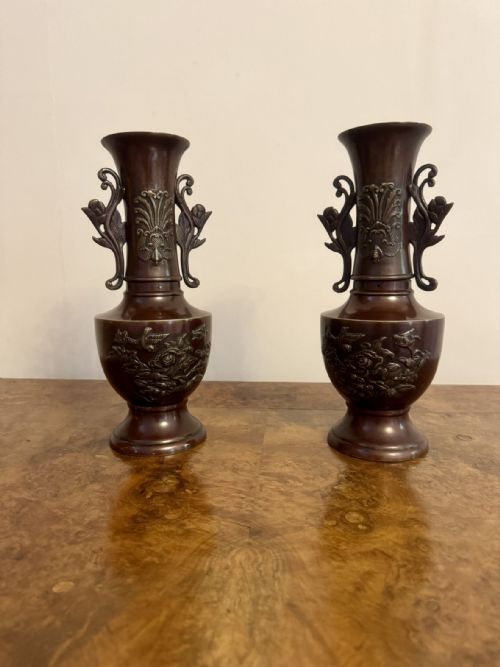
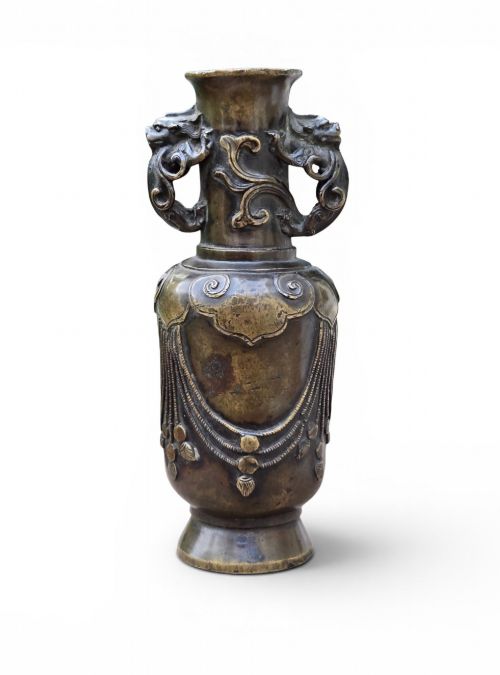
These bronze vessel with handles examples range from archaic Chinese censers to Neoclassical ewers, offering sculptural presence and functional design.
Bronze Vessel with Handles
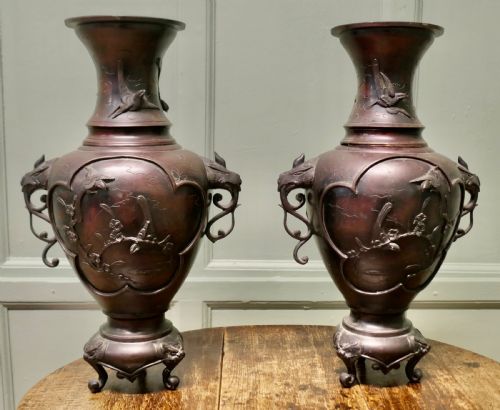
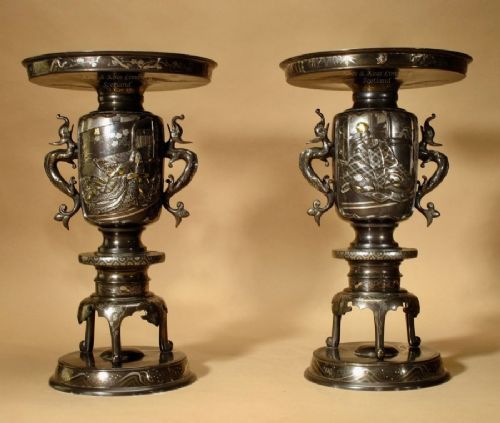
A bronze vessel with handles appears in various historic forms, including incense burners, vases, ewers, and mortars designed for practical or decorative use. Buyers seeking these objects encounter diverse global traditions, notably Chinese, Japanese, Indian, and European pieces originating from the eighteenth century onwards.
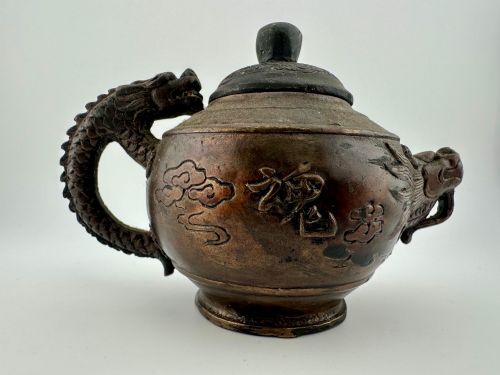
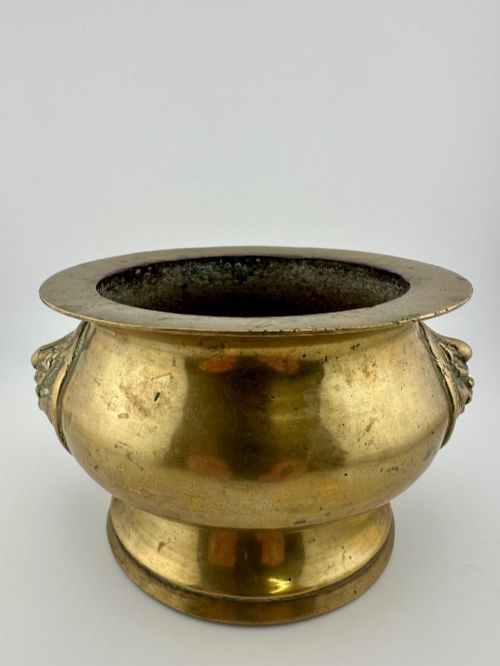
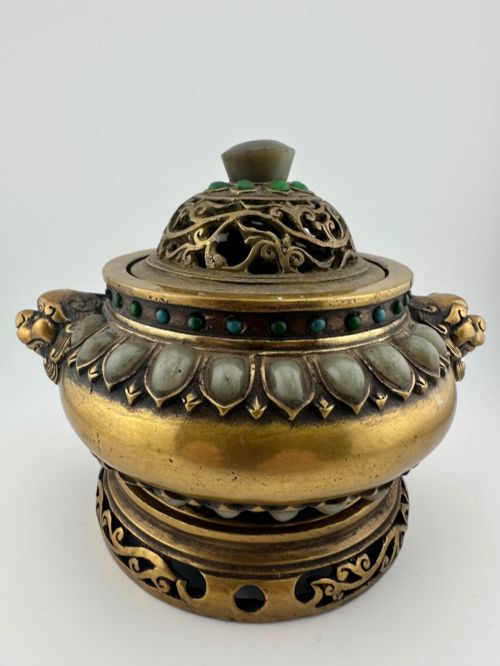
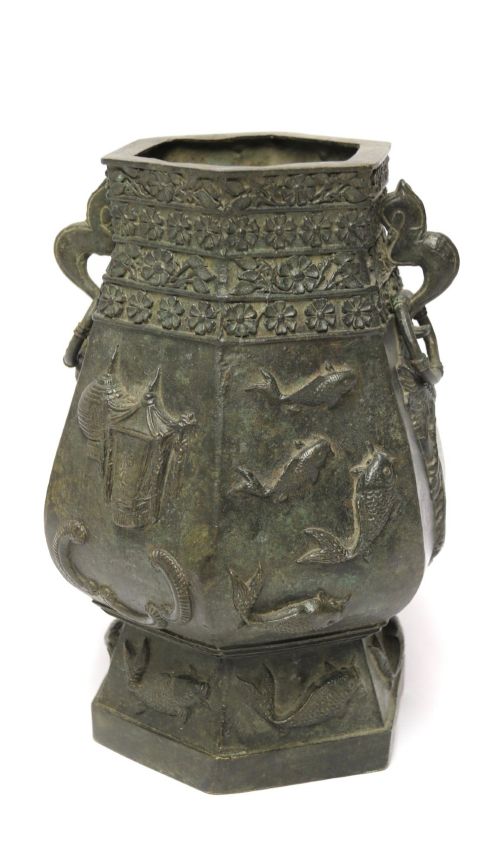
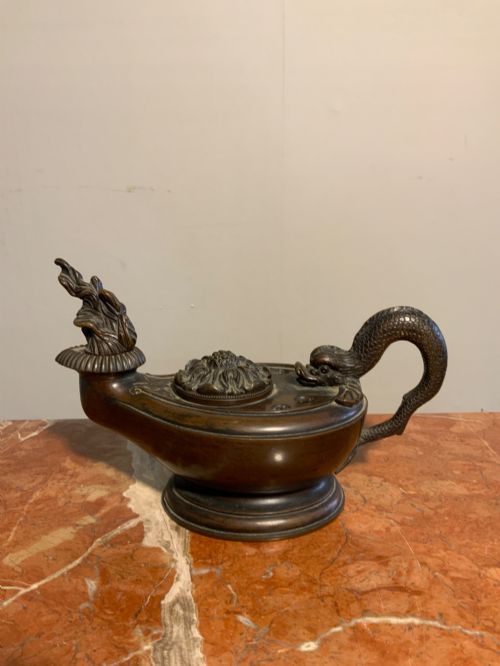
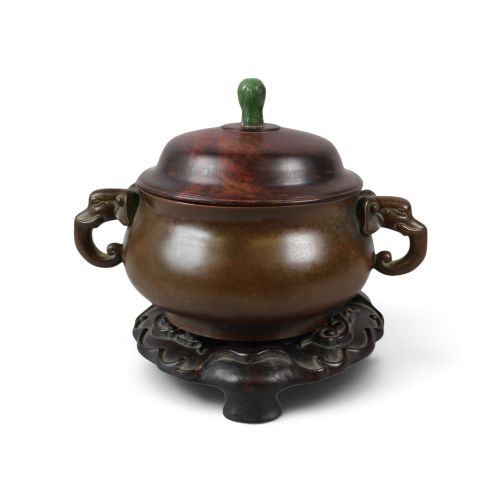
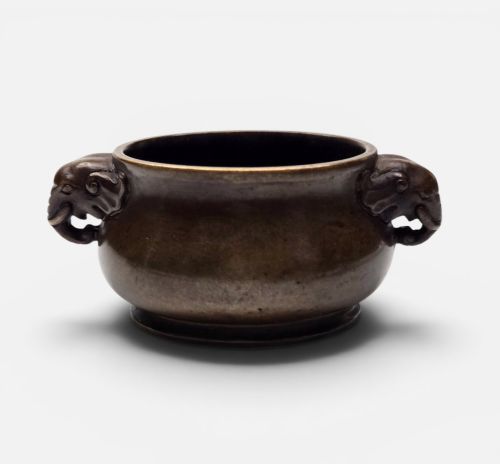
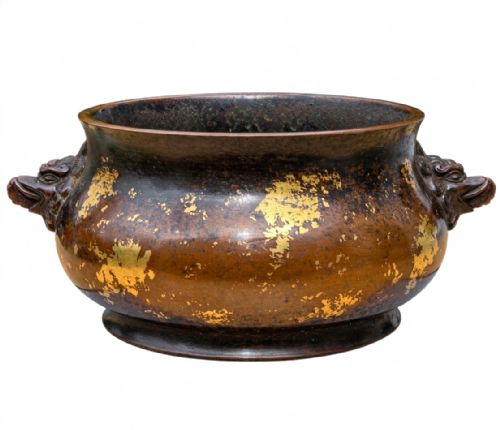
Censers and incense burners form a prominent category within this selection, frequently featuring specialised covers, stands, and animal-headed handles such as elephants, dragons, or masks. Other variations include tall vases and pouring vessels embellished with figural handles like dolphins or mythical makara creatures.
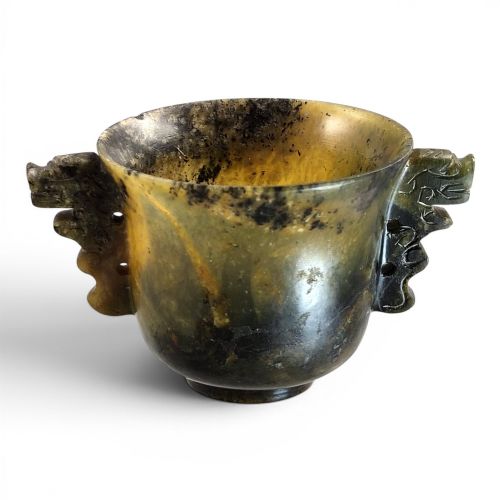
The materials paired with the metal vary considerably, incorporating jade finials, hardstone inlays, enamel work, and custom hardwood stands. Most items date from the nineteenth century, encompassing periods like the Edwardian era, the Meiji period, and the Qing dynasty aesthetic.
How They Were Made
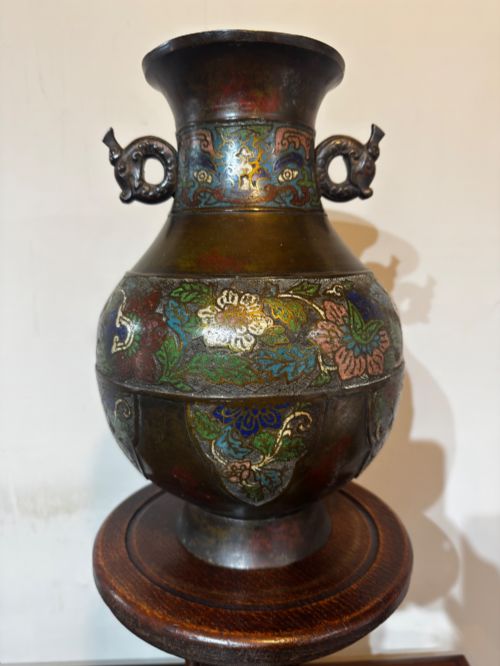
Foundry workers shaped these objects using traditional casting methods in bronze, occasionally utilising solid brass or integrating fitted nephrite jade and hardstone components. Surface decoration often involved champlevé or cloisonné enamel techniques, fusing coloured glass pastes to the metal body.
Handles and finials were typically cast separately and securely attached or integrated directly into the primary mould during production. Artisans completed the pieces with hand-carved hardwood stands, stone inlays, and detailed surface chasing.
Materials paired with bronze across the selection include nephrite jade, hardstone, hardwood, brass, and cloisonne enamel.
What Varies in Quality
The distinction between standard and superior pieces rests upon the crispness of the cast detailing, particularly around complex handle motifs like masks, dragons, and animal heads. Superior examples exhibit precise symmetry, clean patination, and harmonious integration of secondary materials such as jade or cloisonné enamel.
Quality also depends on the preservation of original associated elements, including matching covers, finials, and bespoke hardwood stands that complement the proportions of the central vessel. The complexity of the decorative scheme, from restrained archaistic designs to intricate pictorial enamels, further distinguishes individual pieces.
The Bronze Vessel with Handles Glossary
- Censer
- A container designed for burning incense, frequently fitted with a pierced cover to release smoke. These often feature sculptural handles and resting stands.
- Ewer
- A large jug or pitcher with a narrow neck and a looped handle, traditionally used for pouring water or wine. Examples in this category include figural handles depicting mythological creatures.
- Cloisonne
- A decorative technique where metal wire is soldered to the vessel body to create compartments, which are then filled with enamel paste and fired. This method produces colourful, patterned surfaces.
- Archaistic
- A stylistic approach where later makers emulate the forms, motifs, and patination of ancient bronzes. This style is particularly prevalent in Chinese pieces referencing historic dynasties.
- Finial
- A decorative knob or ornament fixed to the top of a lid or cover. They are frequently carved from contrasting materials such as jade or hardstone.
Bronze Vessel with Handles: Frequently Asked Questions
What is a bronze vessel with handles used for?
These pieces served practical and ritual functions in historic interiors, operating as incense burners for aromatic resins, vases for floral arrangements, or pouring vessels for liquids. Many also functioned as purely decorative centrepieces or scholar's objects.
Today, they adapt readily to modern domestic spaces as sculptural decorative items on tables, shelves, or mantels. Their varied global origins allow them to integrate into diverse interior styles.
How do I identify Chinese archaistic bronzes?
Archaistic pieces deliberately replicate the forms and decorative motifs of ancient Chinese ritual vessels, often incorporating specific surface patterns like taotie masks and stylized key frets. They frequently date to later periods while paying homage to antiquity.
Examining the casting weight, handle construction, and any accompanying reign or seal marks helps establish the likely production era. The inclusion of traditional elements like elephant-head handles provides further context.
How should I care for antique bronze and enamel?
Antique bronze benefits from gentle dusting with a soft, dry cloth to prevent the accumulation of grit within recessed details and chased lines. Avoid using harsh chemical polishes that can strip the historic patination.
Enamelled or inlaid sections require particular care to protect fragile glass pastes and fitted stones. Keeping pieces away from direct moisture and extreme temperature fluctuations preserves their physical stability.