



Antique Champleve Urn
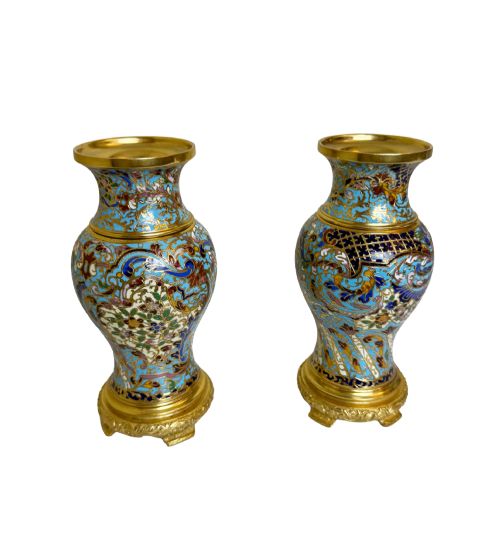
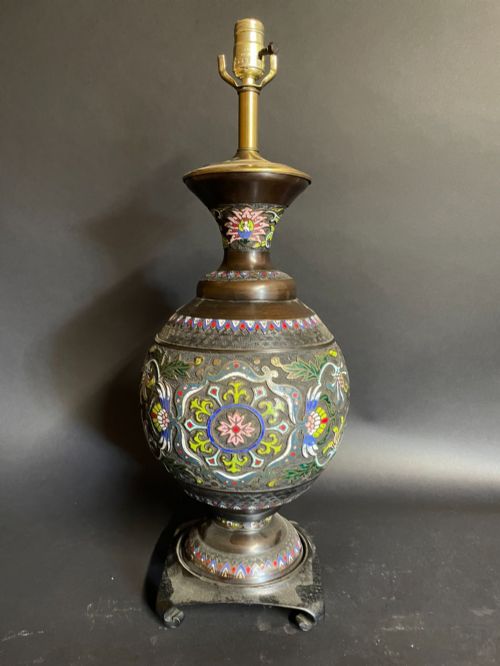
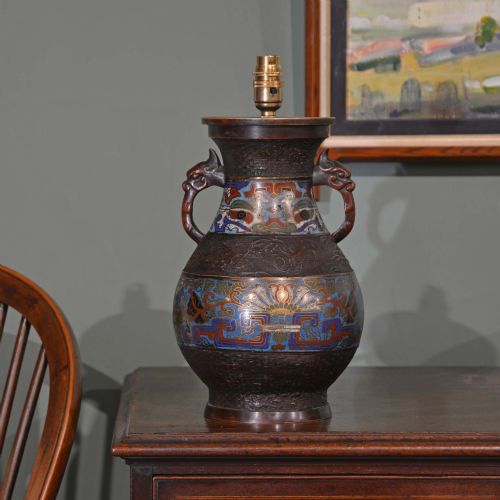
These antique champleve urn pieces are heavy metal vessels decorated with coloured enamel trough-work, offering rich texture and distinct period character for any mantel or table.
Antique Champleve Urn
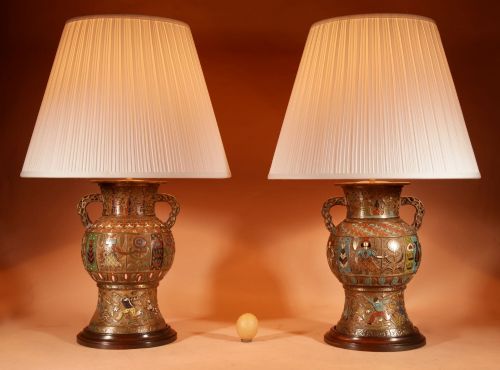
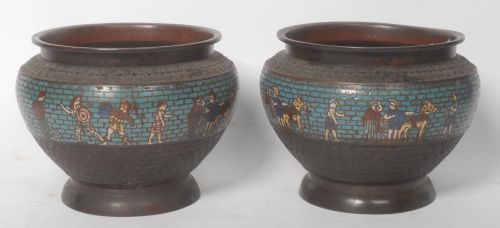
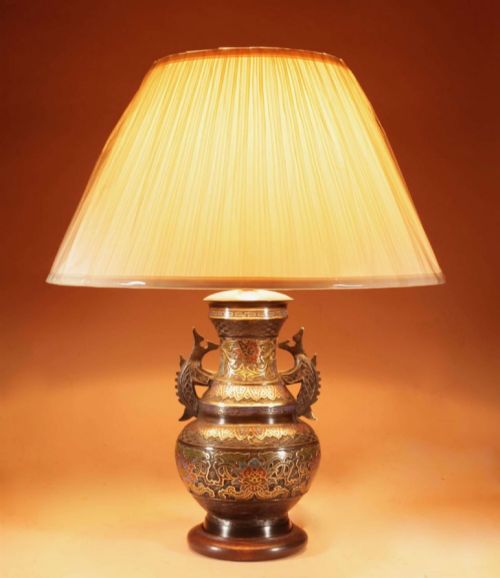
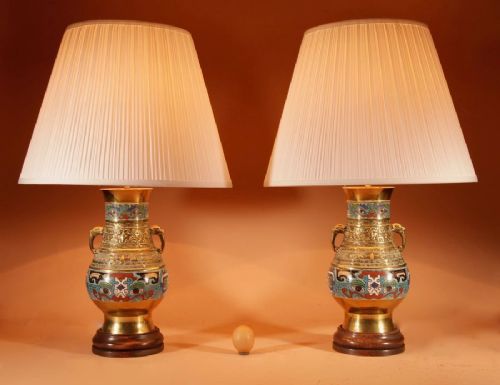
When you search for an antique champleve urn, you encounter heavy bronze, brass, and gilt metal vessels adorned with recessed enamel compartments. These decorative objects span the nineteenth century and the early twentieth century, taking the form of vases, lidded urns, cachepots, and table lamps.
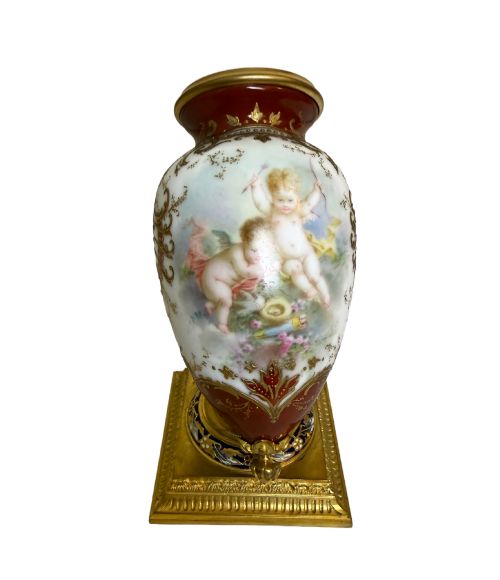
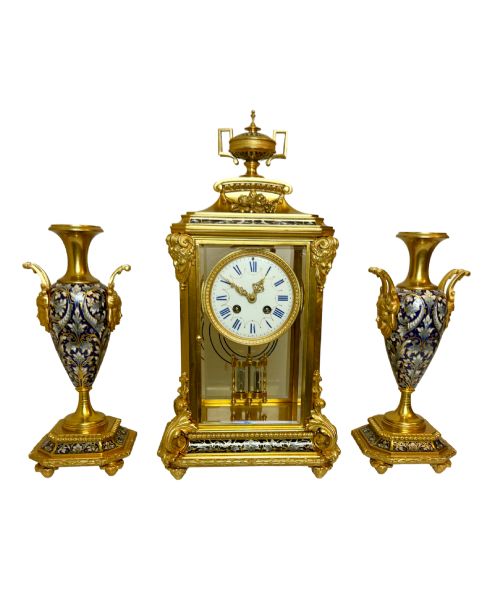
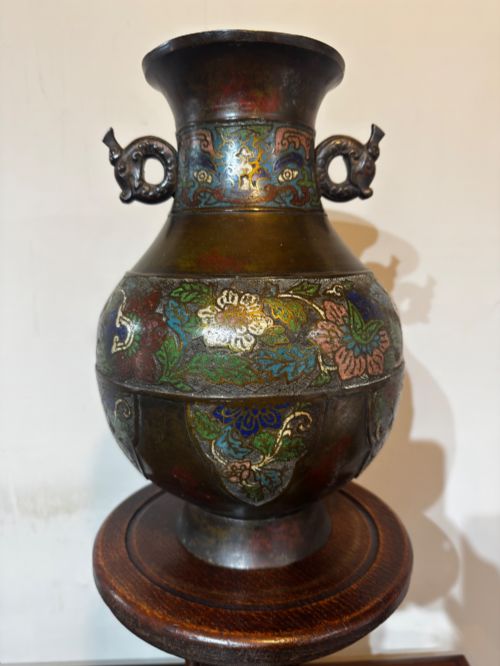
The pieces you meet on this page divide into distinct regional aesthetics, notably French Rococo Revival designs alongside Japanese Meiji period bronzes and Chinese export work. French examples frequently pair gilt bronze with colourful enamel detailing, while Eastern pieces utilise intricate bronze casting with patterned borders.
Vessels serving functional roles such as clock garnitures and centrepiece bowls appear alongside dedicated display urns. Each piece reflects the nineteenth-century fascination with classical antiquity and exotic craftsmanship, bringing substantial weight and rich colour into domestic spaces.
Materials and construction methods
The construction begins with a cast bronze, brass, or spelter foundation, shaped into vases, urns, or lamp bases. Artisans channel depressions directly into the metal surface to outline the intended decorative motifs before applying colour.
Vitreous enamel paste fills these hollowed channels and recessed cells. The vessel undergoes firing to fuse the glass paste permanently to the metal framework, after which workers grind and polish the surface until the metal partitions and coloured enamel rest in a smooth plane.
Gilt bronze mounts, handles, and feet are often added to French pieces, while Japanese and Chinese workshops focus on dense surface patterning. Materials such as green onyx or porcelain occasionally supplement the metal and enamel body.
Several heavy table lamps on this page began life as quiet vases before someone sensibly decided they deserved to illuminate the room.
Distinctions in quality
Quality rests in the precision of the metal channelling and the uniformity of the enamel fill. Finer pieces display crisp, sharply defined partition lines and smooth enamel surfaces free from excessive pitting or uneven shrinkage.
The weight and thickness of the underlying bronze or brass foundation separate superior vessels from lighter alternatives. Heavier castings permit deeper recessing and more intricate surface relief.
Artistic execution in the decorative borders and figurative or floral motifs dictates the standing of an urn. Master workshops achieved subtle tonal graduations within the enamel and secure, clean joins where mounts meet the main body.
The Antique Champleve Urn Glossary
- Champleve
- An enamelling technique where troughs or cells are hollowed out of a metal surface to hold coloured glass paste before firing. This method contrasts with cloisonne, where wires form the surface cells.
- Gilt Bronze
- Bronze metal coated with a thin layer of gold, providing a bright golden finish that resists tarnishing. It appears frequently on French nineteenth-century decorative urns and clock garnitures.
- Cachepot
- An ornamental flowerpot holder designed to conceal a plain inner pot. These vessels often feature matching stands or handles.
- Garniture
- A set of decorative objects, typically comprising a clock flanked by matching vases, candelabra, or urns, arranged together on a mantelpiece. These matched suites dominated formal nineteenth-century interiors.
- Spelter
- An alloy primarily of zinc, used as a less expensive substitute for bronze in decorative castings. It accepts bronzed finishes and enamelling with good effect.
Antique Champleve Urn: Frequently Asked Questions
What is an antique champleve urn?
An antique champleve urn is a metal vessel, usually cast in bronze or brass, featuring recessed enamel work where coloured glass paste fills carved channels. These decorative objects date predominantly from the nineteenth century.
They served as ornamental display pieces in period drawing rooms, often created as pairs or as part of larger garniture sets alongside clocks and candelabra.
How do I clean a champleve urn?
Cleaning requires a soft, dry cloth to remove dust from the recessed enamel and metal surfaces. Liquid polishes and abrasive cleaners damage the enamel and strip the gilt finish from the bronze.
Keeping the vessel in a stable indoor environment prevents moisture from affecting the historic metal and enamel body over time.
How do I date a champleve urn?
Dating relies on examining the casting style, mounting details, and enamel palette to determine whether a piece originates from French revival workshops or Meiji period Japanese furnaces. Nineteenth-century examples often display specific regional stamps or manufacturing signatures.
Comparing the object's form to dated clock garnitures or documented export styles helps narrow the period of production.
Where were these urns made?
These decorative vessels originated primarily in France, alongside significant production from Japanese Meiji period workshops and Chinese export centres. European makers favoured classical revival and rococo forms.
Eastern workshops produced heavy bronze vases and lamps utilising traditional metalworking skills adapted for Western export markets during the late nineteenth century.