



Oriental Bronze Vase
An oriental bronze vase brings weight and intricate surface detail to a room, drawing on centuries of Asian metalwork traditions.
Oriental Bronze Vase
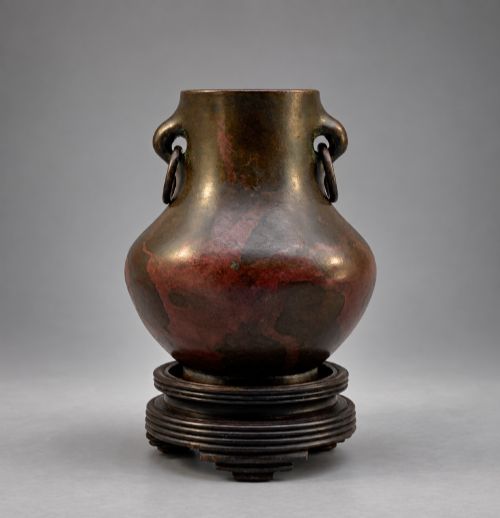
When you search for an oriental bronze vase, you encounter a diverse group of vessels spanning multiple decades of craftsmanship from China and Japan. These pieces range from substantial baluster urns and ritual shapes to slender stem vases and ginger jars.
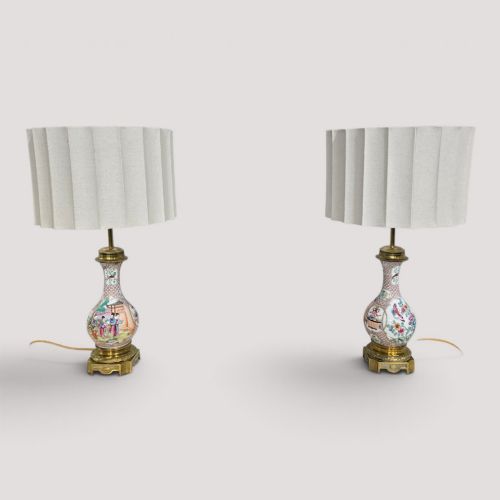
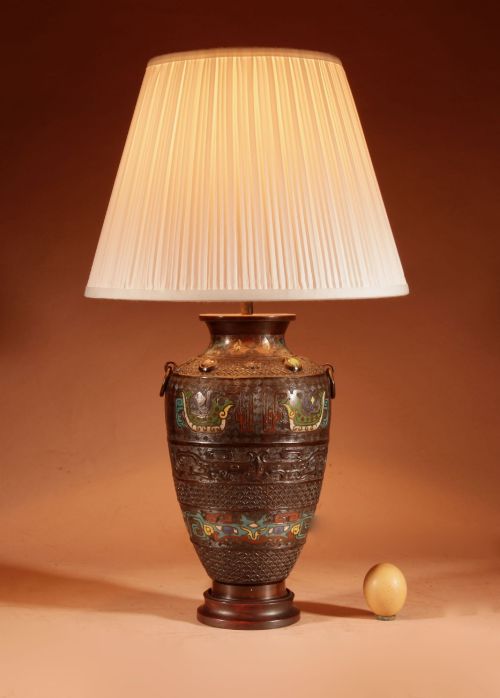
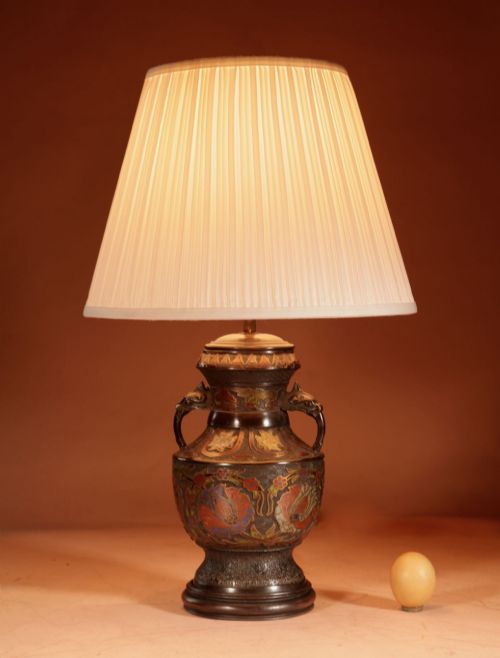
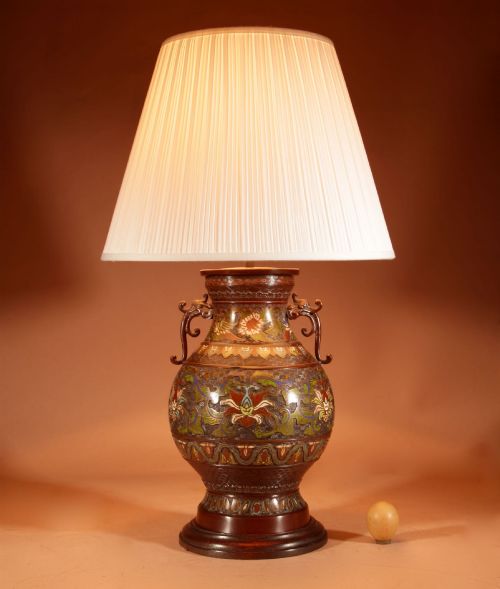
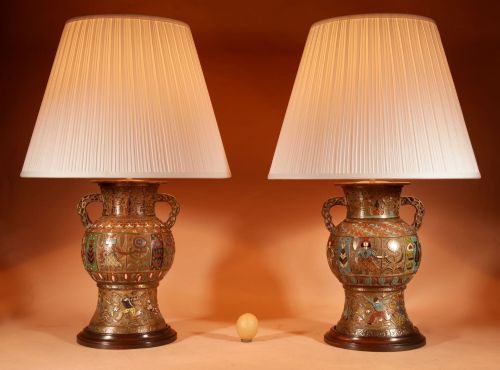
The selections on this page are dominated by 19th-century and early 20th-century examples, particularly from the Meiji period and the Qing dynasty. Many of these bronze forms were later adapted as table lamps during the Victorian and Edwardian eras, pairing Asian metalwork with electrical fittings.
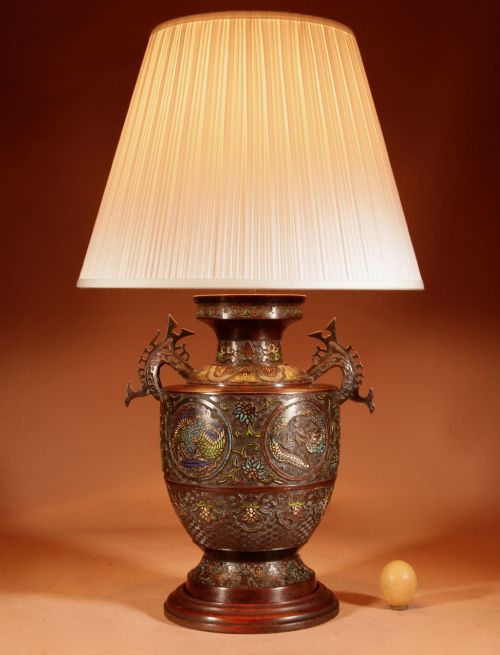
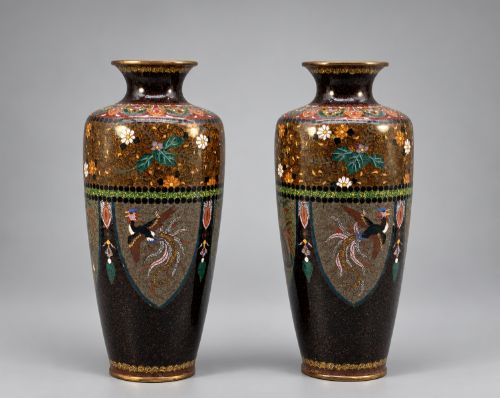
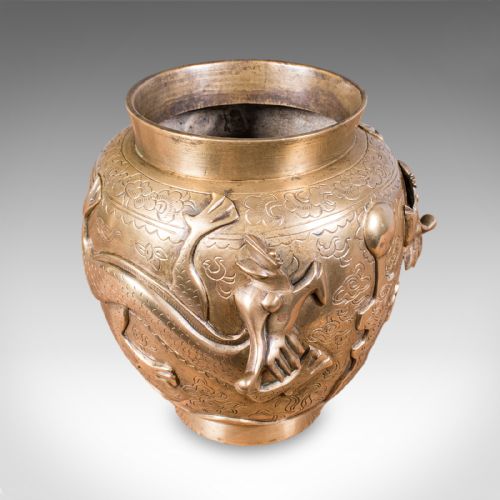
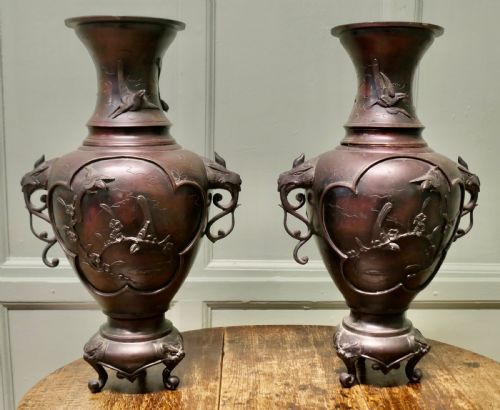
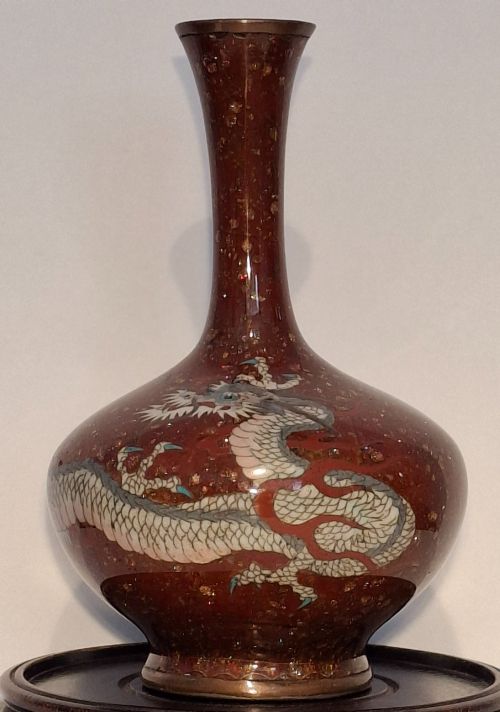
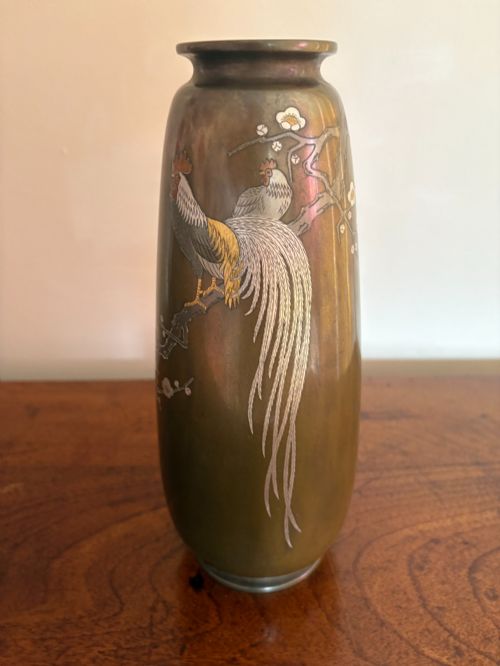
You will find both single vessels and balanced pairs designed for formal display. Their surfaces frequently incorporate high-relief motifs, birds, blossom branches, and mythical dragons.
Materials and Technique
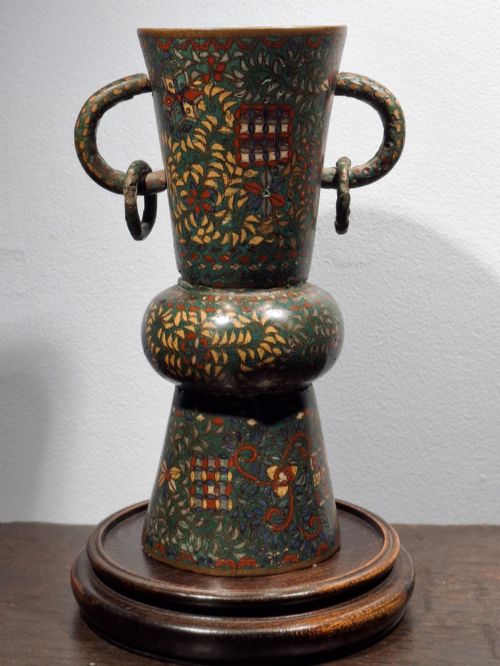
These vessels rely on cast bronze, brass, and copper alloys shaped through traditional foundry methods. Artisans achieved varied surface textures by employing mixed-metal inlay, gilt highlights, and intricate champlevé enamel work.
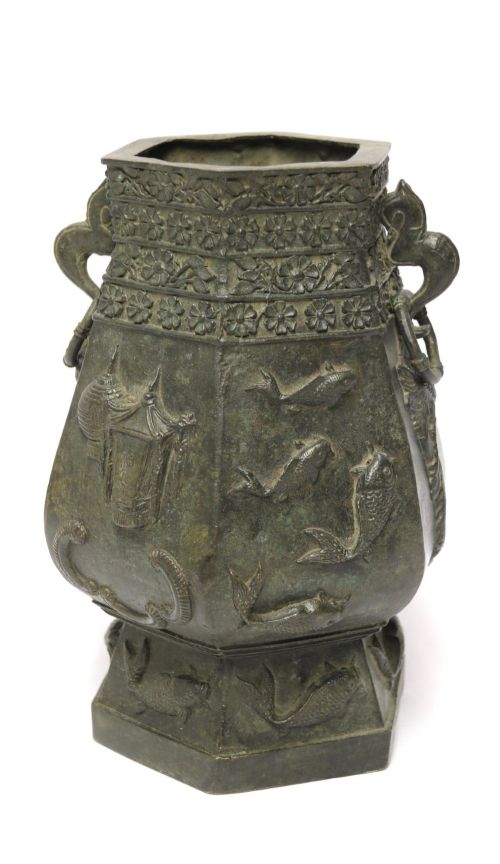
Detailing on these pieces often involves high-relief casting or delicate chasing where figures, foliage, and animals emerge from the body of the vase. Some examples utilise patination techniques to darken the bronze background, allowing silver and gold tones to stand out.
Mounts and structural additions in gilt bronze or ormolu appear on pieces converted into lamps or combined with porcelain bodies. The integration of these elements demonstrates the adaptability of Eastern metalwork within Western domestic interiors.
Oriental Bronze Vase Retail Price Guide 2026
Typical asking prices for oriental bronze vase among the pieces listed under this phrase on Sellingantiques today, from the lower quarter to the upper quarter. They describe what is for sale here now, not the wider market.
Several heavy bronze dragons on this page weigh over five kilos, proving that ancient mythical beasts make surprisingly formidable table lamps.
Evaluating Quality
The standard of a bronze vessel rests on the crispness of its casting and the precision of its surface ornamentation. Superior examples display sharply defined relief work where feathers, scales, and floral petals retain distinct edges rather than soft outlines.
The complexity and execution of mixed-metal inlays or champlevé enamelling differentiate standard production pieces from masterworks. In top-tier objects, the integration of different metal tones appears seamless, and signed bases often indicate a higher level of workshop output.
Proportion and structural balance also dictate the appeal of a vase. Heavier, substantial pieces with well-executed handles and stable bases demonstrate a more deliberate approach to design than lighter, purely decorative variants.
KANASAWA
The Oriental Bronze Vase Glossary
- Champlevé
- An enamelling technique where troughs are dug into the metal surface and filled with vitreous enamel before firing. This method creates colourful geometric or floral patterns across the bronze body.
- Meiji Period
- The era in Japanese history spanning from 1868 to 1912, characterised by the opening of trade with the West and a surge in refined decorative metalwork exported abroad.
- Baluster
- A vase form with a rounded body that tapers toward the base and swells near the lower middle, resembling a traditional architectural baluster.
- Gu
- An archaic Chinese ritual vessel shape featuring a flared trumpet neck, a slim central section, and a wide spreading foot, adapted in later centuries for decorative display.
- Hu
- A pear-shaped or cylindrical ritual vessel type originating in ancient China, typically featuring loop handles and horizontal bands of relief decoration.
Oriental Bronze Vase: Frequently Asked Questions
How do I clean an antique bronze vase?
Dust the surface gently with a soft, dry cloth to prevent the accumulation of grit in recessed areas. Avoid using metal polishes, abrasive pads, or chemical cleaners, as these can strip away the historical patination.
If the metal requires more attention, consult a professional conservator rather than attempting wet cleaning. Preserving the original surface finish maintains the character and integrity of the piece.
How do I identify Meiji period bronzes?
Meiji period Japanese bronzes often feature exceptionally fine mixed-metal inlays, high-relief wildlife motifs, and naturalistic subjects like birds and blossoms. Many of these pieces were produced between 1868 and 1912 specifically for the Western export market.
Look for artisan signatures or workshop stamps cast or engraved on the base. The weight and patination of the bronze also tend to reflect the high technical standards of this era.
Why are some bronze vases mounted as lamps?
During the Victorian and Edwardian periods, imported Asian bronzes were frequently adapted into domestic lighting fixtures to suit contemporary interior tastes. Importers and decorators added electrical wiring, switchgear, and sometimes ormolu bases to elevate their utility.
These conversions often happened decades after the original vessel was cast. While purists prefer unaltered forms, converted lamps represent a distinct chapter in the history of how these objects were lived with.