
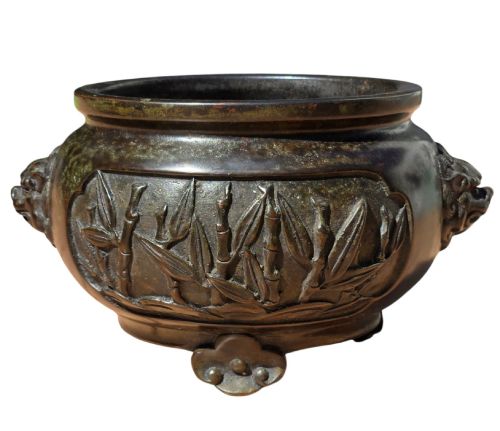
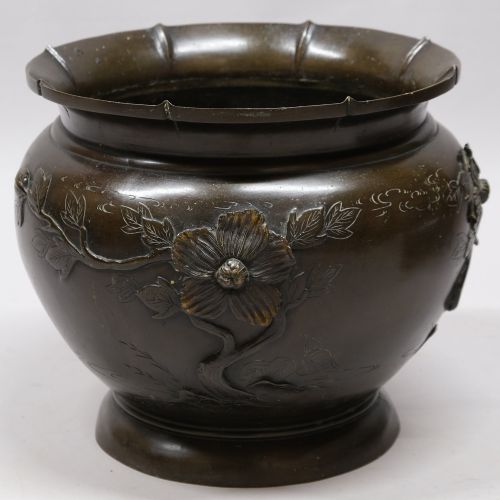
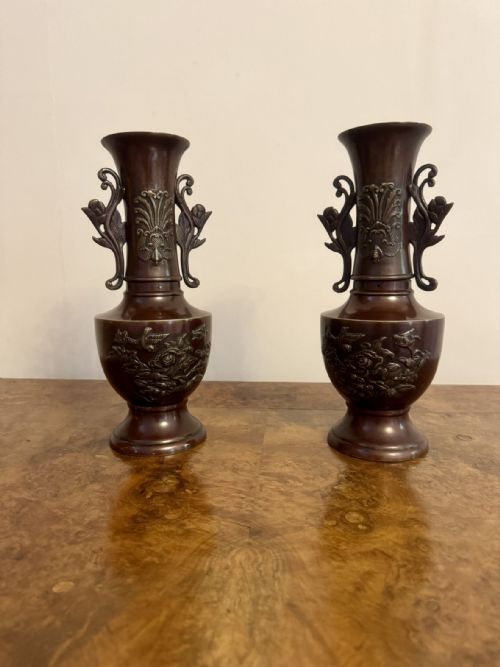
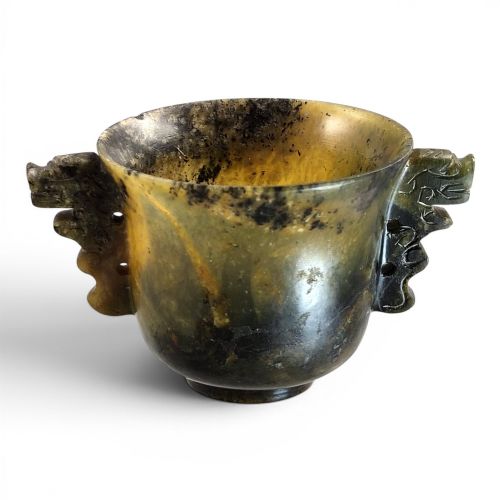


Carved Bronze Vessel
A carved bronze vessel brings enduring weight and deep surface work to a room, ranging from archaic ritual shapes to refined nineteenth-century forms.
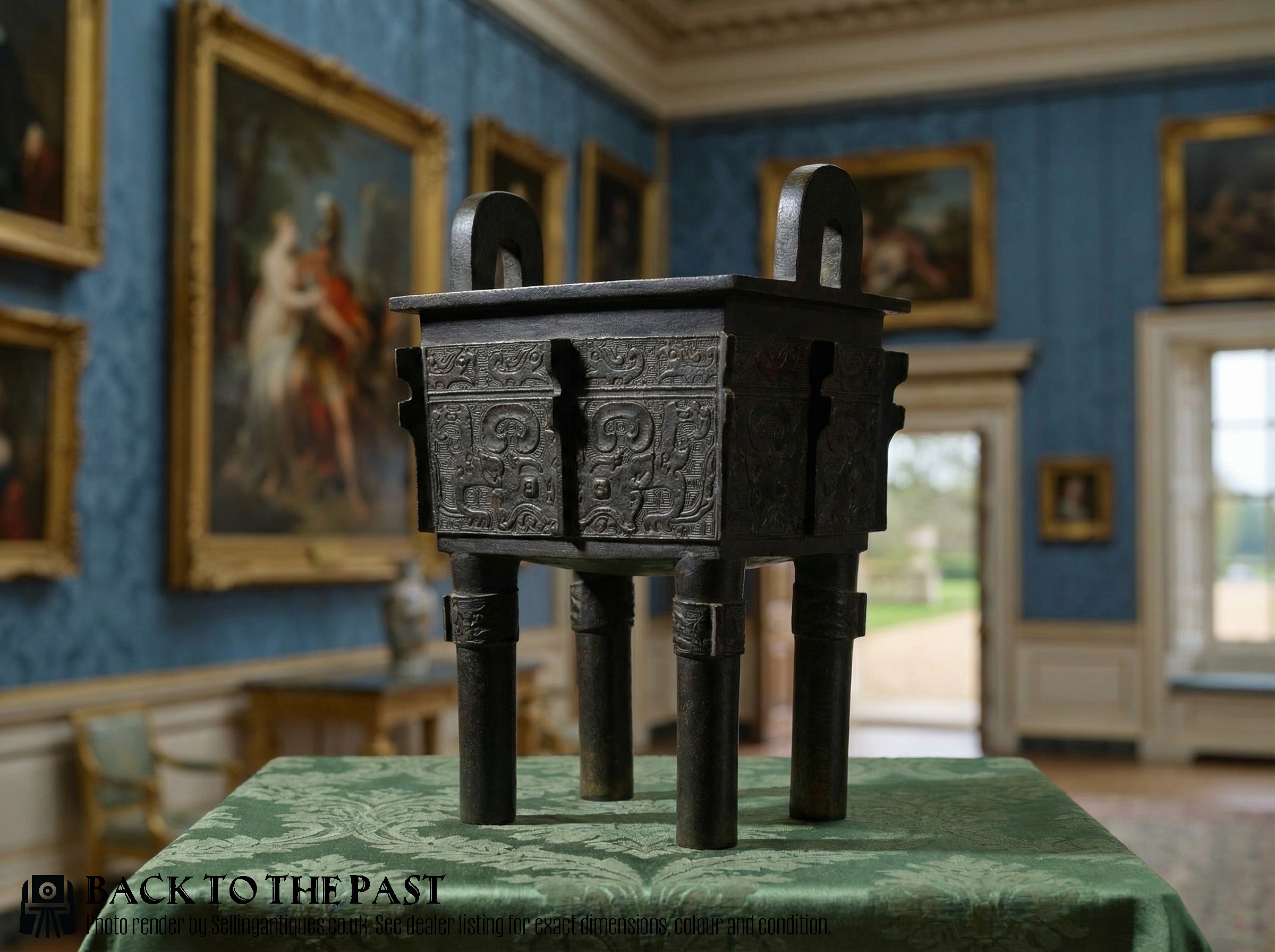
What these pieces are
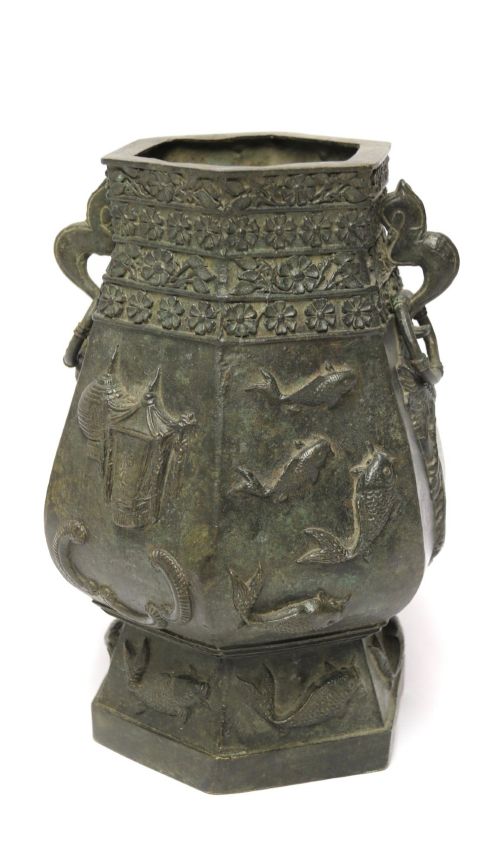
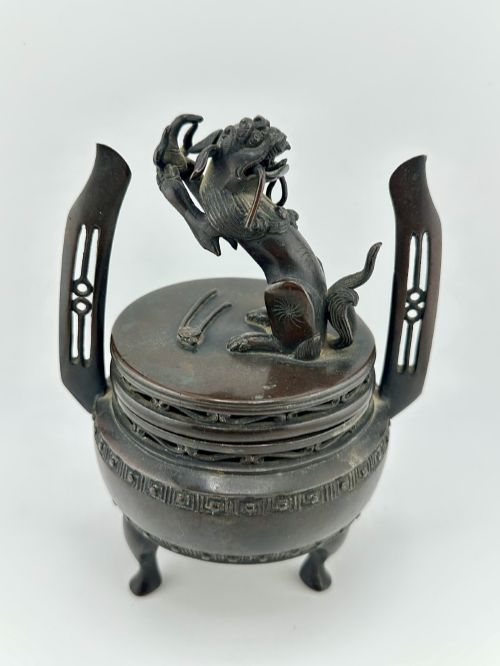
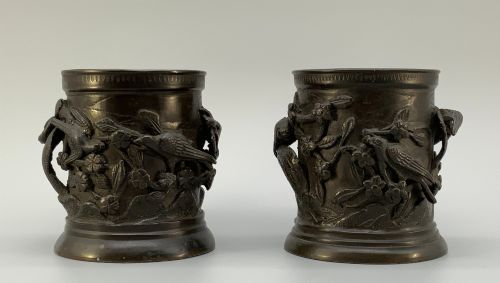
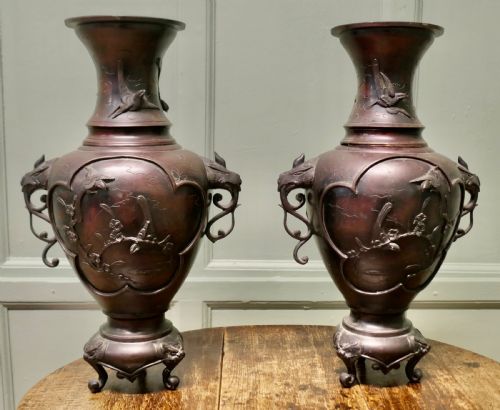
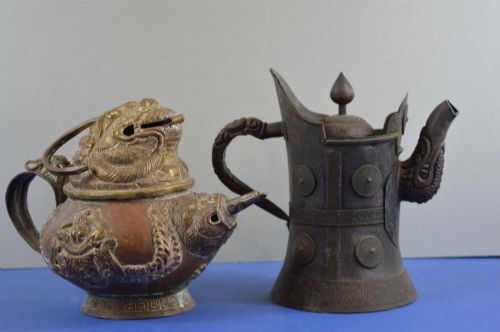
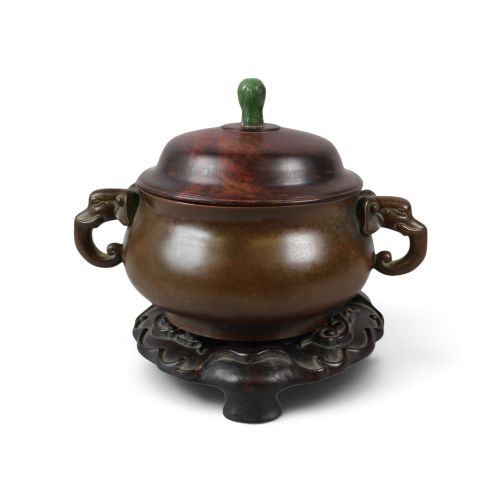
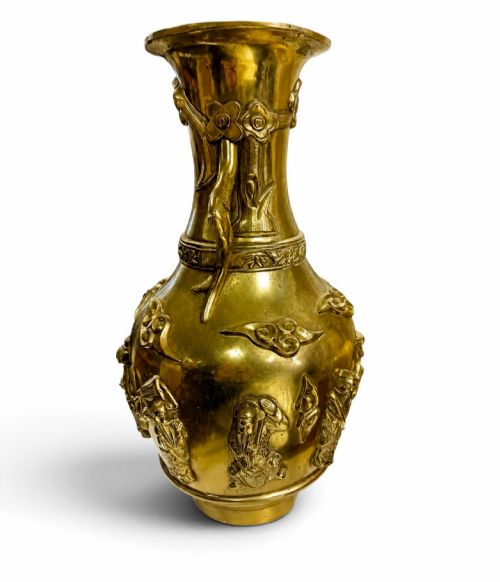
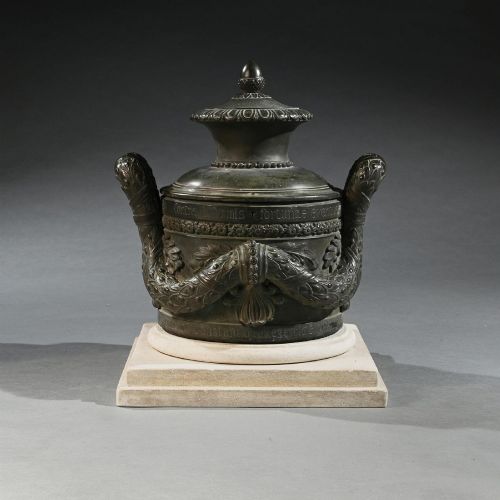
A carved bronze vessel encompasses a diverse range of historic metalwork objects found on this page, including decorative bowls, vases, ritual vessels, incense burners, and decorative urns. These pieces bridge several cultural traditions and centuries, featuring examples from Chinese Qing Dynasty and archaic styles alongside Japanese Edo and Meiji period works, plus nineteenth-century Italian neoclassical designs.
Buyers seeking a carved bronze vessel will frequently encounter nineteenth-century interpretations alongside earlier eighteenth-century examples. The selection includes substantial items such as large Chinese bronze bowls and bamboo censers, as well as classical Italian bronze urns and vases.
How they were made
Makers shaped these items primarily from bronze, frequently complemented by elements of brass, ormolu, and wood. Surfaces often display a deliberate patina that highlights the underlying metallic composition and the depth of the carving.
Techniques relied on traditional casting methods followed by meticulous hand-chasing and carving to achieve intricate surface details. Artisans across the Asian and European traditions utilised these metallurgical skills to render complex motifs, from archaic Chinese forms to classical European silhouettes.
Retail Price Guide 2026
Typical UK retail prices for carved bronze vessel, calculated from the Sellingantiques database of over a million retail prices indexed since 2003. This retail price guide relies exclusively on Sellingantiques data; no external sources or auction records are used, so the figures do not describe the wider market.
Listings feature items spanning the eighteenth and nineteenth centuries, including specific years like 1800, 1850, 1880, and 1900.
What varies in quality
Quality in a carved bronze vessel rests on the crispness of the surface carving and the depth of the metalwork. Superior examples display confident, purposeful chiselling that brings definition to the motifs rather than soft or rounded edges.
The sophistication of the patina and the harmony of the proportions dictate the visual success of each piece. Heavier, substantial castings with deliberate attention to surface texture separate the finer artistic achievements from simpler commercial production.
The Carved Bronze Vessel Glossary
- Bronze
- An alloy primarily composed of copper and tin, valued for its durability and capacity to hold fine surface detail. It forms the essential body of these vessels.
- Patina
- The surface coloration and sheen developed naturally over time or applied chemically by makers. It adds visual depth to the metal.
- Ormolu
- Gilded bronze used as an ornamental mount or decorative accent. It appears on European pieces to provide contrast against the darker bronze body.
- Censer
- A vessel designed specifically for burning incense, often featuring pierced covers to release fragrance. These frequently take sculptural forms in Asian metalwork.
- Fangding
- A rectangular sacrificial vessel originating from ancient Chinese ritual bronzes. Later historic periods revived this specific architectural form.
Frequently Asked Questions
What is a carved bronze vessel used for?
These items historically served ritual, ceremonial, or decorative purposes within homes and temples. Incense burners held aromatics, while vases and bowls displayed flora or stood as sculptural objects of status.
Today, collectors place them as focal points in interiors, appreciating their weight, historical resonance, and sculptural presence.
How do I date a bronze vessel?
Dating relies on stylistic markers, casting techniques, and comparative examples from specific periods like the Edo or Qing dynasties. Surface patination and material combinations also offer clues to the era of manufacture.
Examining the depth and style of the carving helps connect the piece to known regional aesthetics and historical workshops.
Where do these bronze vessels originate?
The pieces originate from diverse geographic traditions, prominently featuring East Asian works from China and Japan alongside European creations from Italy. Each region brought distinct decorative vocabularies and casting traditions to the medium.
Chinese and Japanese pieces often reflect archaic revivals or period-specific nature motifs, whereas Italian works lean into neoclassical architectural forms.
Are these vessels made entirely of bronze?
While bronze is the primary material, many pieces incorporate complementary elements such as wooden components, brass fittings, or ormolu mounts. These mixed materials often assisted in the structural integrity or decorative embellishment of the object.
Surface treatments like applied patinas further alter the appearance of the base metal, creating varied tactile and visual effects.