




Brown Bronze Censer
A brown bronze censer is a vessel for burning aromatics, prized for its patinated metalwork and grounding presence in a room.
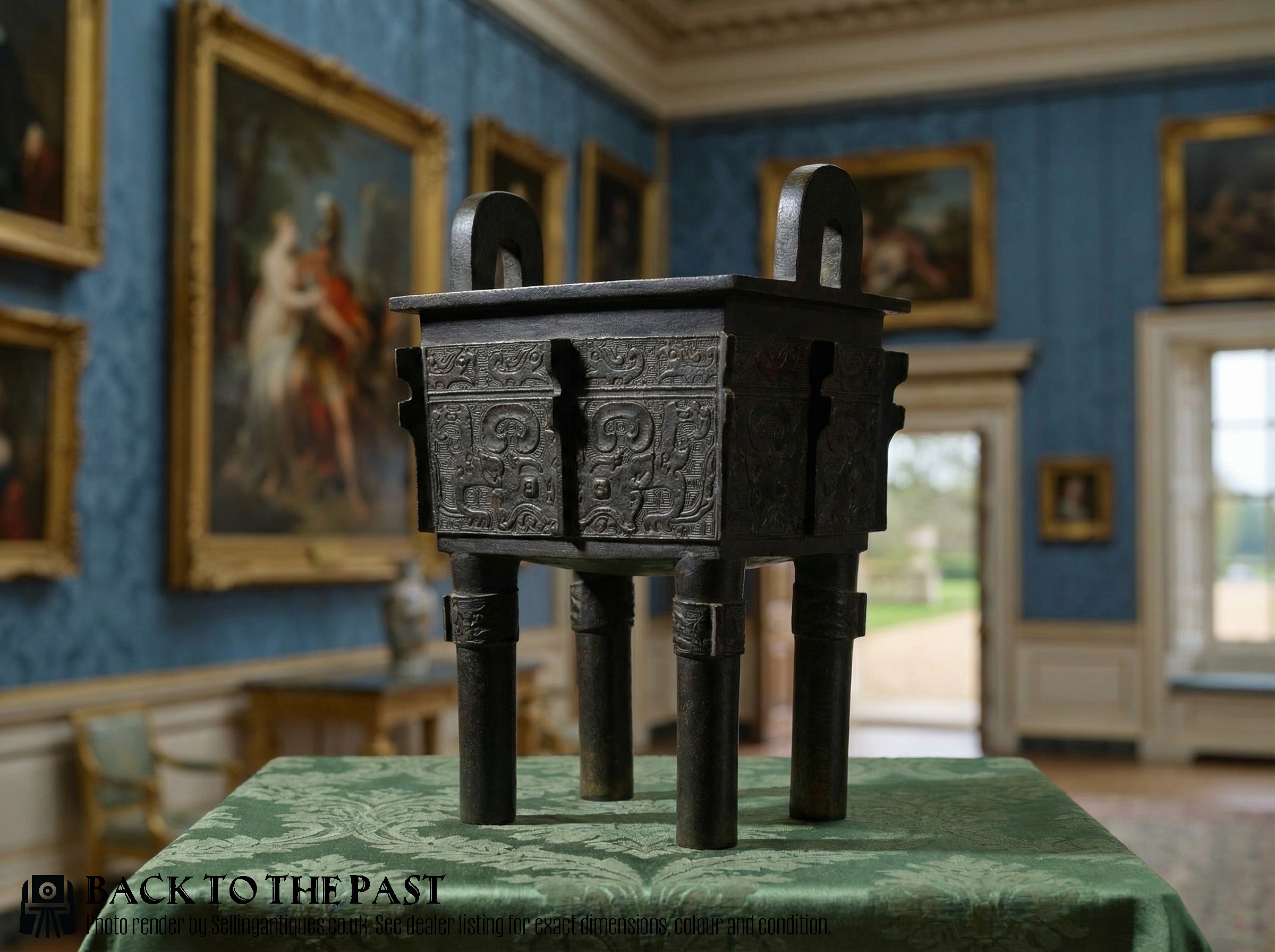
Brown Bronze Censer
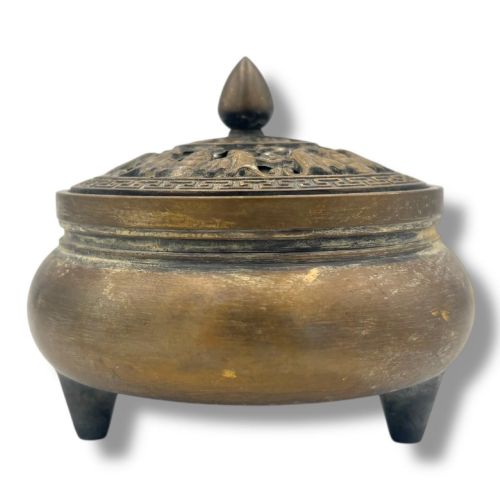
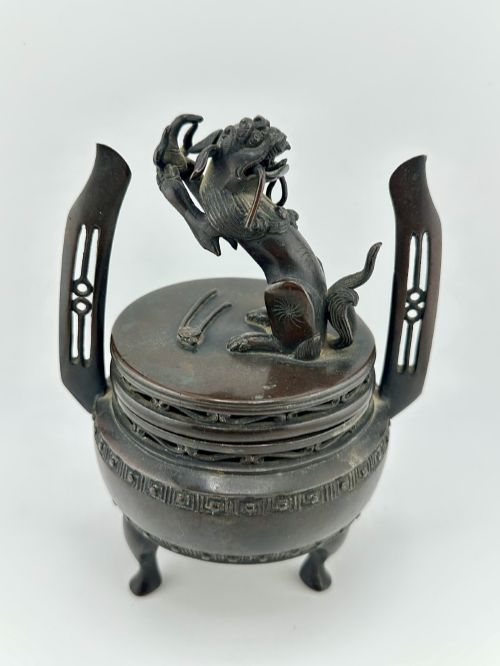
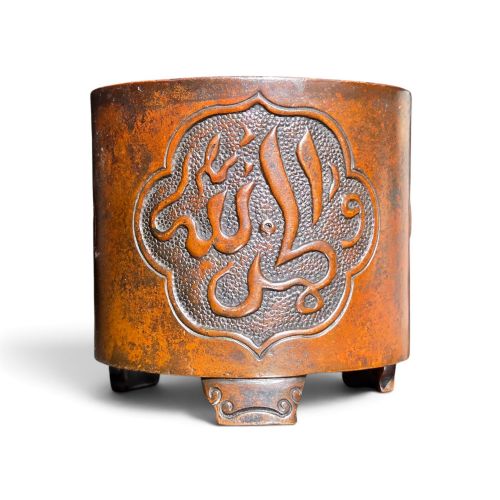
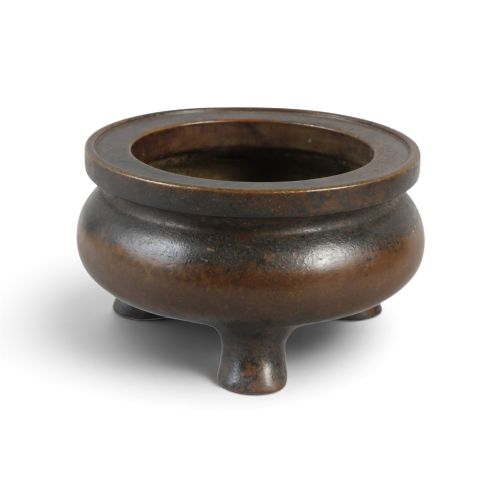
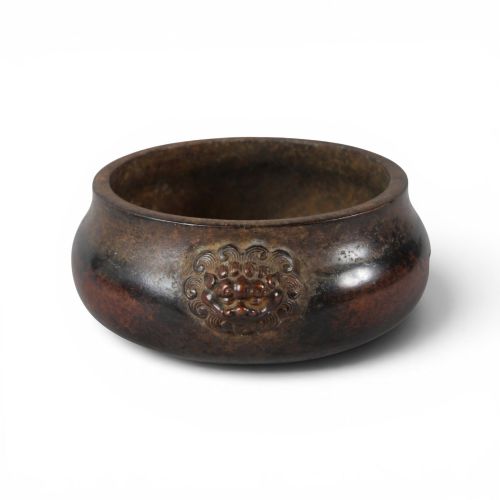
A brown bronze censer brings centuries of ritual metalwork into a contemporary interior, functioning primarily as a decorative object or container for incense. When exploring this selection, buyers encounter forms ranging from traditional tripod vessels with pierced lids to scholarly desk pieces and Japanese koro burners.
The objects span multiple periods, with nineteenth-century Qing Dynasty examples and seventeenth-century scholar pieces appearing most frequently alongside Japanese Meiji and Edo creations. Alongside formal burners, the category includes related bronze planters, jardinieres, and sacrificial vessels that share the same heavy metal construction.
Materials and construction methods
These pieces utilise bronze and copper alloy metals, cast into specific forms such as cylindrical bodies, hexagonal tripods, and ritual vessels. Makers employed traditional casting techniques to achieve substantial weight, with certain scholar examples and vases scaling past three kilograms.
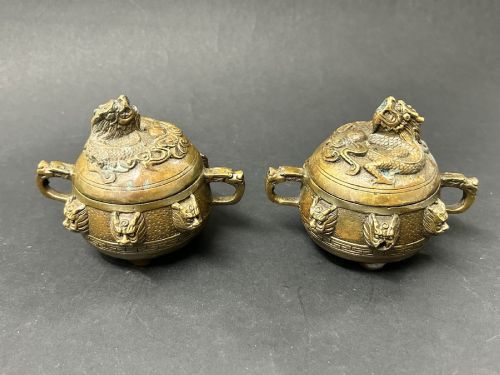
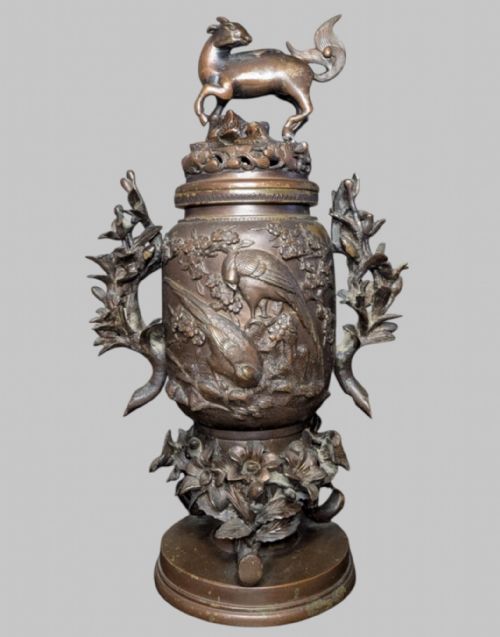
Surface finish is integral to the construction, achieved through patination processes that turn the raw metal into deep brown and aged tones. Details like qilin finials, dragon handles, and pierced lotus floral lids are cast directly into the metal or applied securely to the main vessel body.
Brown Bronze Censer Retail Price Guide 2026
Typical asking prices for brown bronze censer among the pieces listed under this phrase on Sellingantiques today, from the lower quarter to the upper quarter. They describe what is for sale here now, not the wider market.
Listings feature items spanning the seventeenth century through the twentieth century, incorporating Georgian and Victorian eras alongside Qing Dynasty and Meiji period origins.
Distinguishing quality in bronze burners
Quality rests in the precision of the casting and the depth of the metal patina, where superior examples exhibit crisp detail on elements such as dragon motifs and archaic script marks. The weight of the vessel signals the quality of the bronze used, as heavier scholar pieces demonstrate substantial material density.
The Brown Bronze Censer Glossary
- Censer
- A vessel designed for burning incense or aromatic resins during ritual or domestic use. These containers often include fitted covers with ventilation openings.
- Tripod
- A vessel supported by three feet, commonly seen on ancient and traditional bronze burners to elevate the body from a surface.
- Patina
- The surface coloration and texture developed on bronze through age, handling, or chemical treatment by the maker. This finish ranges from polished brown to deep matte tones.
- Koro
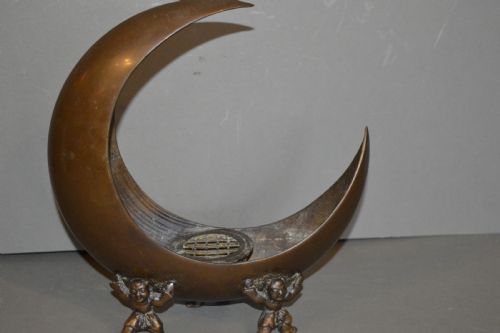
- The Japanese term for an incense burner, often featuring distinct regional motifs such as animal finials or crescent shapes.
- Fangding
- A rectangular, four-legged ritual bronze vessel originating from ancient sacrificial contexts and replicated in later periods.
- Xuande Mark
- A stamp or inscription referencing the Xuande Emperor of the Ming Dynasty, frequently placed on later dynastic bronzes as a mark of stylistic respect.
Brown Bronze Censer: Frequently Asked Questions
How do I use a bronze censer?
These vessels hold burning incense cones, coils, or aromatic resins within their metal bowls. Many pieces include lids with pierced designs that allow scented smoke to escape gracefully into the room.
For protective care, placing a small layer of ash or sand at the base of the bowl helps absorb heat and safeguards the historic metal surface during use.
How do I clean a bronze censer?
Maintenance requires only gentle dusting with a soft, dry cloth to preserve the historical patina. Avoid abrasive polishes or chemical cleaners that strip away the aged surface character.
If incense residue builds up inside the bowl, it can be gently cleared out with a soft brush without disturbing the metal underneath.
How do I tell Chinese from Japanese censers?
Chinese examples frequently draw on archaistic forms, tripod designs, and imperial reign marks such as Xuande or Qianlong inscriptions. They often feature qilin finials, dragon motifs, and deep scholarly patination.
Japanese koro burners tend to display distinct regional styles from the Edo or Meiji periods, utilising animal finials like goats or unusual geometric shapes such as crescent moons.
What is a scholar censer?
Scholar censers were created for the private studies of educated elites in traditional East Asia, designed for quiet contemplation and appreciation of form and fragrance. These pieces are typically understated yet exceptionally dense in weight.
Their quality lies in refined patination and tactile appeal, intended to be handled closely rather than displayed purely as distant ritual objects.
Why are some bronze censers so heavy?
Substantial weight indicates a high concentration of dense copper alloy cast thickly to give the vessel a grounding presence. Heavy scholar pieces and large jardinieres required significant metal volume during the casting process.
This heft prevents the vessel from tipping during use and contributes to the enduring structural stability of antique metalwork.