


Chinese Ritual Vessel
A Chinese ritual vessel carries centuries of ceremonial history into the modern home through heavy bronze casting and archaic form.
Chinese Ritual Vessel
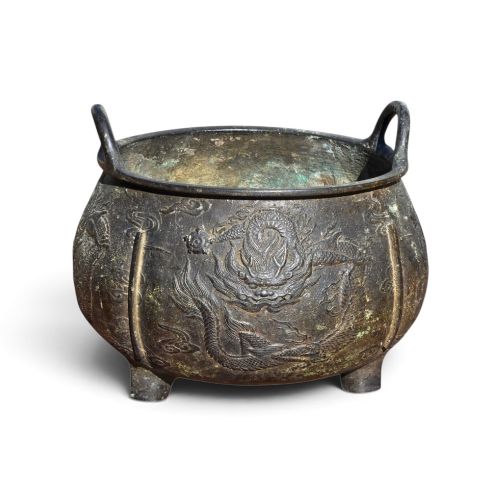
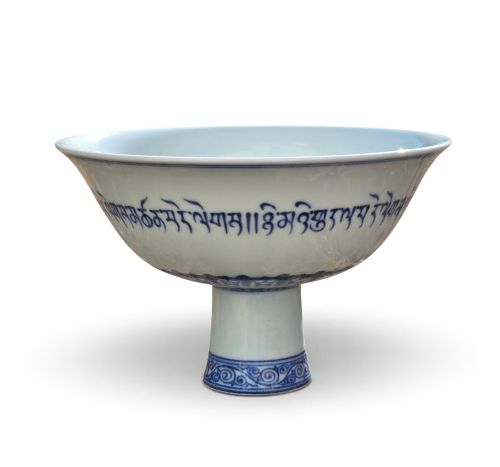
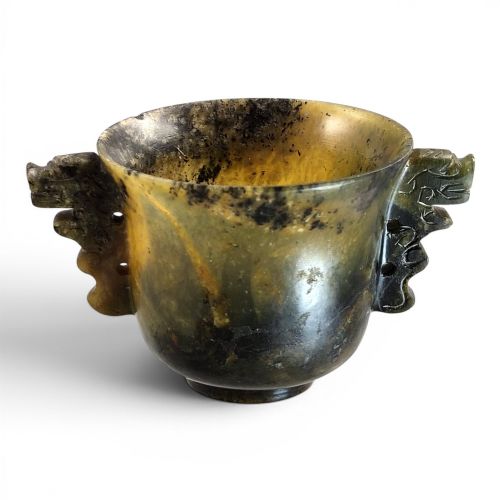
A Chinese ritual vessel encompasses bronze and porcelain pieces designed for ancient ceremonies, including tripod censers, wine vessels such as the jue and he, and archaic food bowls.
The selections available here span from the Ming and Qing dynasties into the early twentieth century, reflecting centuries of reverence for earlier dynastic styles.
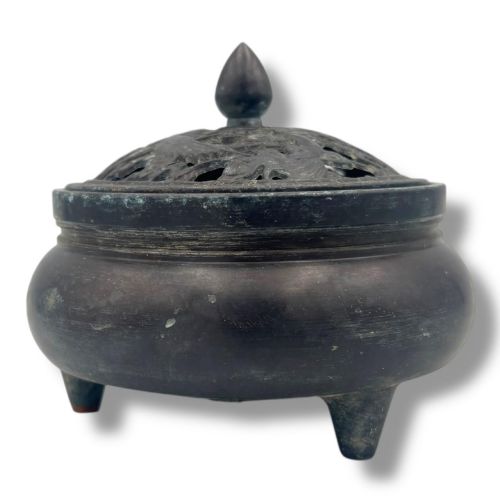
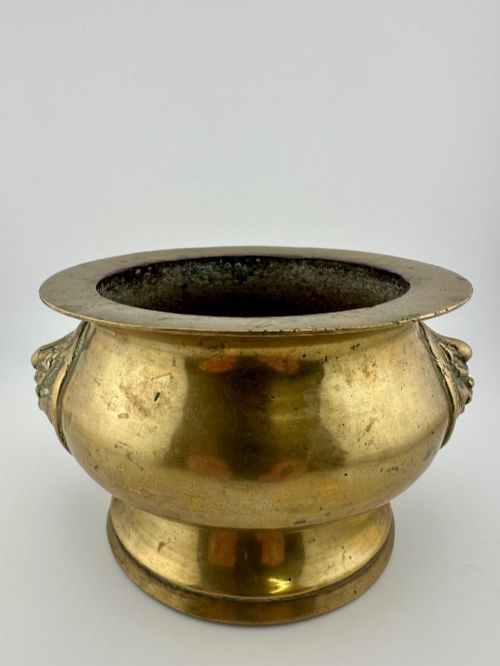
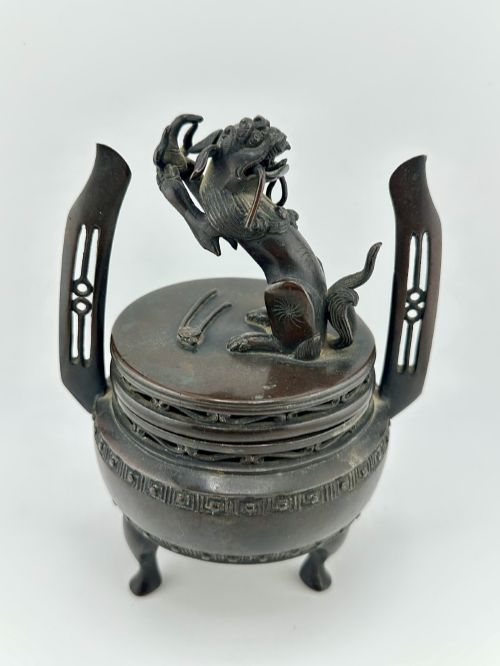
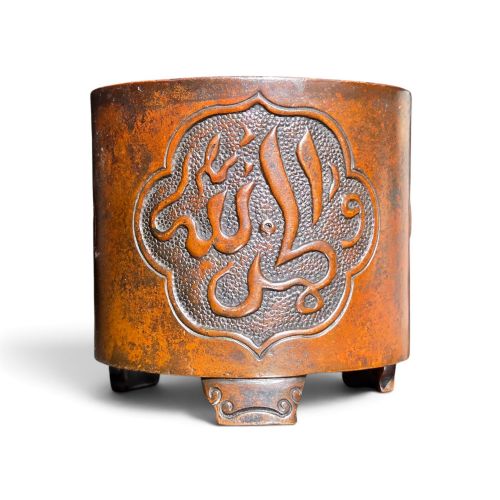
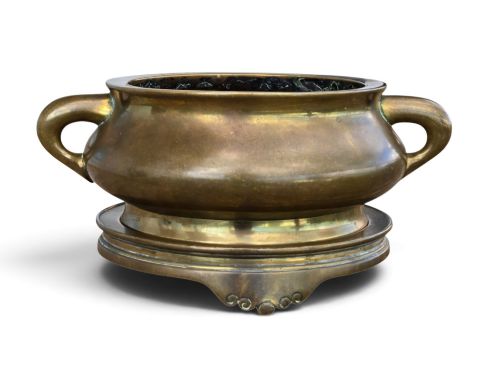
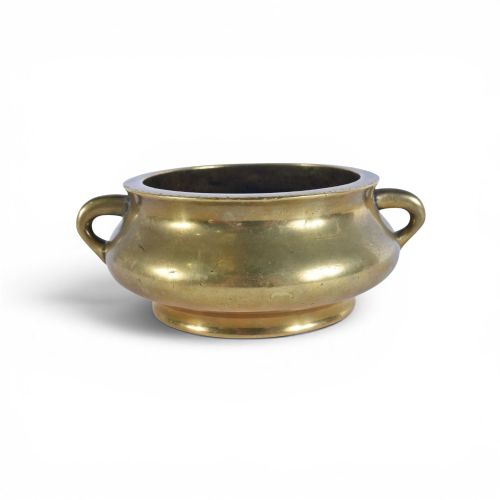
Tripod incense burners with lion mask handles or dragon and qilin motifs dominate the forms, alongside altar vases and gu vessels intended for scholarly and ritual spaces.
Materials and casting methods
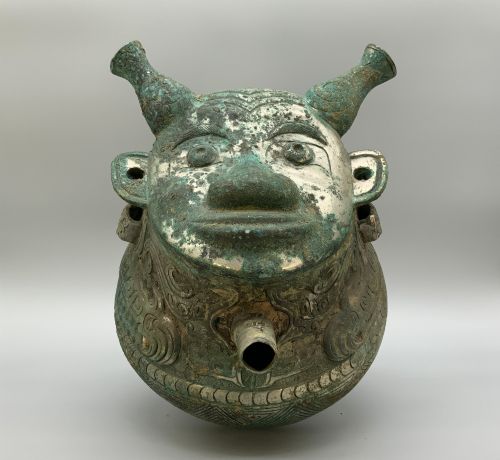
Metal pieces rely on heavy bronze, brass, and copper alloys shaped through master casting, often finished with patinated surfaces, verdigris, or cloisonné enamel.
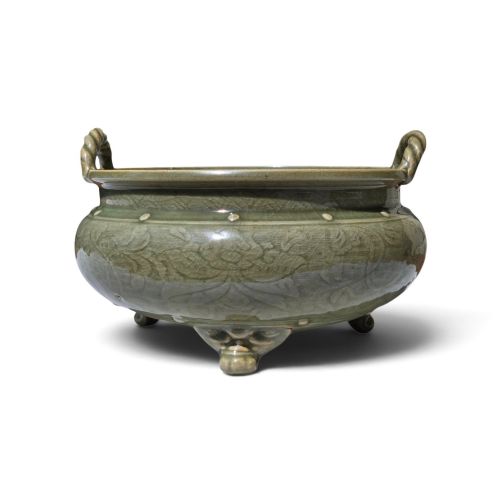
Ceramic examples utilise porcelain and Longquan celadon glazes, alongside specialised methods like the Dehua blanc de china technique seen in bamboo-form censers.
Chinese Ritual Vessel Retail Price Guide 2026
Typical asking prices for chinese ritual vessel among the pieces listed under this phrase on Sellingantiques today, from the lower quarter to the upper quarter. They describe what is for sale here now, not the wider market.
Listings span from the sixteenth century through the Ming and Qing dynasties up to the early twentieth century, predominantly featuring bronze materials.
Assessing the craftsmanship
Quality depends upon the weight and density of the metal casting, where substantial mass and bell-ring resonance indicate superior execution.
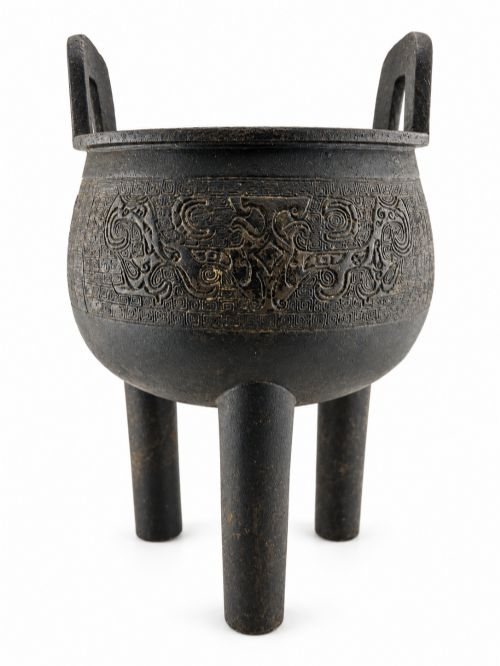
The crispness of archaic decoration, such as taotie masks and leiwen patterns, separates standard production from pieces created for imperial or high-status scholarly collections.
The Chinese Ritual Vessel Glossary
- Archaistic
- Referring to later objects designed in the visual style of much older dynasties. This aesthetic revival drives the design of many Qing dynasty pieces.
- Ding
- A type of ancient cauldrons or tripod vessels supported by three or four legs. They frequently feature prominent handles rising from the rim.
- Censer
- A vessel intended for burning incense during ceremonies or within scholarly environments. These often incorporate perforated lids for smoke release.
- Gu
- A slender, trumpet-mouthed ceremonial beaker form used for wine. These vessels emulate ancient ritual shapes.
Chinese Ritual Vessel: Frequently Asked Questions
How were these vessels used?
Original examples served in ancestral temples and court ceremonies to hold wine, food, or burning incense. Later adaptations found homes on scholar's desks and altars for meditation and scenting rooms.
Many retain functional elements like heavy tripod legs, secure lids, and heat-resistant metal bodies.
How do I date a bronze vessel?
Dating relies on stylistic markers, casting weight, and surface patina, often comparing Qing dynasty revivals to earlier Ming or archaic standards. Marks such as Xuande seals provide historical reference points.
Material composition and manufacturing techniques help distinguish between centuries of production.
How do I style these in a modern interior?
These metal and ceramic pieces work well as standalone sculptural objects on tables, bookshelves, or mantels. Their dark patinated surfaces contrast effectively against minimalist architectural backgrounds.
They also function practically as contemporary incense burners or display vessels.