
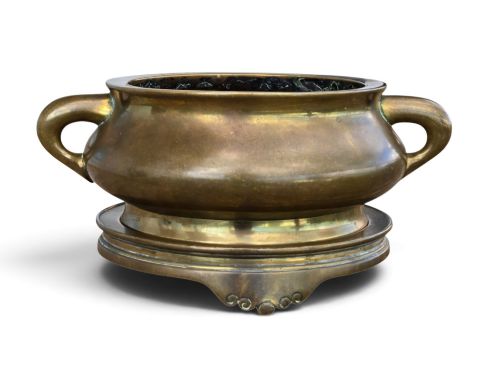
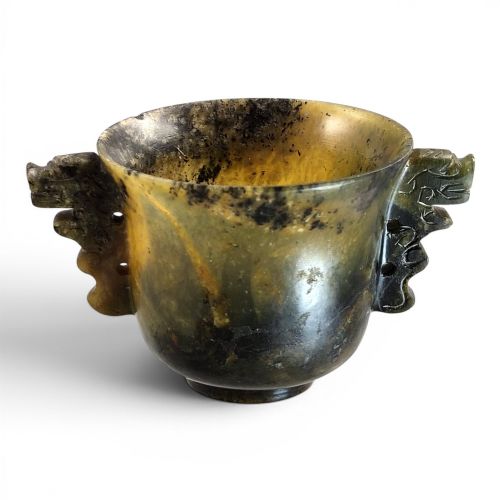


Archaistic Bronze Vessel
An archaistic bronze vessel bridges ancient ritual forms and later decorative artistry, offering collectors tactile weight and historical design.
Archaistic Bronze Vessel
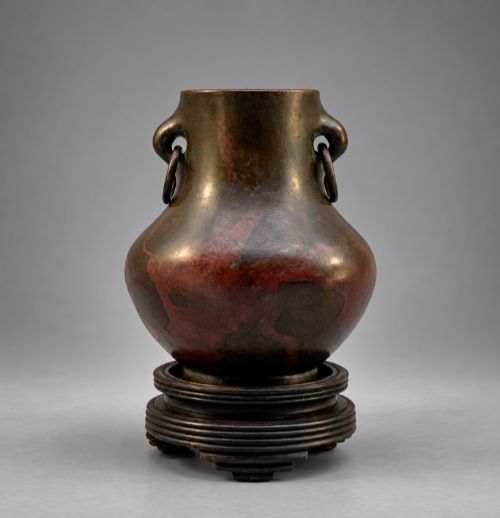
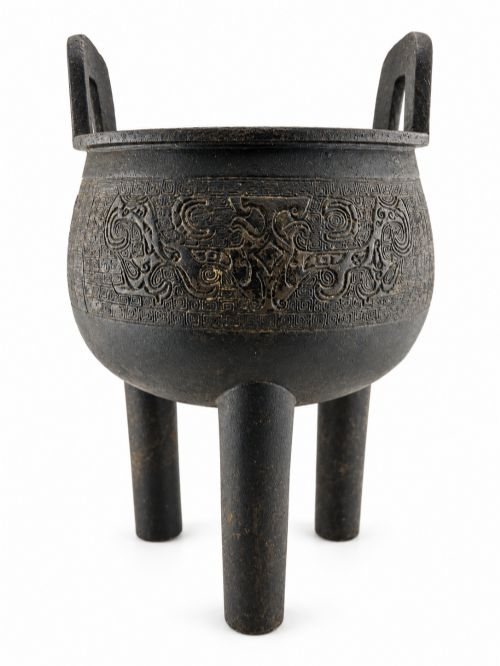
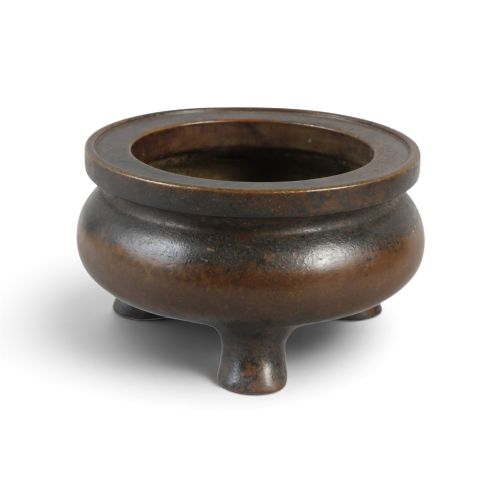
When you search for an archaistic bronze vessel, you encounter objects styled after ancient ritual bronzes from Chinese dynasties, reinterpreted in later periods such as the seventeenth, eighteenth, and nineteenth centuries. These pieces draw upon early forms including ding tripod censers, hu vases, jue wine vessels, and ritualistic food bowls.
The selections available span multiple centuries, ranging from pre-sixteenth century examples to Edwardian and Meiji period Japanese interpretations. Makers of these later pieces utilised traditional shapes to appeal to scholars and collectors who valued antique aesthetics.
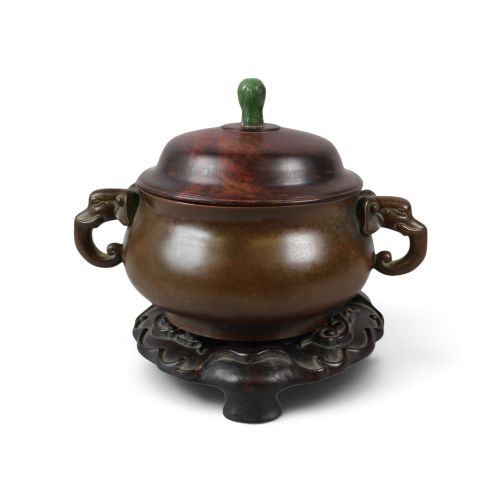
Forms include massive ritual censers featuring taotie decoration and elephant-head handles, alongside smaller scholar's vessels and custom hardwood stands. Certain variations incorporate jade finials or nephrite elements, while others utilise champleve and cloisonne enamel.
How they were made
Artisans produced these vessels primarily through casting bronze, creating heavy, solid forms such as the 3.29 kg scholar's censer or the 7.4 kg ritual censer. Patinated bronze surfaces provide an aged appearance that mimics genuinely ancient metalwork.
Many examples incorporate decorative details in enamel, utilising champleve and cloisonne techniques to introduce colour alongside the metal body. Hardwood stands and jade elements are frequently paired with the bronze vessels to complete the composition.
Listings for this phrase include bronze, enamel, jade, and hardwood, spanning the seventeenth century to the Meiji period.
What varies in quality
Substance and heft separate heavier scholar's pieces from lighter decorative items, with substantial weight often indicating a more serious ritual function or ambition. The crispness of cast details, such as taotie masks and relief decoration, distinguishes finer work from softer casting.
The integration of secondary materials like nephrite, jade finials, and custom hardwood stands elevates the overall finish of a piece. Enamel work also varies, with precise champleve and cloisonne detailing marking out superior examples.
The Archaistic Bronze Vessel Glossary
- Archaistic
- Styled in imitation of ancient art or antiquity. These pieces borrow shapes and motifs from much older dynasties.
- Ding
- A traditional Chinese cauldron or tripod censer used for ritual purposes. They typically feature three legs and prominent handles.
- Hu
- A type of vase with a pear-shaped or rounded body and a constricted neck. They frequently appear in bronze or ceramic forms.
- Champleve
- An enamelling technique where troughs or cells are cast into the metal surface and filled with enamel paste before firing. This creates colourful patterns flush with the bronze.
Archaistic Bronze Vessel: Frequently Asked Questions
What is an archaistic bronze vessel?
An archaistic bronze vessel is a later metallic object created in the style of much older, ancient ritual bronzes. These pieces adopt classical shapes and decorative motifs from early dynasties.
Craftsmen across the seventeenth, eighteenth, and nineteenth centuries reproduced these forms for scholars and collectors who admired antiquity.
How were these vessels used?
Many of these pieces functioned originally as ritual vessels, food bowls, or incense burners in domestic and ceremonial settings. Heavier examples served scholar's desks for burning incense.
Over time, many transitioned into decorative objects displayed on custom hardwood stands within refined interiors.
How do I identify the period?
Dating relies on examining the casting quality, patination, and specific decorative styles associated with periods like the Qing Dynasty or Meiji era. Reference to reign marks or specific forms can also assist.
Materials used alongside the bronze, such as champleve enamel or nephrite, often point to specific nineteenth-century manufacturing techniques.
Are these pieces heavy?
Many archaistic bronze vessels possess substantial weight due to solid cast construction. Examples recorded range from modest cabinet pieces to massive ritual vessels exceeding seven kilograms.
This heft reflects the dense metal content and the robust nature required for traditional tripod censers and food bowls.