
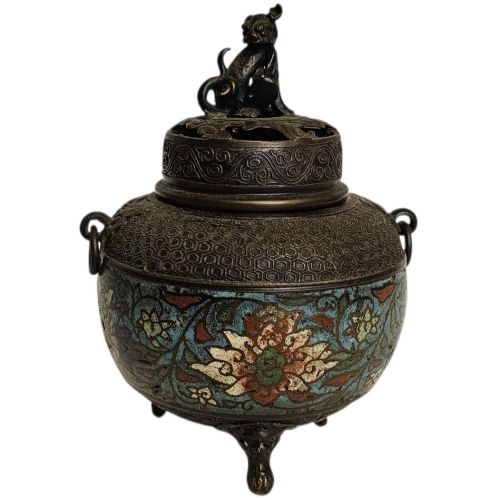
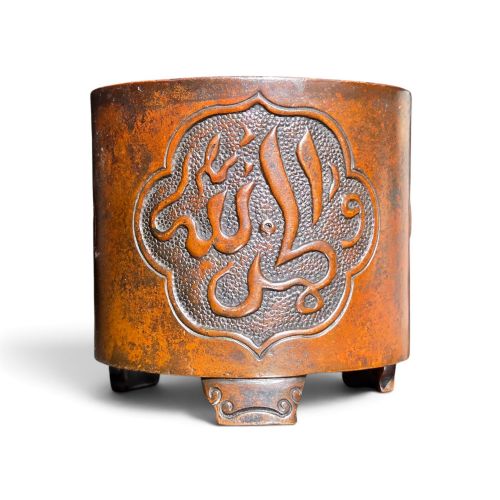
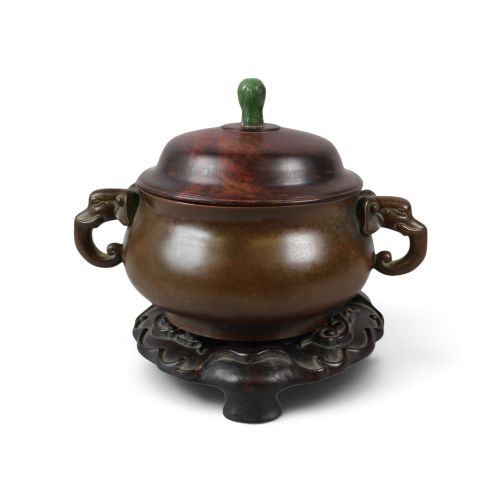
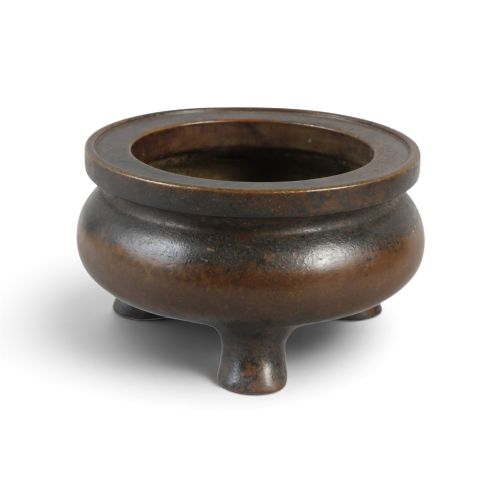
Chinese Tripod Censer
A chinese tripod censer brings centuries of ritual history and tactile craft into any modern interior.
What They Are
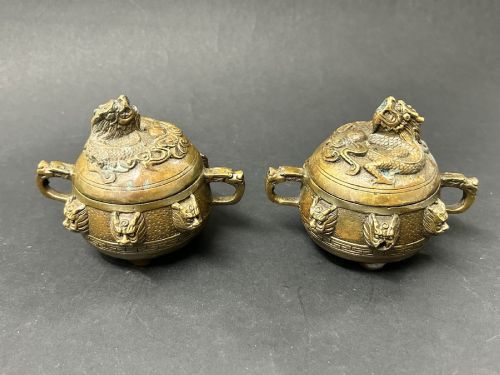
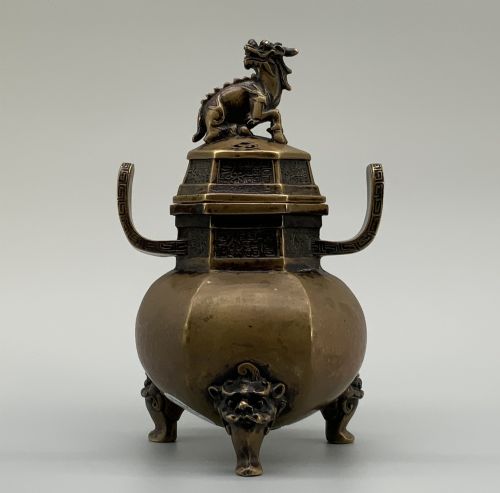
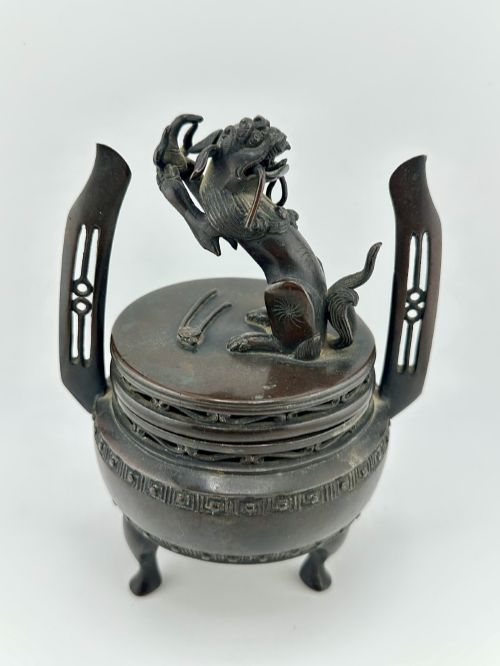
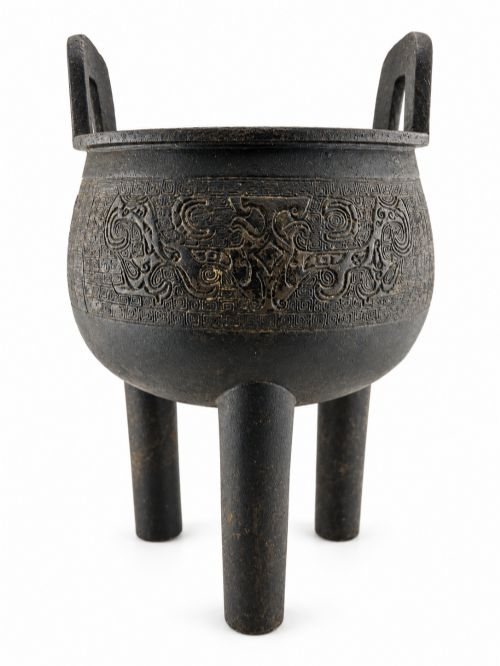
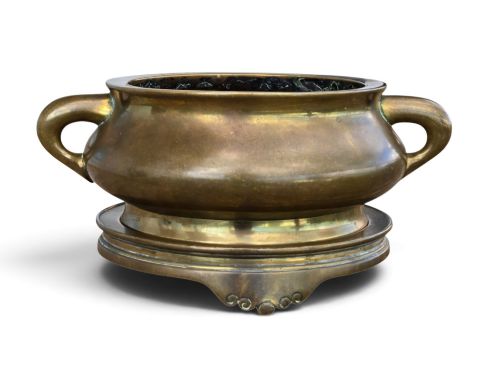
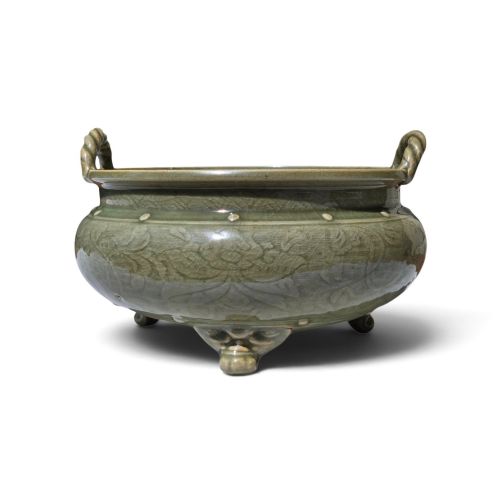
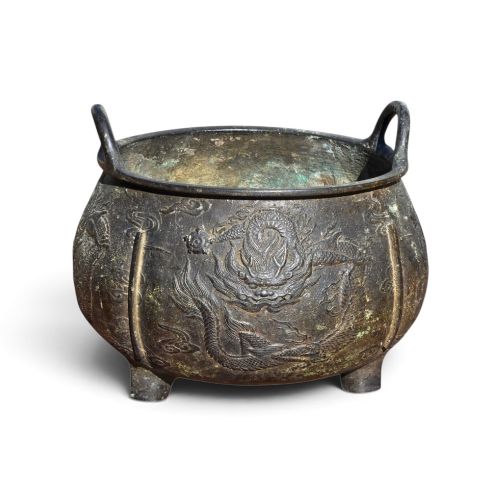
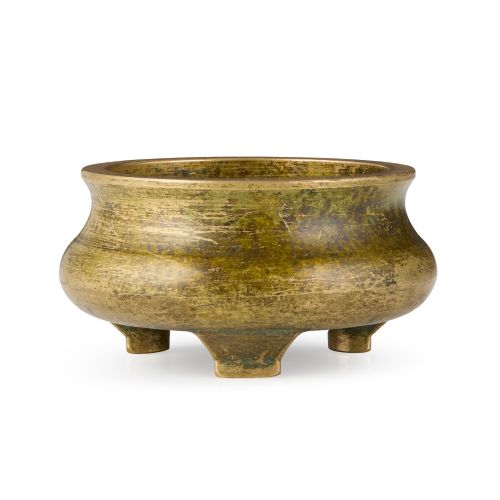
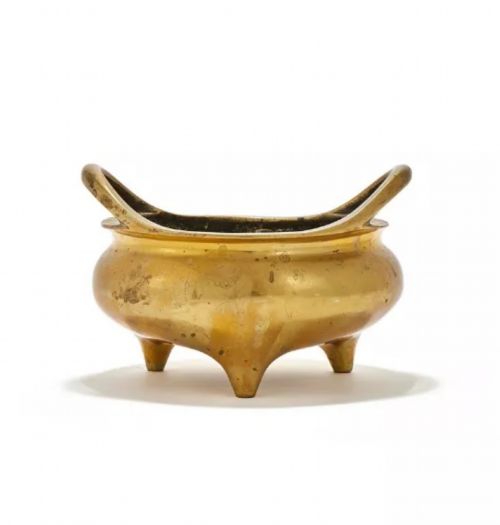
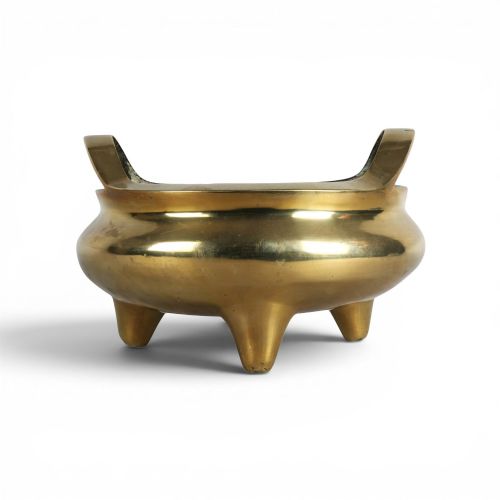
A chinese tripod censer is a traditional vessel raised on three feet, designed primarily to burn aromatic incense during ceremonial and domestic rituals. These pieces bridge ancient utility and decorative artistry, remaining enduringly popular among collectors of Asian works of art.
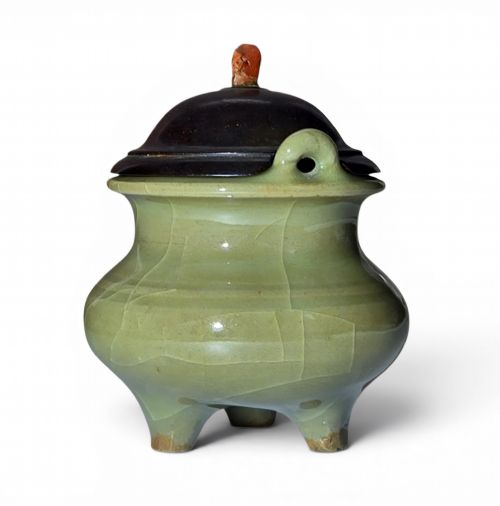
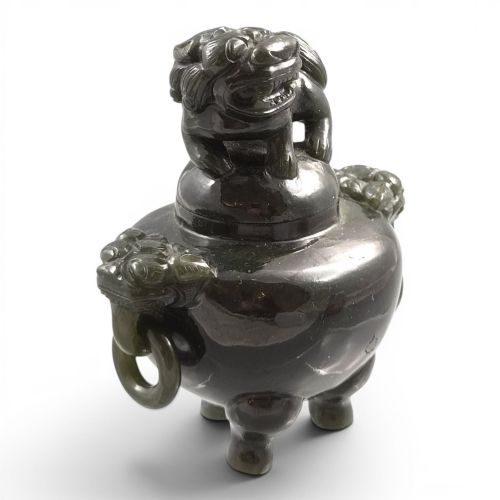
The selections available here span several centuries, featuring examples from the Ming and Qing dynasties alongside later nineteenth-century pieces. Common material expressions include bronze, brass, copper alloy, celadon, stoneware, and porcelain, frequently complemented by bespoke zitan wood and coral covers.
How They Were Made
Metal vessels in this category rely heavily on sophisticated casting techniques, resulting in robust structures ranging from heavily cast lotus forms to slender cylindrical shapes. Metalworkers employed bronze, brass, and copper alloys to achieve enduring durability and rich patination.
Retail Price Guide 2026
Typical UK retail prices for chinese tripod censer, calculated from the Sellingantiques database of over a million retail prices indexed since 2003. This retail price guide relies exclusively on Sellingantiques data; no external sources or auction records are used, so the figures do not describe the wider market.
Current listings span bronze, brass, celadon, stoneware, and porcelain, representing periods from the seventeenth century through the late nineteenth century.
What Varies in Quality
Excellence in these vessels often rests on the sophistication of the casting or ceramic throwing, alongside the crispness of decorative detailing. Pieces exhibiting ambitious forms, such as lobed lotus designs or specialised regional adaptations for the Islamic market, demonstrate superior craftsmanship.
The integrity of secondary elements, including bespoke zitan wood and coral covers, elevates an object significantly. Rich, undisturbed patination on metal surfaces and deep, luminous glazes on porcelain differentiate standard utilitarian items from exceptional collectors' pieces.
The Chinese Tripod Censer Glossary
- Censer
- A container used for burning incense. These vessels typically feature a raised body supported by three feet.
- Zitan
- A dense, heavy hardwood prized by Chinese craftsmen for fine furniture and small decorative covers. Its dark tone provides a striking contrast against bronze and coral.
- Celadon
- A term for pottery denoting both green-glazed ceramics and a specific shade of green. The glaze relies on iron oxide fired in a reduction kiln.
- Blanc de Chine
- A type of white porcelain made at Dehua in Fujian province. It is celebrated for its milky glaze and subtle translucency.
Frequently Asked Questions
What is a chinese tripod censer used for?
These vessels served primarily to burn aromatic incense in temples, scholar's studios, and domestic spaces. The rising smoke was believed to purify the air and aid in meditation.
Today, collectors appreciate them as sculptural decorative objects that anchor a room with historical gravity. They require no active use to make a strong visual statement on a mantelpiece or side table.
How do I date a bronze censer?
Dating relies on examining the casting method, stylistic markers, and the natural patination built up over centuries. Ming pieces often display heavier casting and specific archaic revival motifs.
Later nineteenth-century examples show shifts in surface finish and manufacturing standards. Comparing the piece against documented examples helps confirm its period of origin.
What materials are common?
Metal alloys dominate the category, with bronze, brass, and copper appearing frequently in various patinations. These metals provided the necessary weight and durability for ritual vessels.
Ceramic materials also feature prominently, including celadon, stoneware, and Dehua blanc de chine porcelain. Organic accents like zitan wood and coral appear on fitted lids.
How should I display one?
Place the vessel on a stable surface where its silhouette and three-legged form can be fully appreciated. Good lighting helps reveal the subtle textures of patinated bronze or carved wood covers.
Keep them away from direct heat sources and excessive moisture to protect delicate wooden elements or natural stone components. Gentle dusting maintains the surface finish without altering the patina.