


Late Qing Bronze
These late qing bronze pieces bring substantial weight and master metalwork into a room, offering genuine dynasty-era craftsmanship for daily display.
Late Qing Bronze
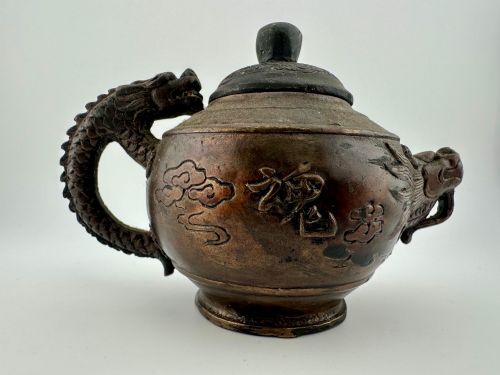
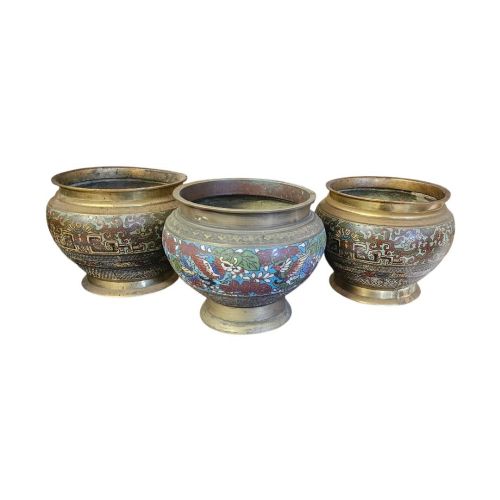
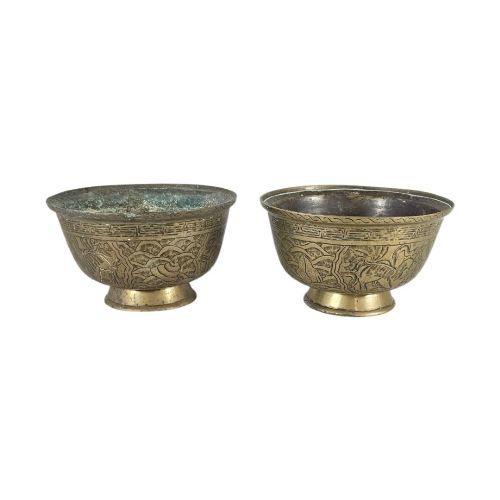
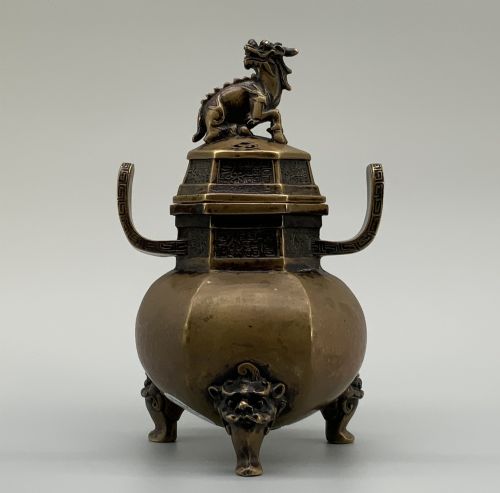
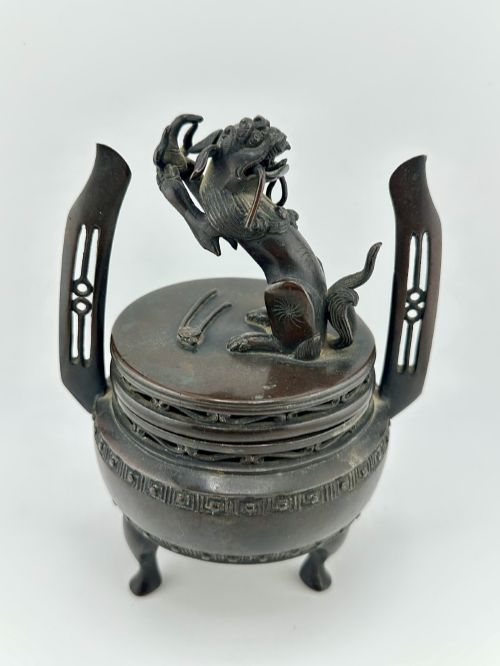
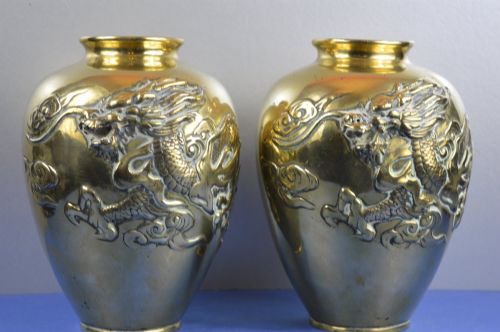
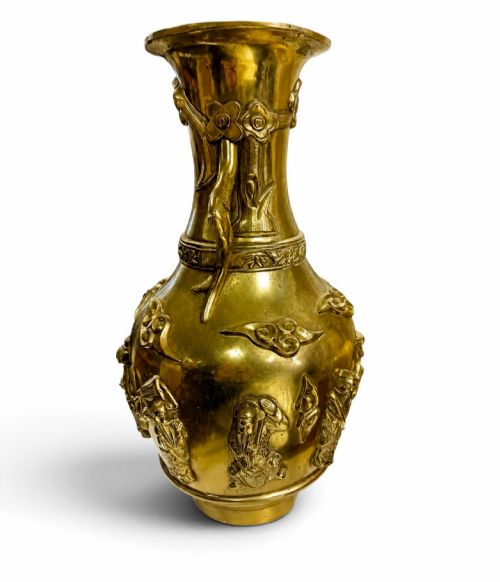
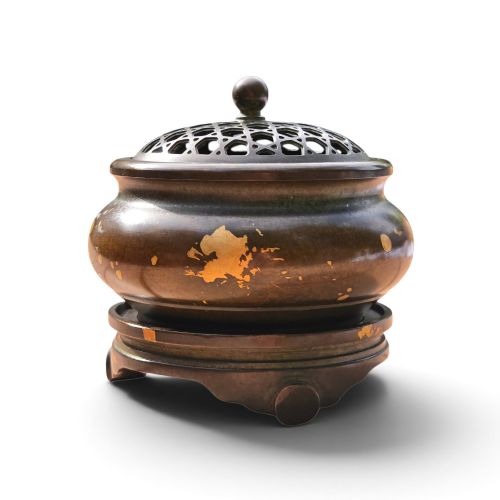
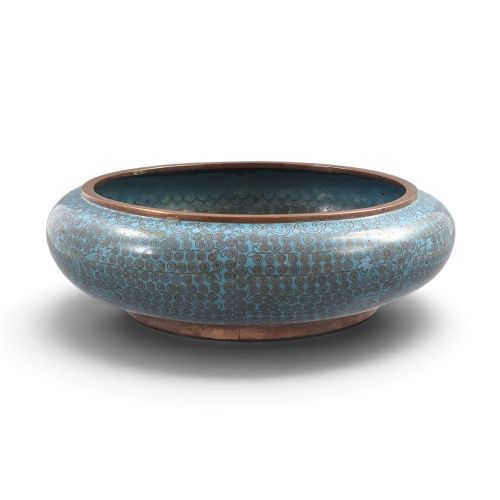
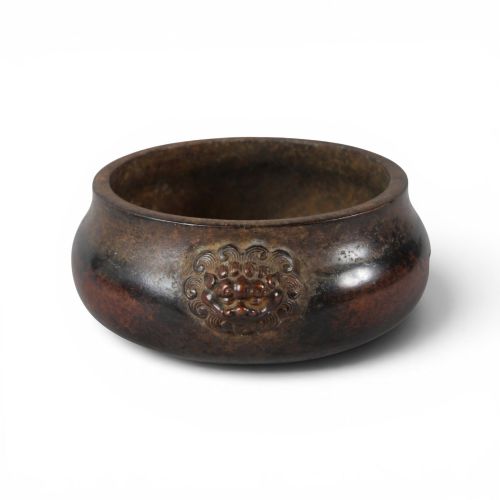
Late qing bronze objects span utilitarian vessels, scholar's studio items and sculptural animal figures created during the final imperial decades. A buyer exploring this category encounters incense burners, baluster vases, jardinieres and decorative bowls shaped by long-standing Chinese metalworking traditions.
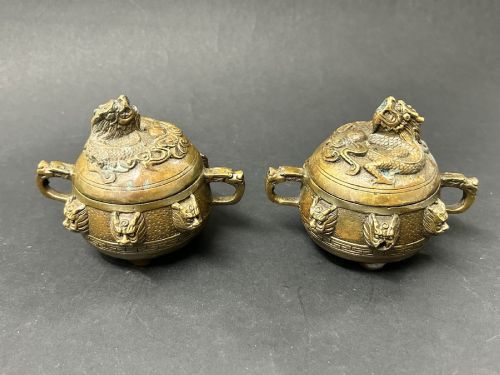
The pieces appearing here date predominantly from the nineteenth century into the early twentieth century, carrying the stylistic hallmarks of the Qing dynasty. Formats range from miniature desk censers to heavy multi-kilogram vessels adorned with dragons, birds and Daoist immortals.
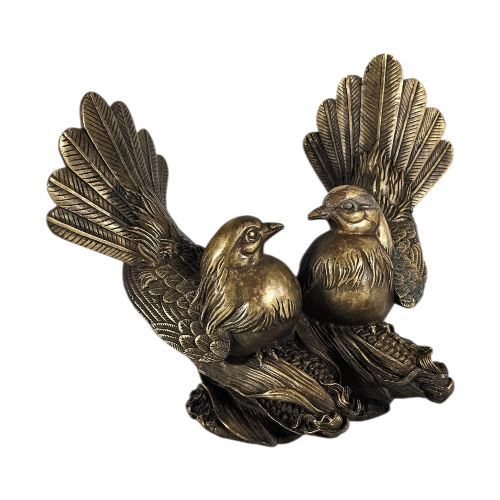
Vases and tripod censers dominate the selection, often bearing archaic reign marks such as Xuande or Qianlong as nods to earlier imperial aesthetics. Alongside vessels sit sculptural subjects, including money toads, pigeons and recumbent dragons.
Materials and Casting Techniques
Metalworkers utilised copper alloy and bronze as primary foundational materials, frequently enhancing surfaces through gold gilding or mixed-metal applications. The resulting weight varies from light miniature desk items to substantial five-kilogram temple vessels.
Decoration relies on casting techniques involving high-relief work, chiselling and champlevé or cloisonné enamel inlays. Artisans also applied gold-splashing methods to scholar's studio pieces to create mottled surface textures.
Finishing steps involved developing natural patinas on the bronze substrate, while certain works received carved hardwood stands or fitted covers to complete the object.
Late Qing Bronze Retail Price Guide 2026
Typical asking prices for late qing bronze among the pieces listed under this phrase on Sellingantiques today, from the lower quarter to the upper quarter. They describe what is for sale here now, not the wider market.
A metal money toad sits ready to attract prosperity, proving that nineteenth-century artisans understood the value of a helpful amphibian.
Distinctions in Execution and Substance
Substance separates simpler items from superior examples, with heavier pieces demonstrating greater metal density and substantial wall thickness. The ambition of the casting determines distinction, seen clearly in high-relief figures and intricate dragon motifs.
Surface finishing dictates the visual success of an item, distinguishing sharp, hand-chased details from soft or blurred casting runs. The application of enamel work and gold gilding requires precision, where clean borders and secure inlays elevate the piece.
The presence of integrated base marks and matching covers adds architectural completeness to censers and vases, influencing the overall integrity of the surviving object.
The Late Qing Bronze Glossary
- Censer
- A vessel designed for burning incense, frequently taking a tripod form with handles and a fitted cover. These range from small scholar's desk items to large temple bronzes.
- Champlevé
- An enamel technique where troughs or cells are carved into the bronze surface and filled with coloured vitreous paste before firing.
- Cloisonné
- A method of decoration using thin metal wires soldered to the metal body to create compartments that receive enamel paste.
- Xuande Mark
- An apocryphal or historical mark referencing the Ming dynasty emperor Xuande, frequently placed on later Qing bronzes as a tribute to historical excellence.
- Baluster
- A vase shape characterised by a rounded body that tapers toward a narrow neck and flared rim.
Late Qing Bronze: Frequently Asked Questions
What is a bronze censer used for?
These vessels held burning incense within scholar's studies, temples and reception rooms during the imperial period. The heavy metal construction safely contained glowing embers and aromatic materials.
Today, collectors use them as sculptural decorative objects or mantle centrepieces rather than for burning incense, appreciating their sculptural form and patinated surfaces.
How do I care for antique bronze?
Antique bronze requires minimal intervention to preserve its historical surface and natural patina. Dusting with a dry, soft cloth prevents particulate accumulation without altering the metal.
Avoid chemical polishes, abrasive cleaners and moisture, as these can strip away centuries of oxidation and damage applied gold gilding or enamel inlays.
What are reign marks on bronzes?
Reign marks are imperial inscriptions cast or engraved into the base of a vessel to honour a specific historical emperor's reign. They appear as formal seals on many late nineteenth-century pieces.
These marks act as historical tributes to earlier artistic golden ages rather than strict indicators of the exact year of manufacture.
Where were scholar's objects placed?
Scholar's objects such as brush washers, miniature censers and desk weights sat upon hardwood tables within the private studies of elite scholars and officials. They served functional roles in calligraphy and contemplation.
In modern interiors, these smaller pieces suit display shelves, desks and cabinets where their tactile weight and detailed relief work remain accessible.