




Bronze Dragon Urn
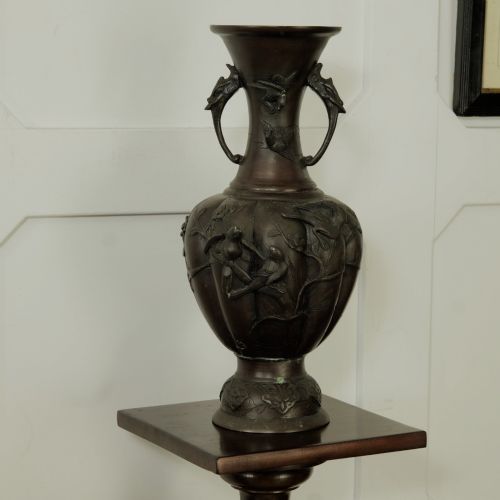
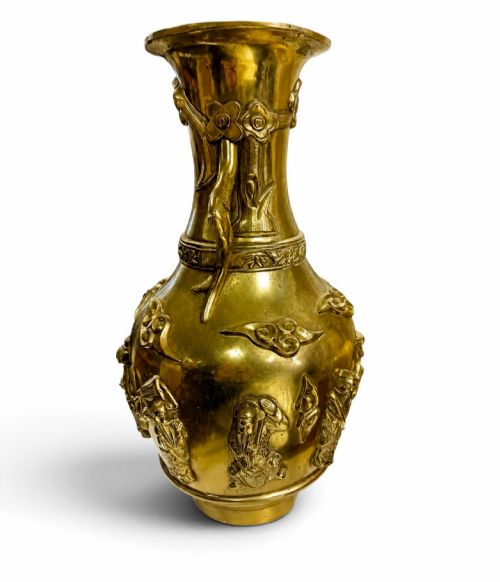
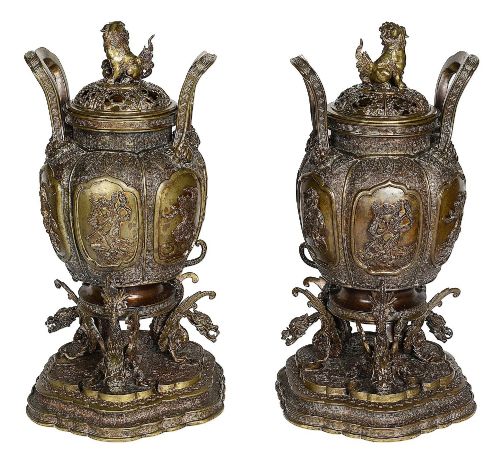
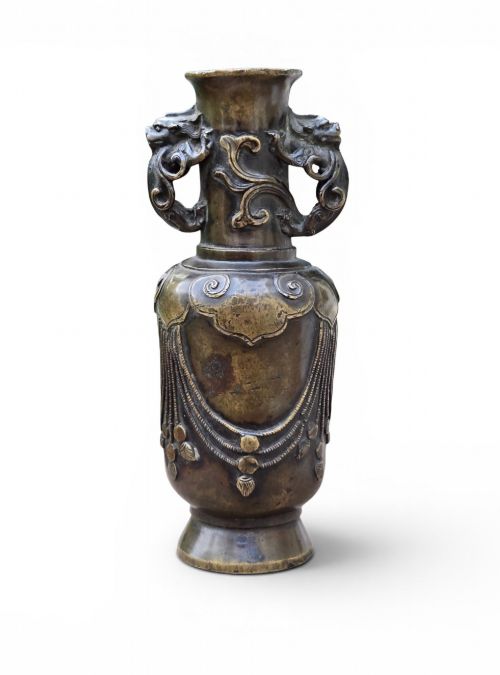
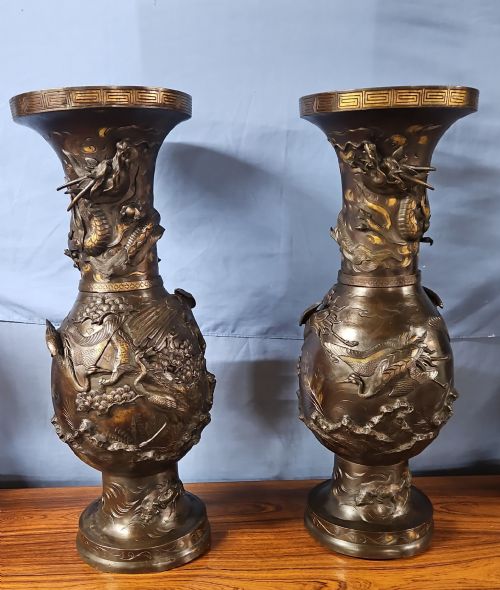
These bronze dragon urn pieces bring heavy metalwork, high-relief dragons and sculptural handles into a room.
Bronze Dragon Urn
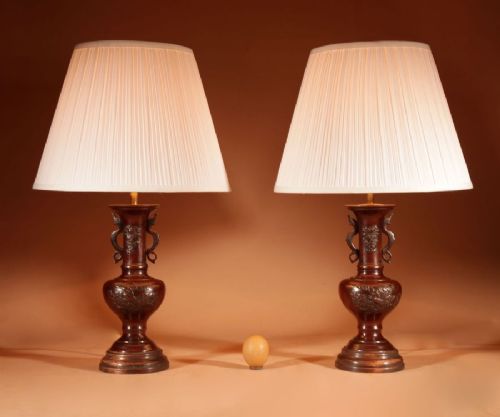
A bronze dragon urn search brings up vessels, vases, lidded urns, censers and table lamps shaped by Asian and European metalworkers. You will find Japanese Meiji period pieces and Chinese Qing dynasty works alongside Victorian adaptations.
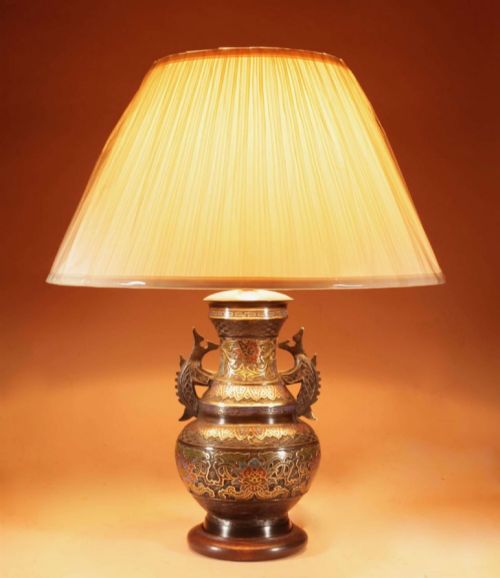
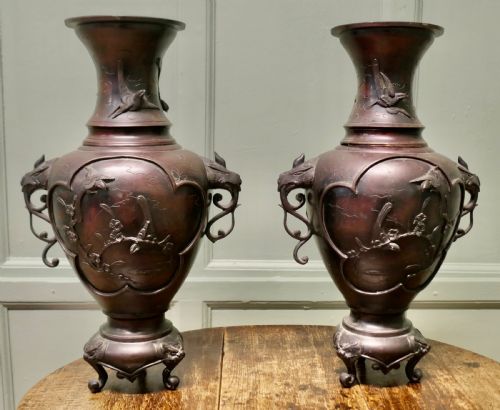
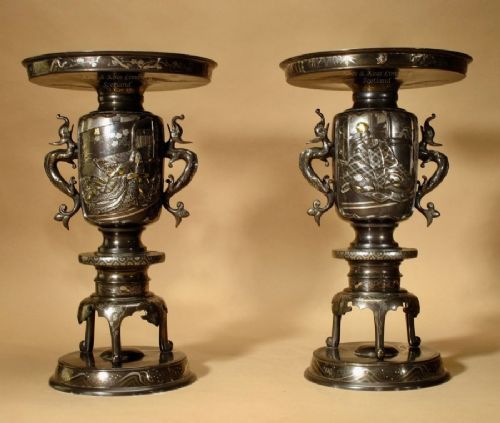
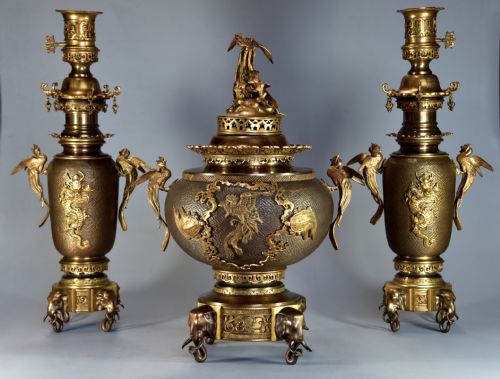
Most examples function as decorative vases, incense burners or garden temple urns cast with dragon motifs. The forms range from baluster vases and archaistic hu vessels to garniture sets and converted lamp bases.
Originating largely from the nineteenth century, these objects display the cross-cultural exchange of the period, particularly through Japanese Meiji craft and French Japonisme style.
Materials and construction methods
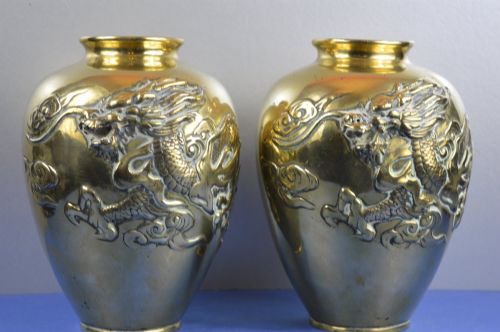
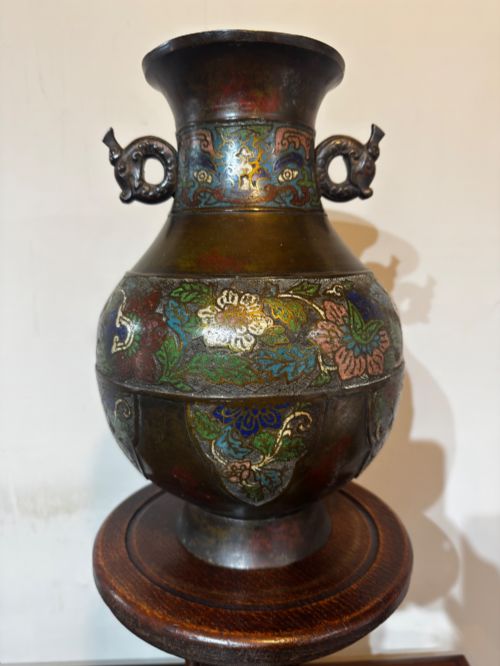
Metalworkers cast these pieces using copper alloys, brass, and bronze, often applying gilt, patination, or champlevé enamel to enrich the surfaces. Many items feature intricate high-relief casting where dragons coil around the necks and bodies of the vessels.
Detailing frequently involves gold inlay and hand-carved wooden stands that complement the heavy cast metal bodies. The combination of patinated bronze and colourful enamel work defines the finish of these decorative objects.
Bronze Dragon Urn Retail Price Guide 2026
Typical asking prices for bronze dragon urn among the pieces listed under this phrase on Sellingantiques today, from the lower quarter to the upper quarter. They describe what is for sale here now, not the wider market.
Several heavy specimens weigh over five kilograms, ensuring your dragon urn stays firmly put even if bumped.
Distinguishing quality across pieces
Quality rests on the crispness of the casting and the depth of the relief work on the dragon motifs. Sharply defined scales, powerful claw details and securely integrated handles separate superior examples from standard production.
The finish of the metal, whether through controlled patination, rich gilding or precise champlevé enamel cells, determines the visual weight of the piece. Artisanal skill appears in the balance of the vessel and the integrity of the joins.
The Bronze Dragon Urn Glossary
- Champlevé
- An enamelling technique where troughs are dug into the metal surface and filled with vitreous enamel before firing. This process creates colourful decorative patterns across the bronze body.
- Censer
- A vessel designed for burning incense, often featuring a pierced cover to let smoke rise. These containers frequently incorporate dragon forms into their lids and handles.
- Meiji Period
- The era in Japanese history spanning from 1868 to 1912, noted for metalwork exported to Western markets. Pieces from this time show advanced casting and patination techniques.
- Baluster
- A vertical architectural form with a swelled base that inspires the curved silhouette of many vases. This shape provides stability for heavy metal vessels.
- Archaistic
- A style that consciously emulates ancient forms and motifs from earlier dynasties. Makers used this approach to connect nineteenth-century bronzes with historic ritual vessels.
Bronze Dragon Urn: Frequently Asked Questions
What are bronze dragon urns used for?
These vessels originally served as ritual objects, incense burners, or decorative display pieces in domestic and temple settings. Today they function primarily as focal points in interior decoration, table lamps, or prominent mantel ornaments.
Larger versions also find placement as garden temple vessels or umbrella stands. Their substantial weight and sculptural handles make them natural statement pieces.
How do I identify a Meiji period bronze?
Meiji period bronzes often display deep patination, high-relief dragon detailing, and meticulous surface finishing developed in Japanese workshops between 1868 and 1912. Many carry signatures or school attributions on the base.
The metal composition tends to be dense and heavy, reflecting advanced foundry techniques of the era. Stylistic influences from this time also fed into European Japonisme designs.
Are these pieces Chinese or Japanese?
The listings include both Chinese and Japanese items, alongside nineteenth-century European works influenced by Eastern aesthetics. Chinese pieces frequently relate to Qing dynasty traditions, while Japanese examples often date from the Meiji era.
Motifs and casting styles help distinguish origins, with Chinese pieces often featuring archaistic marks and Japanese items showing dynamic high-relief animal figures.
How do I care for antique bronze?
Dust the metal gently with a soft, dry cloth to prevent the buildup of grime on the textured surfaces. Avoid using chemical polishes that can strip away the historic patination or damage enamel and gilt details.
Keeping the pieces away from excessive moisture preserves both the bronze alloy and any associated wooden stands. Natural wax can occasionally protect patinated surfaces if applied sparingly.