
Asian Bronze Censer
An asian bronze censer brings centuries of ritual craft and sculptural weight into a room, serving as both vessel and focal point.
Asian Bronze Censer
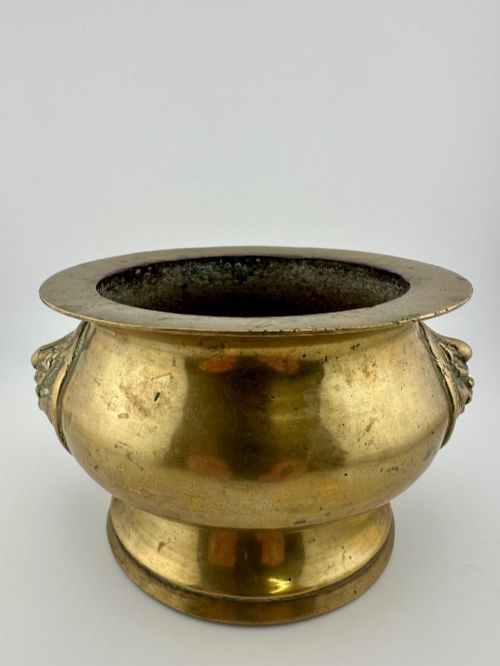
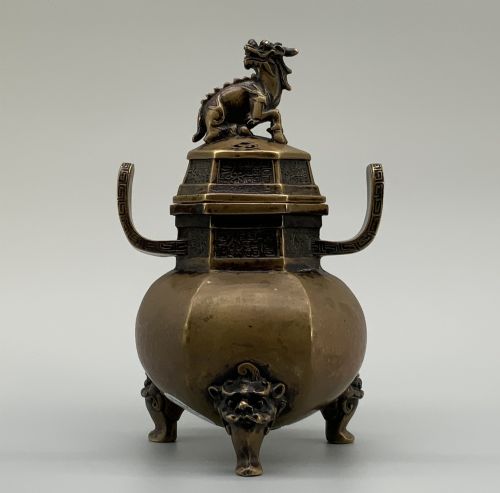
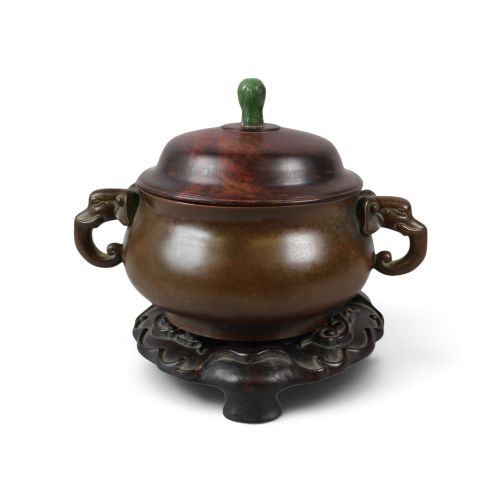
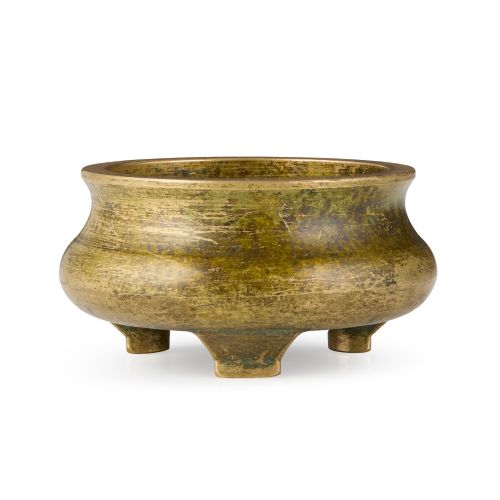
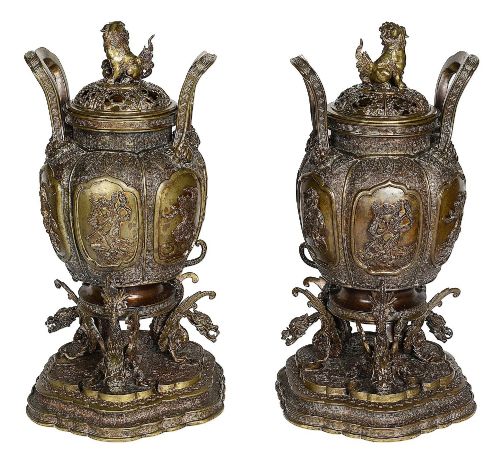
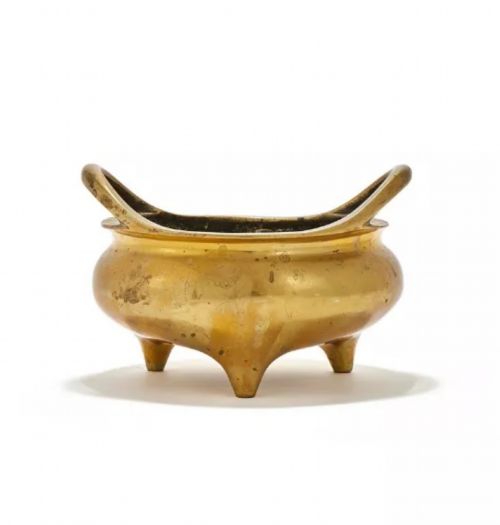
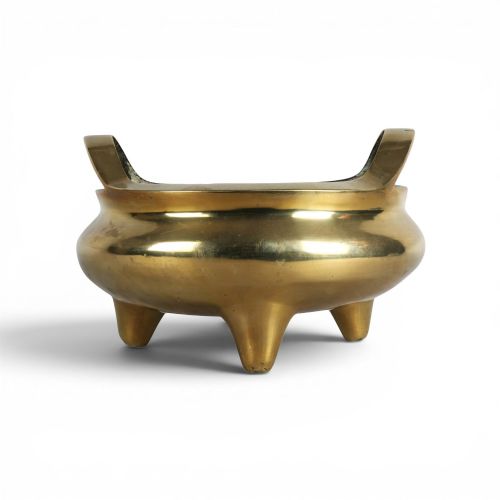
An asian bronze censer encompasses ritual vessels designed for burning incense across Chinese dynasties and Japanese periods. Buyers on this page most frequently encounter tripod vessels bearing handles shaped like lion masks, elephants, or dragons.
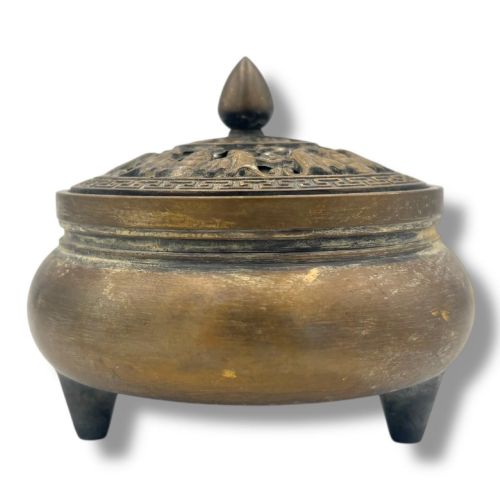
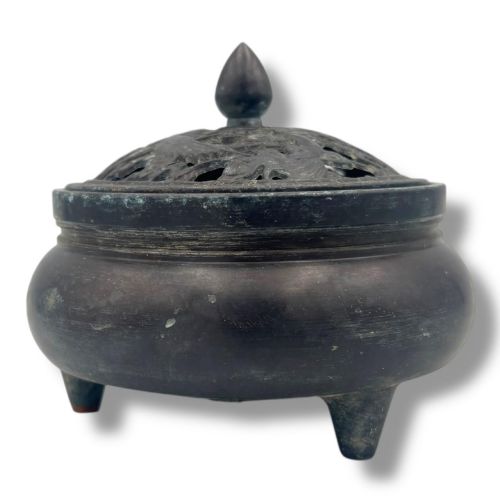
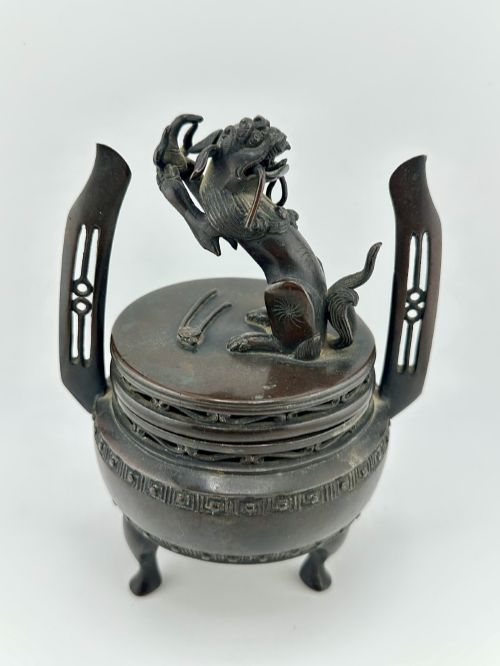
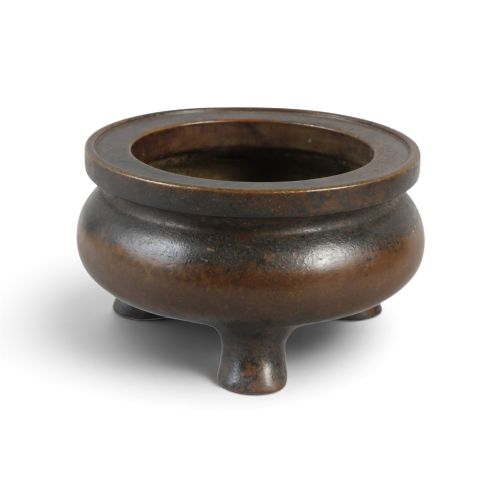
The inventory spans multiple centuries, from heavy scholar's pieces of the Ming dynasty to ornate Qing and Meiji creations. Forms range from compact tripod bowls with pierced floral lids to monumental lidded urns and distinct vessels cast in bamboo or boat shapes.
Originating from sacred and scholarly contexts, these incense burners utilise cast metal and decorative enamel work. The surviving examples demonstrate enduring metalworking traditions established across East Asian workshops.
Casting and Surface Technique
These vessels rely on traditional bronze and brass casting methods, often resulting in substantial physical weight. Artisans employed lost-wax and sectional mould techniques to achieve complex tripod bases, lobed lotus contours, and thick walls.
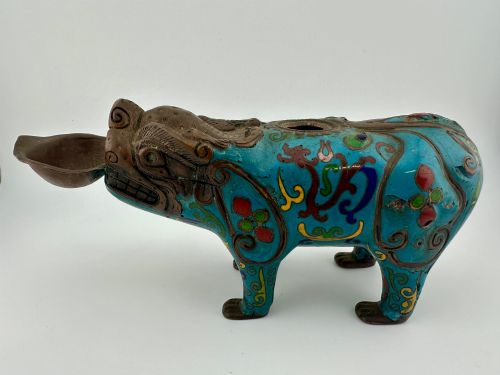
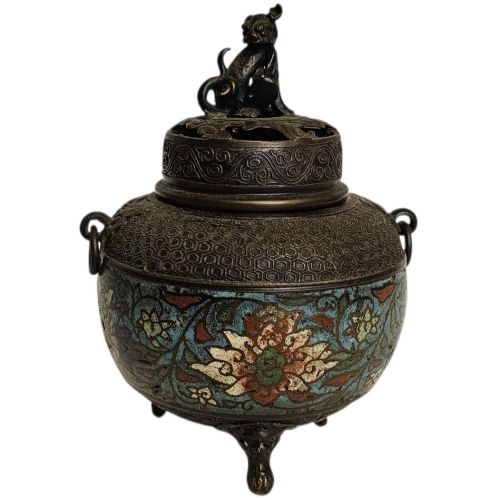
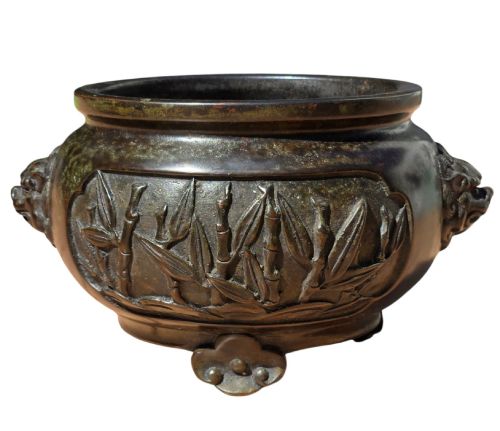
Surface decoration integrates applied cloisonne enamel, gold leaf, and champleve techniques alongside hand-chased relief panels. Makers also utilised patination processes to develop deep patinas and incorporated gilt-splashed highlights directly onto the metal ground.
Asian Bronze Censer Retail Price Guide 2026
Typical asking prices for asian bronze censer among the pieces listed under this phrase on Sellingantiques today, from the lower quarter to the upper quarter. They describe what is for sale here now, not the wider market.
Certain scholar's censers are heavy enough to double as doorstops, though their fierce qilin finials might frighten the postman.
Distinctions in Execution
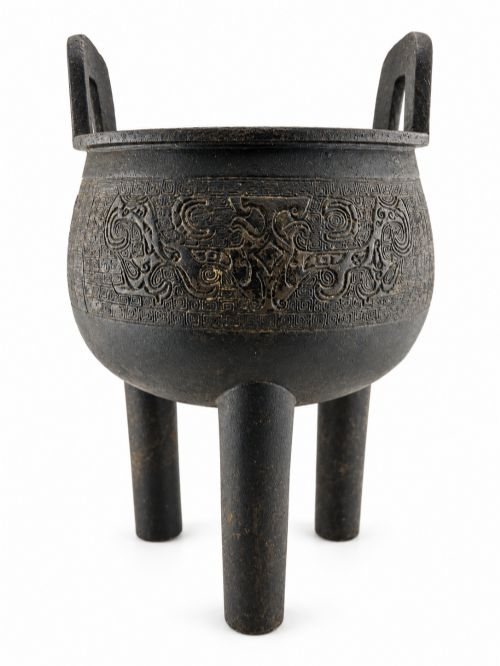
Quality rests in the precision of the casting and the crispness of applied surface detail, such as taotie masks and relief panels. Superior examples exhibit balanced proportions, deliberate wall thickness, and resonant bell-metal properties.
The articulation of fine elements, including qilin finials, pierced lotus lids, and animal-head handles, separates standard production from master-cast workshop output. Furthermore, integrated scholar's studio marks or reign seals provide contextual authority to the metalwork.
The Asian Bronze Censer Glossary
- Archaistic
- A design style consciously emulating ancient ritual bronzes from earlier dynasties. This aesthetic appears frequently in scholar's vessels.
- Taotie
- A stylized zoomorphic mask motif commonly cast into the body of ritual vessels. It draws from ancient Chinese iconography.
- Koro
- A Japanese term for an incense burner, often featuring a fitted lid and supportive feet. These vessels span various decorative metalwork styles.
- Cloisonne
- An enamel technique where metal wires form small compartments to hold coloured paste before firing. This ornamentation frequently accompanies bronze bodies.
- Xuande
- A historical Chinese imperial reign associated with esteemed bronze production and frequently referenced by later marks. Genuine pieces and later tributes both carry these designations.
Asian Bronze Censer: Frequently Asked Questions
What is an asian bronze censer?
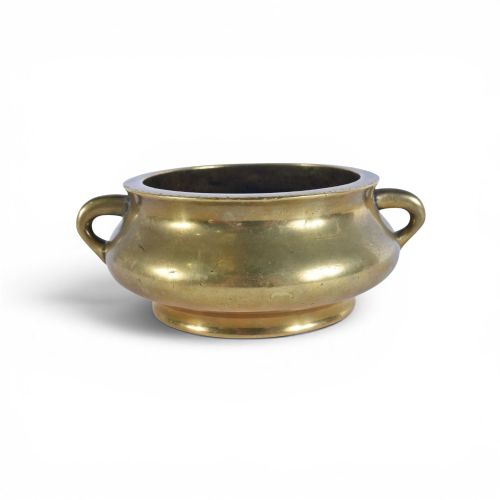
An asian bronze censer is a metal vessel originally created for burning aromatic incense in temples, scholarly studios, and domestic interiors. These pieces are cast in bronze or brass and often feature intricate lids, handles, and supportive legs.
Surviving examples reflect distinct stylistic periods across China and Japan, ranging from restrained scholar's items to highly decorated export pieces. Their enduring appeal lies in their sculptural presence and traditional manufacturing methods.
How were these censers used?
These vessels functioned primarily to burn block or powdered incense, releasing fragrance during meditation, study, or ritual observation. The pierced lids allowed smoke to disperse evenly into the surrounding room.
Beyond burning incense, many pieces served as decorative objects or status items within scholar's desks and reception halls. Their weight and design communicated the owner's appreciation for refined craftsmanship.
How do I date an antique censer?
Dating relies on examining the casting style, surface patina, decorative motifs, and any included reign or studio marks. Early pieces often display simpler archaistic forms, while later Qing and Meiji items introduce complex enamel work and figurative finials.
Marks on the base should be evaluated alongside the physical characteristics of the metal and construction methods. Comparing handle styles and patination provides further context for the period of origin.
How should I display one at home?
An asian bronze censer functions well as a sculptural centrepiece on a low table, mantelpiece, or dedicated display surface. Many pieces benefit from custom hardwood stands that elevate the vessel and protect underlying furniture.
Given their substantial weight and metallic finishes, they pair effectively with minimalist surroundings or traditional collections. Placed in natural light, the patinated surfaces and cast details become more prominent.