


Bronze Incense Pot
A bronze incense pot brings quiet ritual and weight to a room, drawing the eye with ancient patinas and enduring metalwork.
Bronze Incense Pot
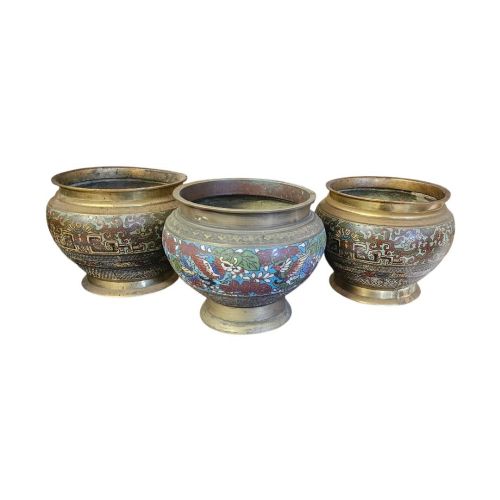
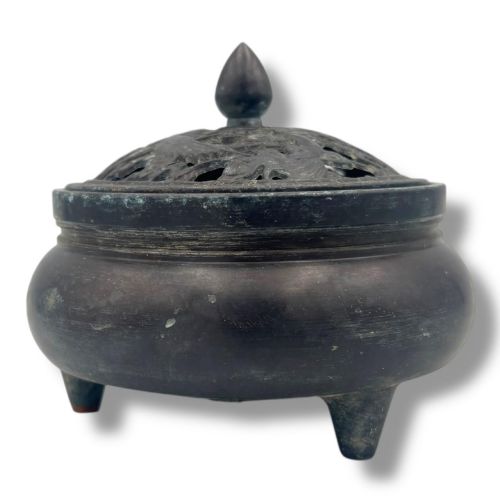
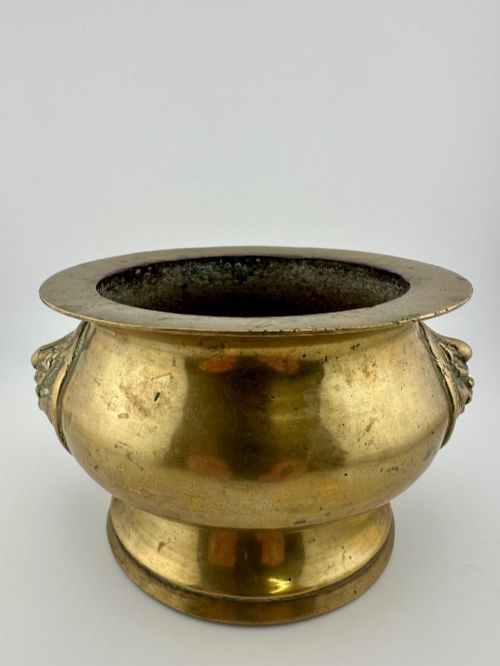
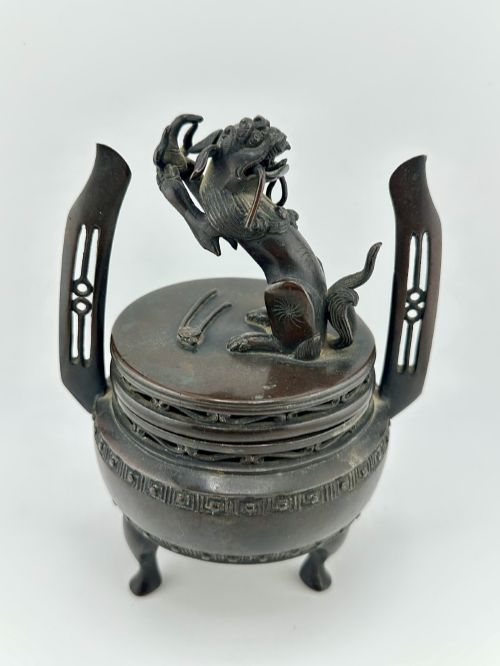
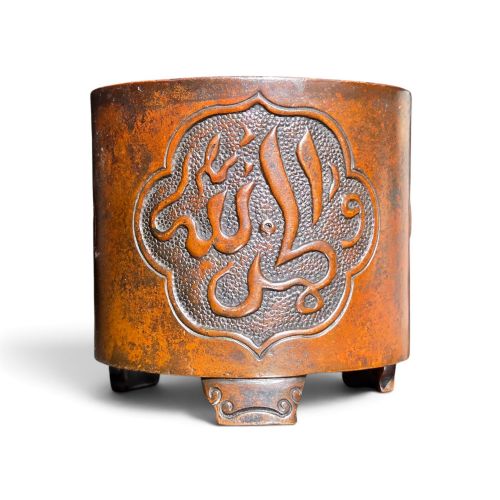
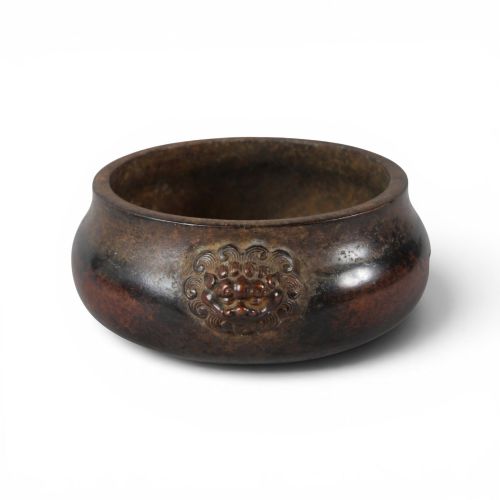
When you search for a bronze incense pot, you encounter vessel forms created to burn aromatic materials during quiet moments of reflection. These objects range from compact scholar's pieces meant for a desk to monumental lidded censers resting on tripod legs.
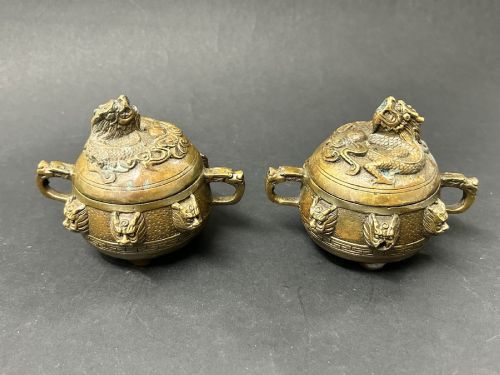
The versions you are most likely to meet on this page span the Ming and Qing dynasties through the nineteenth century, often featuring cast handles shaped as dragons, lions, or qilin. Many include fitted wooden stands or pierced covers designed to release fragrant smoke steadily into the air.
Scholar's studios and domestic shrines utilised these metal vessels across centuries, creating a rich tradition of Asian and Oriental design. The selection here reflects diverse periods, from sixteenth-century examples to later cast creations.
How they were made
Artisans produced these vessels primarily through casting techniques, working with bronze, brass, and copper alloy to achieve thick, durable walls that retain heat safely. Skilled metalworkers shaped tripod legs, rounded bodies, and cylindrical forms with careful attention to structural balance.
Decoration often involved intricate hand-chased details, applied champlevé or cloisonné enamel, and patination processes that brought varied tones to the metal surface. Some pieces incorporate carved zitan wood stands and lids, pairing dense timber with cast bronze.
Listings here feature bronze, brass, and copper alloy vessels spanning from the sixteenth century through the nineteenth century.
What varies in quality
The distinction between standard examples and superior pieces rests on the crispness of the cast ornament and the density of the metal. Exceptional vessels demonstrate high weight relative to their size, indicating generous material use and solid construction.
Refinement in the sculpting of handles - such as finely detailed dragon masks or lion finials - separates masterwork studio pieces from ordinary production. The depth and stability of the natural patina also signal the age and preservation of the metal.
The Bronze Incense Pot Glossary
- Censer
- A vessel designed specifically for burning incense. These containers often feature pierced lids to allow scented smoke to escape.
- Tripod
- A vessel supported by three legs. This classic configuration provides stability on uneven surfaces.
- Patina
- The surface sheen and colour acquired by bronze over time through age and handling. A rich patina enhances the visual depth of the metal.
- Bombé
- A curved, swelling profile associated with certain classical vessel forms. This shape creates a pleasing sense of volume.
- Zitan
- A dense, heavy tropical hardwood prized in traditional Chinese furniture and stands. It frequently accompanies fine scholarly bronzes.
Bronze Incense Pot: Frequently Asked Questions
How were bronze incense pots used?
These vessels served primarily to burn aromatic resins or woods during meditation, scholarly study, or domestic rituals. The smoke drifted through pierced covers to scent the surrounding space.
Over time they also functioned as purely decorative objects in scholar's studios and reception rooms, prized for their dignified forms and aged metal surfaces.
How do I care for a bronze censer?
Keep the metal clean by dusting it gently with a soft, dry cloth to protect the historic patina. Avoid using abrasive polishes or harsh chemical cleaners that strip away the surface character.
If you burn incense inside the vessel, place a layer of ash or sand at the bottom to protect the ancient metal from direct heat and burning embers.
What is a scholar's bronze censer?
A scholar's censer is typically a smaller, understated vessel created for the desk of a traditional scholar or literatus. These pieces emphasised subtle patinas, refined proportions, and tactile quality rather than ostentatious decoration.
They formed part of the scholar's studio equipment alongside brushes, inkstones, and scholar's rocks, intended to aid concentration and poetic thought.
How can I tell the age of a bronze censer?
Dating relies on examining the casting style, handling characteristics, surface patina, and any reign marks present on the base or body. Earlier pieces often display distinct weight distributions and manufacturing tool marks unique to their era.
Comparing the form and decorative motifs to documented examples from periods like the Ming or Qing dynasties helps establish a reliable chronological window.