
Antique Incense Tripod
An antique incense tripod brings centuries of ritual craft into a room, offering heavy bronze and delicate porcelain vessels designed to burn fragrant woods.
Antique Incense Tripod
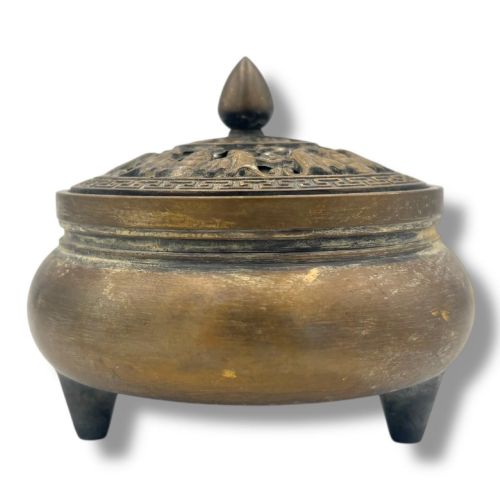
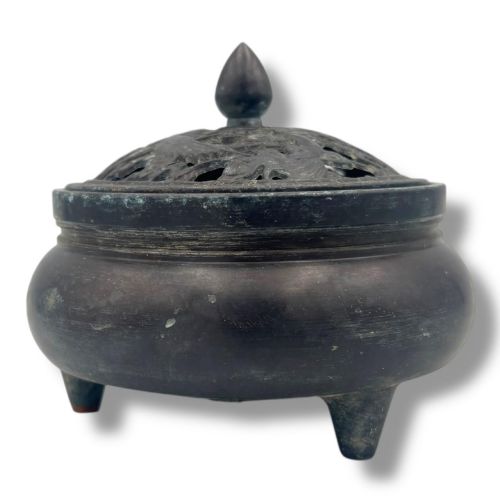
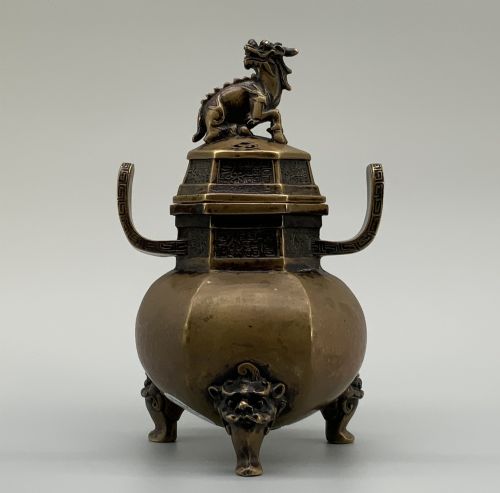
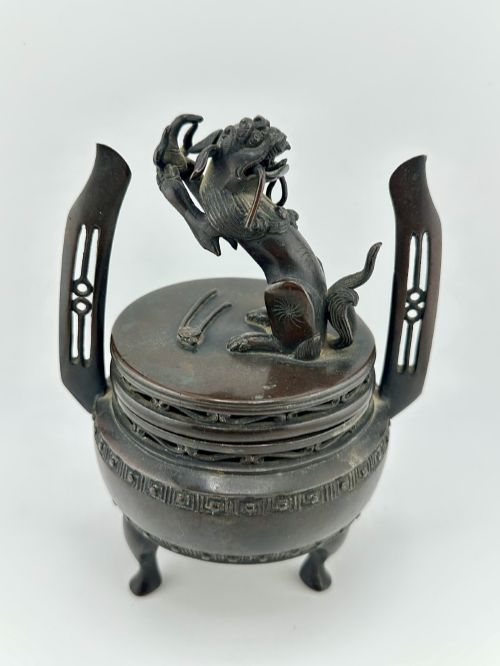
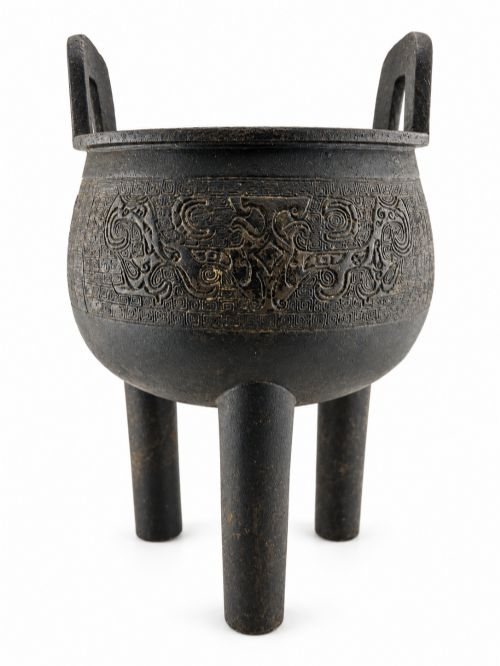
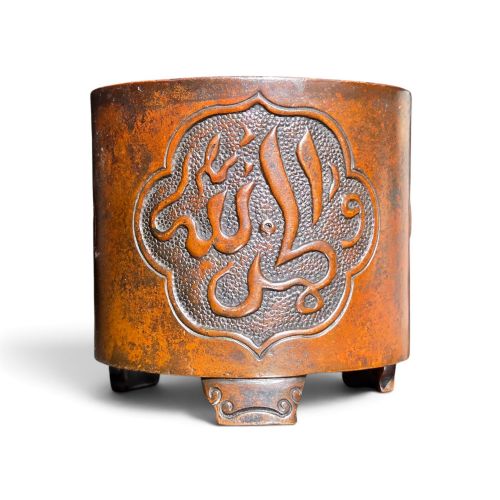
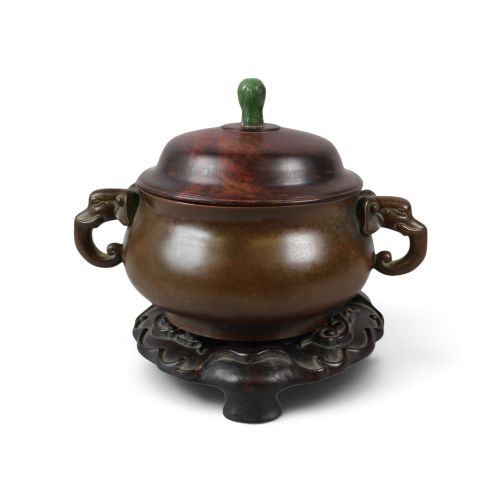
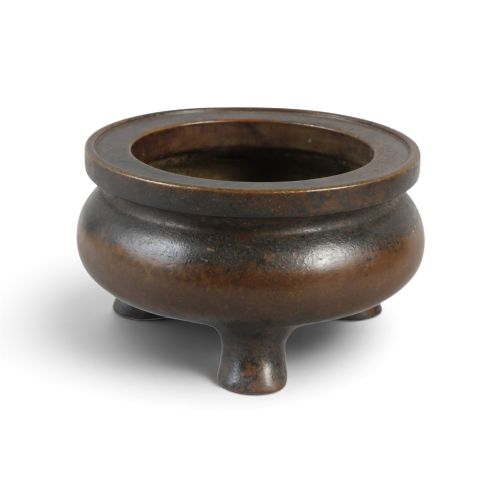
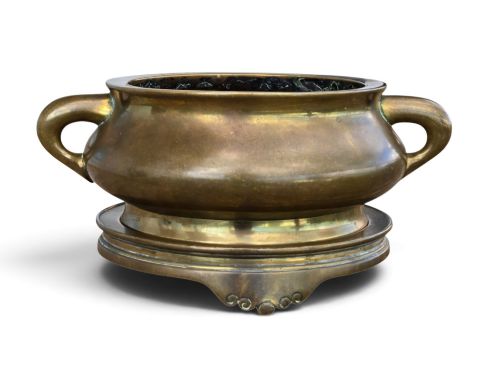
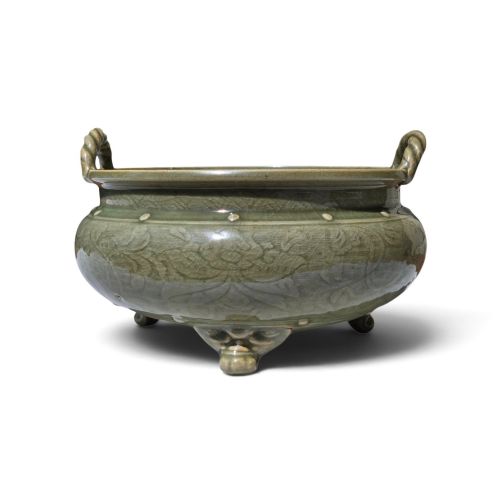
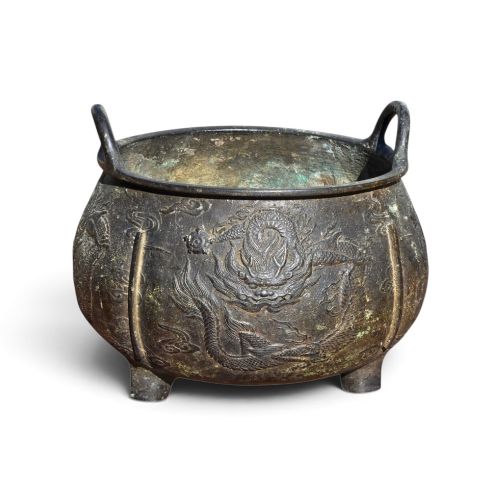
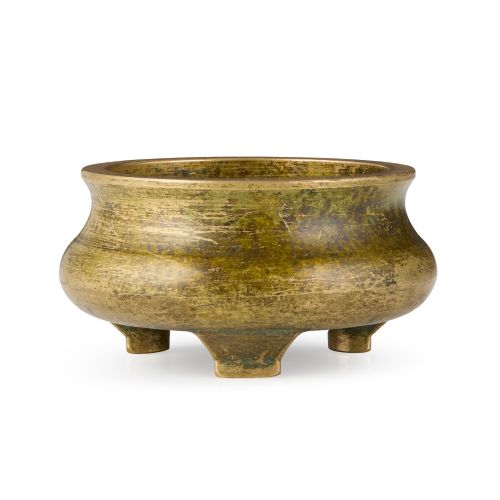
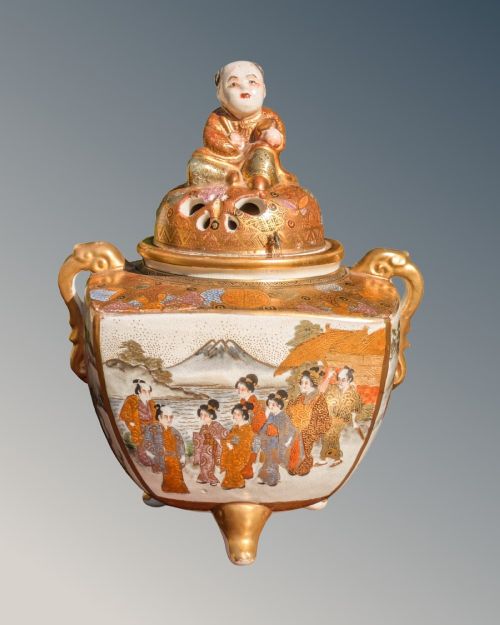
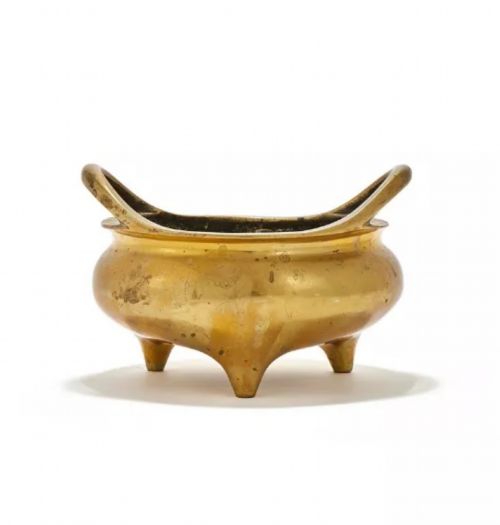
When you search for an antique incense tripod, you encounter ritual vessels raised on three feet, spanning centuries of Asian and European craftsmanship. The forms range from scholar's studio censers to lidded Japanese koro designed for burning aromatic materials.
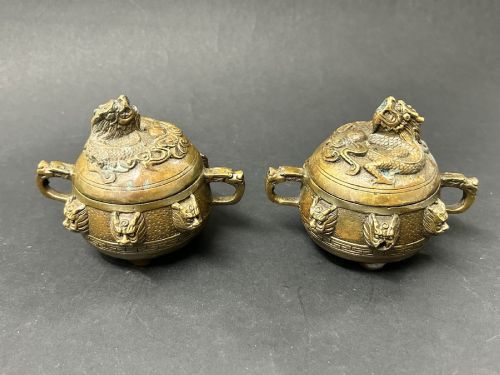
The most common pieces on this page originate from the Qing Dynasty and the Meiji period, executed in heavy cast bronze or decorative ceramic wares. These three-legged vessels served religious, medicinal and domestic functions, often accompanied by pierced covers to release scented smoke.
How They Were Made
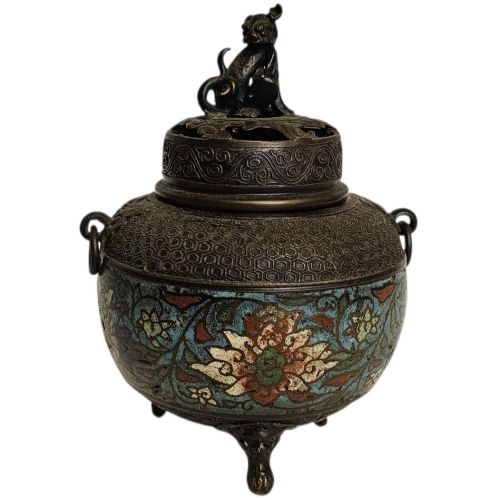
Metal vessels like these relied on precision bronze casting, often utilising lost-wax techniques to achieve intricate taotie decoration, handles shaped as dragons or elephant heads, and balanced tripod bases. Artisans then applied rich patinas, gold leaf, or inlaid cloisonné enamel cells to enrich the metallic surfaces.
Ceramic equivalents such as Dehua blanc de chine, Satsuma earthenware, and Imari porcelain required careful throwing, moulding, and high-temperature firing. Potters frequently added applied details like shishi lions or bamboo ribs before glazing and painting the vessels.
Listings feature bronze, cloisonné, brass, and porcelain vessels spanning the sixteenth to the early twentieth century.
What Varies in Quality
Quality rests in the weight, wall thickness, and casting precision of the metalwork, where master-cast bronze delivers a clear bell-ring resonance and crisp relief details. Lesser pieces display surface pitting, poorly finished seams, or sloppy chasing on the handles and feet.
In ceramics and cloisonné, superior examples show meticulous enamel work without bubbling, finely painted underglaze pigments, and proportional potting that maintains stability on all three legs. Maker marks or apocryphal reign marks further distinguish workshop tiers.
Wu Bangzuo·Walker and Hall·Ippo
The Antique Incense Tripod Glossary
- Tripod
- A vessel supported by three feet, providing stability on uneven surfaces and elevating the body to protect tabletops from heat.
- Censer
- A container designed for burning incense, typically featuring a bowl and a ventilated lid to control the release of smoke.
- Koro
- A Japanese incense burner, often ceramic or bronze, frequently topped with a shishi lion finial.
- Cloisonne
- Enamelwork created by soldering metal wires to a metal base and filling the resulting compartments with coloured glass paste before firing.
- Blanc de Chine
- A white porcelain produced at Dehua in Fujian province, known for its milky glaze and smooth, uniform body.
Antique Incense Tripod: Frequently Asked Questions
What is an antique incense tripod used for?
These vessels were originally created to burn incense sticks, powders, or resins during religious rituals, scholarly reflection, or court ceremonies. In a modern setting, they function as decorative objects of contemplation or containers for pot pourri.
Their three-legged design historically elevated the hot base away from wooden scholar's tables while diffusing fragrant smoke evenly through pierced covers.
How do I identify a bronze censer's age?
Dating relies on examining the casting technique, alloy composition, wear patterns, and surface patination developed over centuries. Stylistic indicators such as archaistic taotie motifs or specific reign marks offer further clues to the period of production.
Heavier cast pieces with deep, natural patinas often point to earlier dynastic work, whereas lighter or more uniform castings frequently align with later Qing or Meiji production.
What are Japanese koro used for?
A koro is the traditional Japanese term for an incense burner, utilised during tea ceremonies or quiet domestic spaces. They are frequently fitted with intricate lids and sculptural handles depicting mythical beasts like the shishi lion.
These pieces combine functional ventilation with symbolic protection, guarding the room and enhancing the atmosphere with burning aromatics.
How do I care for an antique bronze tripod?
Bronze vessels require minimal intervention, needing only a soft, dry cloth to remove dust from recesses and intricate surface decorations. Avoid using chemical polishes or water, which can strip the historical patina accumulated over generations.
Keeping the object away from excessive moisture and direct sunlight preserves the stability of the metal and any accompanying wooden stands.