
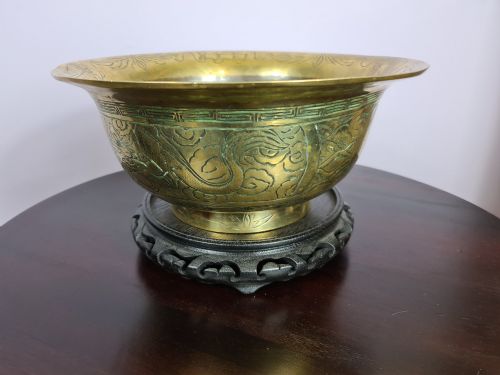


Chinese Dragon Vessel
A chinese dragon vessel brings centuries of imperial iconography, metalwork and ceramic tradition straight into a modern interior.
Chinese Dragon Vessel
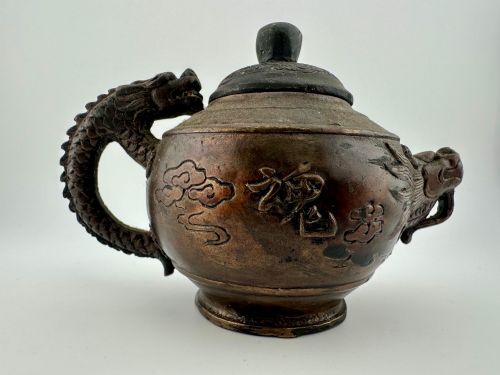
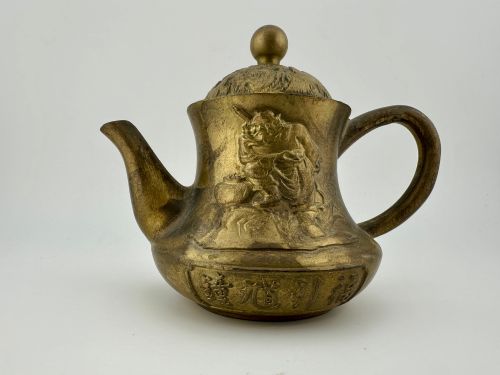
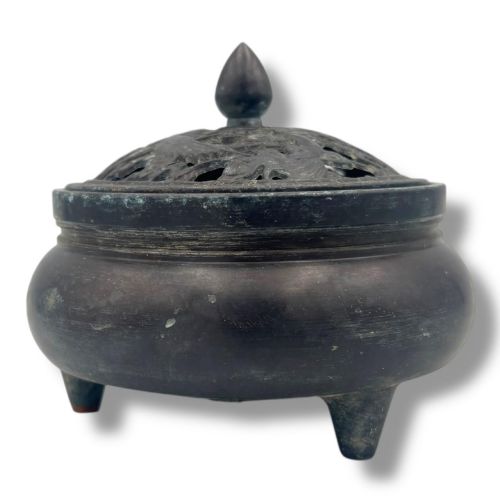
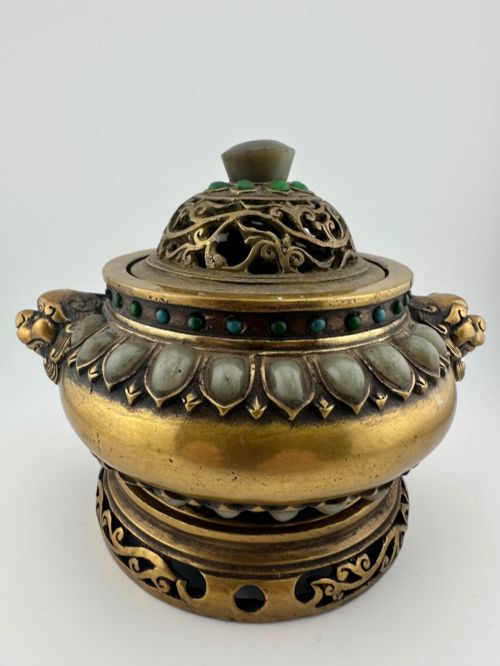
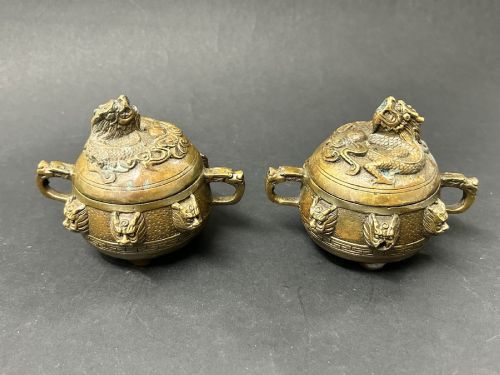
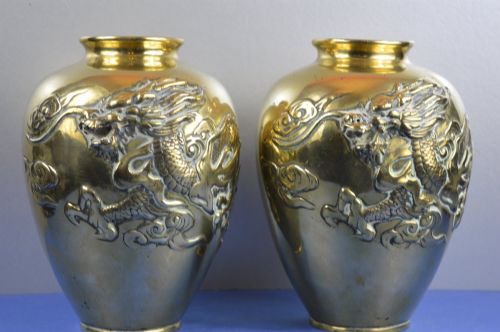
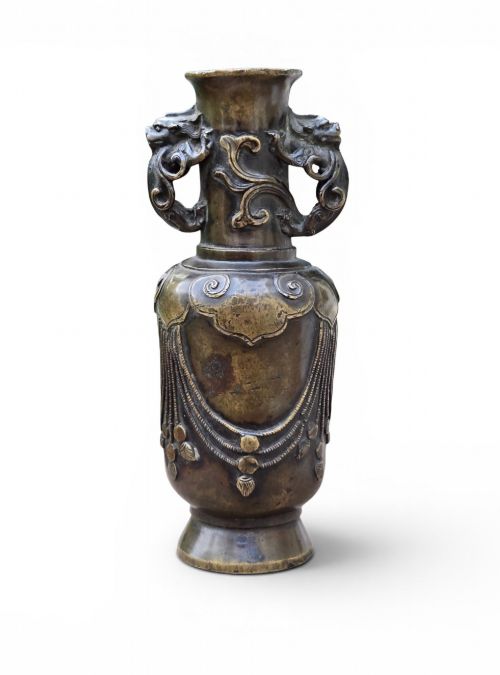
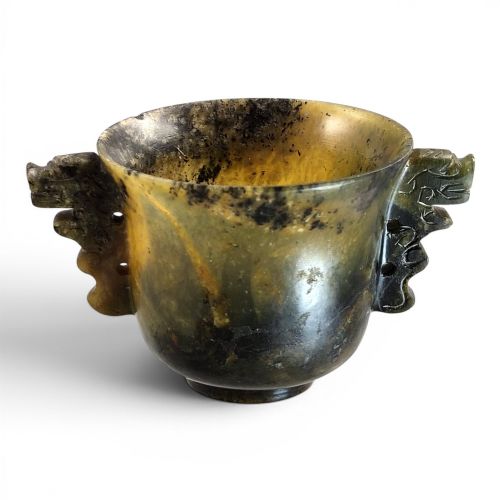
A chinese dragon vessel encompasses a diverse range of forms, most commonly appearing as bronze and brass censers, baluster vases, teapots, and ceremonial bowls from the late nineteenth century and the Qing Dynasty. These pieces frequently feature cast or applied dragons, phoenixes, and mask handles that reflect centuries of dynastic symbolism. Buyers searching for a chinese dragon vessel will primarily encounter bronze and copper-alloy pieces from the Victorian and Edwardian eras, alongside select porcelain and jade examples.
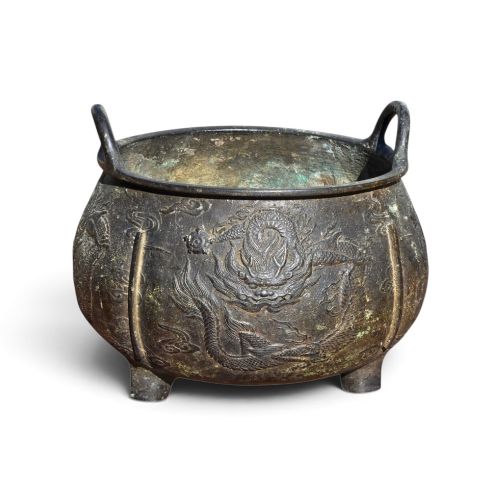
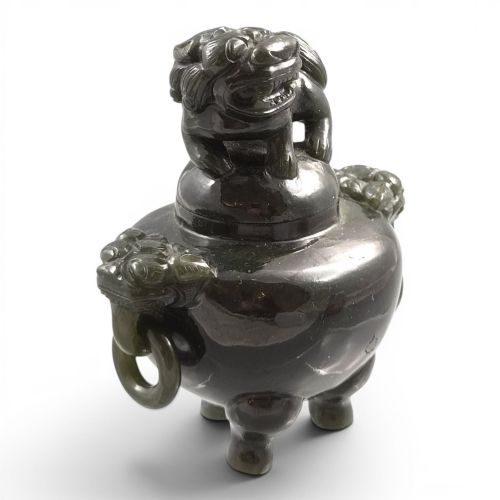
The objects span multiple utilitarian and ritual categories, ranging from tripod incense burners and altar vases to jardinières and brush washers. Many of these items bear historical reign marks such as Xuande or Qianlong, though these typically serve as stylistic tributes rather than literal dating indicators. The overall scale varies from small tabletop ashtrays and teapots to monumental heavy bronze vases weighing several kilograms.
Materials and Techniques
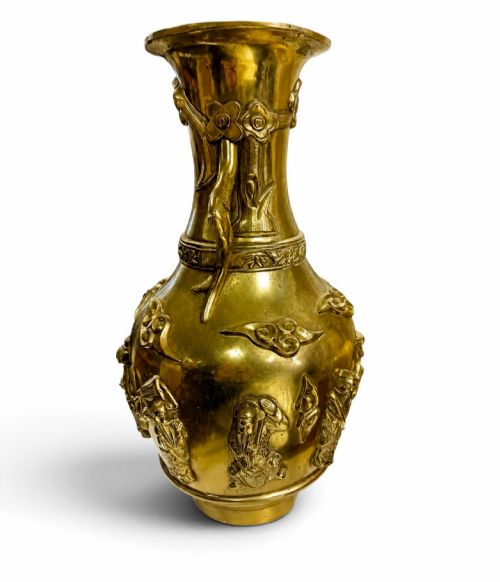
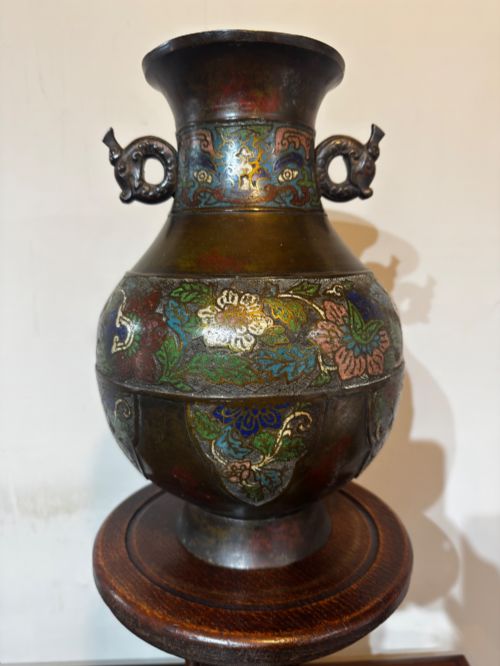
Metalwork dominates the surviving pieces, utilising copper alloys such as bronze and brass, often finished with high-relief casting or champlevé enamel work. Artisans employed sophisticated lost-wax casting methods to achieve intricate dragon scales, intertwined handles, and detailed Daoist immortal figures.
Beyond metal, material variety includes carved nephrite jade, hardstone, and blue and white porcelain decorated with imperial five-clawed dragons. Silver and cherry wood combinations also appear among export pieces, demonstrating a diverse material vocabulary.
Several heavy bronze dragons weigh over five kilograms, proving that ancient metalworkers took their mythical beasts very seriously indeed.
Assessing Craftsmanship and Execution
Quality rests heavily on the crispness of the casting and the depth of the relief work, where superior examples display sharply defined scales, expressive claws, and cleanly integrated handles rather than softened, muddy details. The weight and substantial feel of the metal provide an immediate indication of foundational substance.
Surface finish and decorative harmony further distinguish the tier of a piece, with finer works showing careful chasing, deliberate patination, and well-executed enamel or hardstone inlays. Proportion and balance across the body, neck, and base dictate the visual success of larger baluster vases and tripod censers.
The Chinese Dragon Vessel Glossary
- Censer
- A vessel designed for burning incense, frequently featuring tripod legs, pierced lids, and animalistic handles. These objects formed a central component of traditional ritual and scholarly spaces.
- Baluster
- A tall vase form characterised by a bulbous lower body that tapers toward a flared neck. This silhouette provides an ideal canvas for high-relief dragon motifs.
- Champlevé
- An enamelling technique where troughs or cells are sunk into the metal surface and filled with vitreous enamel before firing. It creates vibrant coloured patterns across bronze vessels.
- Meiping
- A traditional plum vase shape featuring a narrow neck, broad shoulders, and a tapering base. Originally used for wine, it later became prized purely for display.
Chinese Dragon Vessel: Frequently Asked Questions
What is a Chinese dragon vessel used for?
These vessels historically served ceremonial, ritual, and decorative purposes within imperial and domestic settings. Tripod censers held burning incense, while vases and jardinières displayed flowers or simply anchored scholarly display spaces.
Over time, many of these utilitarian objects transitioned into pure decorative arts prized for their intricate symbolism and metalwork craftsmanship.
How do I date a bronze dragon vase?
Dating relies on examining the casting technique, alloy composition, patination, and stylistic markers rather than relying solely on stamped reign marks. Many pieces carry retroactive marks paying homage to earlier imperial periods like the Xuande or Qianlong reigns.
Most accessible examples date from the late nineteenth century through the early twentieth century, reflecting the vibrant export and domestic markets of the late Qing and Republic periods.
What do dragons symbolise on these pieces?
The dragon represents imperial power, strength, auspiciousness, and the bringer of beneficial rain in traditional Chinese culture. Five-clawed dragons specifically denoted imperial association during dynastic rule.
Paired often with phoenixes or Daoist immortals, these creatures formed a sophisticated visual language wishing prosperity and protection upon the owner.
How should I clean an antique bronze vessel?
Maintenance requires minimal intervention to preserve the natural historical patina that develops over decades or centuries. Gentle dusting with a soft, dry cloth is usually sufficient for everyday care.
Avoid chemical polishes, abrasive cloths, or washing with water, as these can strip away the prized surface oxidation and diminish the character of the metal.