





Chinese Gilt Metalwork
Chinese gilt metalwork comprises bronze and brass objects shaped into vases, censers and figures, prized for their gleaming surfaces and intricate traditional forms.
Chinese Gilt Metalwork
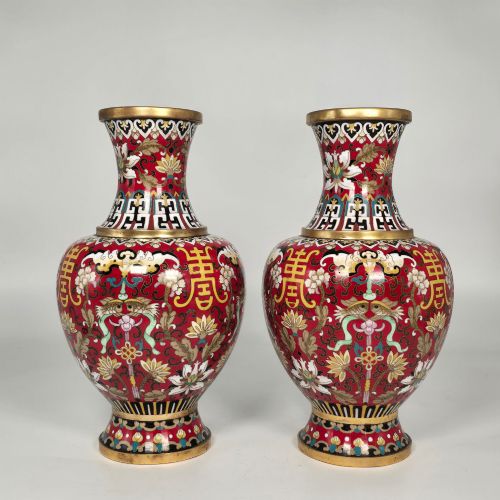
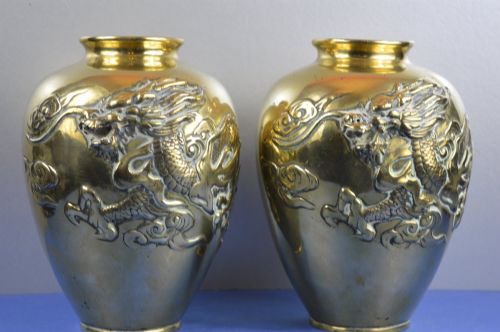
Chinese gilt metalwork encompasses pieces ranging from nineteenth-century temple lions and dragon vases to twentieth-century cloisonné tea pots and tazzas. Buyers exploring Chinese gilt metalwork encounter bronze, copper and brass items decorated with enamel work, archaistic styles and Qing Dynasty motifs.
The objects most frequently met on this page include large pairs of vases, lidded koros, incense burners and sculpted figures such as Guanyin busts. These forms span the nineteenth century up to the mid-twentieth century, showing both traditional Chinese designs and Tibetan influences.
Materials and construction
Items are formed from metals such as bronze, copper, brass and iron, often finished with a gilt layer that gives the surface a golden sheen. Artisans shaped these heavy materials into vessels and statues using casting and metalworking techniques passed down through generations.
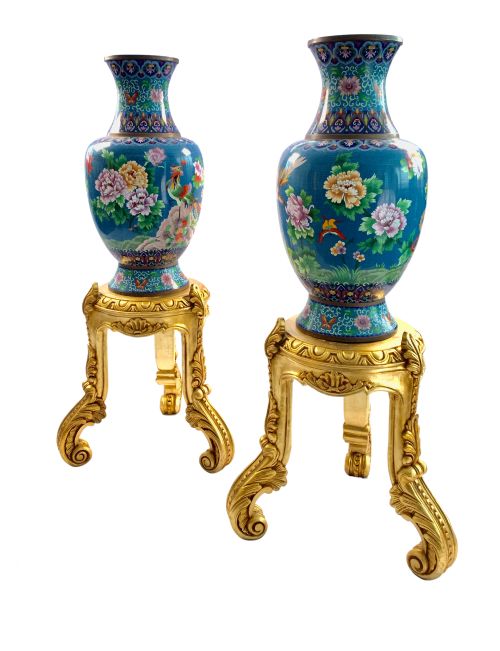
Many pieces incorporate cloisonné and plique-a-jour enamel work, where coloured glass pastes are fired within wire compartments on the metal body. Wood is occasionally utilised for stands that support heavy metal busts and figures.
Chinese Gilt Metalwork Retail Price Guide 2026
Typical asking prices for chinese gilt metalwork among the pieces listed under this phrase on Sellingantiques today, from the lower quarter to the upper quarter. They describe what is for sale here now, not the wider market.
Listings feature items spanning the nineteenth century through the 1950s, created in bronze, copper, brass, iron and wood.
Evaluating quality and execution
Quality in these objects rests upon the crispness of the casting and the precision of the surface decoration. Heavier pieces often display more ambitious proportions and deeper relief work in the metal.
The refinement of the enamel work and the integration of the gilding with the underlying bronze or copper determine the visual success of each piece. Finer examples show careful attention to detail across traditional motifs and archaistic designs.
The Chinese Gilt Metalwork Glossary
- Cloisonne enamel
- A technique where enamel paste is applied within wire enclosures soldered to a metal base. This method creates vibrant patterned surfaces on vases and vessels.
- Archaistic
- A style that emulates ancient forms, particularly from early Chinese dynasties. These designs often reference ritual bronzes of antiquity.
- Koro
- A traditional lidded incense burner used in rituals and decorative displays. They frequently sit on three feet and feature ornate handles.
- Guanyin
- A revered figure in Chinese culture often depicted in sculptures and busts. These representations emphasise serene facial expressions and detailed garments.
- Plique-a-jour
- An enamelling technique similar to cloisonné where the enamel has no backing, allowing light to shine through the translucent colours like stained glass.
Chinese Gilt Metalwork: Frequently Asked Questions
What is Chinese gilt metalwork?
It refers to metal objects, primarily in bronze, brass and copper, that have been treated with a golden gilt surface. These items include decorative vases, statues and ritual vessels.
Many examples also incorporate colourful enamel work and traditional motifs originating from the Qing Dynasty and Tibetan traditions.
How were these metal objects used?
Many pieces served ceremonial or ritual purposes, such as burning incense in koros or holding wine in specialised vessels. Others functioned as purely decorative art objects within temples and homes.
Sculptures and busts often held religious significance, while large vases and tazzas demonstrated the status and taste of their owners.
How do I care for gilt metal?
Gilt metal surfaces require gentle treatment to preserve the thin layer of gold and any delicate enamel work. Dusting with a soft, dry cloth is usually sufficient for routine maintenance.
Avoid harsh cleaning agents, polishes or abrasive cloths that can strip the gilding or scratch the underlying bronze and copper.
How do I identify the period?
Dating relies on stylistic clues, manufacturing techniques and the specific type of enamel or metal used. Nineteenth-century pieces often display heavy casting and traditional Qing Dynasty or archaistic designs.
Twentieth-century items may show different stylistic influences, such as Art Nouveau touches or mid-century production methods, alongside traditional forms.