




Late Qing Dragon Vases
Late qing dragon vases bring the vigour of nineteenth-century imperial iconography into your home through cast bronze and painted porcelain.
Late Qing Dragon Vases
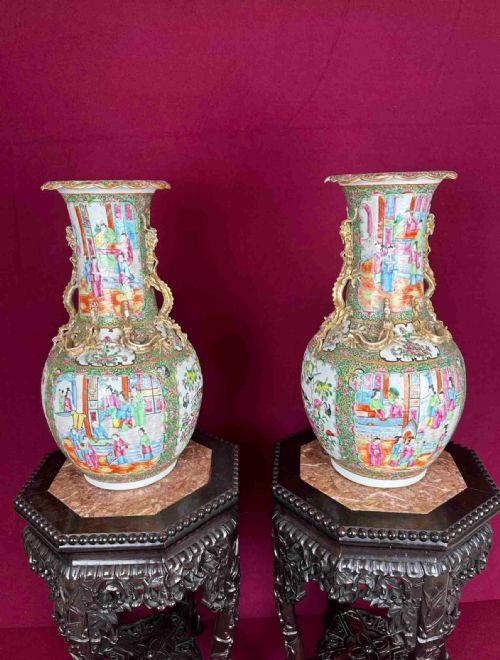
When you search for late qing dragon vases, you encounter heavy cast metal vessels and painted porcelain pieces originating from the nineteenth century. These objects date across the late nineteenth century, spanning the Victorian era and the turn of the twentieth century. The selection on this page includes bronze, copper alloy, and porcelain examples created within the qing dynasty and chinese export traditions.
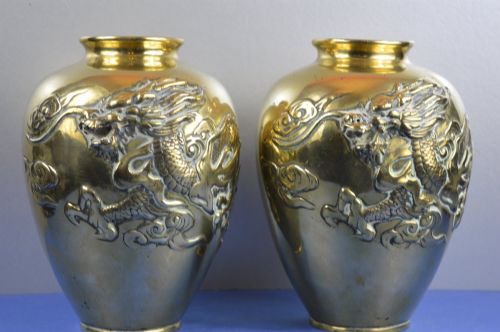
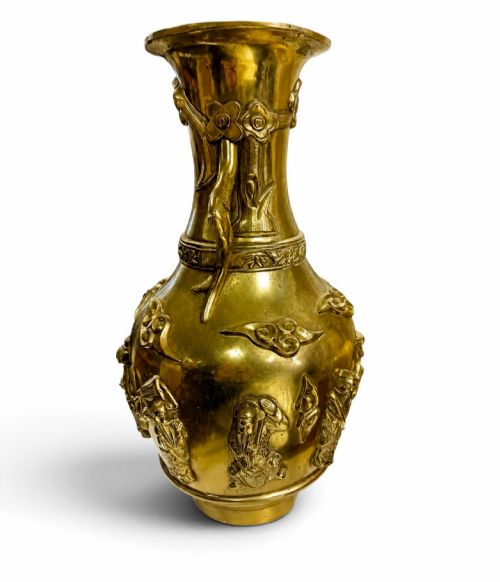
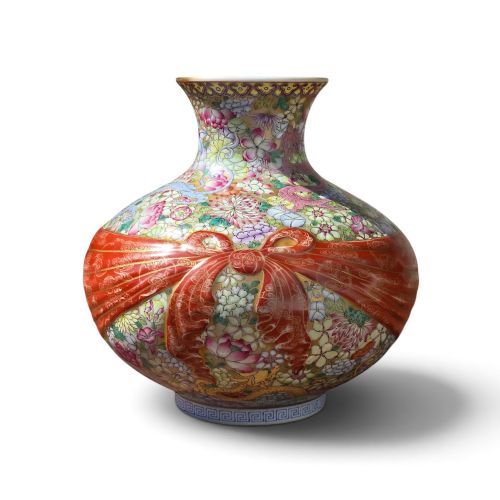
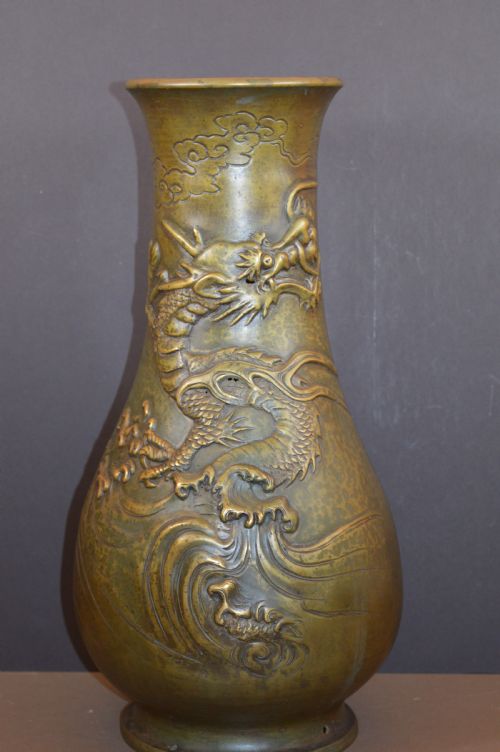
The forms vary from baluster vases and meiping shapes to incense burners and pairs of large mantle pieces. Many feature high-relief decoration depicting mythical beasts, daoist immortals, or cobalt underglaze motifs. You are most likely to meet substantial bronze pieces weighing several kilograms alongside porcelain decorated with iron-red ribbons and millefleurs patterns.
How they were made
The metal vessels rely on bronze and copper alloy casting, often finished with gilt bronze highlights or gold leaf. Artisans sculpted high-relief ornamentation onto the surface, depicting dragons and figures with tactile depth. Bronze pairs required precise foundry work to maintain symmetry across heavy weights.
Porcelain items utilise cobalt underglaze painting and enamel decoration, sometimes combined with iron-red ribbons. Makers shaped the clay into meiping forms and applied intricate botanical and imperial patterns before kiln firing.
Late Qing Dragon Vases Retail Price Guide 2026
Typical asking prices for late qing dragon vases among the pieces listed under this phrase on Sellingantiques today, from the lower quarter to the upper quarter. They describe what is for sale here now, not the wider market.
Several heavy metal vases tip the scales past five kilograms, proving that nineteenth-century decorators took their mantelpieces very seriously indeed.
What varies in quality
The standard of a vessel rests upon the crispness of the cast relief and the weight of the metal. Heavier bronze pieces demonstrate substantial material substance, while finer porcelain shows precise control of cobalt underglaze and enamel application.
The Late Qing Dragon Vases Glossary
- Meiping
- A high-shouldered vase form traditionally used for holding plum branches. The narrow neck opens slightly at the rim.
- Baluster
- A vase shape characterised by a rounded body that tapers toward the base and flares at the neck. This silhouette provides stability for heavy metal castings.
- Cobalt Underglaze
- A blue pigment applied to ceramic clay before the application of a clear glaze and subsequent firing. This technique protects the painted design beneath the glossy surface.
- Millefleurs
- A dense pattern covering the surface with a multitude of painted flowers. The French term translates to a thousand flowers.
- Xuande Base Mark
- An identifying mark stamped or painted on the underside of a vessel, referencing an earlier imperial reign. Such marks often appear on later nineteenth-century pieces as a tribute to historical craftsmanship.
Late Qing Dragon Vases: Frequently Asked Questions
How heavy are these bronze vases?
The bronze and copper alloy pieces often weigh several kilograms due to solid metal casting.
Pairs frequently exceed three to five kilograms, requiring sturdy placement surfaces.
What periods do these pieces date from?
The items originate from the late nineteenth century, spanning the victorian period and circa nineteen hundred.
Several examples bridge the late qing to early republic transition.
Are these vases sold in pairs?
Many listings feature matched pairs of large bronze or canton vases.
Single vessels also appear, including incense burners and tall baluster forms.
What motifs appear on the surface?
Designs frequently incorporate five-clawed dragons, daoist immortals, and floral millefleurs patterns.
Some porcelain pieces utilise iron-red ribbon motifs alongside cobalt underglaze painting.