
Antique Oriental Censer
When you handle an antique oriental censer, you hold centuries of ritual craftsmanship cast in heavy bronze or painted in delicate porcelain.
Antique Oriental Censer
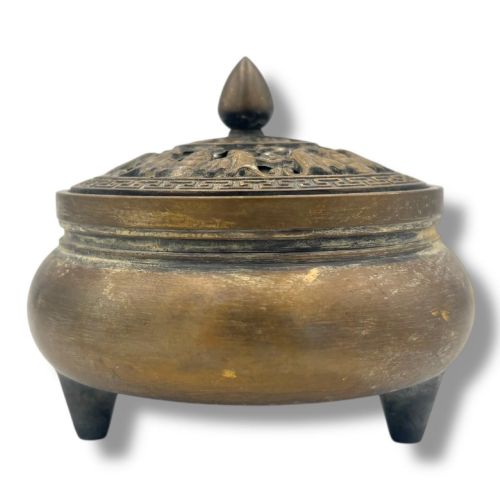
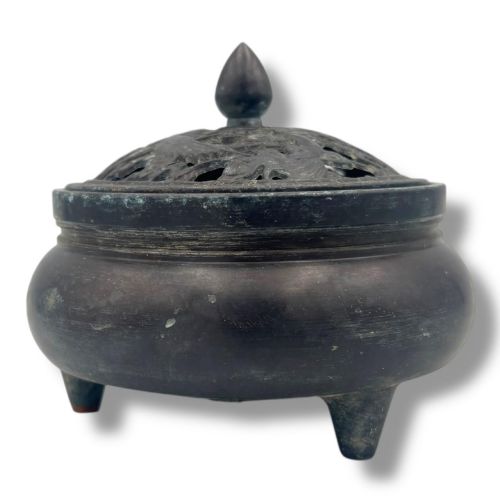
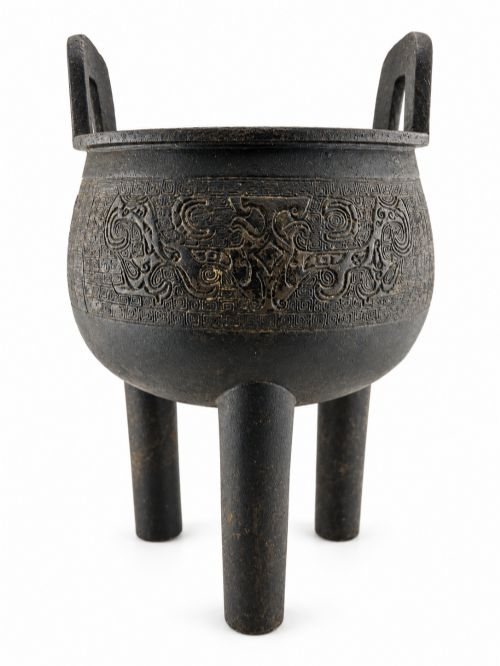
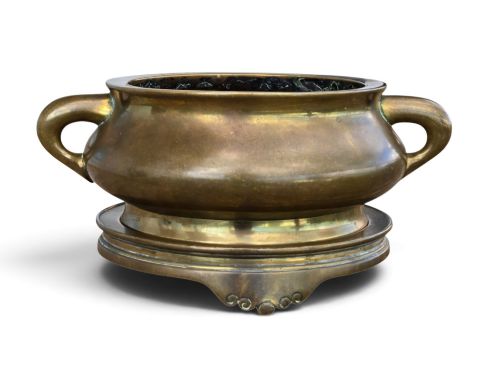
An antique oriental censer is a vessel designed to burn aromatic incense, taking forms from tripod vessels to lidded urns and scholar's desk pieces. The items found here span the Ming and Qing dynasties in China alongside the Meiji period in Japan.
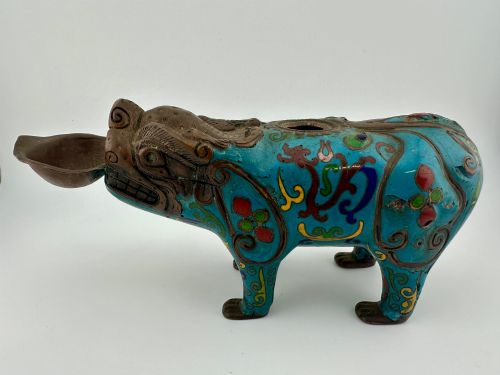
Most examples encountered on this page date from the nineteenth and early twentieth centuries, created in bronze, brass, porcelain, and cloisonné enamel. These pieces range from utilitarian scholar's vessels to elaborate ritual temple pieces adorned with mythical beasts.
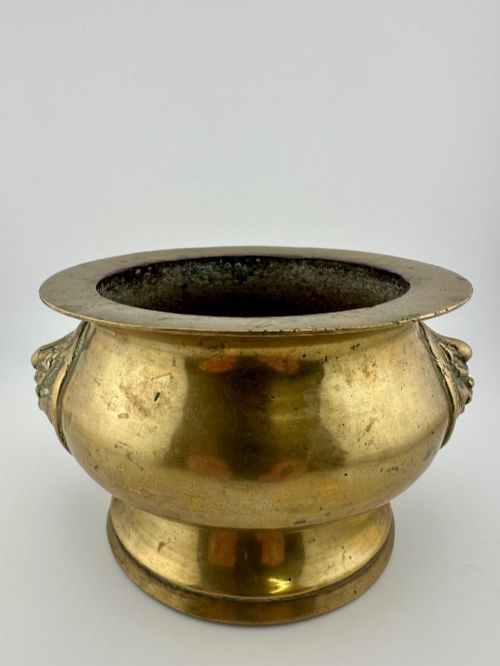
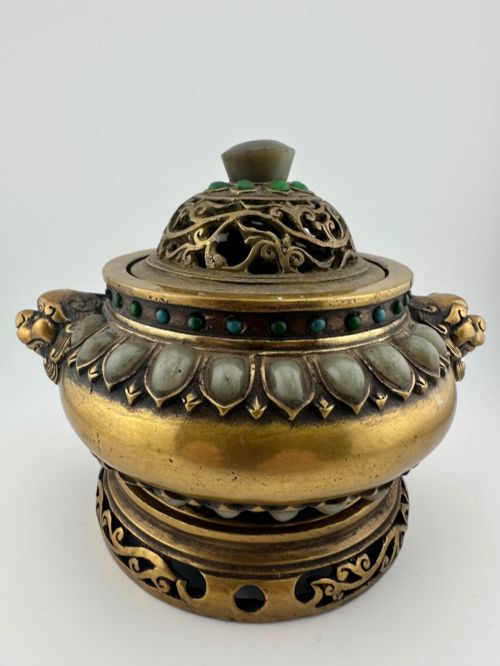
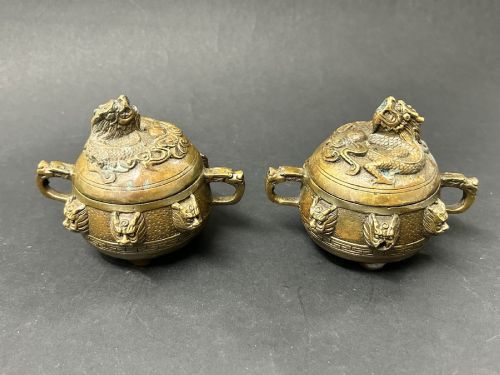
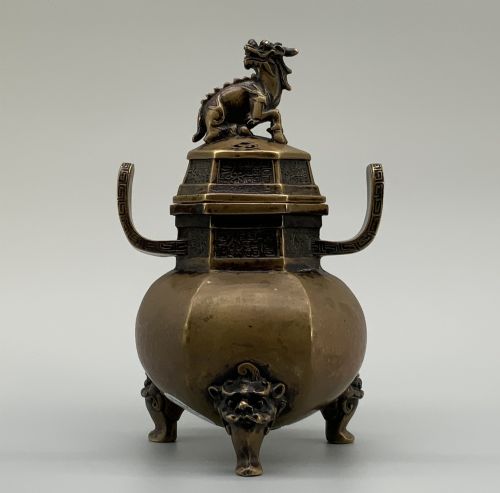
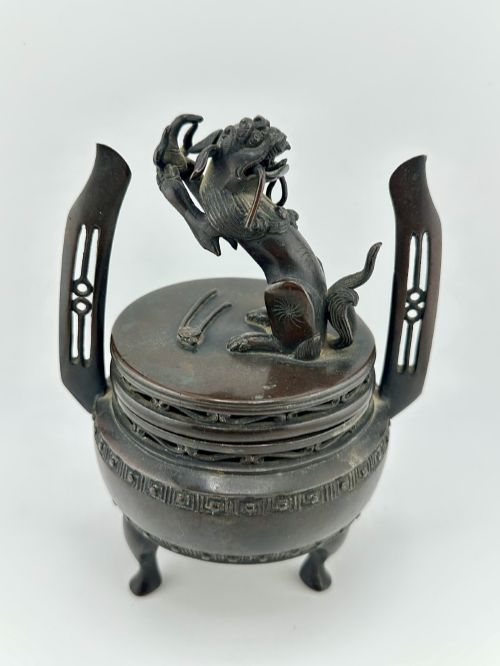
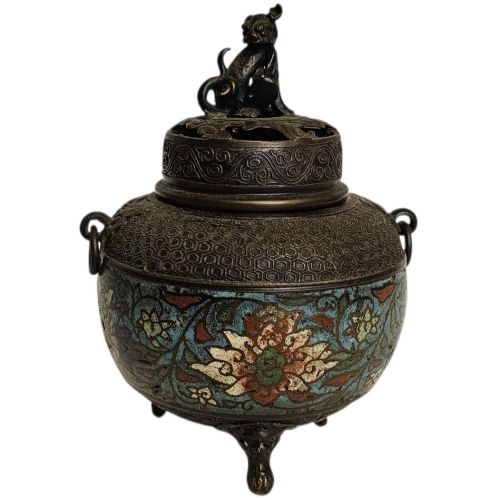
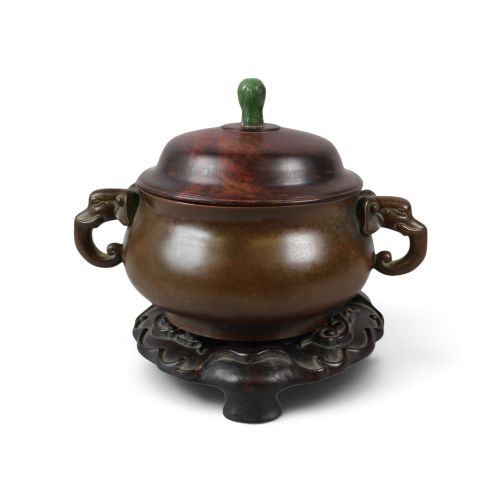
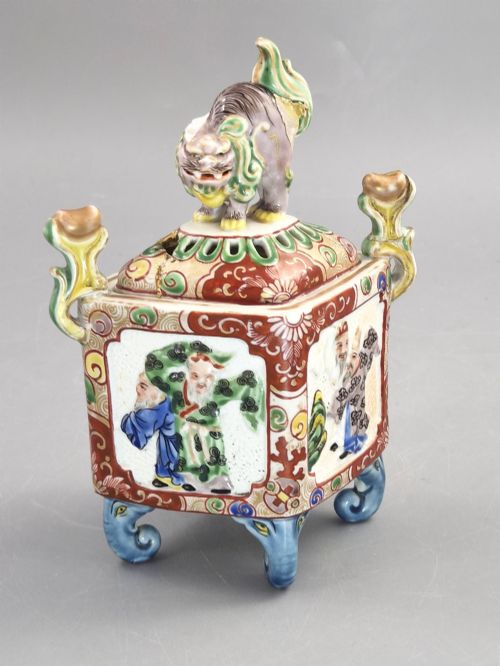
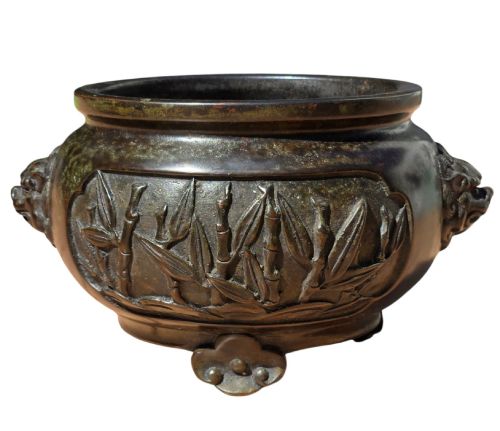
Vessels include tripod censers with pierced lids, miniature desk pots, and hanging boat forms. Handles take the shape of lion masks, elephant heads, and dragons, reflecting traditional Asian iconography.
Materials and Technique
Makers cast bronze and brass using traditional lost-wax methods, achieving heavy walls and dense metal weights. Surfaces often receive deep patination or inlaid hardstones, jade finials, and intricate champlevé or cloisonné enamel wirework.
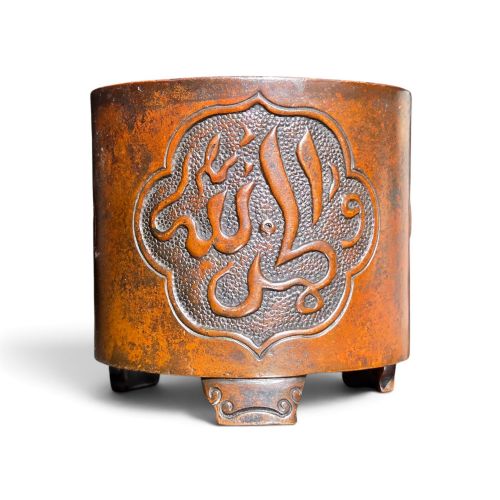
Metalwork vessels incorporate detailed relief panels, reticulated lids with floral or geometric piercing, and cast maker or reign marks on the base.
Antique Oriental Censer Retail Price Guide 2026
Typical asking prices for oriental censer among the pieces listed under this phrase on Sellingantiques today, from the lower quarter to the upper quarter. They describe what is for sale here now, not the wider market.
Listings feature metalwork and ceramics spanning the seventeenth to the early twentieth century, with bronze remaining the dominant material.
Quality and Execution
Quality rests in the precision of the casting, the crispness of relief decoration, and the depth of the metal patina. Finer bronzes display sharp details on lion masks and taotie motifs without surface pitting or clumsy repairs.
Ceramic versions separate by the fineness of the porcelain body, the control of the glaze, and the hand-painting skill evident in Satsuma or Kutani wares. Superior pieces retain intact gilding and well-fitted covers that sit flush with the vessel rim.
Weight serves as a direct indicator of substance in metal vessels, with heavier scholar's pieces showing superior density and balance. The articulation of pierced lids and the inclusion of original carved hardwood stands elevate the standing of a piece.
Kotobuki do·Ippo
The Antique Oriental Censer Glossary
- Censer
- A vessel used for burning incense. These containers typically feature a ventilated lid to release scented smoke during rituals or scholarly contemplation.
- Koro
- The Japanese term for an incense burner. These ceramic or metal vessels often stand on three feet and include a removable cover.
- Cloisonné
- An enamelwork technique where metal wire creates raised barriers on a metal body. Enamel paste fills these compartments before firing and polishing.
- Tripod
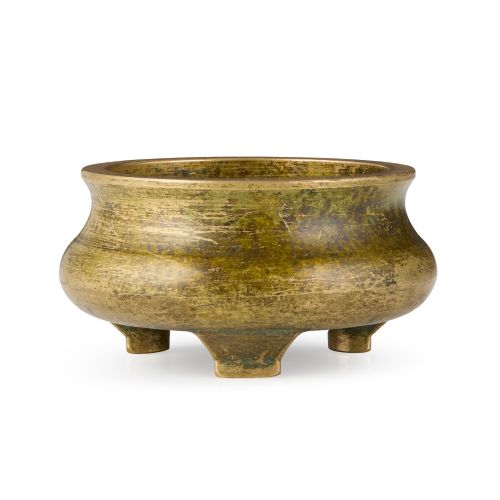
- A vessel supported by three legs. This configuration provides stability on uneven surfaces and appears frequently on bronze ritual vessels.
- Shishi
- A mythical guardian lion or Foo dog. Sculptures of these creatures frequently top the lids of censers as finials.
- Archaistic
- A style that deliberately mimics ancient ritual bronzes from earlier dynasties. Makers used this aesthetic to connect new vessels with historical forms.
Antique Oriental Censer: Frequently Asked Questions
How were antique censers used?
These vessels held burning incense sticks, coils, or powders during meditation, ancestor worship, and scholarly gatherings. The scented smoke filtered through pierced lids to perfume rooms.
Scholar's censers sat upon desks to inspire quiet contemplation, while larger ritual vessels stood in temples or formal reception rooms.
How do you date a bronze censer?
Dating relies on surface patina, casting style, and reign or studio marks stamped or engraved on the base. Earlier pieces from the Ming dynasty or early Qing period exhibit specific archaistic forms and dense metal compositions.
Later nineteenth-century examples often incorporate distinct Meiji or late Qing decorative details, manufacturing techniques, and standardised alloy weights.
What are porcelain incense burners called?
Japanese porcelain incense burners are commonly known as koro. These often feature Kutani or Hirado bodies with painted enamel or reticulated designs.
Chinese ceramic examples similarly take the koro or censer classification, utilising blue and white glazes, celadon, or Famille Rose polychrome decoration.
How should I clean an antique bronze censer?
Antique bronze vessels require gentle dusting with a soft, dry cloth to preserve their historical patina. Avoid using water, metal polishes, or chemical cleaners that strip the aged surface finish.
If the interior holds old incense residue, remove it carefully with a soft brush without scratching the bare metal underneath.