
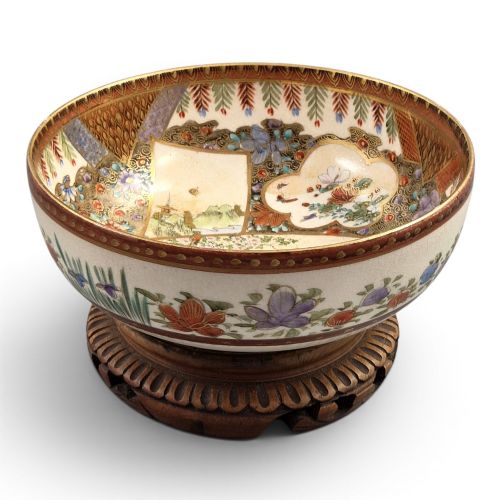


Antique Japanese Enamelware
These antique japanese enamelware pieces bring intricate copper, brass and bronze artistry into a room, offering detailed decorative chargers and vessels for the serious collector.
Understanding antique japanese enamelware
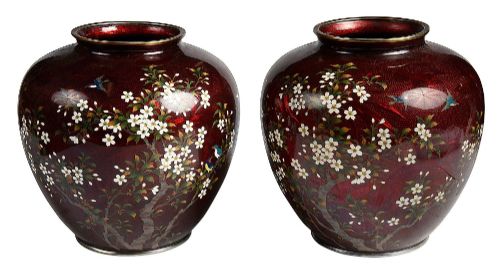
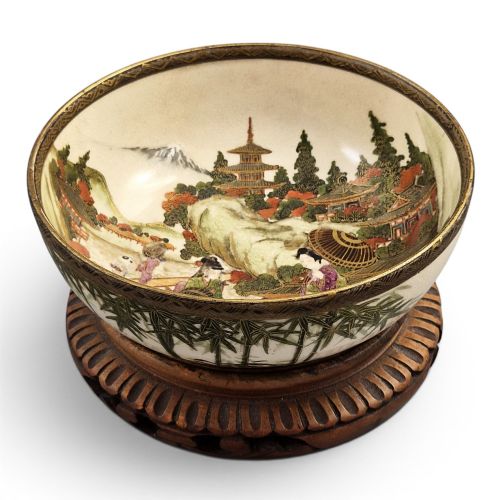
Antique japanese enamelware encompasses decorative chargers, plates, bowls, incense burners, lidded gourd pots, and mugs with lids. These objects span from the late Edo period through the Meiji period, capturing a rich visual history of craftsmanship.
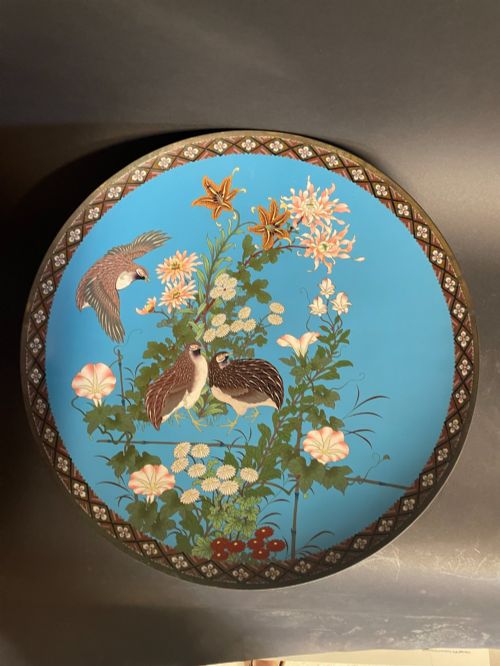
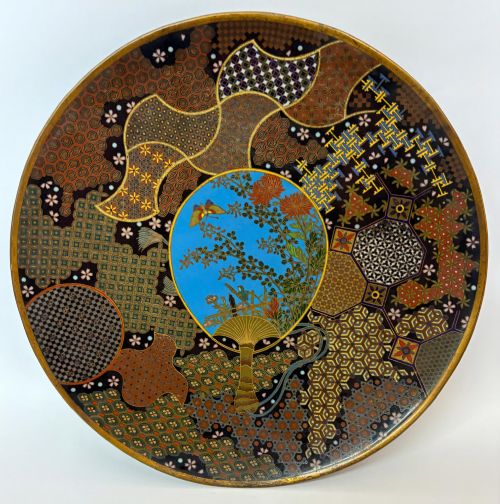
Buyers most frequently encounter large chargers and decorative plates featuring detailed natural motifs such as chrysanthemums, butterflies, frogs, landscapes, birds, and religious figures like Buddhas. Forms range from flat decorative plates to hanging boat koros and lidded vessels.
The objects originate from specific production centres such as Nagoya, reflecting the refined aesthetic sensibilities of late nineteenth-century Japanese metalwork and cloisonne techniques.
Materials and technique
Makers formed the structural bodies of these vessels using copper, brass, bronze, and sometimes wood, applying enamel colours within intricate compartments. Cord was also utilised on certain lidded forms to complete the piece.
The cloisonne method involved soldering thin metal wire onto a copper or metal base to create partitioned cells, which artisans then filled with coloured enamel paste before firing. This painstaking process allowed for precise, multi-coloured pictorial representations of birds, landscapes, and botanical scenes.
Retail Price Guide 2026
Typical UK retail prices for japanese enamelware, calculated from the Sellingantiques database of over a million retail prices indexed since 2003. This retail price guide relies exclusively on Sellingantiques data; no external sources or auction records are used, so the figures do not describe the wider market.
Listings feature items from the 1860s through 1900, spanning the Edo and Meiji periods in copper, brass, and bronze.
Distinguishing quality
Quality in these works rests upon the precision of the wirework and the depth of the enamel palette. Superior examples display exceptionally fine, thin wirelines that form complex, harmonious pictorial narratives without distortion.
The ambition of the subject matter also divides the range, moving from standard floral arrangements to intricate landscapes, multi-figure religious scenes, and complex animal studies. The overall finish of the metal mountings and the smoothness of the polished enamel surface further indicate the skill of the workshop.
The Antique Japanese Enamelware Glossary
- Cloisonne Enamel
- A technique where metal wire is soldered to a metal base to form cells that are filled with vitreous enamel and fired. This method creates the distinctive cellular patterns seen across Meiji period chargers and vessels.
- Charger
- A large ornamental decorative plate or dish intended for display rather than dining. These pieces often serve as the primary canvas for elaborate pictorial landscapes and natural scenes.
- Koro
- A traditional Japanese incense burner, often featuring a lid and decorative hanging or resting elements. Examples in this medium utilise metal and enamel construction.
- Meiji Period
- The era in Japanese history lasting from 1868 to 1912, characterised by a surge in masterwork metal and enamel production for international export. Most surviving decorative chargers and bowls originate from this dynamic creative period.
- Edo Period
- The period preceding the Meiji era, spanning from 1603 to 1867. Early examples of cups and mugs emerge from the closing decades of this feudal era.
Frequently Asked Questions
How do I display a large charger?
Large chargers are primarily designed for decorative display rather than utility, often placed on specialised plate stands or securely mounted on walls.
Because these pieces feature intricate enamelwork depicting birds, landscapes, or religious figures, placing them in well-lit areas allows the detailed wirework and colour to be fully appreciated.
How do I date a piece?
Dating relies on stylistic markers, construction materials, and historical periods such as the late Edo period or the Meiji period.
Pieces bearing specific regional attributions like Nagoya or featuring complex pictorial subjects typically align with the later nineteenth-century export boom.
What materials were used?
These objects are constructed primarily from metal bases such as copper, brass, and bronze, embellished with coloured enamel pastes.
Additional elements like wood and cord may appear on specific vessel types, such as lidded pots and hanging burners.