


Antique Cloisonne Vessel
An antique cloisonne vessel brings tactile colour and metalwork into a room, offering centuries of intricate craftsmanship from Japanese and Chinese workshops.
Antique Cloisonne Vessel
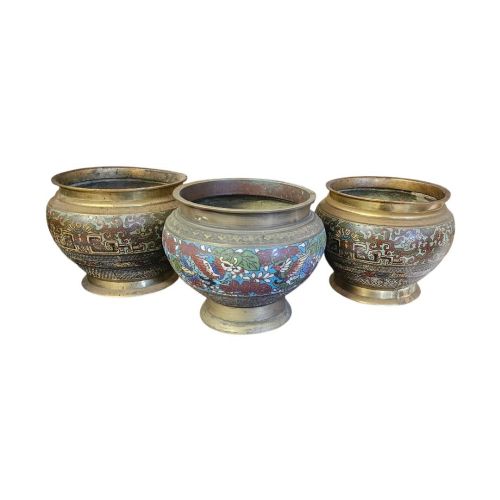
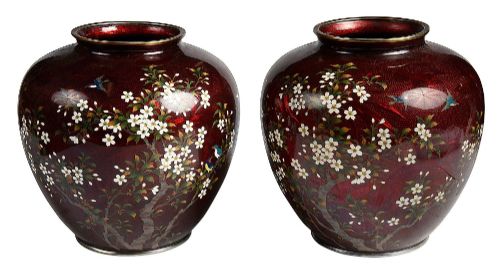
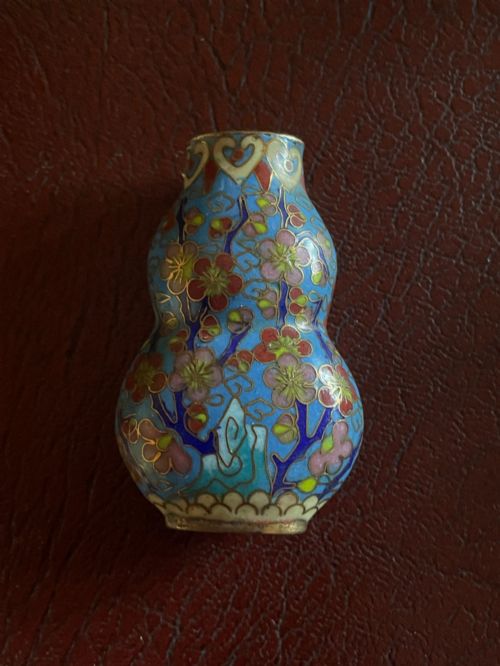
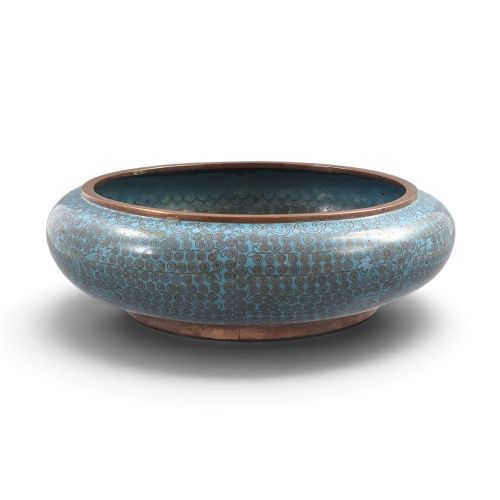
When you search for an antique cloisonne vessel, you examine hollow metal forms decorated with coloured vitreous pastes held inside wire cells. These pieces range from substantial temple water dispensers and garden jardinières to diminutive brush washers, ginger jars, and wine cups.
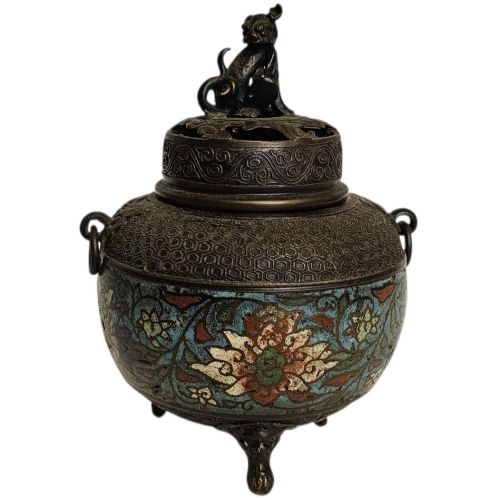
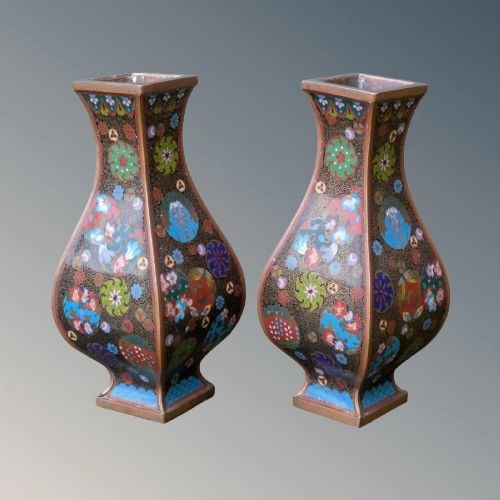
The selections span nineteenth and early twentieth century production, encompassing Meiji period Japanese design and Qing dynasty Chinese manufacture. Forms such as incense burners, sake kettles, and lidded pedestal bowls appear frequently alongside standard decorative vases.
Makers utilised copper, bronze, brass, and occasionally solid silver as the foundational metal body for these creations. Wood and fabric elements also integrate into specific items like tea pots, lamps, and stands.
How They Were Made
Artisans soldered thin metal ribbons onto a copper, bronze, or brass base to outline intricate decorative motifs such as dragons, birds, and floral patterns. They then filled these tiny compartmentalised cells, known as cloisons, with powdered enamel pastes.
The loaded vessel underwent successive firings in a kiln to fuse the vitreous enamel before workers ground and polished the surface smooth. Gilt bronze mounts and wire details frequently finished the edges and rims of the finished pieces.
A tiny scholar's brush washer sits quietly beside a colossal temple water dispenser, proving that cloisonne containers defy scale.
What Varies in Quality
The precision and thinness of the wirework define the underlying intricacy of the design, with tighter grids demanding greater skill from the metalworker. Purity of colour and evenness within the fired enamel fills also separate standard production from exceptional examples.
The weight and solidity of the supporting bronze or copper body contribute to the overall substance of the item. Pieces featuring signed panels or complex imagery like koi and dragons demonstrate advanced workshop execution.
Tamura Yukio
The Antique Cloisonne Vessel Glossary
- Cloisonné
- An enamel decoration technique where metal wires form small cells on a metal body to hold coloured pastes before firing. This method creates distinctive patterned surfaces across vases and bowls.
- Champlevé
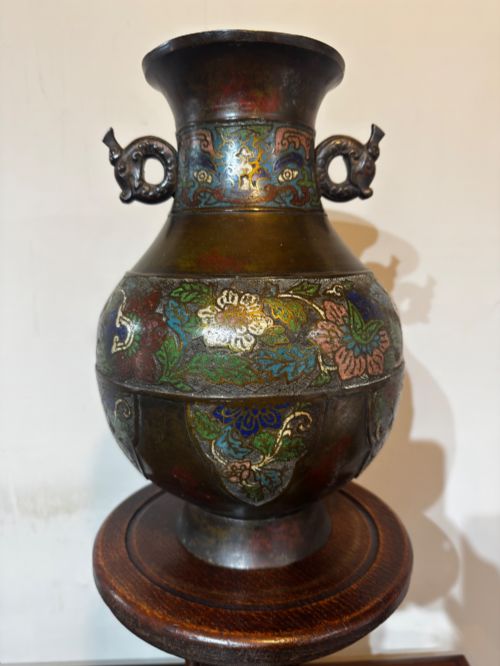
- A technique where troughs or cavities are carved directly into a thick metal surface to receive enamel rather than applying soldered wire cells. It appears on heavy bronze vessels and jardinières.
- Koro
- A traditional Japanese incense burner typically featuring a lidded bowl supported on legs. These incense containers often incorporate bronze bodies with detailed enamel lids.
- Jardinière
- A large decorative pot or bowl designed to hold plants or floral arrangements. Such heavy vessels frequently utilise bronze frames decorated with champlevé or cloisonné enamels.
- Totai Shippo
- A Japanese technique involving transparent enamel applied over a translucent or pierced base without a solid metal backing. This method allows light to pass through portions of the decorated vessel.
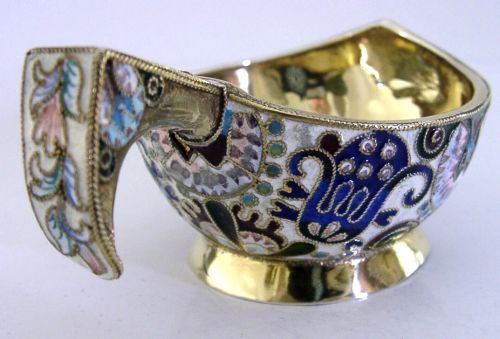
- Kovsh
- A traditional boat-shaped drinking vessel or ladle originating from Russia. These metal objects often incorporate solid silver, gilt finishes, and cloisonne enamel decoration.
Antique Cloisonne Vessel: Frequently Asked Questions
How were these vessels used originally?
Many containers served ritual or domestic purposes, such as burning incense in censers, holding water in temples, or containing wine during ceremonies. Smaller items functioned as scholar's desk accessories for washing brushes or storing sugar.
Over time, numerous decorative bowls and vases transitioned into purely ornamental objects displayed within interiors. Their durable metal and enamel construction allowed them to survive centuries of practical handling.
How do I distinguish Japanese from Chinese pieces?
Japanese items from the Meiji and Edo periods frequently showcase naturalistic motifs like birds, fish, and trees rendered with meticulous wire placement. Chinese examples from the Qing dynasty often lean towards heavier bronze bodies with formal geometric or archaic designs.
Examination of the colour palette and background enamel tones also helps identify regional workshops. Japanese makers often employed stark black or midnight blue grounds alongside silver-based wires.
Where should I display an antique vessel?
These metal and enamel objects suit tabletops, sideboards, and open shelving where ambient light can catch the polished surface and wire outlines. Placing them away from direct, harsh sunlight preserves the vibrancy of the coloured enamel.
Pairing smaller lidded jars or brush washers with wooden stands enhances their presentation within a room. Larger jardinières and water dispensers require sturdy floor placement due to their substantial weight.
How do I care for antique enamel surfaces?
Dusting the piece gently with a soft, dry cloth prevents particulate accumulation within the wire crevices. Avoid using chemical cleaning solutions or abrasive cloths that might scratch the vitreous enamel or strip the gilt bronze finish.
Keeping the items in stable indoor environments protects the underlying metal body from moisture fluctuations. Proper handling prevents accidental impact to the delicate soldered wire cells.