
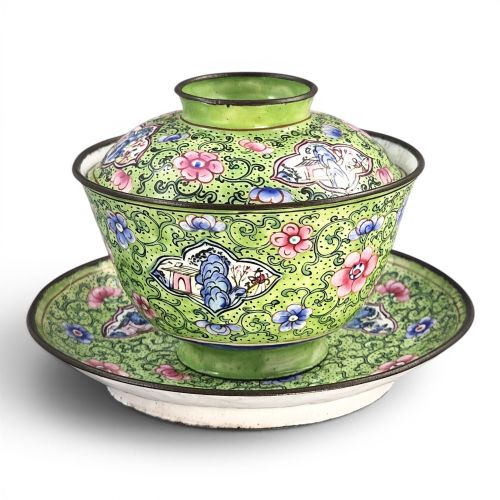


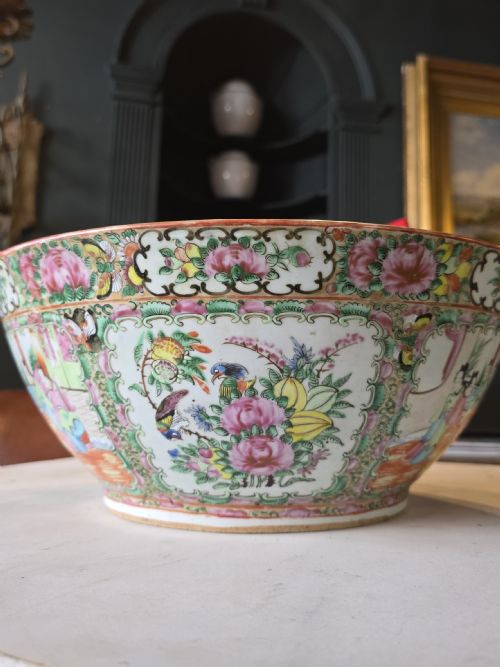


Chinese Enamel Bowl
A chinese enamel bowl brings vivid palettes and intricate metalwork into a room, spanning Qing Dynasty traditions and export wares.
Chinese Enamel Bowl
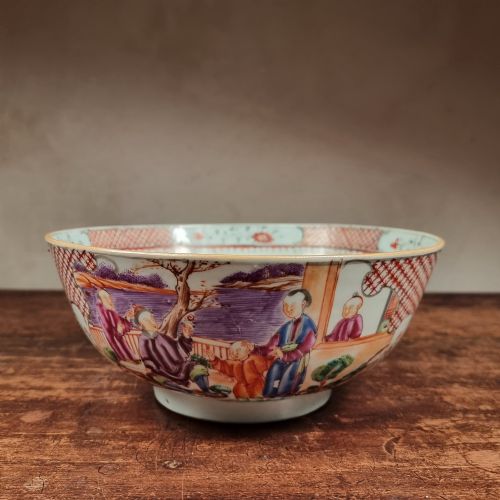
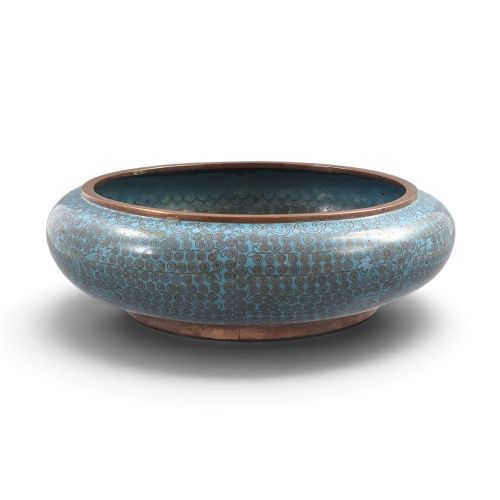
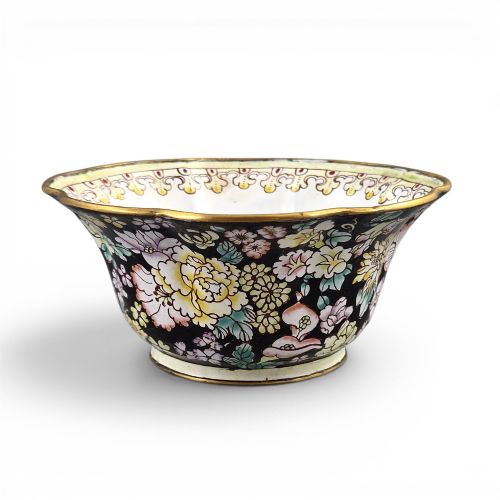
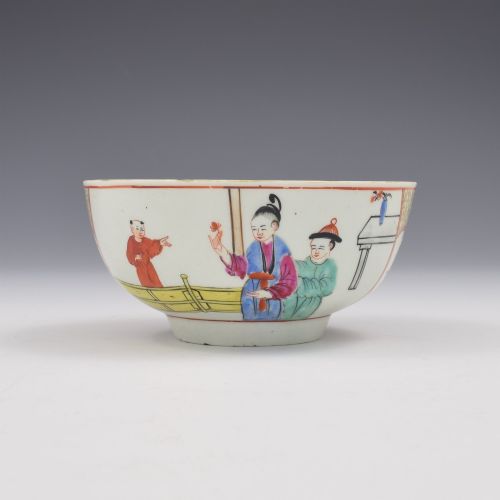
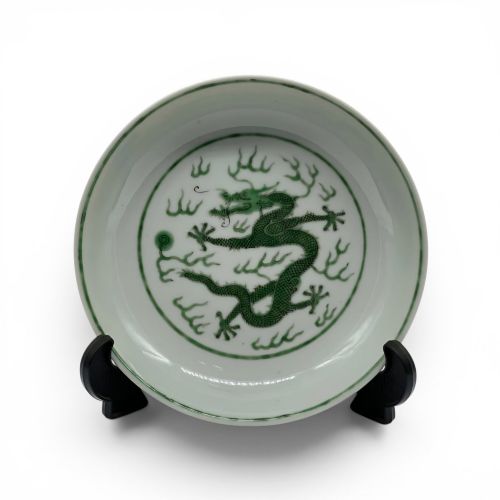
A chinese enamel bowl encompasses decorative tableware, punch bowls, and brush washers produced across the eighteenth and nineteenth centuries. These vessels display diverse motifs ranging from imperial dragons to bustling mandarin figures and botanical scenes.
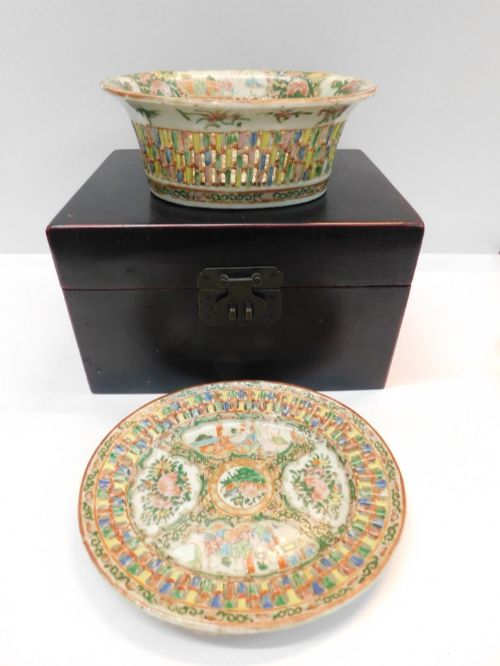
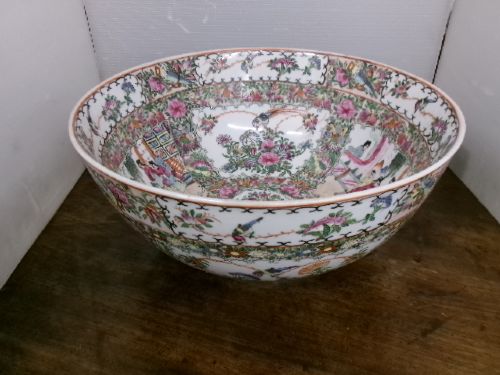
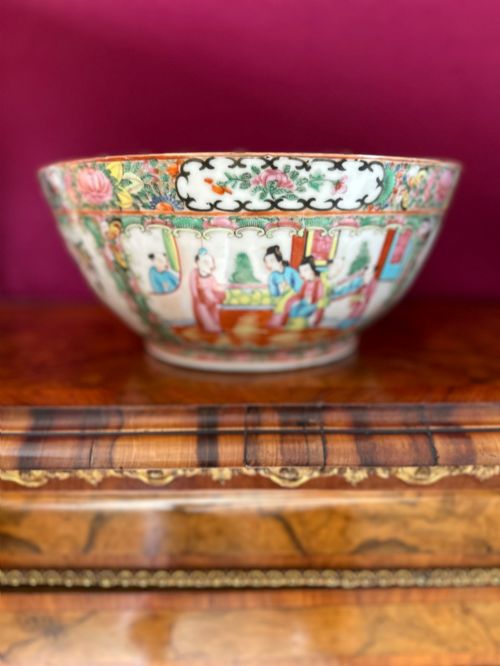
The selections on this page lean heavily toward nineteenth-century Qing Dynasty pieces, including Cantonese export porcelain and cloisonné bronze vessels. Buyers frequently encounter large rose medallion bowls alongside smaller tea bowls and pedestal dishes.
Materials and construction methods
Craftsmen utilised copper and bronze as foundations for cloisonné works, applying soldered metal wires to form intricate cells that were subsequently filled with coloured enamel pastes. Porcelain bodies received overglaze enamels, often enhanced with gold leaf and gilding.
Firing techniques fused the glass pastes to their metal or ceramic substrates, creating durable surfaces with rich coloration. Painted enamel-on-copper pieces required precise brushwork before undergoing multiple kiln firings.
Certain nineteenth-century bowls manage to squeeze twenty distinct figures into a single painted botanical panel.
Assessing craftsmanship and execution
Superior examples demonstrate meticulous control in the application of enamel pastes and precision in metal wire placement, avoiding muddy colours or uneven surfaces. The crispness of hand-painted motifs separates master works from simpler production pieces.
The weight of the bronze or copper body and the depth of the gilding contribute significantly to the overall presence of the object. Markings and period attribution further distinguish standard export wares from imperial-style commissions.
The Chinese Enamel Bowl Glossary
- Cloisonné
- A metalwork technique where thin wires are soldered to a base to create compartments filled with enamel paste. This method produces intricate geometric and pictorial patterns across the surface of the vessel.
- Famille Rose
- A palette of opaque overglaze enamels dominated by pink or rose colours, introduced during the Qing Dynasty. This style frequently depicts figures, birds, and flowers on porcelain bodies.
- Canton
- A major trading port in southern China associated with brightly coloured export porcelain and enamel wares. Pieces from this region often feature segmented panels filled with figures and botanical motifs.
- Gaiwan
- A traditional Chinese tea set consisting of a bowl, lid, and saucer used for steeping and drinking tea. These sets appear in painted enamel variants from the nineteenth century.
- Slop bowl
- A tableware vessel historically used at the tea table for discarding cold tea or dregs. Eighteenth-century examples often feature delicate overglaze decorations.
Chinese Enamel Bowl: Frequently Asked Questions
How were these bowls used historically?
Many large vessels functioned as punch bowls during formal gatherings, while smaller examples served as tea bowls or brush washers for scholars. They combined decorative display with practical utility in domestic settings.
Export pieces often travelled to European markets, where households integrated them into fashionable dining and tea rituals. Specialised vessels like jardinières held plants within interior spaces.
How do I care for an enamel bowl?
Dust these surfaces gently with a soft, dry cloth to prevent accumulation in recessed areas. Avoid harsh chemical cleaners or submersion in water, particularly for pieces with exposed metal or delicate gilding.
Keep vessels away from direct sunlight to preserve the vibrancy of the overglaze enamels and gold leaf details. Display them on stable surfaces away from high-traffic zones.
How can I distinguish Qing Dynasty periods?
Look for reign marks on the base, such as those from the Qianlong or Guangxu periods, which help narrow down the date of manufacture. Stylistic shifts in colour saturation and motif complexity also assist with dating.
Nineteenth-century items often exhibit denser panel decorations and brighter export palettes compared to earlier eighteenth-century examples. Material composition, such as the transition to heavier bronze bases, provides further clues.
What is rose medallion decoration?
Rose medallion is a distinctive Cantonese style featuring segmented panels filled with alternating scenes of figures and birds among flowers. The overall composition relies heavily on pink enamel highlights.
This aesthetic proved immensely popular for export markets throughout the nineteenth century. The intricate borders often incorporate butterflies and green foliage.