
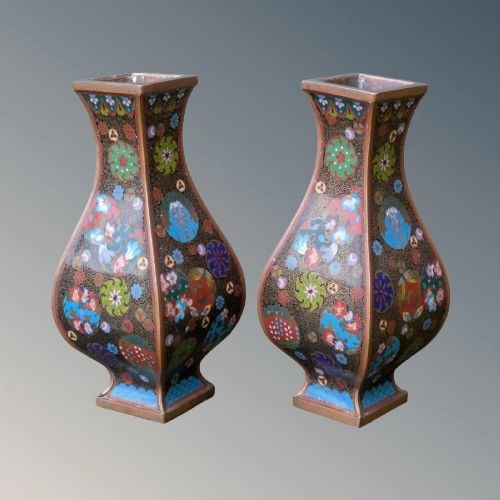


Antique Chinese Enamelware
Antique chinese enamelware brings vibrant colour and meticulous wirework into a room, offering striking decorative presence through centuries of skilled Asian craftsmanship.
Antique Chinese Enamelware
Antique chinese enamelware encompasses decorative vessels, tea sets, and scholarly objects originating from distinct periods including the Qing dynasty and the early twentieth century. When exploring antique chinese enamelware, buyers frequently encounter intricate cloisonné and painted pieces spanning the nineteenth and early twentieth centuries.
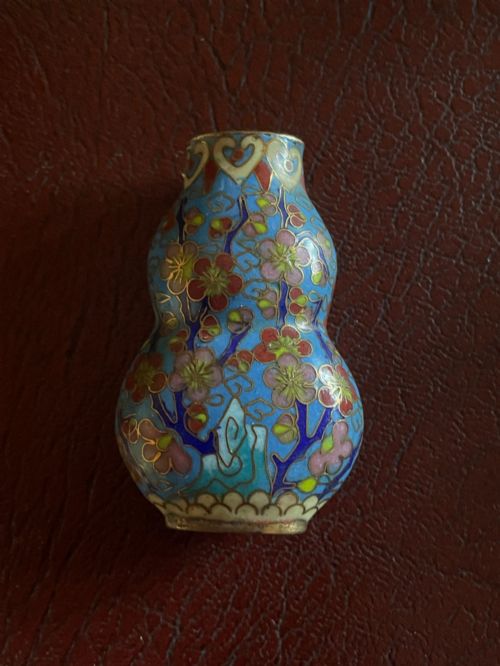
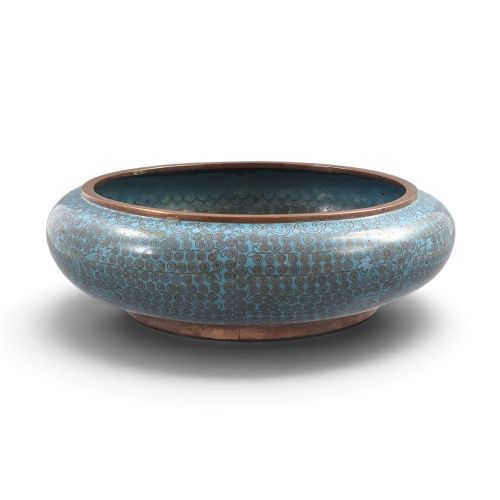
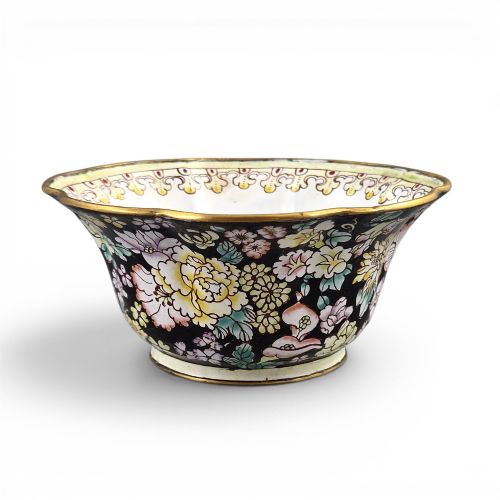
The objects take diverse forms ranging from miniature vases and lidded urns to large decorative dishes, bowls, and table lamps. Traditional manufacturing centres such as Beijing produced specialised items like scholar's brush washers and snuff boxes.
Most examples belong to the nineteenth century or the transition into the twentieth century, reflecting enduring aesthetic traditions of Chinese export decorative art.
How antique chinese enamelware was made
Craftsmen built these pieces using copper, bronze, and brass alloy foundations, applying vitreous enamel pastes within soldered metal wire partitions for cloisonné work. Alternatively, artisans painted enamel directly onto copper bases for Canton and Beijing pieces.
Gilt bronze and gilt metal frequently highlighted rims and mountings, while specialised techniques involved champlevé enamel where troughs were carved directly into the bronze surface to hold the coloured paste.
What varies in quality
The refinement of the wirework and the density of the enamel fill dictate the visual harmony of a piece. Finer examples display precise geometric or floral compartments without pooling or pitting in the coloured vitreous pastes.
Heavier metal foundations and crisp, well-defined gilding contribute significantly to the substantial feel and enduring stability of superior vessels.
The Antique Chinese Enamelware Glossary
- Cloisonné enamel
- A technique where thin metal wires are soldered to a metal base to create compartments filled with enamel paste. This method produces intricate cellular patterns across vases and bowls.
- Canton enamel
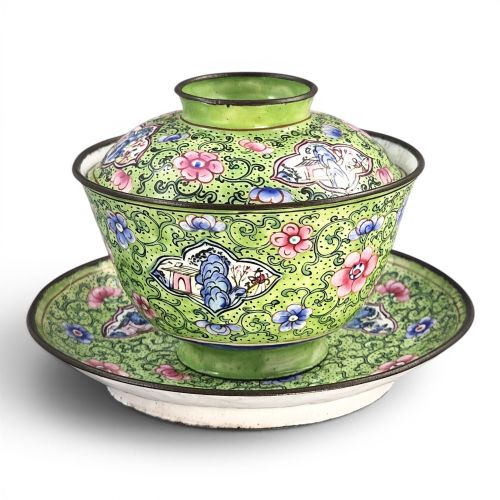
- Painted enamelwork produced in the Guangdong province, typically featuring colourful pictorial designs on copper bodies. These items often include tea sets and dishes.
- Champlevé enamel
- A process where troughs or cells are carved or cast directly into a bronze or metal surface and filled with enamel. It creates a bold contrast between the metal outlines and the coloured infill.
- Gaiwan
- A traditional Chinese lidded bowl used for brewing and drinking tea. Such sets demonstrate the functional aspect of enamelware alongside purely decorative vessels.
- Scholar's brush washer
- A small vessel designed for cleaning calligraphy brushes in a scholar's studio. These items represent the utilitarian yet refined output of Beijing workshops.
Antique Chinese Enamelware: Frequently Asked Questions
How do I clean antique enamelware?
Dust surfaces gently with a soft, dry cloth to protect the delicate metal wires and vitreous enamel layers.
Avoid liquid cleaners and submerging pieces in water, as moisture can penetrate old solder and copper bases.
Are these pieces suitable for daily use?
Most antique items function best as decorative objects or static displays rather than for active dining or serving.
Teaware sets and brush washers are structurally sound but benefit from careful handling and preservation.
What is the difference between Canton and Beijing pieces?
Canton items often display vibrant painted enamel scenes tailored for export markets and domestic utility.
Beijing items frequently include refined scholarly implements and precise cloisonné work associated with imperial workshops.