


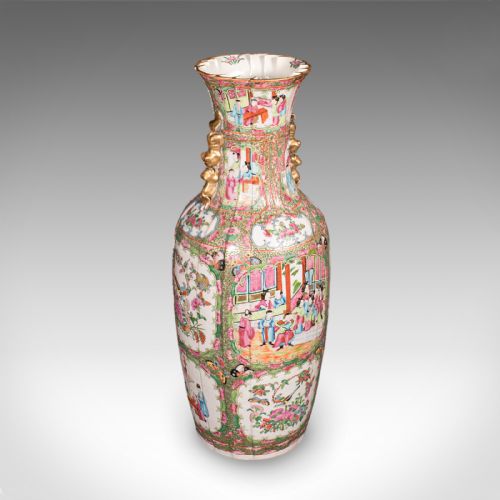

Chinese Enamel Vessel
A chinese enamel vessel brings centuries of meticulous metalwork and vibrant pigment into a room, offering both decorative presence and historical depth.
Chinese Enamel Vessel
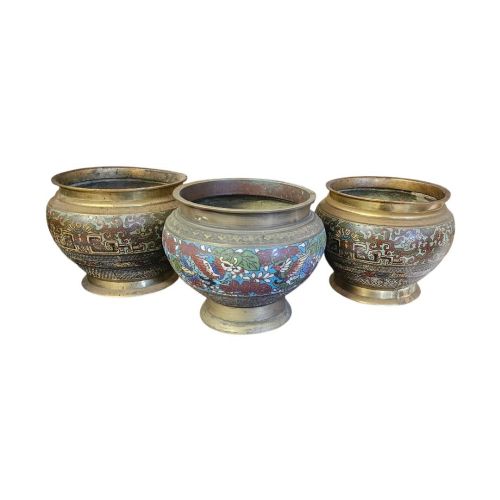
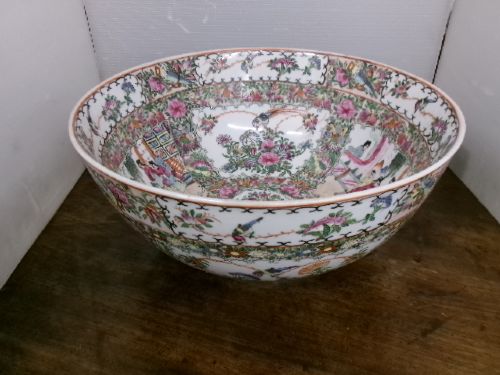
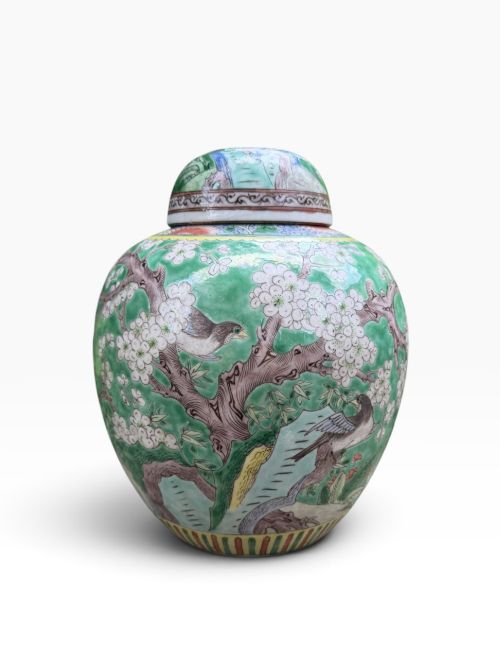
When searching for a chinese enamel vessel, collectors encounter a diverse group of objects spanning domestic utensils, scholar's items, and ritual forms. The selection includes bronze and copper pieces decorated with intricate wiring or painted designs, alongside ceramic vessels finished in rich glazes.
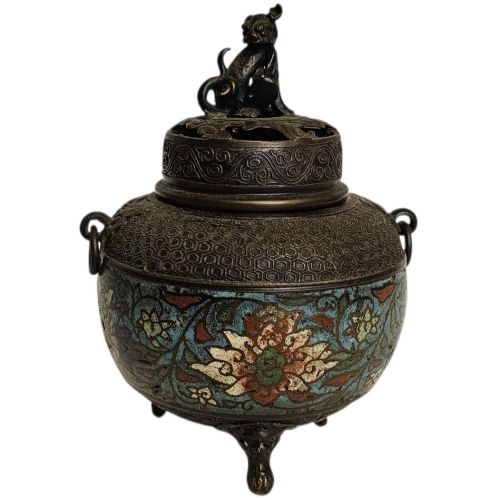
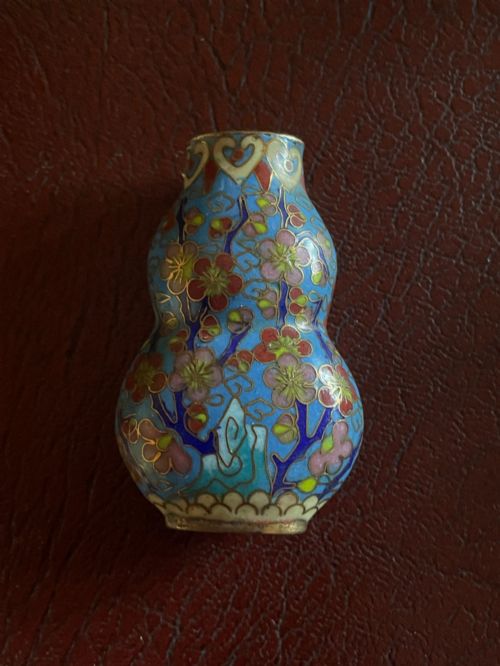
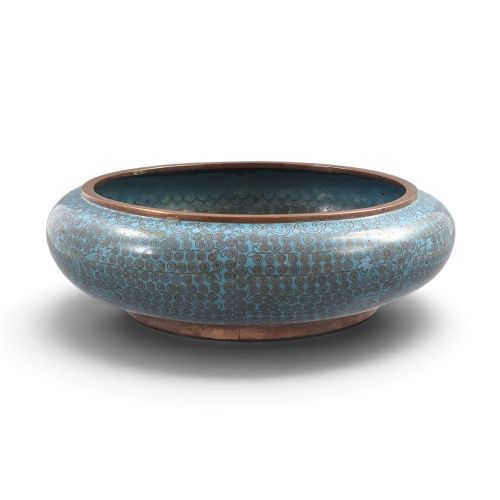
The objects take many functional shapes, from large jardinières and censers to small snuff bottles and miniature vases. Most examples date from the nineteenth and early twentieth centuries, reflecting the enduring output of Qing dynasty workshops and later republican periods.
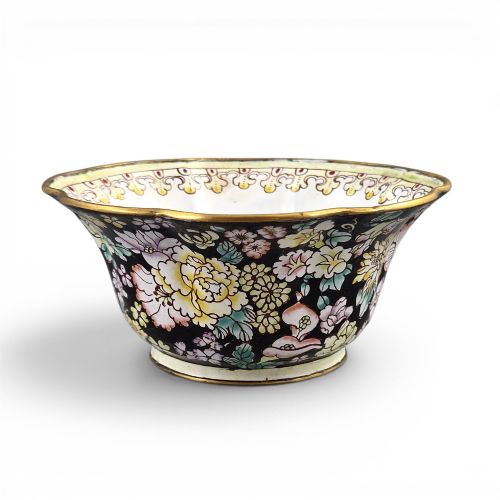
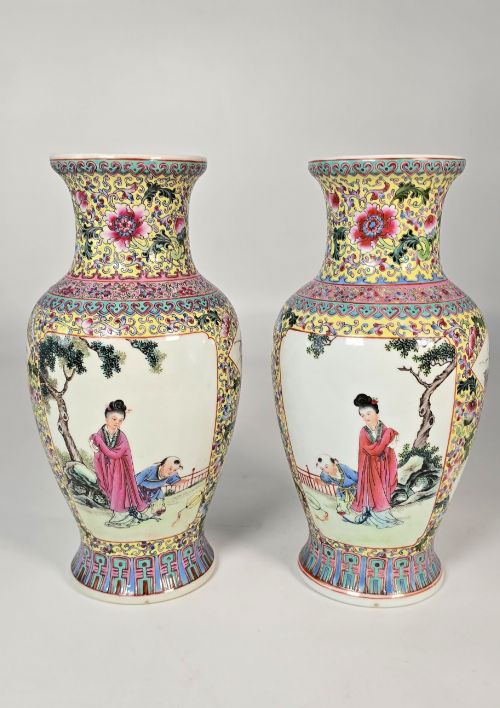
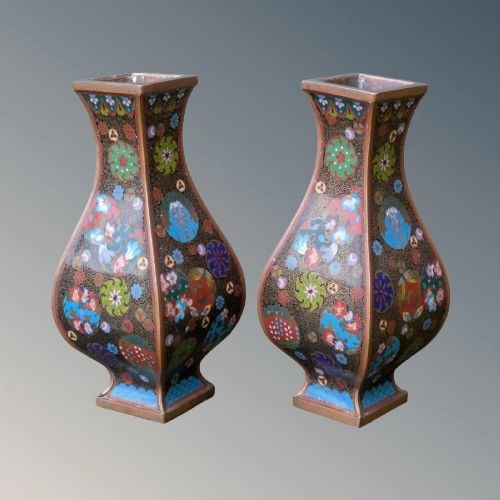
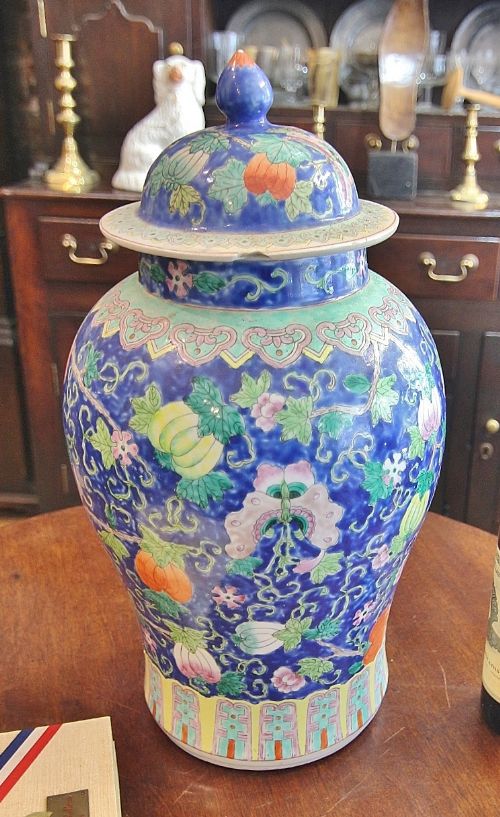
Vessels made from copper and bronze often utilise cloisonné or champlevé techniques, while ceramic forms display painted enamel decoration. Buyers frequently find matching pairs of vases, lidded koro, and decorative bowls intended for display in traditional interiors.
How they were made
Makers formed the structural body of these vessels using cast bronze, beaten copper, or fired porcelain. Metal foundations provided rigid support for subsequent surface decoration.
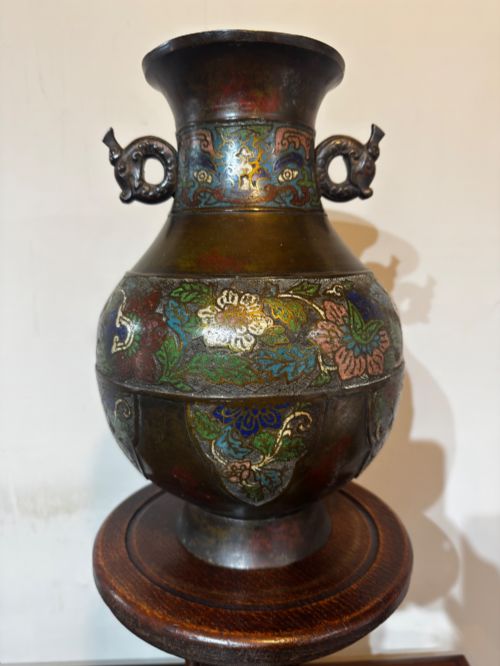
Cloisonné pieces received delicate metal wires soldered to the metal base to create small cells, which workers then filled with vitreous enamel pastes before firing and polishing. Champlevé technique involved carving troughs directly into the bronze surface to hold the coloured enamel.
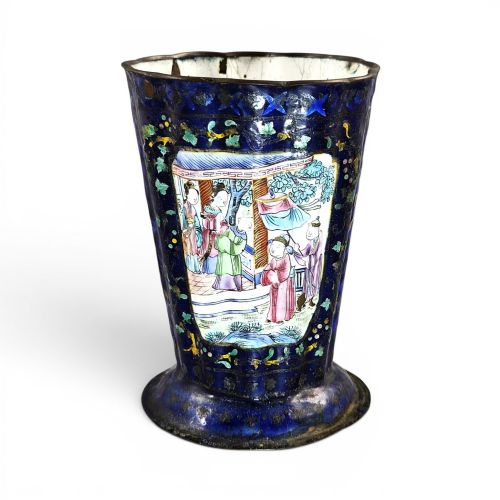
Painted enamel vessels on copper or porcelain relied on direct pigment application, often fixed through multiple kiln firings to achieve durable, glossy finishes. Gilding and gold leaf occasionally highlighted rims, bases, and structural details.
Listings feature items spanning the eighteenth century through to the 1940s, executed in copper, bronze, porcelain, and brass.
What varies in quality
The standard of a chinese enamel vessel depends heavily on the precision of the metalwork and the control demonstrated during the firing process. Finer pieces display crisp wirework, even enamel density, and minimal pitting across decorated surfaces.
Complexity of design and depth of palette also distinguish superior examples from standard production pieces. Multi-coloured motifs, well-rendered figures or natural scenes, and carefully applied gilt bronze mounts indicate accomplished workshop output.
The Chinese Enamel Vessel Glossary
- Cloisonne Enamel
- A metalwork technique where flat wire is soldered to a metal body to form compartments filled with enamel paste. These cells retain the coloured glass paste during the high-temperature firing process.
- Champleve Enamel
- A method where depressions are hollowed out of a bronze or copper base and filled with enamel before firing. This differs from wirework by sinking the pigment directly into the carved metal.
- Censer
- A vessel designed for burning incense during ritual or domestic activities. These often stand on three legs and include pierced covers to release scented smoke.
- Jardiniere
- A large decorative pot or bowl used to hold plants or floral arrangements. They frequently appear in bronze or ceramic formats with heavy enamel decoration.
Chinese Enamel Vessel: Frequently Asked Questions
How do I clean an antique enamel vessel?
Dust surfaces gently with a soft, dry brush to prevent accumulation in recessed areas. Avoid water, harsh chemicals, or abrasive cloths that might damage fragile metal wiring or aged enamel.
For stubborn dust on metal or ceramic bodies, use a slightly damp cotton swab followed immediately by a dry microfibre cloth. Keeping pieces away from direct sunlight and damp environments preserves the original pigments.
What is the difference between cloisonne and champleve?
Cloisonné involves soldering thin metal strips onto a metal foundation to create raised walls that separate individual colour fields. Artisans fill these bordered cells with enamel paste before firing.
Champlevé relies on carving or casting troughs directly into the thick bronze body of the vessel itself. The enamel sits inside these recessed channels rather than being held by applied wires.
How can I tell the period of a piece?
Dating relies on examining the weight of the metal, the brightness of the enamel palette, and any base marks present. Nineteenth-century examples often exhibit heavier bronze foundations and specific turquoise ground colours.
Stylistic shifts between late Qing production and early twentieth-century republican pieces also offer clear chronological clues. Comparing forms to documented examples helps confirm manufacturing eras.
Where were these vessels originally displayed?
Wealthy households and scholars placed these decorative items within reception rooms, studies, and altars. Jardinières held plants, while smaller vessels served as brush washers or incense burners.
Export markets later absorbed many pieces for European and American drawing rooms. Their vibrant colours and intricate metalwork made them popular centrepieces for domestic interior decoration.