
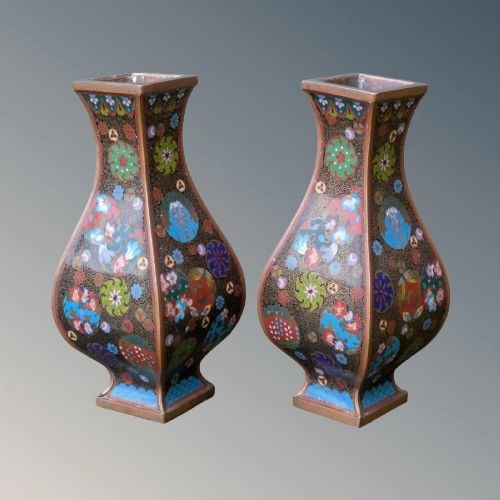


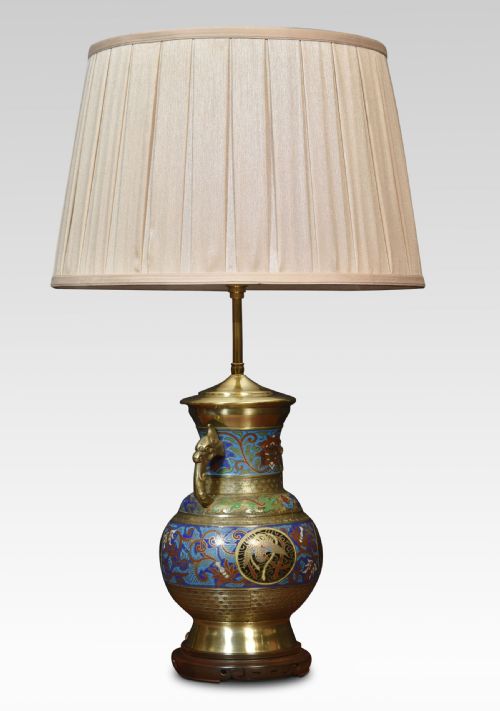

Brass Enamel Urn
These brass enamel urn items combine metalwork and vitreous colour, bringing nineteenth-century decorative craft straight to your mantelpiece.
Brass Enamel Urn
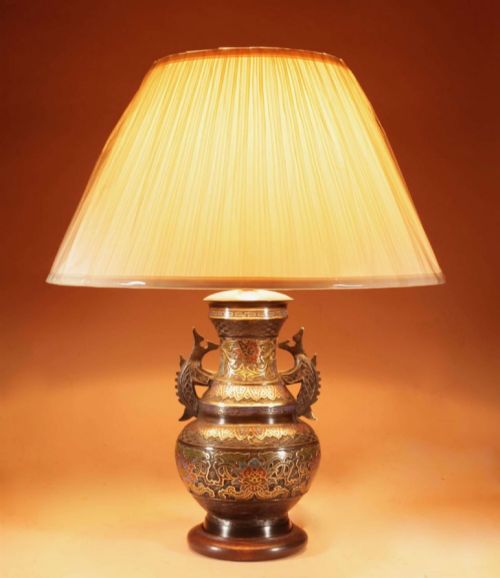
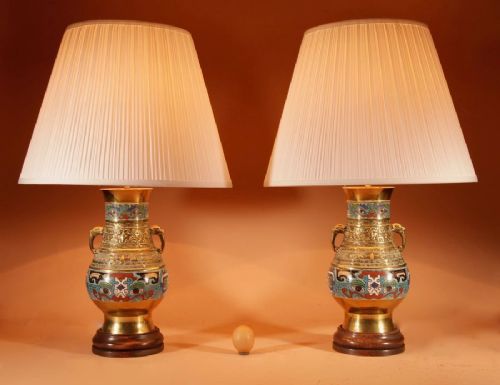
A brass enamel urn brings together sturdy metalwork and decorative glass paste, taking the form of traditional vessels, lamps, and clock garnitures. When you search for a brass enamel urn, you encounter pieces spanning from the eighteenth century through the art deco decades of the twentieth.
Japanese Meiji period and Chinese Qing dynasty styles dominate the selection, alongside French revival pieces from the nineteenth century. These items served as decorative mantel ornaments, table lamps, and central display vessels in grand interiors.
Materials and construction methods
Artisans built these pieces using brass, bronze, and copper as the primary structural metals, often adding gilt highlights or marble bases. The decorative surfaces utilise enamel applied through cloisonné and champlevé techniques, where wire partitions hold the coloured glass paste before firing.
Japanese and Chinese workshops mastered intricate wirework patterns on bronze and brass bodies, while European makers combined cast gilt bronze with champlevé enamel panels. Fabric, glass, and wood occasionally appear in supporting elements like lamp fittings and stands.
Materials recorded across the inventory include brass, copper, bronze, gilt bronze, and various forms of cloisonné and champlevé enamel.
Distinctions in craftsmanship
The precision and density of the wirework in the enamel separate standard decorative pieces from exceptional masterworks. Finer items display perfectly even cell structures and smooth, polished enamel surfaces without pitting or discoloration.
The weight and detail of the cast brass or bronze mountings indicate the workshop standard. Heavy, sharply chased metal bases and well-preserved original gilding mark the higher end of the surviving range.
Sacre
The Brass Enamel Urn Glossary
- Cloisonné
- An enamel technique where flat metal wires are soldered to a metal base to create compartments for coloured paste. These cells are then filled and fired.
- Champlevé
- A method where troughs or pits are dug into a thick metal surface and filled with enamel before firing. This differs from cloisonné by sinking the design into the solid metal.
- Garniture
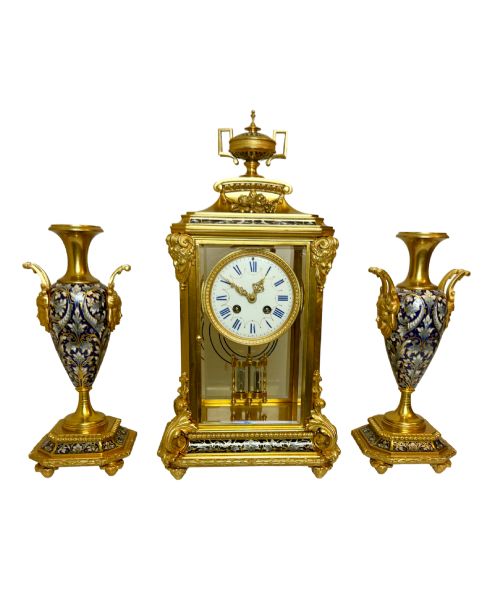
- A set of matching ornamental vases or clocks designed to sit together on a mantelpiece. These groupings typically comprise a central clock flanked by matching urns or vases.
- Ormolu
- Ground gold applied to a bronze object through a mercury amalgam process, creating a rich golden surface. French makers utilised this finish extensively on nineteenth-century clock cases.
Brass Enamel Urn: Frequently Asked Questions
What is a brass enamel urn used for?
These vessels functioned primarily as decorative mantel ornaments, display centrepieces, or housing for table lamps and clock garnitures. Wealthy Victorian and Edwardian households placed them in reception rooms to showcase exotic craftsmanship and colour.
Over time, many of these decorative urns and vases were adapted into lamp bases while retaining their original nineteenth-century cloisonné bodies.
How do I identify Japanese Meiji period pieces?
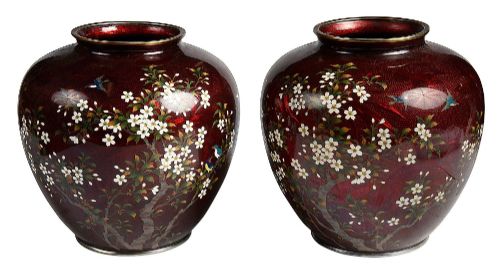
Meiji period items often feature exceptionally fine cloisonné wirework depicting natural motifs like birds and flowers on a bronze or brass ground. Japanese makers of this era achieved remarkable precision in their enamel work.
Comparing the density of the wire cells and the subtlety of the colour shading helps distinguish these Japanese export wares from later reproductions or European copies.
Are these items French or Asian origin?
The selection includes both Asian export wares from Chinese and Japanese workshops and European revival pieces from France. Asian pieces typically rely on cloisonné enamel over bronze or brass, while French items often feature champlevé enamel on gilt bronze clock garnitures.
Examining the style of the metal mountings and the specific enamel technique clarifies the geographic origin of each individual piece.
How should I clean my antique urn?
Dust the surface gently with a soft, dry cloth to prevent accumulation in the recessed wire partitions of the enamel. Avoid harsh commercial metal polishes, which can strip gilding or damage the vitreous enamel surfaces.
Professional conservation advice is recommended if the brass requires more than basic surface dusting to preserve the historical finish.