


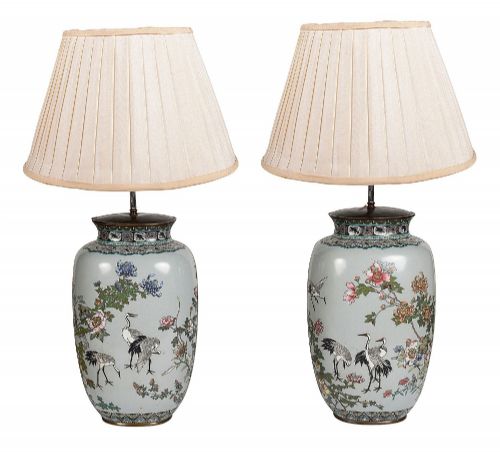

Oriental Table Vase
An oriental table vase brings centuries of craftsmanship into a room, often taking the form of a ceramic or bronze vessel adapted for lighting.
Oriental Table Vase
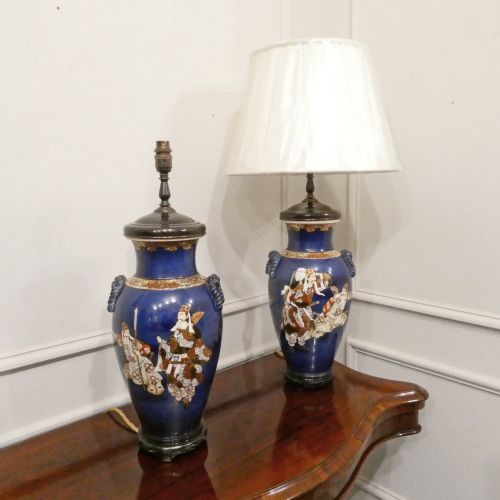
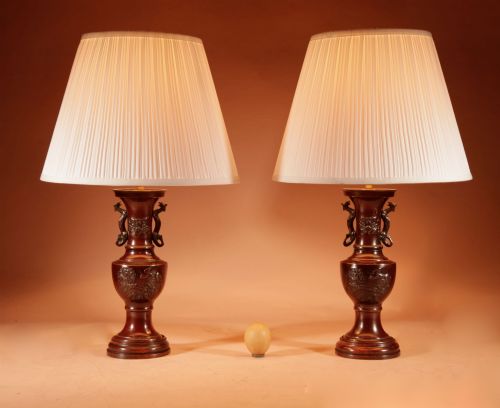
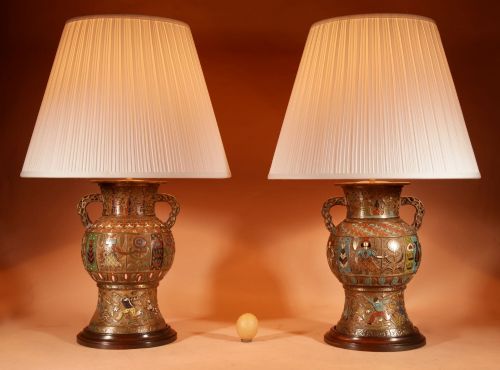
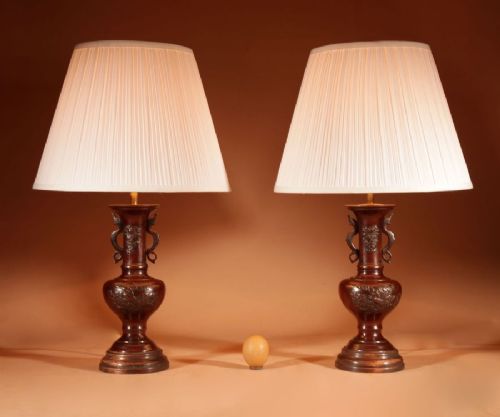
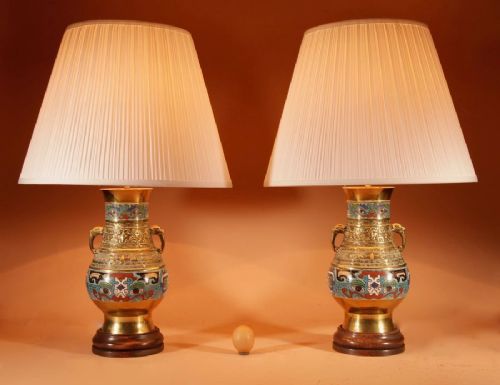
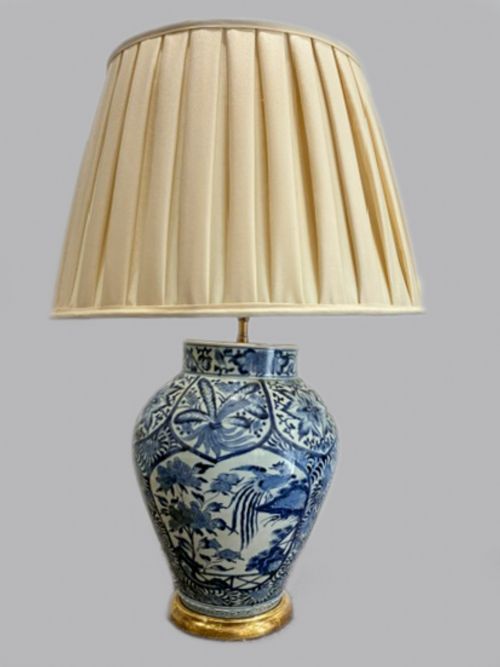
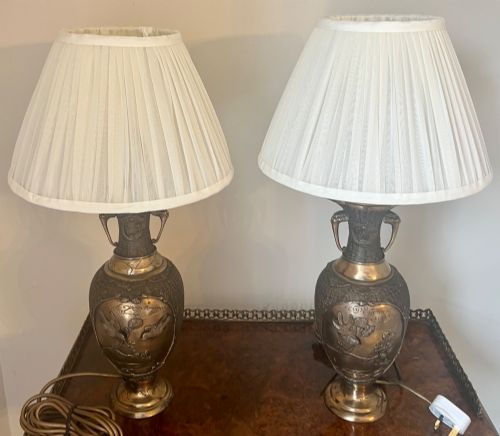
When searching for an oriental table vase, collectors encounter diverse decorative objects originating from Japan and China, spanning from the seventeenth century through the early twentieth century. Many examples on this page are vessels that started life as vases, jars, or brush pots before undergoing conversion into table lamps, while others remain as stands and planters.
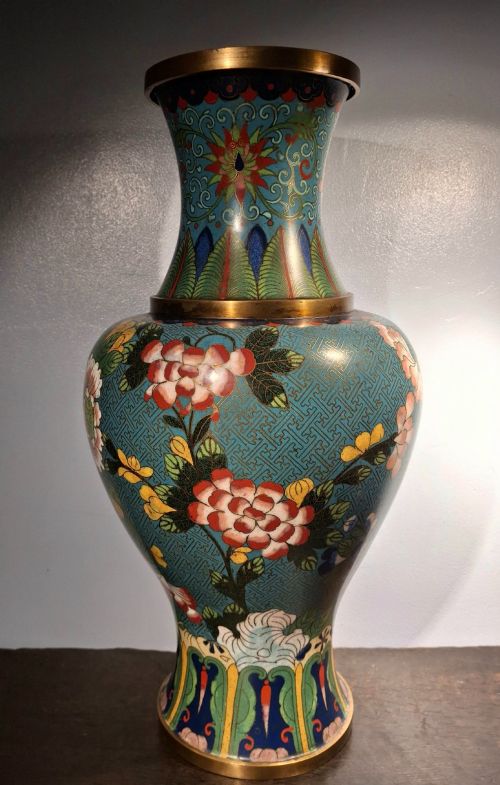
The material palette is broad, encompassing porcelain, bronze, brass, cloisonné enamel, and carved hardwood. The Japanese Meiji period and Chinese Qing dynasty dominate the aesthetic, presenting distinct styles such as Satsuma, Rose Medallion, and Chinoiserie.
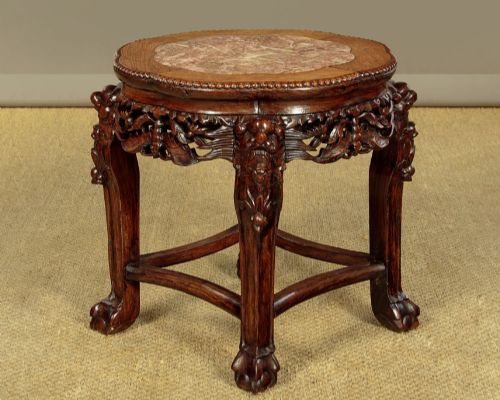
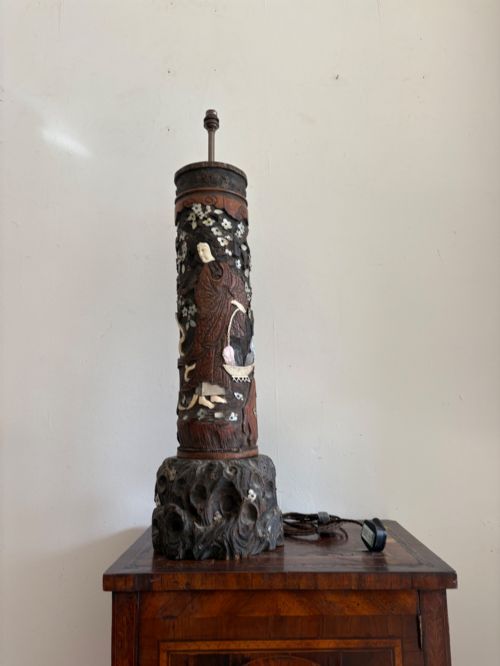
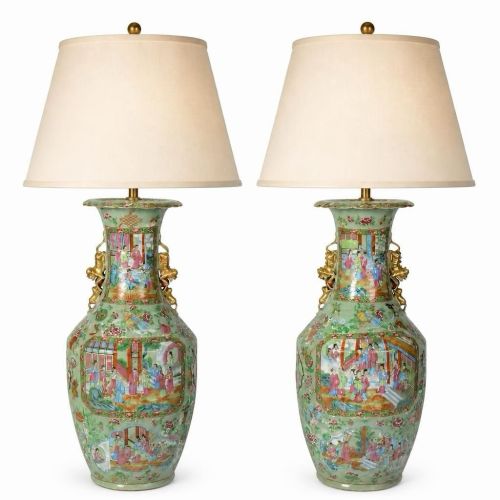
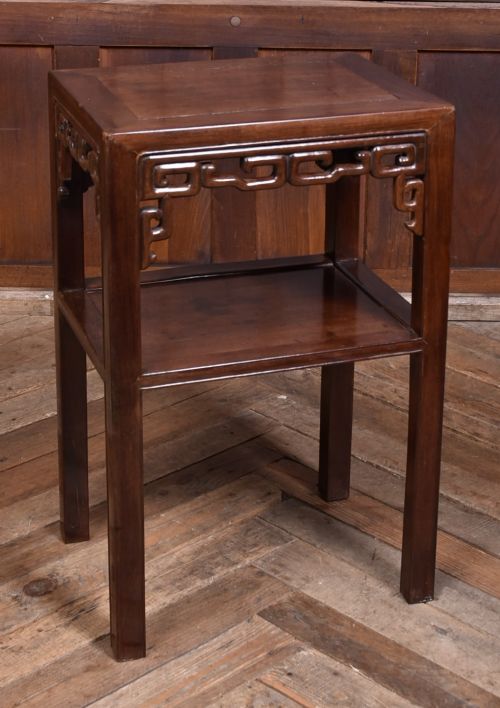
Vessels take many forms, from large porcelain vases mounted with gilt bronze to small bronze dragons and carved bamboo brush pots. Alongside these sit marble-topped plant and vase stands carved from hongmu, offering a complete picture of oriental display pieces.
How they were made
Makers utilised traditional techniques such as champlevé and cloisonné enamel, fusing coloured glass pastes onto metal bases of bronze or brass. Artisans also carved dense hardwoods like hongmu to create intricate plant and vase stands with inset marble tops.
Porcelain vessels received detailed hand-painting in palettes ranging from the vibrant polychrome enamels of Satsuma and Rose Medallion to blue and white underglaze decoration. Skilled metalworkers applied mixed metal details and gilt bronze mounts to enhance the ceramic bodies.
Listings feature materials such as bronze, porcelain, and marble alongside hardwoods like hongmu, reflecting nineteenth-century interior tastes.
What varies in quality
The distinction between standard and superior pieces lies in the precision of the hand-painting and the depth of the metalwork. Finely rendered cloisonné cells and crisp, deep carving on hardwood stands indicate skilled workshop production.
The integration of mounts and the preservation of the original ceramic or bronze body dictate the overall standard. Pieces retaining intact gilding and well-executed conversions show greater care in their adaptation for domestic interiors.
Kinkozan
The Oriental Table Vase Glossary
- Meiji Period
- A Japanese era lasting from 1868 to 1912 noted for detailed bronze work and Satsuma pottery produced for export. This period yielded much of the metalwork and ceramic art seen in nineteenth-century collections.
- Cloisonné
- An enamelwork technique where metal wires form small compartments on a bronze or brass base to hold coloured paste. Artisans fire these vessels multiple times to achieve a smooth, vitreous finish.
- Satsuma
- A type of Japanese earthenware featuring a crackle glaze decorated with polychrome enamels and gilt. These pieces often depict traditional figures, floral motifs, and samurai scenes.
- Champlevé
- An enamelling method where troughs are gouged into a bronze surface and filled with enamel before firing. The resulting pieces present bold patterns contrasting with the exposed metal body.
- Hongmu
- A dense, dark Chinese hardwood utilised for fine furniture and decorative stands. Craftsmen prize it for its rich grain and ability to hold intricate carved details.
Oriental Table Vase: Frequently Asked Questions
What is an oriental table vase?
An oriental table vase is typically an antique ceramic, bronze, or enamel vessel originating from China or Japan. Many examples are traditional vases or jars subsequently wired to function as table lamps.
These pieces showcase historical artistic traditions, including hand-painted porcelain and detailed metalwork from the Qing dynasty and Meiji period.
How do I identify a Meiji period vase?
Meiji period pieces date between 1868 and 1912, a time when Japanese craftsmanship flourished for both domestic use and export. Look for marked bronze, intricate mixed metal applications, or finely detailed Satsuma earthenware.
These objects often display high technical skill in metal casting and surface decoration, distinguishing them from later mass-produced items.
Were these vases made as lamps?
Most antique oriental table vases started as decorative vessels, ginger jars, or brush pots rather than functional lighting. Craftsmen converted them into lamps during the nineteenth or twentieth century to suit Western interiors.
This conversion process often involved adding bronze or ormolu mounts to secure electrical fittings while preserving the original ceramic body.
How do I care for antique bronze and porcelain?
Antique porcelain and bronze require gentle handling and a stable indoor environment away from direct sunlight. Dust ceramic surfaces with a dry, soft cloth and avoid chemical cleaning agents that might damage delicate enamels or gilding.
Bronze benefits from occasional light dusting to prevent particle buildup, taking care to preserve any natural patination accumulated over the centuries.