







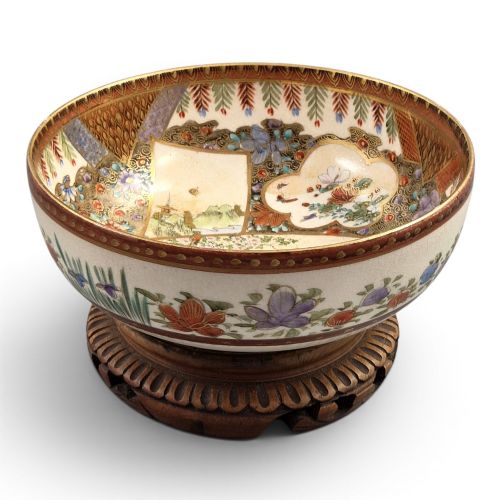

Floral Enamel Vessel
A floral enamel vessel brings together rich metallic bodies and bright botanical patterns across centuries of global craftsmanship.
Floral Enamel Vessel
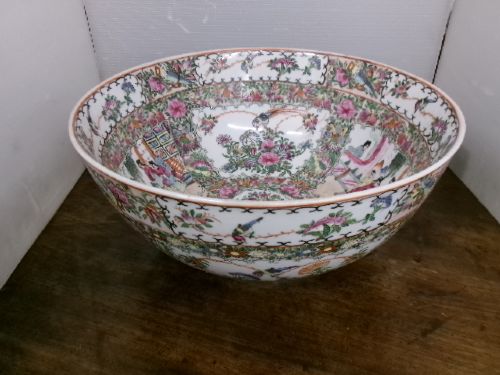
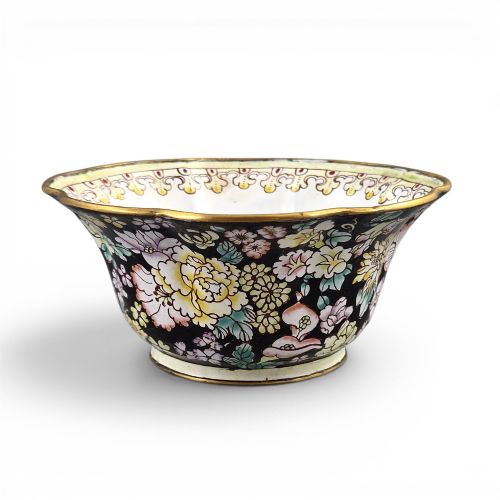
A floral enamel vessel spans functional forms and decorative containers, including vases, ginger jars, bowls, and table lamps. When you search for a floral enamel vessel, you encounter items shaped from copper, bronze, brass, glass, porcelain, and earthenware.
The selections on this page draw predominantly from 18th, 19th, and 20th-century workshops in China and Japan, alongside European glasshouses and potteries. Chinese cloisonné and painted Canton pieces sit alongside Japanese Meiji and Edo period vessels and Victorian European glass.
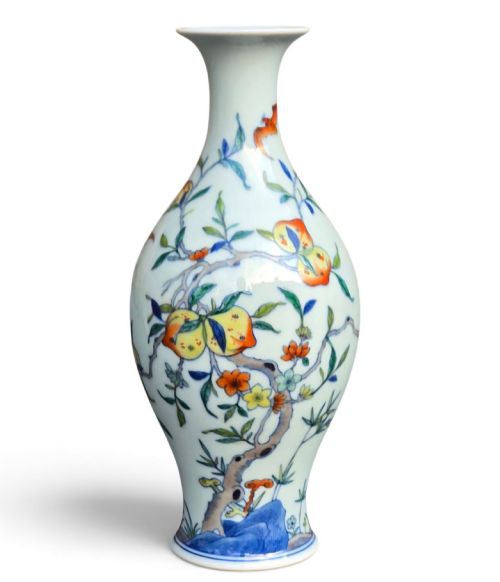
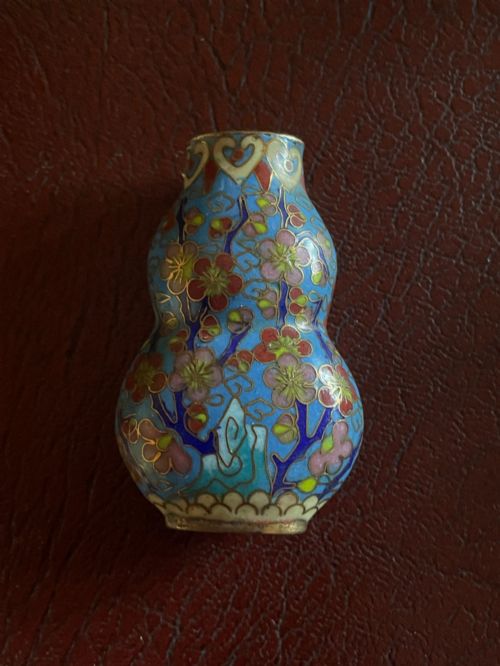
Vessels range from miniature vases and lidded cups to large garden jardiniieres and scale vases. Many pieces display distinct botanical motifs such as flowers, blossoms, and leaves rendered in vibrant coloured pigments.
Materials and construction methods
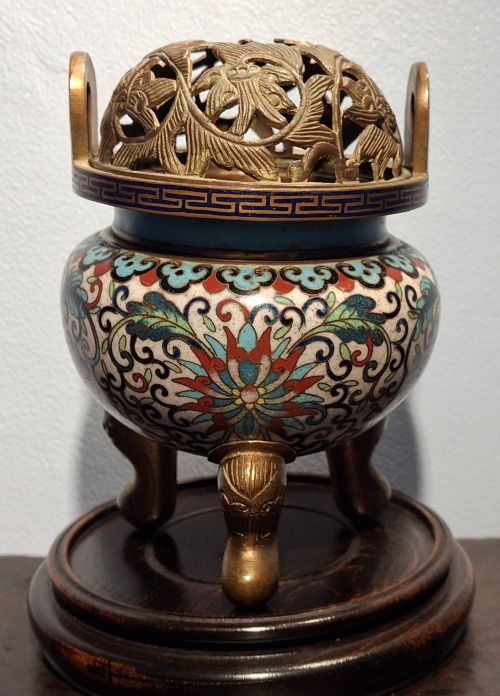
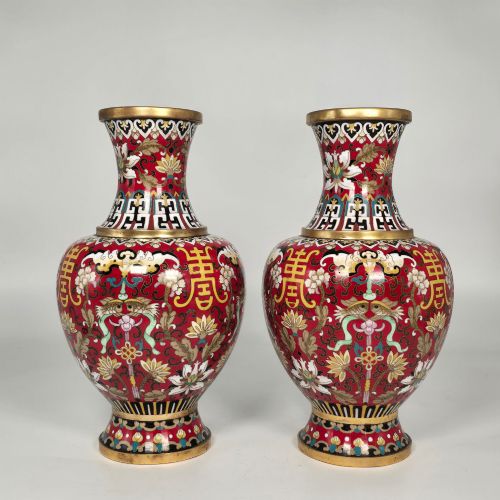
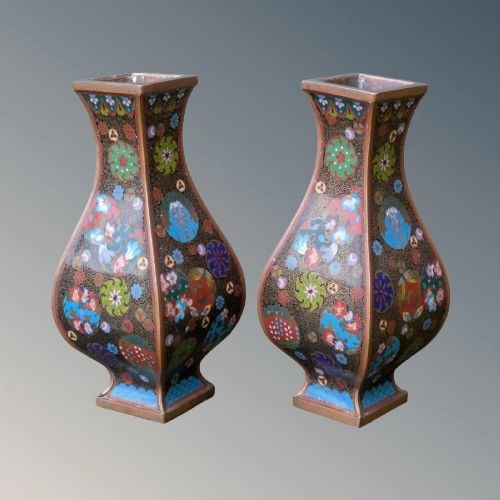
Many Asian pieces rely on cloisonné and champlevé techniques, where wire partitions or cast depressions form cells that hold coloured glass pastes before firing and polishing. Copper, bronze, and brass provide durable metallic foundations for these detailed surface designs.
European makers apply painted enamel directly onto glass bodies, stoneware, or earthenware surfaces, often combining gilding and cameo carving. Kiln-firing bonds the vitreous enamels permanently to the underlying metal, ceramic, or glass substrate.
Floral Enamel Vessel Retail Price Guide 2026
Typical asking prices for floral enamel vessel among the pieces listed under this phrase on Sellingantiques today, from the lower quarter to the upper quarter. They describe what is for sale here now, not the wider market.
Asian items on this site include Chinese cloisonne and painted copper alongside Japanese ginbari and Satsuma ware.
Distinctions in craftsmanship
Quality rests in the precision of the metalwork and the control of the enamel during the firing process. Finer pieces demonstrate uniform wirework cells, smooth polished surfaces without pitting, and deeply saturated colour palettes.
Subtle hand-painting, crisp botanical detailing, and well-balanced proportions distinguish superior examples from standard production pieces. The crispness of the gilt highlights and the weight of the bronze or copper body further indicate the standard of the workshop.
Daum·Moser·Royal Doulton·Tamura Yukio·Kozan
The Floral Enamel Vessel Glossary
- Cloisonne
- A technique where thin metal wires are soldered to a metal base to create cells for enamel paste. This method produces intricate linear patterns across the body of the vessel.
- Champleve
- A method where troughs or cells are carved or cast directly into a metal surface to receive enamel. The metal background remains visible as thick outlines between the coloured areas.
- Ginbari
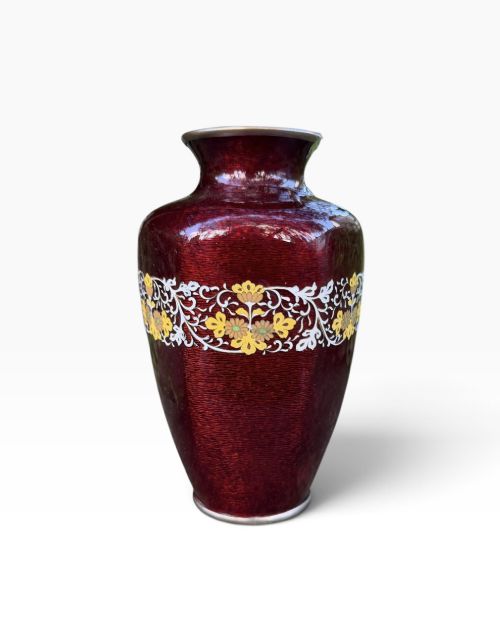
- A Japanese enamelling technique featuring a textured metal foil applied beneath translucent enamel. This creates a shimmering patterned depth beneath the floral design.
- Famille-rose
- A Chinese porcelain palette dominated by opaque pink enamel introduced during the Qing Dynasty. Artisans used this spectrum to render naturalistic flower and plant motifs.
- Canton painted enamel
- Enamel painted directly onto a copper or metal base without wire cells. Workshops in southern China produced these freehand botanical scenes for export.
Floral Enamel Vessel: Frequently Asked Questions
How do I clean a floral enamel vessel?
Dust gently with a soft, dry cloth to protect the delicate metallic wires and glass surfaces. Avoid liquid cleaners, chemical dips, or abrasive cloths that can damage antique enamel and gilding.
Keep pieces away from direct sunlight and high moisture areas to preserve the integrity of the original materials.
Are these vessels waterproof?
Many antique metal and cloisonné pieces feature soldered seams or interior linings that may not withstand standing water over long periods. It is safer to use a hidden glass insert if you plan to display fresh stems.
Earthenware, stoneware, and glass examples are generally more suited for holding liquids, provided there are no hairline cracks from age.
How can I tell Japanese from Chinese cloisonne?
Japanese pieces from the Meiji period often feature extremely fine, thin wirework with naturalistic asymmetrical floral compositions and smooth, highly polished finishes. Chinese vessels frequently utilise thicker bronze or brass bases with bolder wire cells and symmetrical designs.
Examining the base and the background enamel colour also helps reveal the specific regional workshop traditions.
What period do most of these items come from?
The majority of pieces date from the nineteenth century through the early twentieth century, spanning the late Qing Dynasty, Japanese Edo, Meiji, and Taisho periods, and European Victorian and Art Nouveau eras. Earlier pieces from the eighteenth century appear less frequently.
Stylistic markers and mounting techniques help anchor each item within its specific era of production.