






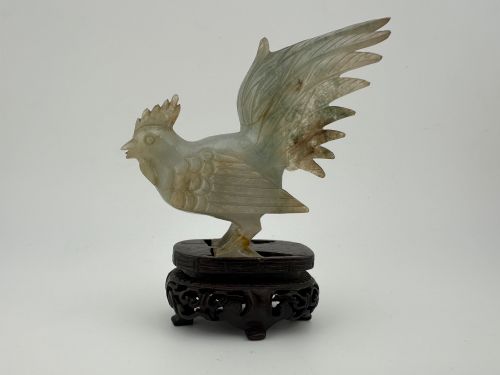
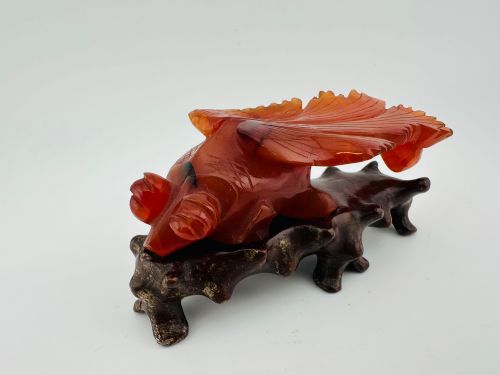

Carved Hardwood Stand
A carved hardwood stand brings weight and solid proportion to a room, supporting plants, vases, and sculptures with traditional craftsmanship.

Carved Hardwood Stand
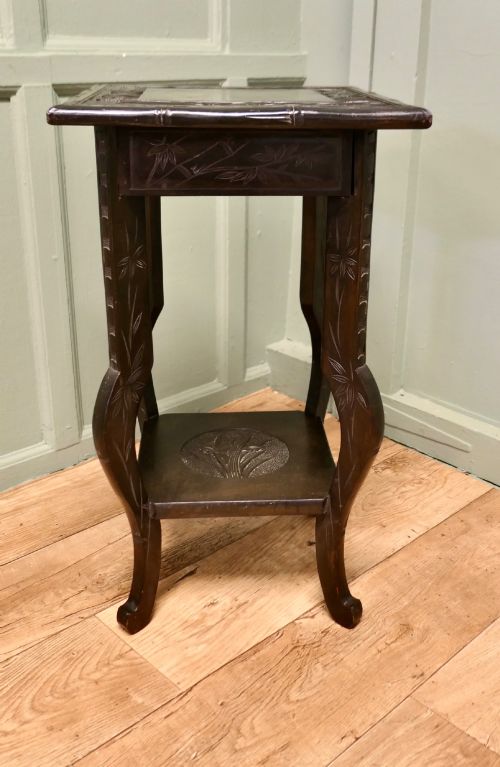
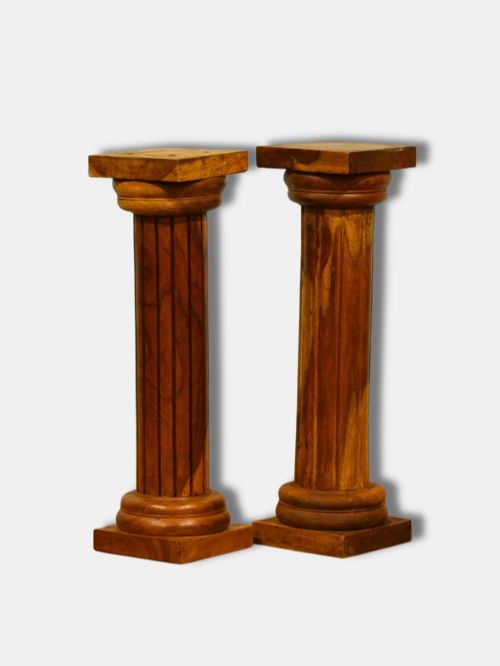
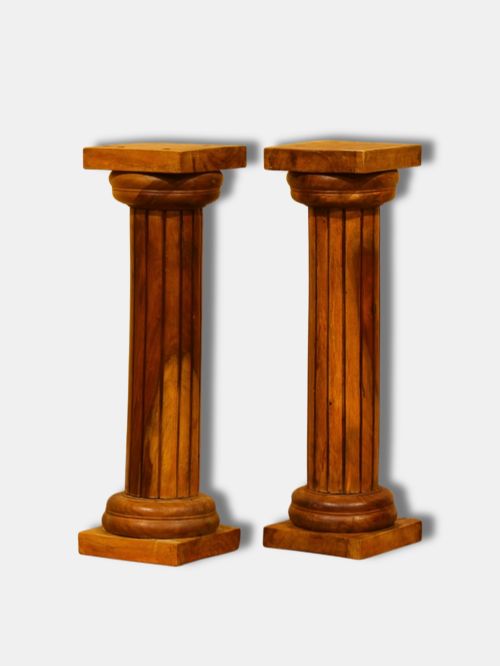
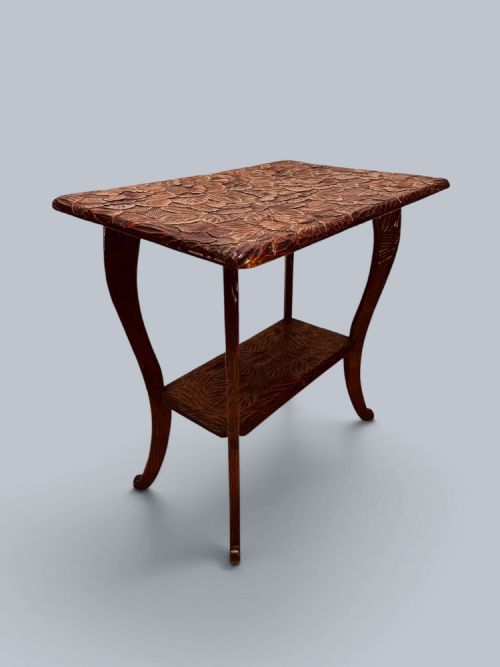
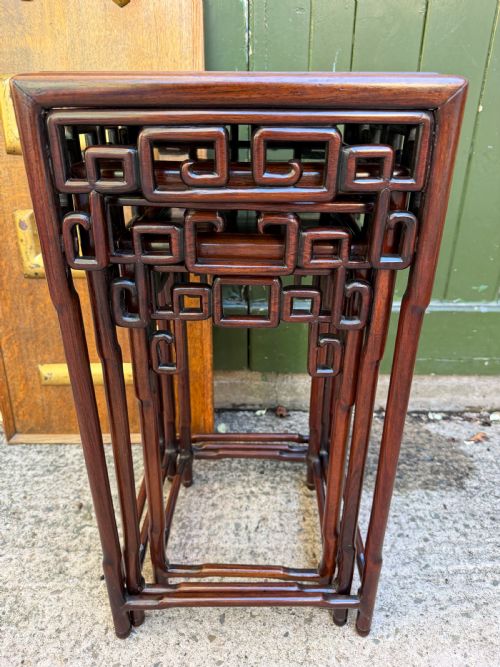
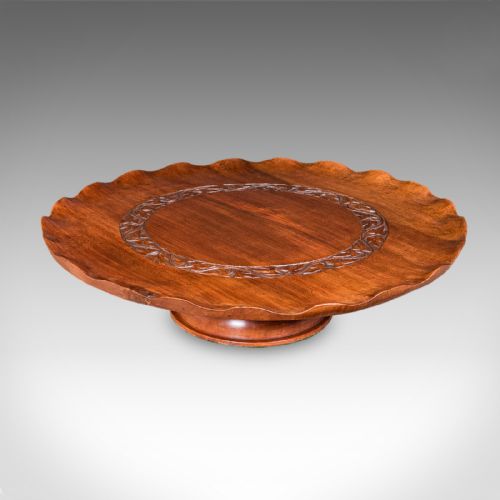
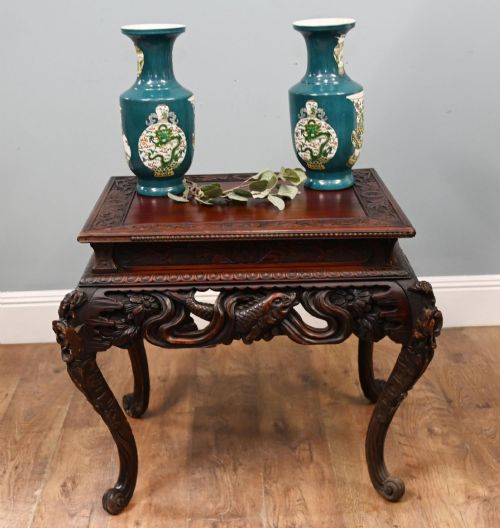
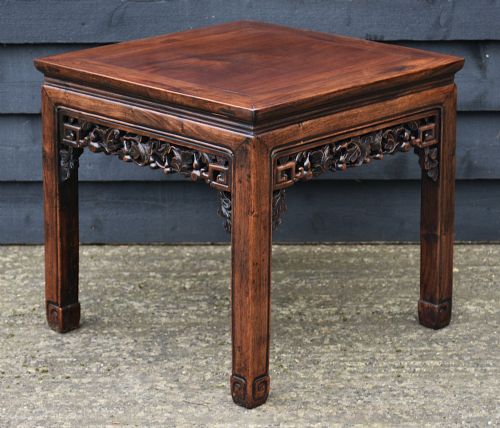
A carved hardwood stand serves as a sturdy platform for decorative objects, with plant stands, jardiniere supports, and low tables dominating the selection.
The majority of these pieces originate from Chinese workshops spanning the nineteenth and early twentieth centuries, alongside Anglo-Indian and Japanese examples.
Makers utilised dense timbers to create versatile furniture that functions equally well as a vase table, a lamp standard, or an occasional table.
Materials and Techniques
Artisans employed dense timbers such as rosewood, padauk, huanghuali, and general hardwoods, often leaving the natural grain visible beneath polished surfaces.
Many examples incorporate inset panels of marble or burr wood into the top surface to provide a stable, cool resting place for heavy ceramic vessels.
Carving techniques range from deep, intricate floral and dragon reliefs to clean, restrained lines typical of traditional Asian joinery.
Carved Hardwood Stand Retail Price Guide 2026
Typical asking prices for carved hardwood stand among the pieces listed under this phrase on Sellingantiques today, from the lower quarter to the upper quarter. They describe what is for sale here now, not the wider market.
Assessing Quality
The distinction between standard and superior pieces rests entirely upon the depth and crispness of the carving, alongside the weight and selection of the timber.
Master craftsmen ensured that joints remained tight without excessive modern intervention, allowing the natural movement of the wood over decades of use.
The inclusion of unblemished inset marble or well-matched secondary woods elevates a standard utilitarian support into a decorative focal point.
The Carved Hardwood Stand Glossary
- Hardwood
- Dense, slow-growing timber selected for durability and deep natural colour. These woods resist denting and take a fine polish.
- Jardiniere
- A large ornamental pot or container for plants. The stands designed for them feature reinforced tops to bear heavy loads of soil and ceramic.
- Padauk
- A heavy tropical timber with a distinct reddish hue that deepens with age. It is frequently associated with Anglo-Indian craftsmanship.
- Marble inset
- A smooth stone slab fitted flush into the timber top of a table or stand. This feature protects the wood from water damage.
Carved Hardwood Stand: Frequently Asked Questions
What were carved hardwood stands used for?
These pieces functioned primarily as elevated platforms for heavy decorative items, including porcelain vases, bronze vessels, and large indoor plants.
By lifting these objects off the floor, makers protected delicate ceramics and highlighted prized decorative arts within traditional interiors.
How do I care for antique hardwood furniture?
Keep these items away from direct heat sources and sudden temperature fluctuations to prevent the dense timber from splitting.
Dust regularly with a dry cloth and apply natural wax sparingly only when the surface appears dry to maintain the traditional finish.
How do I distinguish Chinese from Anglo-Indian stands?
Chinese examples often feature restrained joinery, floral carvings, and inset marble tops, reflecting traditional Qing Dynasty aesthetics and construction methods.
Anglo-Indian pieces frequently incorporate dense carving with animal motifs, bone inlay, or distinct tropical timbers like padauk.
Are marble tops original to these stands?
Most marble inserts found in nineteenth-century plant and vase stands are original to the piece, serving a practical purpose for wet pots.
Inspect the fit around the edges to ensure the stone sits flush within the surrounding wooden rebate without modern adhesive replacements.