






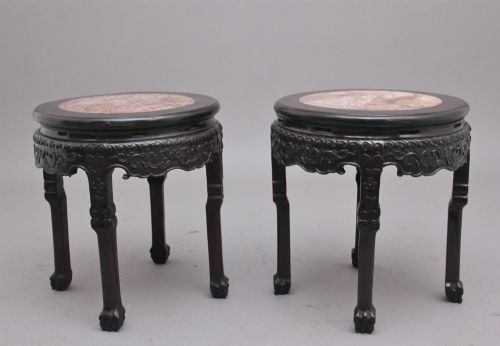


Marble Top Urn Stand
A marble top urn stand brings a solid stone surface and carved timber together to elevate heavy decorative vessels in any room.
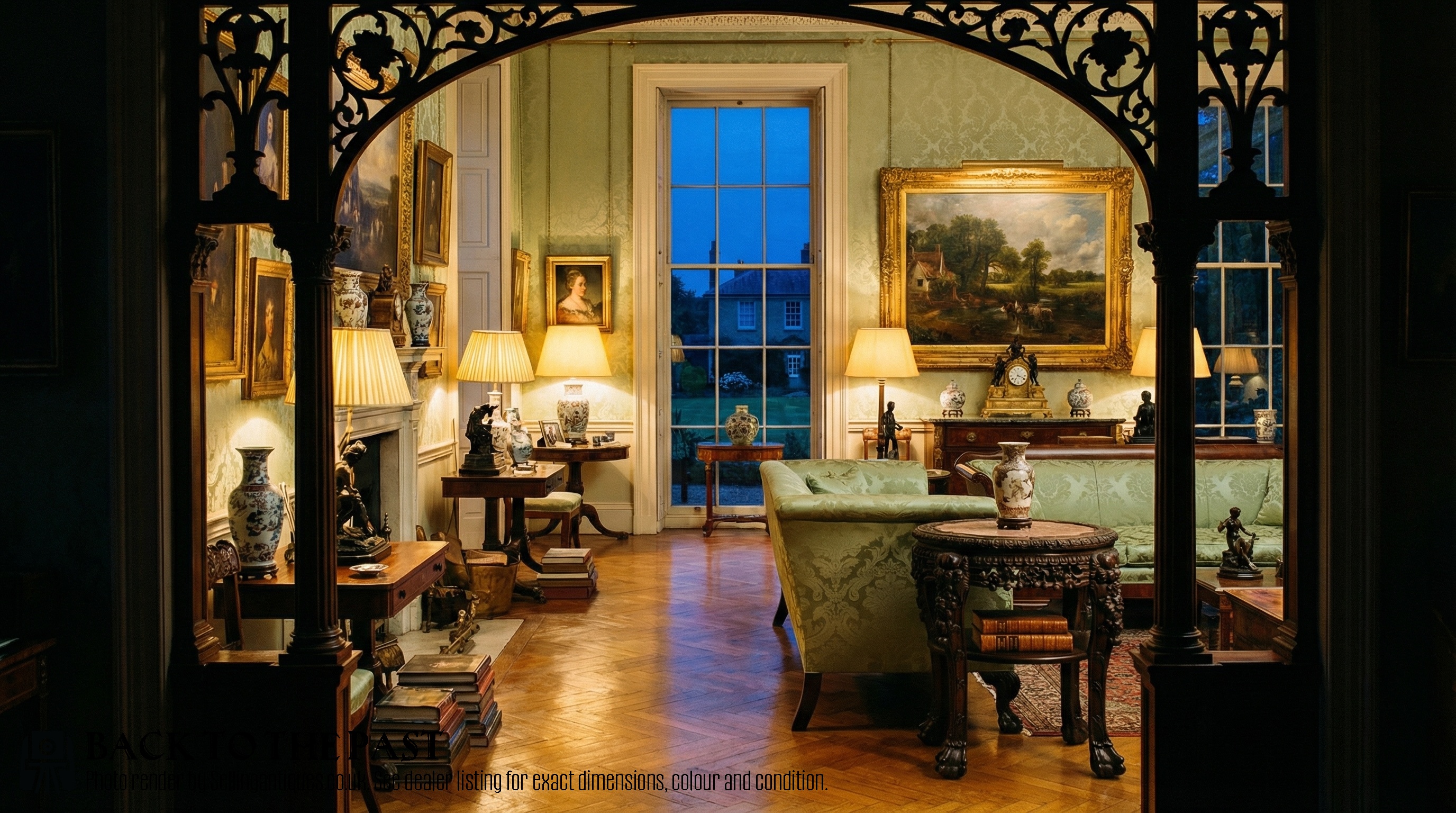
Marble Top Urn Stand
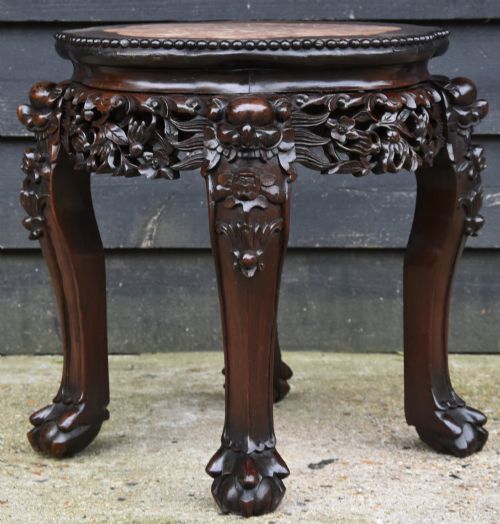
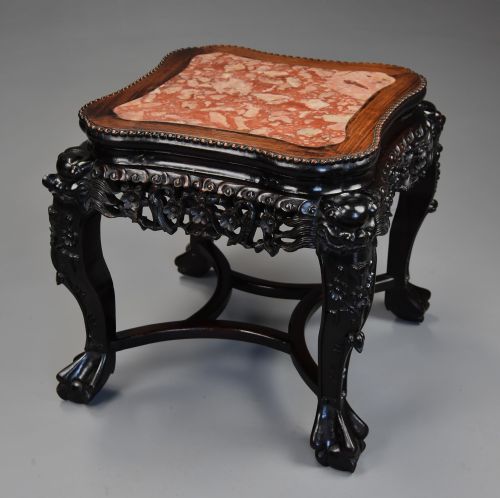
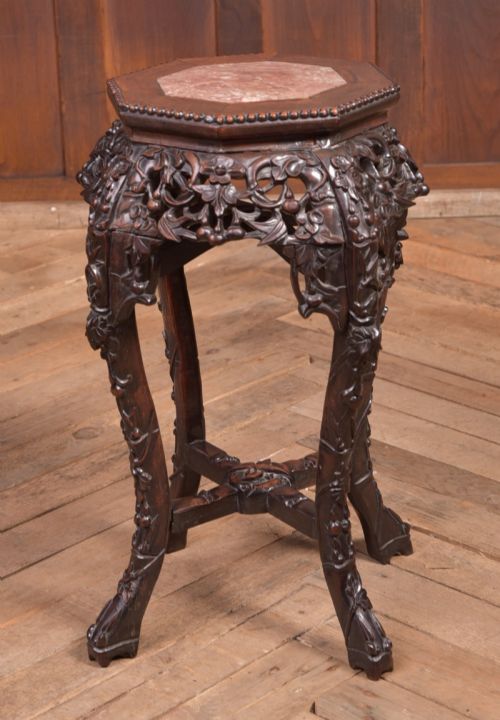
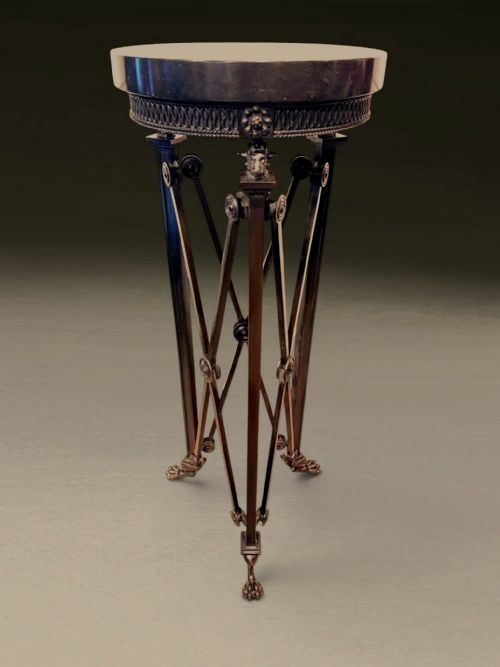
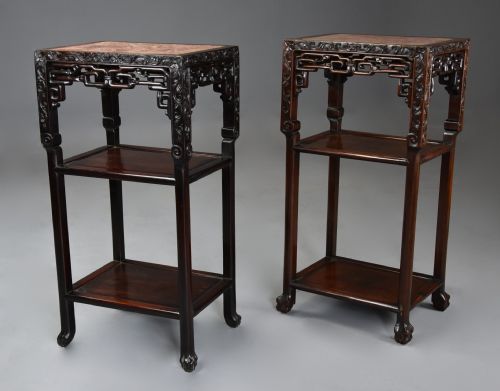
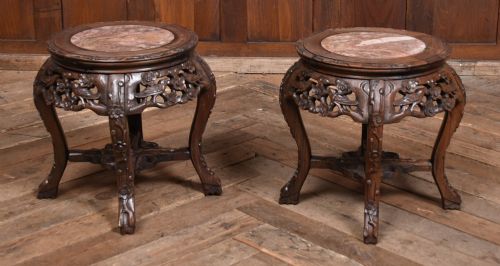
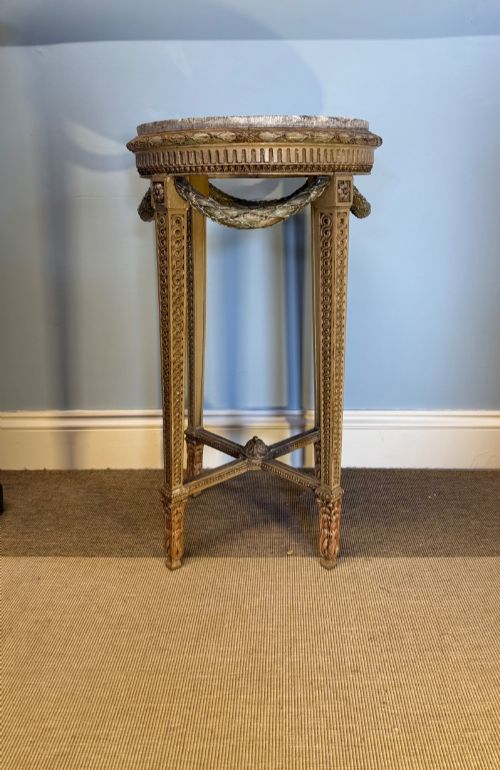
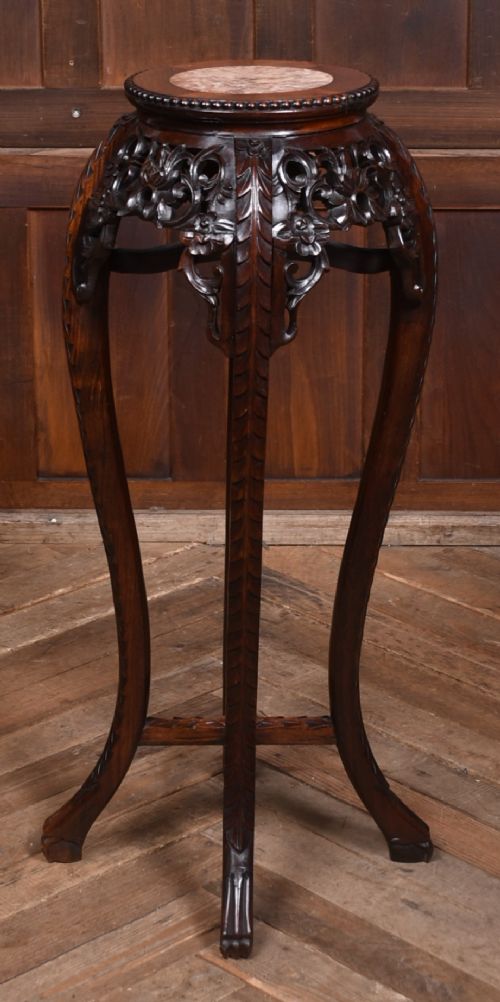
A marble top urn stand serves as a sturdy platform designed specifically to display heavy decorative vessels and plants. The evidence shows these pieces appearing as plant stands, pedestals, and low side tables.
The combination of a cool stone insert and rich timber creates a functional surface that protects underlying furniture from moisture and weight. These compact tables fit neatly into corners or act as focal points for displaying prized items.

How they were made
Cabinet makers utilised dense hardwoods such as rosewood and oak to construct the supportive frames for these stands. Carved wood details frequently adorn the skirts and legs, demonstrating traditional joinery and shaping techniques.
Smooth marble inserts sit securely within the wooden frames, providing a contrasting upper surface that is both durable and cool to the touch. Parcel gilt touches appear alongside plain carved surfaces to accentuate the natural grain of the timber.
Marble Top Urn Stand Retail Price Guide 2026
Typical asking prices for marble top urn stand among the pieces listed under this phrase on Sellingantiques today, from the lower quarter to the upper quarter. They describe what is for sale here now, not the wider market.
Listings for this phrase feature nineteenth-century pieces alongside Victorian and 1900 examples, utilising marble, rosewood, and carved hardwood.
What varies in quality
The depth and crispness of the wood carving distinguish standard production from finer examples. Deeply undercut foliage and robust framing demonstrate superior craftsmanship compared to shallow or mechanical shaping.
The choice and thickness of the inset marble heavily influence the overall character of the piece. Well-figured stone that sits flush within a precisely fitted wooden rebate represents a higher standard of manufacture.
The Marble Top Urn Stand Glossary
- Urn stand
- A small, tall table specifically designed to hold a heavy decorative urn or vessel. These pieces typically feature a stone or marble inset to handle moisture.
- Hardwood
- Dense timber derived from broad-leaved trees, used extensively in nineteenth-century Chinese export furniture. It provides the necessary structural integrity for supporting heavy stone tops.
- Parcel gilt
- A surface decoration technique where specific carved details are selectively highlighted with gold leaf. This method contrasts sharply against the dark natural tone of the underlying timber.
- Jardinière
- A decorative pot or stand used to hold growing plants indoors. They share similar proportions and construction methods with traditional urn stands.
Marble Top Urn Stand: Frequently Asked Questions
What is a marble top urn stand?
A marble top urn stand is a small table designed to elevate heavy decorative vessels or plants. The stone insert provides a durable surface that resists moisture and heavy loads.
These pieces draw on nineteenth-century Chinese export traditions and European revival styles. They function well as corner displays or low side tables.
How do I date a Chinese urn stand?
Dating relies on examining the timber species, carving style, and construction methods. Nineteenth-century examples often feature dense hardwoods and hand-carved frames.
Comparing the joinery to documented pieces from the Qing period helps narrow the age. Wear patterns on the wood and marble surface also offer clues to the era of manufacture.
Where should I place an urn stand?
An urn stand suits corners, hallways, or beside seating where a compact display surface is needed. The combination of stone and carved wood anchors visual weight in a room.
Ensure the floor is even so the tall or pedestal base remains stable. Avoid placing them in direct sunlight if the timber finish is sensitive.
Are these stands sturdy enough for heavy plants?
Yes, these stands were specifically built to support heavy items like large ceramic urns and potted plants. The dense hardwood frames and stone tops distribute weight effectively.
However, tall pedestal forms require stable placement to prevent tipping if bumped. Checking the joinery under the top ensures the structure remains sound.