



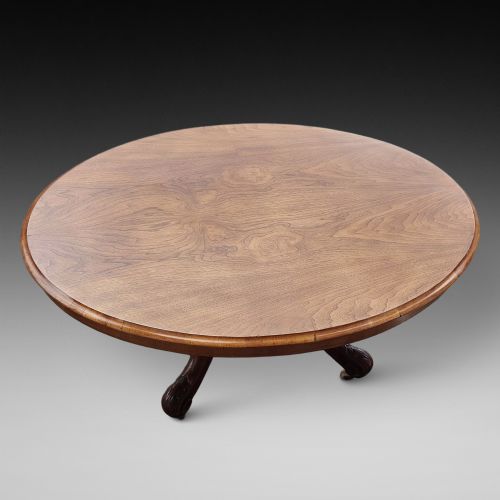
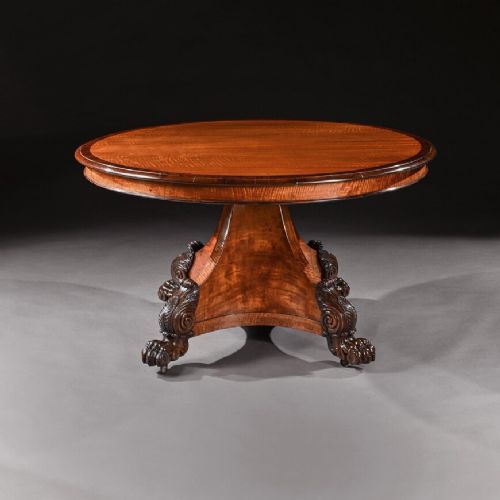
Carved Rosewood Pedestal
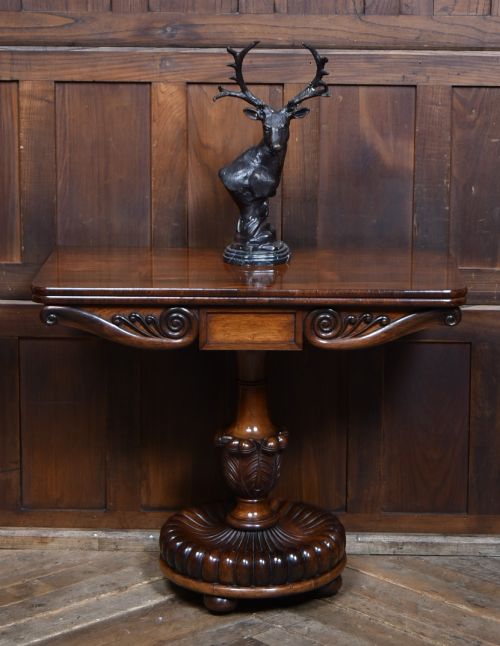
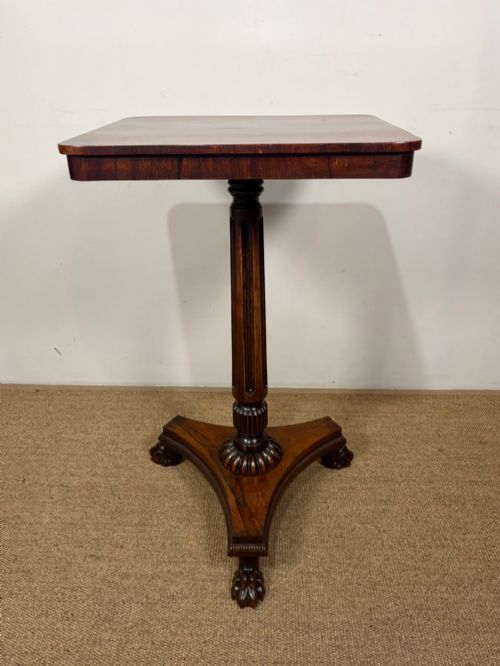
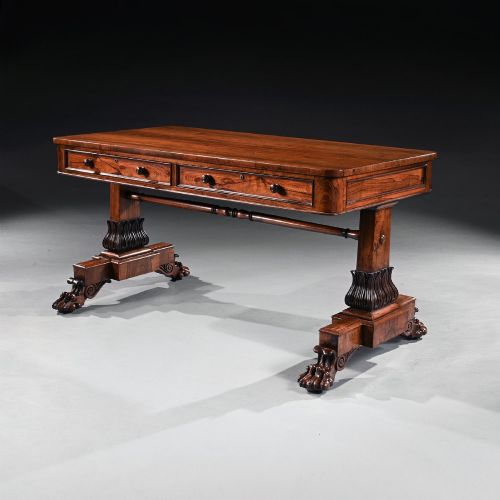
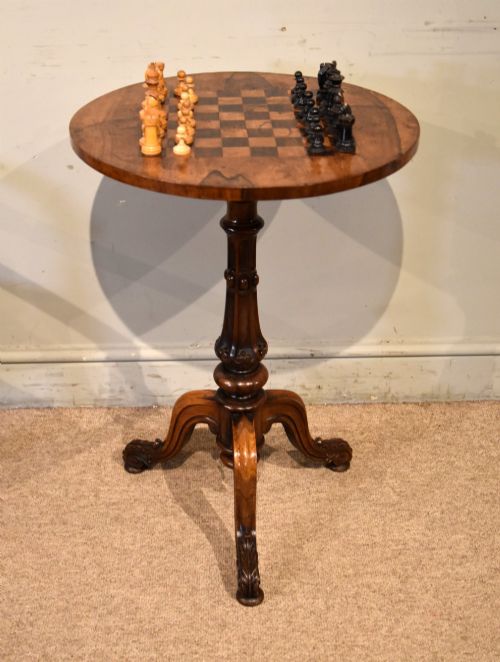
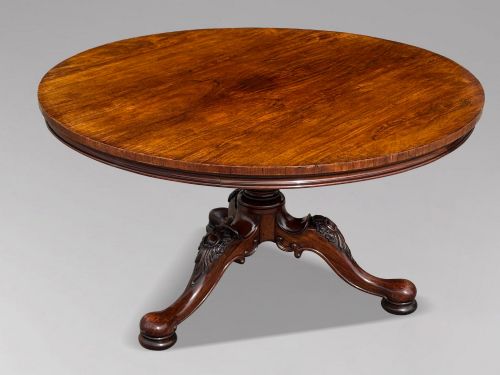
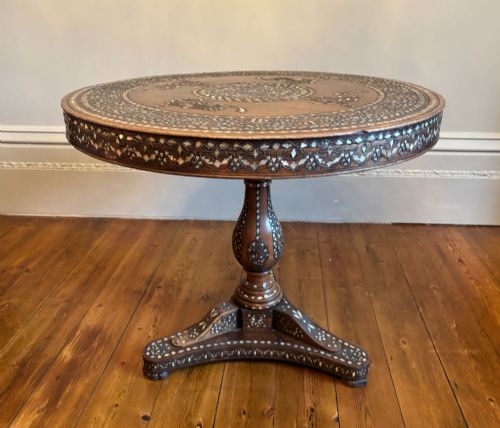
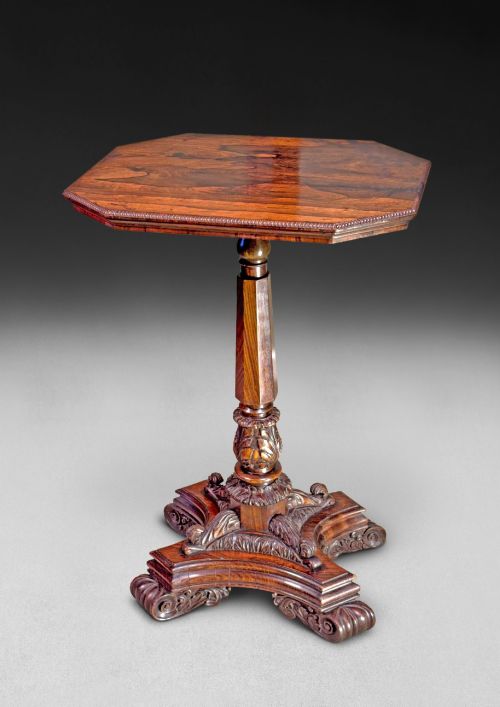
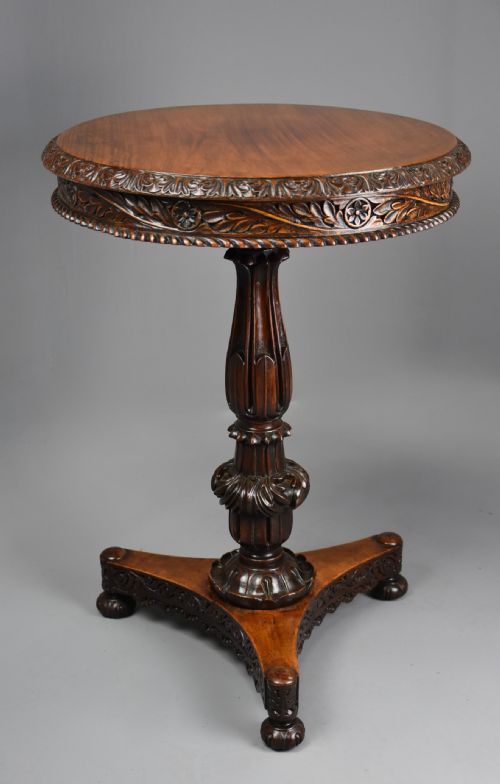
These carved rosewood pedestal pieces are substantial timber stands designed to elevate plants, urns or ornaments.

Carved Rosewood Pedestal
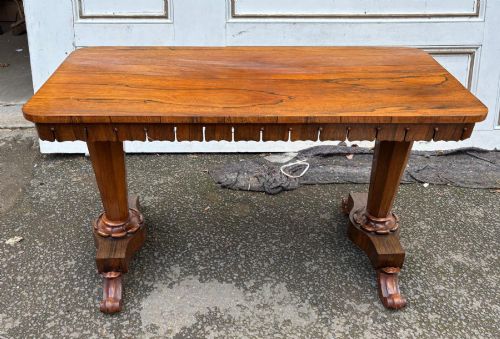
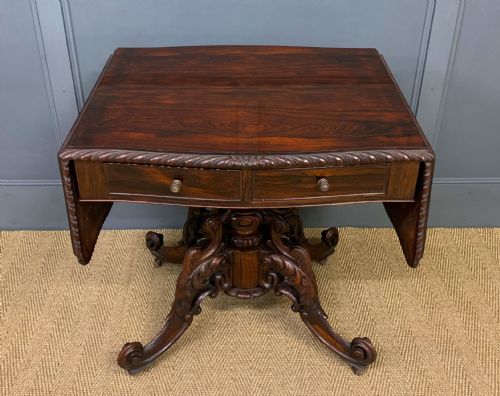
When you search for a carved rosewood pedestal, you encounter heavy timber stands primarily made in the nineteenth century, including Chinese export pieces and Anglo-Indian works. These objects function as plant stands, urn stands, and occasional tables, often featuring circular or hexagonal tops.
The nineteenth-century examples dominate the selection, spanning periods such as the Victorian era and the William IV years. You also find specific stylistic influences including Qing Dynasty work alongside English forms like card tables and teapoys.
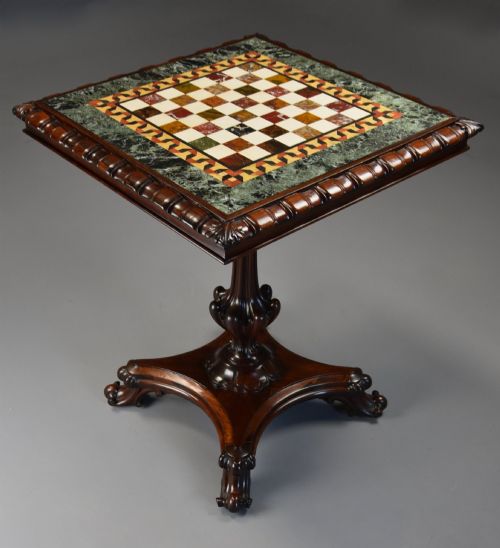
Many of these stands incorporate inset marble tops, particularly the rouge marble surfaces seen on Chinese rosewood urn stands. Others utilise solid rosewood or hardwood construction paired with needlepoint tapestry or glass elements.
How they were made
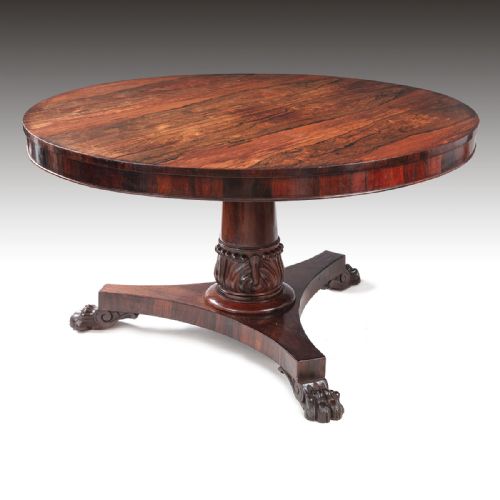
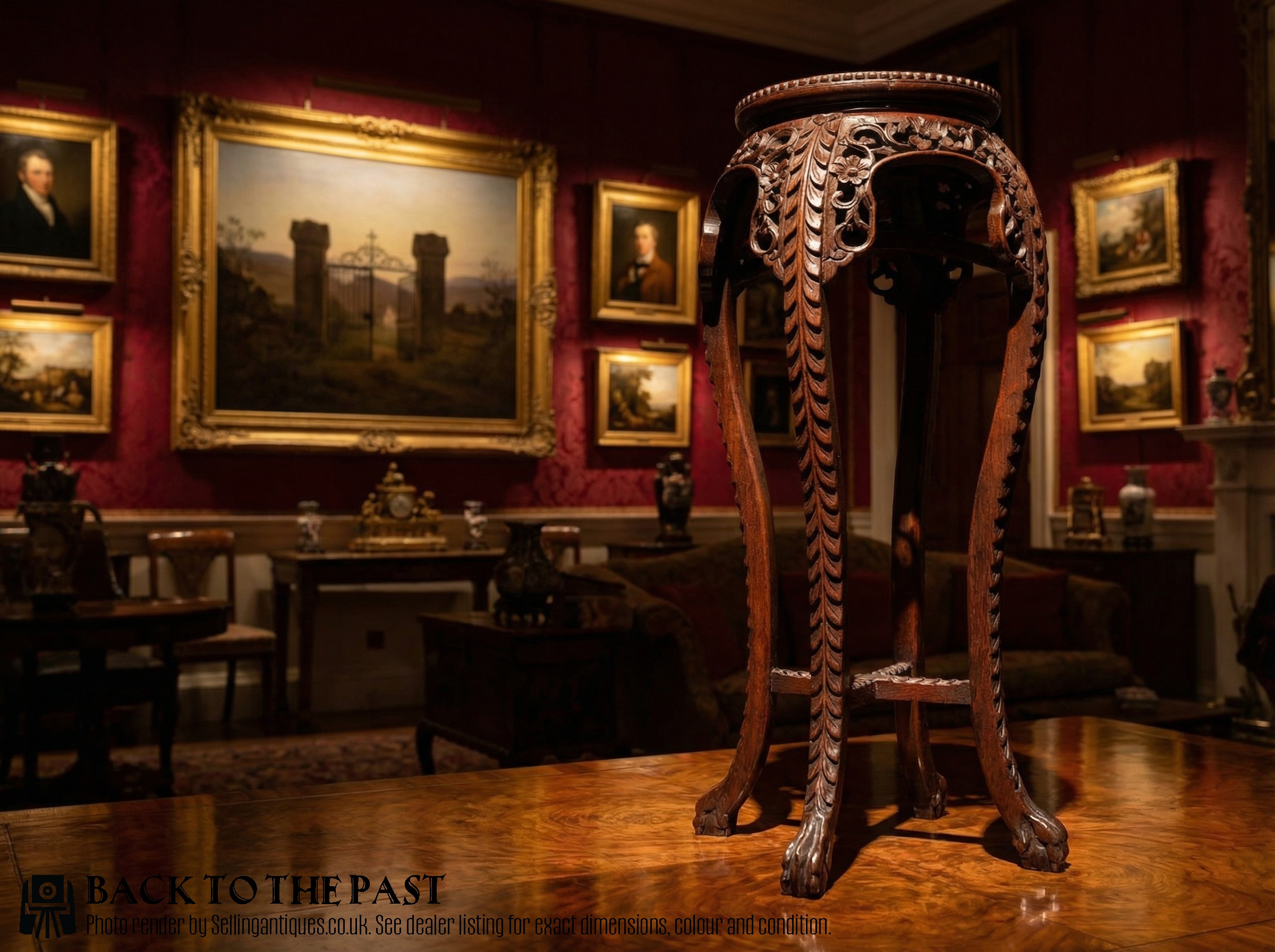
Maker construction relies on dense tropical hardwoods, specifically solid rosewood, shaped with heavy carving. Artisans combined turned or shaped pedestal bases with fitted tops, occasionally incorporating paw feet on sixteen-sided centre tables.
Carved Rosewood Pedestal Retail Price Guide 2026
Typical asking prices for carved rosewood pedestal among the pieces listed under this phrase on Sellingantiques today, from the lower quarter to the upper quarter. They describe what is for sale here now, not the wider market.
Materials recur across solid rosewood, hardwood, rouge marble inserts, and needlepoint tapestry, shaped into plant stands, teapoys, and card tables.
What varies in quality
Quality rests in the depth and precision of the carved ornament across the rosewood pedestal base and the choice of supplementary materials. Heavy, crisp carving distinguishes superior examples from plainer utility stands.
The inclusion of specific top surfaces, such as a fitted rouge marble insert or a well-figured timber top with internal compartments, elevates the standing of the piece within its period.
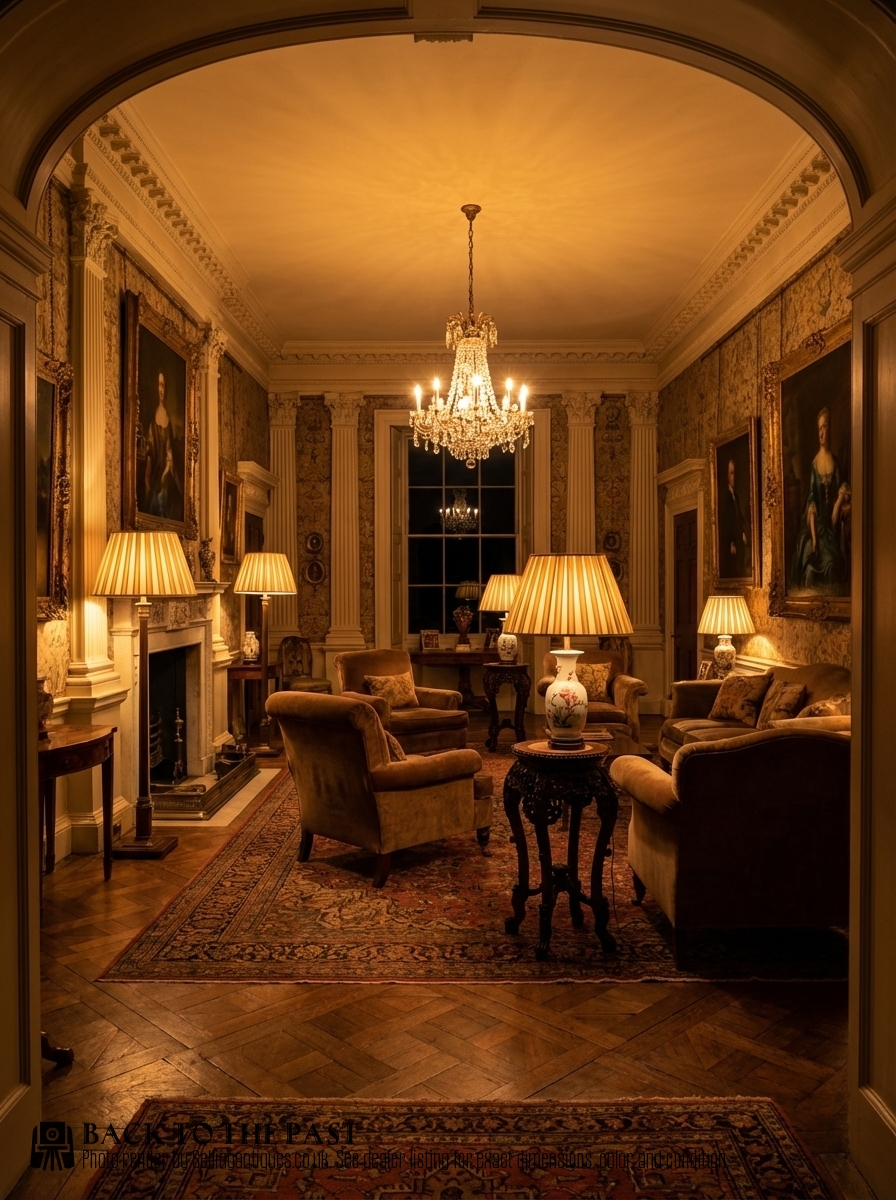
The Carved Rosewood Pedestal Glossary
- Rosewood
- A dense, heavy timber prized for its deep colour and pronounced grain figures, utilised across nineteenth-century stands. It takes a high polish and supports intricate carving.
- Pedestal
- A central supporting column or pillar beneath a table top, plant stand, or urn holder. It often terminates in shaped feet.
- Teapoy
- A small stand or table fitted with internal canisters for storing tea, supported on a carved pillar. This form emerged during the William IV period.
- Qing Dynasty
- The final imperial dynasty of China, spanning eras represented by export stands and carved hardwood plant holders seen in nineteenth-century commerce. Pieces from this tradition often feature naturalistic floral and foliage carving.
Carved Rosewood Pedestal: Frequently Asked Questions
What is a carved rosewood pedestal used for?
These pieces serve primarily as plant stands, urn stands, or occasional tables to display decorative objects within a room. Their sturdy timber construction and elevated tops position ornaments at a convenient height.
Some variations include specialised domestic functions, such as card tables with folding tops or teapoys fitted with internal storage compartments for tea canisters.
How do I identify a Victorian pedestal?
Victorian examples typically date from the nineteenth century and display dense hardwood construction with characteristic hand carving. Look for distinct regional styles, such as Anglo-Indian heavy relief work or Chinese export carving.
Check the base construction and secondary materials, such as inset marble panels or needlepoint tapestry inserts, which help anchor the piece to a specific mid-nineteenth-century workshop tradition.
Are these pedestals solid rosewood?
Many listings specify solid rosewood or heavy hardwood, reflecting the dense tropical timbers utilised by nineteenth-century makers in England, India, and China. The weight of the timber contributes to the stability of the central column.
Individual pieces may combine solid rosewood frames with veneered surfaces on larger tops or panels, depending on the specific regional workshop and furniture type.