






Oriental Wooden Display Stand
An oriental wooden display stand elevates ceramics and botanicals, bringing dense carving and figured timber into domestic interiors.
Oriental Wooden Display Stand
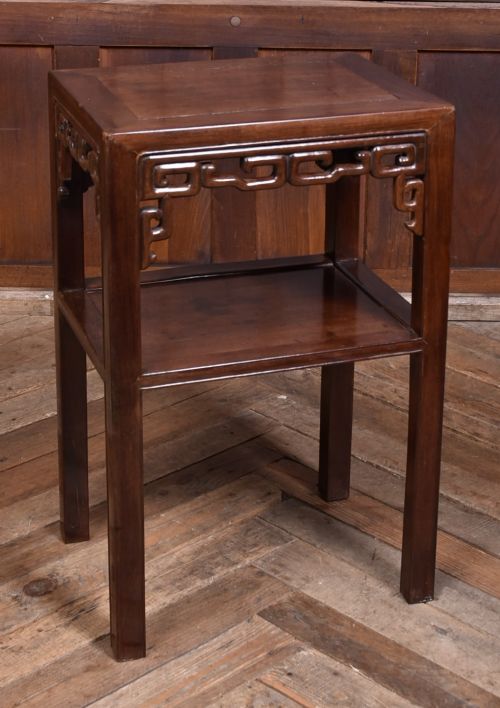
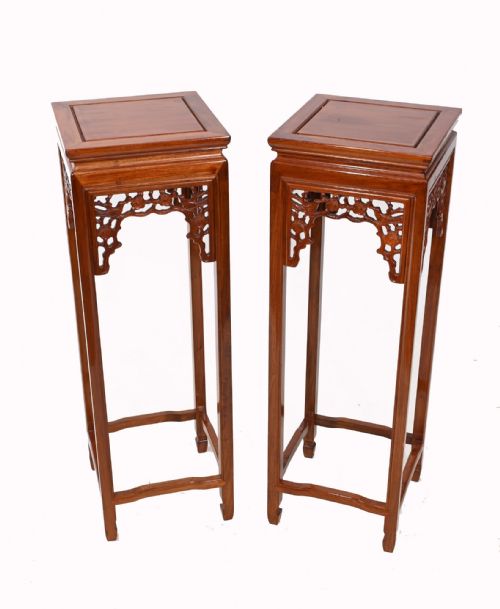
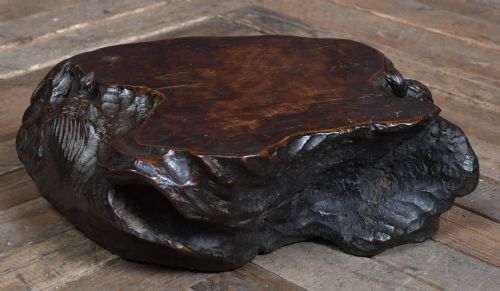
An oriental wooden display stand encompasses plant stands, jardiniere pedestals, and low occasional tables designed to showcase decorative objects. These pieces emerge primarily from nineteenth century workshops associated with Qing dynasty traditions, Chinese export production, and Meiji period Japanese craftsmanship.
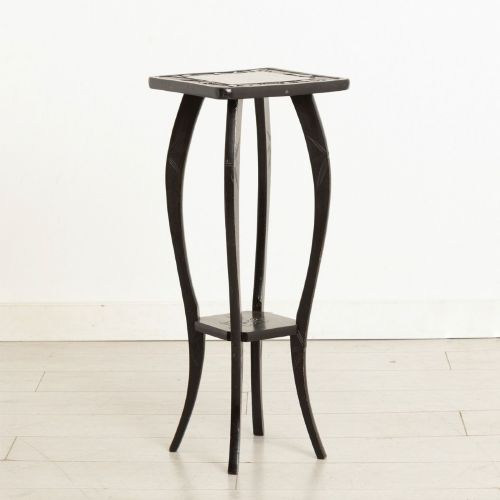
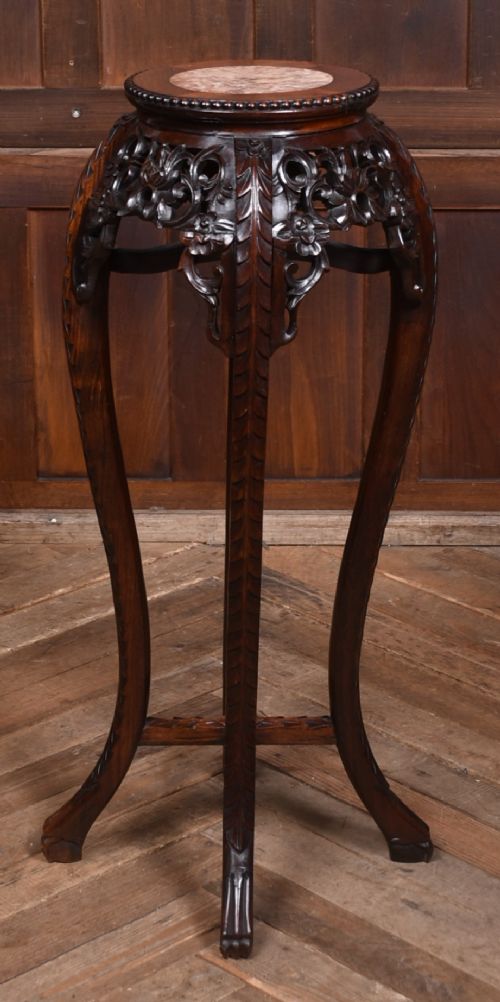
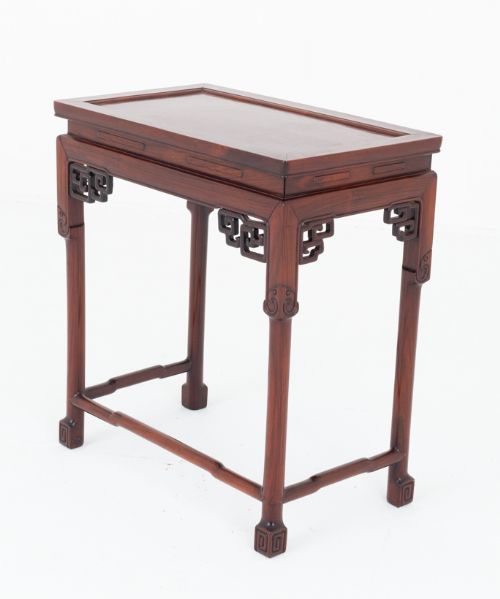
The version most commonly encountered on this page is the hardwood plant or vase stand featuring an inset marble top and carved cabriole legs. Alongside these, buyers find occasional tables, altar forms, and multi-tiered pedestals in rosewood or hongmu.
Origins stretch across Chinese traditional designs and Japanese carved furniture, with occasional crossover into Anglo-Indian and Victorian Arts and Crafts interpretations. The primary function remains elevating a vase, bowl, or specimen plant within a room.
Judging Quality
The distinction between tiers rests upon the crispness of the hand carving and the selection of the timber. Superior pieces exhibit deeply undercut foliage and balanced symmetry in pierced aprons, whereas lesser examples rely on shallow, machine-assisted stamping or soft pine carcasses.
Marble inserts dictate another level of refinement, where tight mineral figuring and a precise, flush fit into the wooden rebate mark a higher standard of manufacture. Weight distribution and joint stability also separate sturdy pedestals from those prone to wobble under a heavy urn.
Listings feature nineteenth and early twentieth century periods, spanning Victorian imports, Qing dynasty creations, and Meiji period Japanese pieces.
Liberty of London·Gabriel Viardot
The Oriental Wooden Display Stand Glossary
- Hongmu
- A dense, dark red Chinese hardwood often translated as red wood, utilised for high-status Qing dynasty furniture and stands. It polishes to a rich lustre.
- Jardiniere
- A large ornamental pot or container for plants, which sits atop these dedicated wooden and marble stands. They form the primary pairing for heavy pedestals.
- Qing Dynasty
- The last imperial dynasty of China, spanning from sixteen forty-four to nineteen twelve, which produced the majority of carved hardwood stands seen here. The period is noted for ornate decorative arts.
- Meiji Period
- The era in Japanese history from eighteen sixty-eight to nineteen twelve marked by the opening of trade and intricate export crafts. Furniture from this time often displays exceptional carving.
- Padouk
- A heavy, durable tropical hardwood with a reddish hue used in traditional oriental furniture construction. It provides stable resistance to warping.
Oriental Wooden Display Stand: Frequently Asked Questions
What is an oriental wooden display stand used for?
These stands were originally constructed to elevate prized ceramic vases, bronze vessels, and bonsai specimens within scholar's rooms and reception halls. By raising the object, craftsmen drew the eye to specific decorative pieces and protected delicate surfaces from damp floors.
Today, buyers utilise them as lamp tables, wine stands, or pedestals for modern house plants. Their compact footprints make them versatile for placing beside armchairs or filling narrow corners.
How do I identify a Qing dynasty stand?
Qing dynasty stands are characterised by heavy tropical hardwoods such as hongmu and rosewood, combined with intricate, deeply undercut hand carving. Many incorporate inset marble tops and robust cabriole or straight legs joined by low stretchers.
Examining the underside reveals traditional joinery methods without modern metal screws. The weight and patination of the timber further signal nineteenth century origins.
Are marble top stands fragile?
The marble inserts are heavy and solid, resting securely within wooden rebates designed to distribute the downward weight of urns and heavy planters. While the stone itself is robust, it requires care during relocation to prevent edge chipping against the surrounding timber frame.
The underlying wooden structure provides sturdy support, provided the joints have not dried out from excessive central heating. Regular waxing keeps the timber conditioned and stable.
How do Japanese and Chinese stands differ?
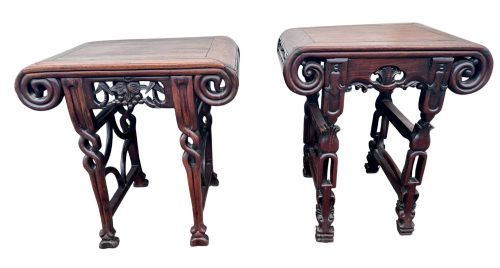
Japanese stands from the Meiji period often feature naturalistic motifs such as entwined branches, turtles, or birds, rendered with botanical precision. Ebonised elm and distinctive lacquer work frequently appear in Japanese workshops.
Chinese stands tend toward formal symmetry, geometric fretwork, and classical foliage carved into dense rosewood or hongmu. Both traditions share a high standard of joinery and a focus on supporting decorative objects.