










Oriental Urn Stand
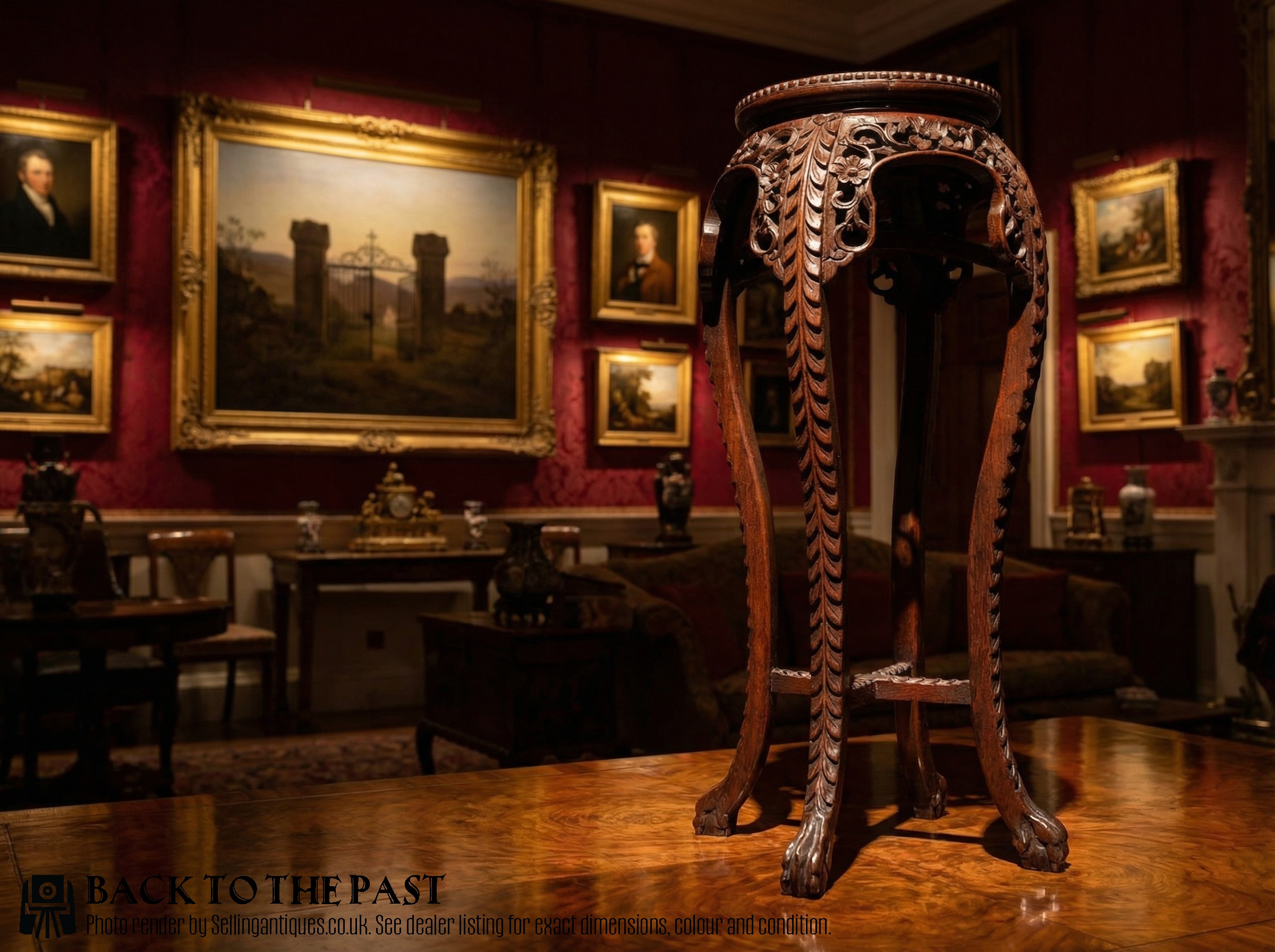
An oriental urn stand brings a grounded, sculptural presence to a room, holding heavy vessels or plants with quiet authority.
Oriental Urn Stand
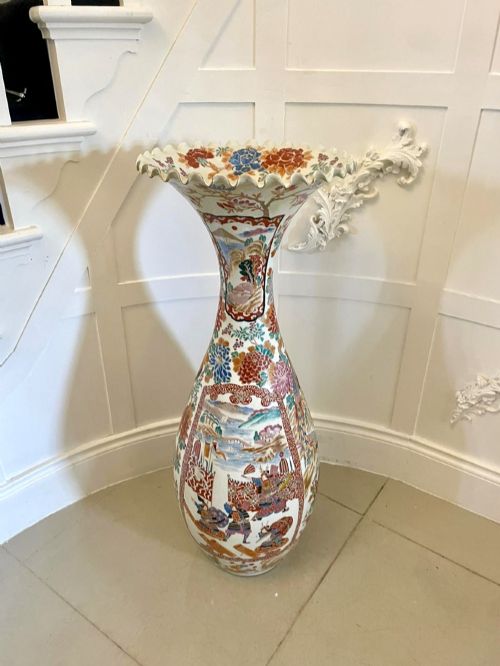
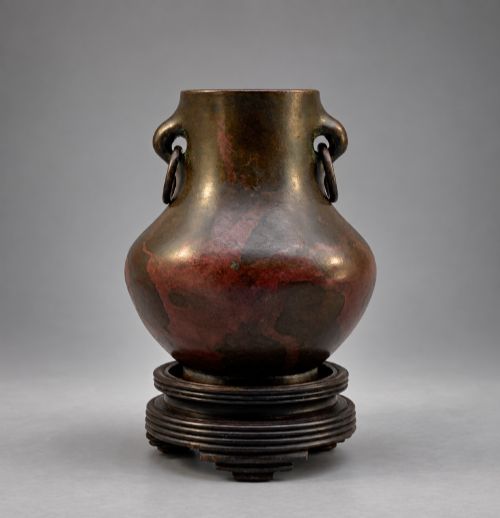
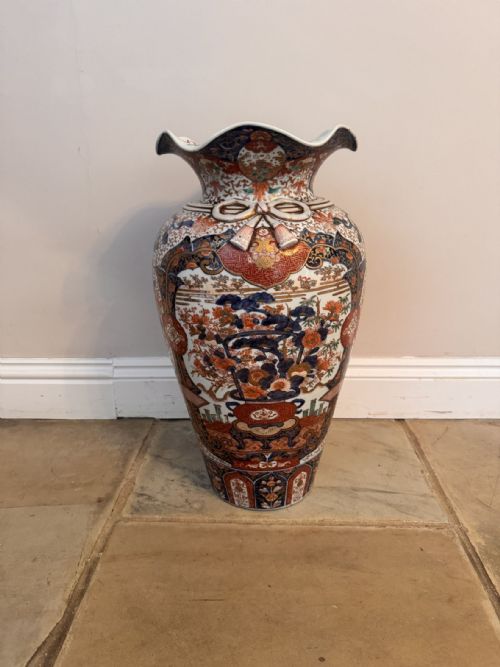
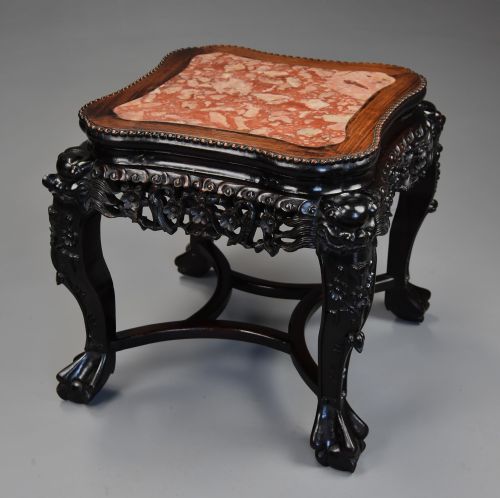
When you search for an oriental urn stand, you encounter low tables, pot stands, and pedestal supports designed to elevate heavy ceramic vessels. These items emerge primarily from the nineteenth century, including Victorian and Edwardian interpretations alongside Qing Dynasty and Meiji Period pieces.
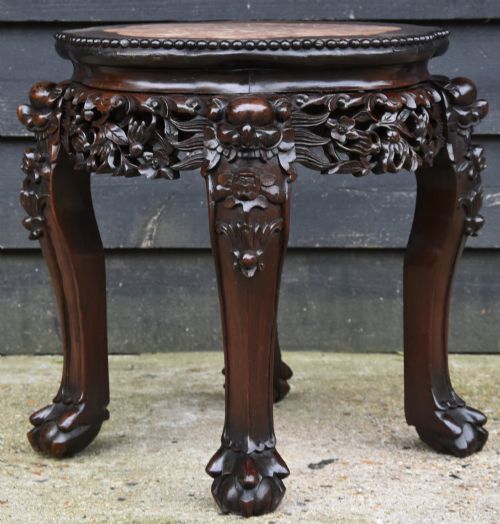
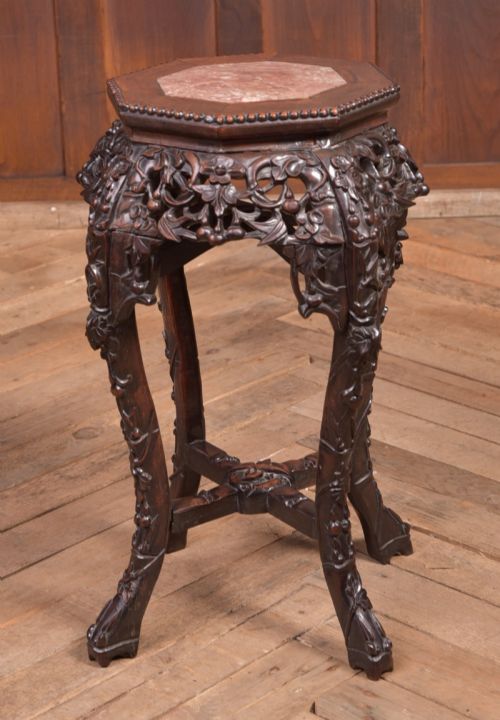
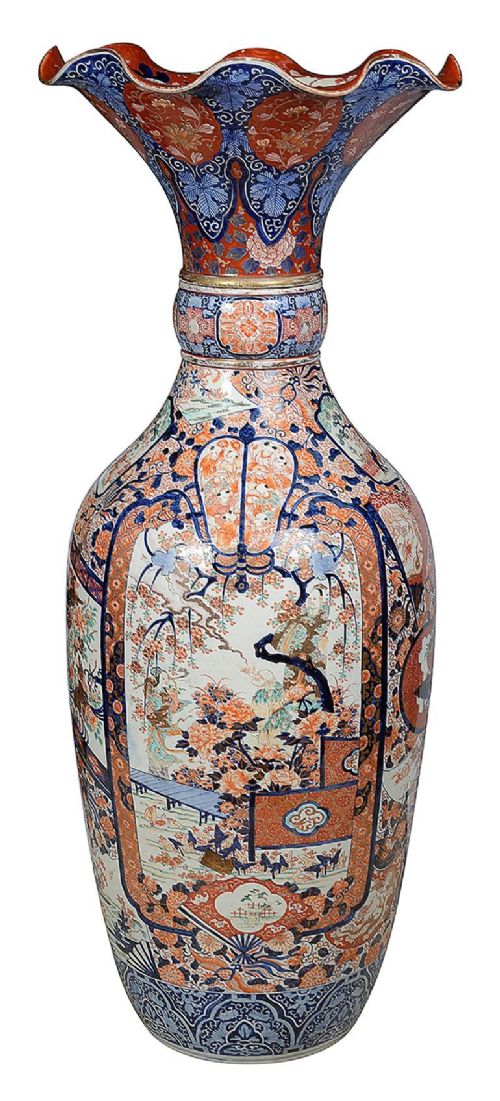
The most common form on this page is the carved hardwood stand featuring an inset marble top, often shaped to follow the contours of the timber. Alongside these marble-topped tables, the selection includes floor-standing vases complete with matching original stands, occasional tables, and low jardiniere supports.
How these stands were constructed
Artisans utilised dense timbers such as rosewood, padouk, and general hardwoods, carving intricate floral or geometric motifs into the frames. These robust woods provided the structural integrity required to support heavy stone inserts and large ceramic vases without warping.
Many examples incorporate inset panels of variegated rouge or white marble, carefully fitted into the wooden superstructure. Other variants employ lacquer, mother-of-pearl inlay, and porcelain to achieve contrasting textures and decorative depth.
Oriental Urn Stand Retail Price Guide 2026
Typical asking prices for oriental urn stand among the pieces listed under this phrase on Sellingantiques today, from the lower quarter to the upper quarter. They describe what is for sale here now, not the wider market.
What separates standard pieces from the finest work
Quality rests upon the depth and crispness of the hand-carving, where superior examples exhibit undercut foliage and well-defined joints that require minimal modern intervention. The selection of the timber also dictates the standard, with richly figured rosewood and heavy padouk representing finer production than plain utility woods.
The integration of the marble insert defines another tier of excellence, specifically where the stone sits flush and matches the contours of the wooden frame precisely. Furthermore, matched pairs and monumental scales indicate workshop production intended for grand domestic interiors rather than standard export markets.
Liberty of London·Kato Sanhei
The Oriental Urn Stand Glossary
- Jardiniere stand
- A low table or pedestal specifically designed to hold a ceramic flower pot or plant container. These items typically feature water-resistant surfaces such as marble or glazed porcelain.
- Hongmu
- A category of dense, dark Chinese hardwoods often translated as red wood. Artisans utilised hongmu for high-status furniture due to its weight and fine grain.
- Torchère
- A tall ornamental stand originally intended to support a candle or lamp. In Asian export contexts, these pieces function as elevated plant or vase pedestals.
- Imari
- A style of Japanese porcelain decorated in underglaze blue and overglaze red, gold, and green. Pieces in this style often accompany matching ceramic floor stands.
- Padouk
- A heavy, durable tropical hardwood with a reddish tint. Cabinetmakers valued padouk for its stability and resistance to splitting during intricate carving.
Oriental Urn Stand: Frequently Asked Questions
What is an oriental urn stand used for?
These pieces function primarily to elevate heavy ceramic vessels, urns, and large potted plants off the floor. They also serve as occasional side tables for lamps and decorative objects.
Historically, elevating a prized vase protected the ceramic from damp floors and positioned the artwork at an optimal height for viewing within traditional interiors.
How do I identify the wood on these stands?
Many nineteenth-century examples utilise dense tropical timbers like rosewood and padouk, which feel exceptionally heavy and display deep, dark grain patterns. Examining the underside often reveals the unpolished grain and traditional joinery methods.
Lighter stands may use general hardwoods finished with dark stains to mimic more expensive materials like hongmu.
Are marble tops original to the stands?
Most marble inserts found in nineteenth-century hardwood stands are original to the piece, cut specifically to fit the recessed wooden frame. The stone was chosen to provide a cool, water-resistant surface for damp flower pots.
Variations in the marble colour, such as rouge or grey veining, typically correspond to the period and regional workshop of the main wooden structure.
How do I date an antique oriental stand?
Dating relies on assessing the timber, construction marks, and stylistic indicators such as Qing Dynasty or Meiji Period motifs. Pieces marked by late nineteenth-century aesthetics often feature heavier carving and integrated marble panels.
Documented examples bearing retailer labels or specific artist signatures provide firmer chronological markers within the broader Victorian and Edwardian eras.